
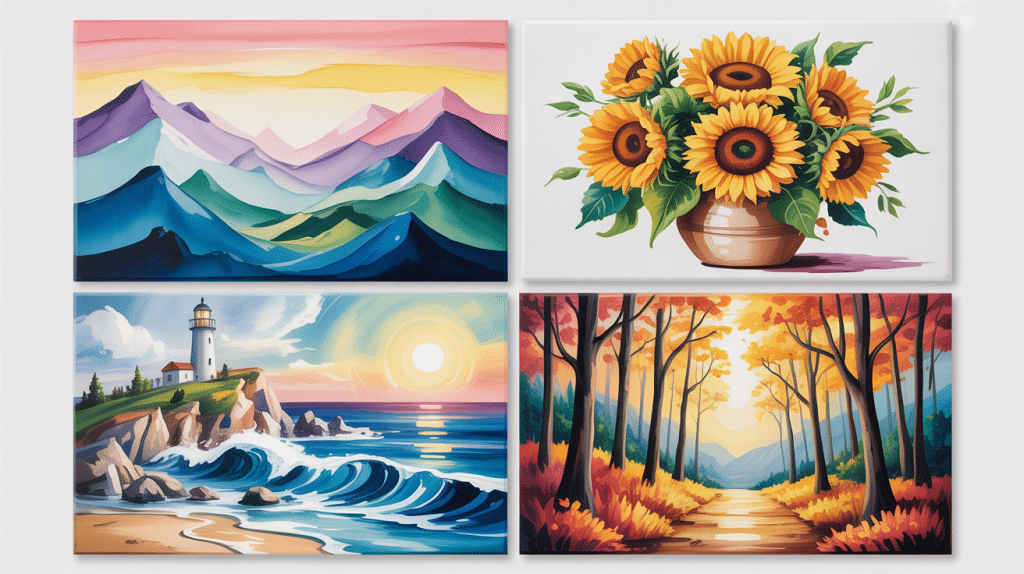
Finding fresh art project ideas can feel tough when you’re past the beginner stage but not quite an expert yet.
At the intermediate level, you probably know the basics, but you’re ready for something a little more challenging – projects that push your skills, spark new ideas, and help you grow your style.
This guide gives you a mix of painting, drawing, digital, mixed media, and 3D project ideas that feel doable but still exciting.
If you’re stuck, bored, or just looking for something fun to create next, these project ideas will help you get inspired and keep moving forward.
How to Choose the Right Art Project Idea for You
It’s easy to feel overwhelmed by all the creative options out there. A simple way to start is by picking projects that match your skills, interests, and the time you actually have.
- Check Your Current Skills and Gaps: Pick projects that help you improve areas you’re still working on, like color mixing, shading, or perspective.
- Match Projects to Your Time and Materials: Choose something realistic for your schedule and what you already own. No need to buy fancy supplies.
- Add a Personal Theme or Story: Projects feel more fun and meaningful when they connect to your life, memories, or emotions.
Use these simple checks to choose a project you’ll actually finish and feel proud of.
Popular Art Project Ideas
Trying new art projects is one of the best ways to grow your skills and learn new styles. These ideas are designed for intermediate artists who want something fun, challenging, and confidence-boosting.
Painting Art Project Ideas
These painting ideas give you room to practice color, layering, and composition without feeling too difficult. Each one helps you build a specific skill while still letting you experiment and express yourself.
1. Sunset Sky Blending Study
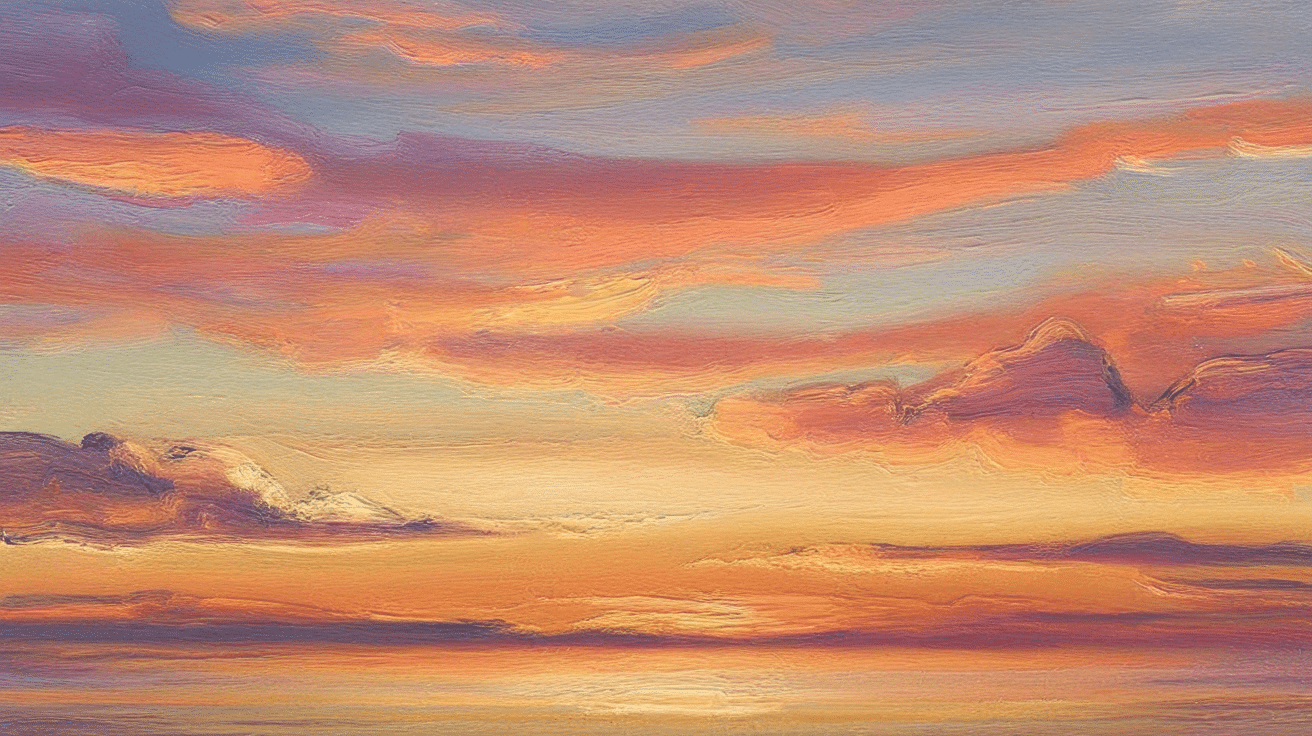
Create a smooth blend of warm and cool colors to paint a glowing sunset sky.
Start with a light sketch of your horizon, then layer colors from yellow to orange to deep purple. Use a large soft brush to blend the shades together while the paint is still wet. Add subtle clouds with a dry-brush technique for texture.
This project is great for practicing color transitions and learning how to control edges.
2. Botanical Gouache Illustration
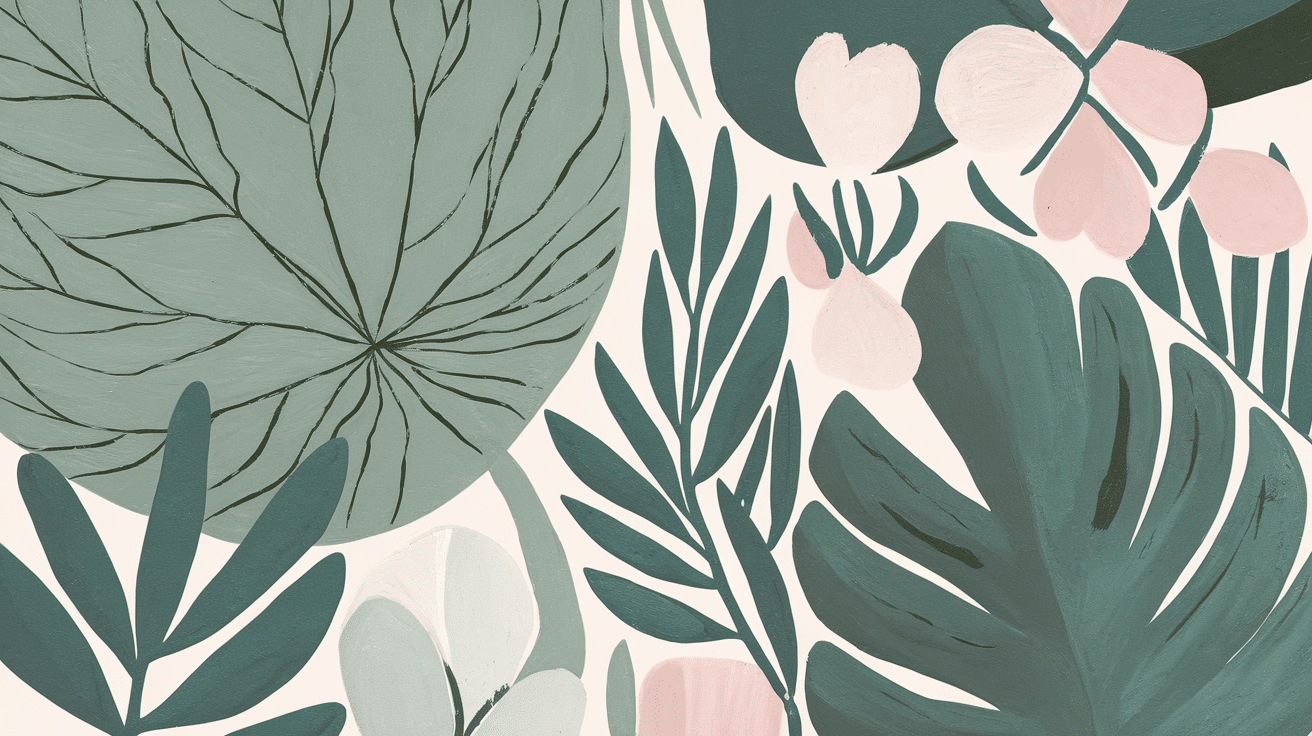
Choose a plant or flower and sketch it lightly on thick paper. Block in simple shapes using flat gouache colors, then slowly add details like veins, shadows, and highlights. Gouache is forgiving, so you can layer lighter colors on top of darker ones.
Focus on clean shapes and soft gradients to give your plant a fresh, modern look. This project helps you improve precision, color mixing, and layering.
3. Moody Monochrome Landscape
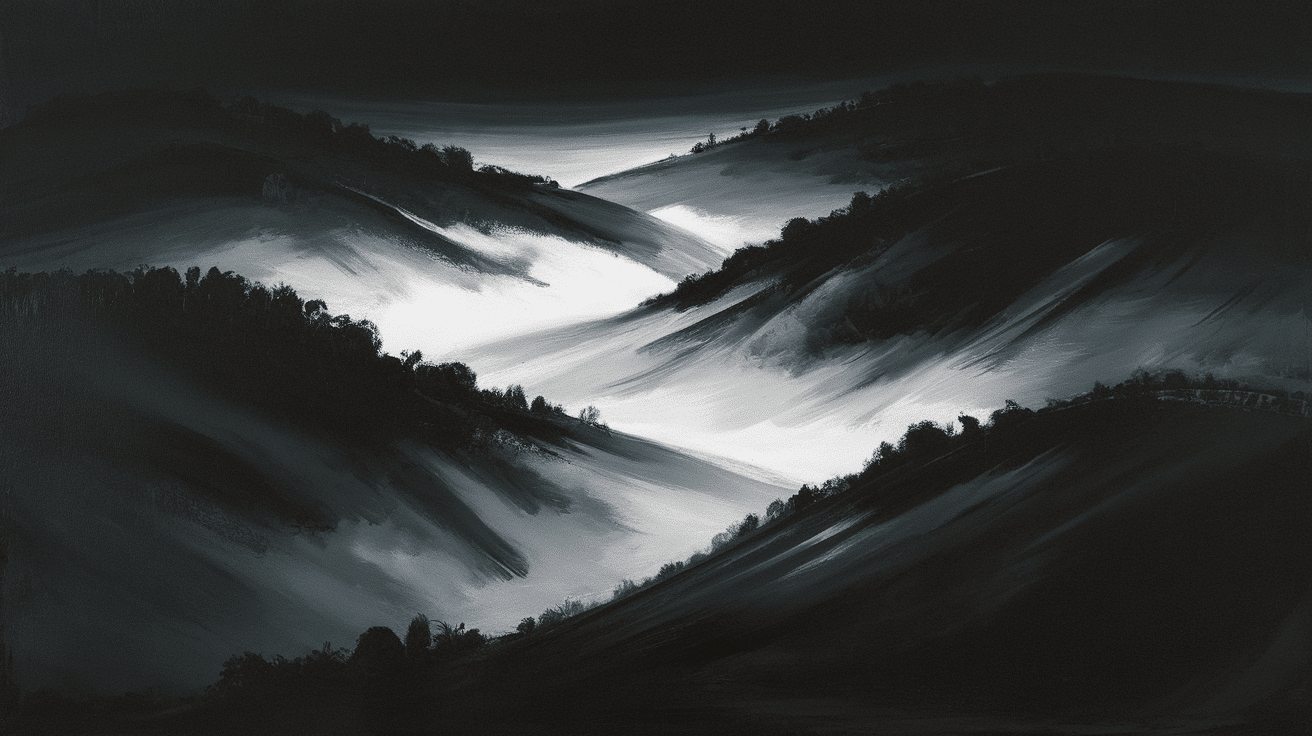
Pick one color, like blue, green, or burnt umber, and paint an entire landscape using only that hue. Start with the lightest values for the sky and background, then add darker tones as you move forward.
This builds your understanding of value and depth without worrying about full color mixing. Use a thin brush for fine details like tree branches or distant buildings.
4. Expressive Portrait With Bold Colors
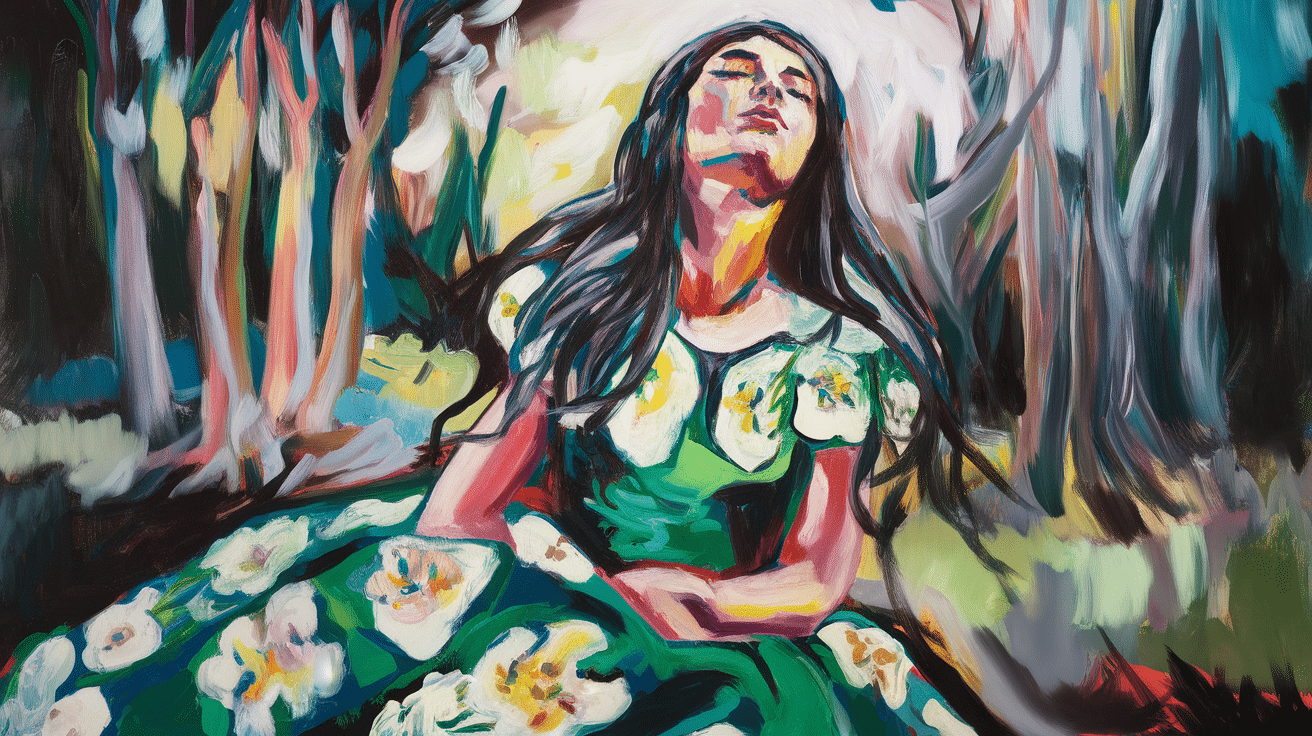
Draw a simple portrait outline and paint it using unexpected colors, such as pinks, blues, or neon shades. Focus on loose brushwork and emotional expression instead of perfect accuracy.
Layer colors in patches to create interesting shadows and highlights. This helps you with style, confidence, and expressive painting techniques.
5. Reflective Water Scene
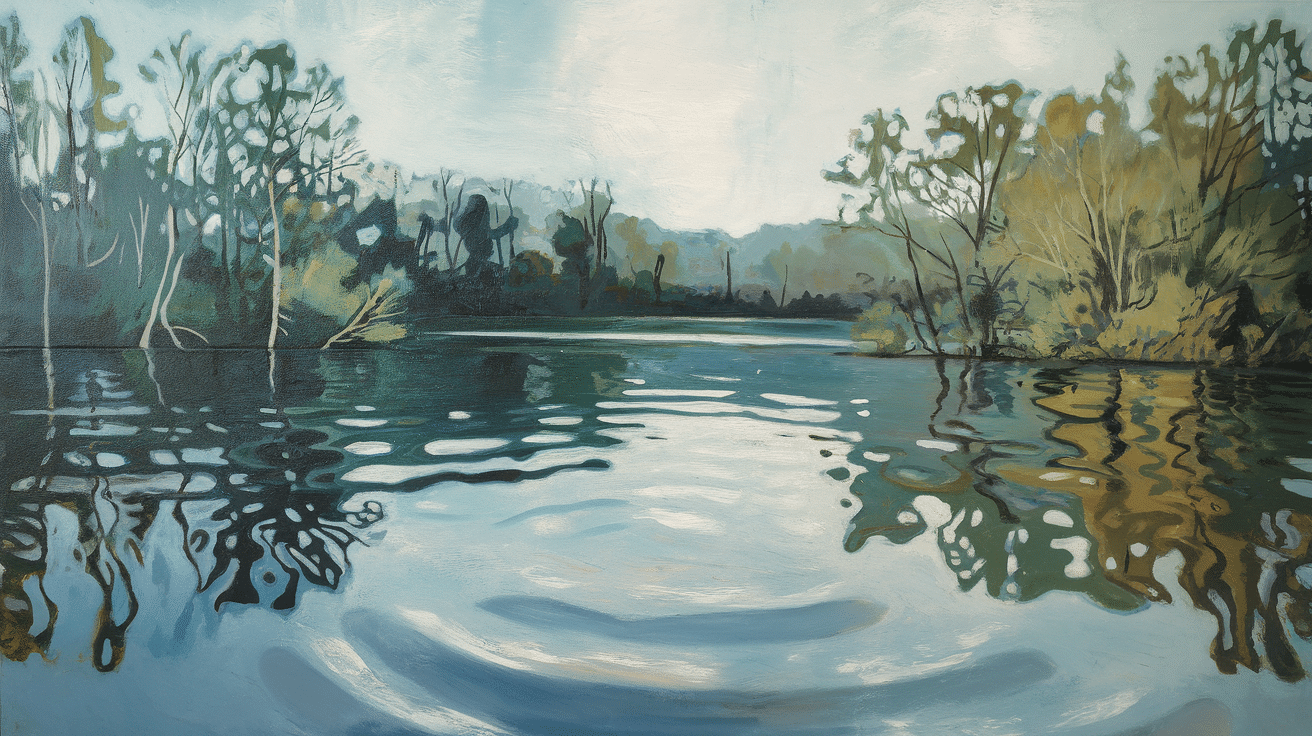
Paint a lake, river, or ocean with reflections from trees, boats, or the sky. Begin by lightly mapping the scene, then paint the sky and water first.
Add vertical strokes to form reflections, and soften the edges with a gentle blend. Finally, add details like ripples or small waves. This project teaches observation, symmetry, and smooth blending.
6. Mini Canvas Series With Textures
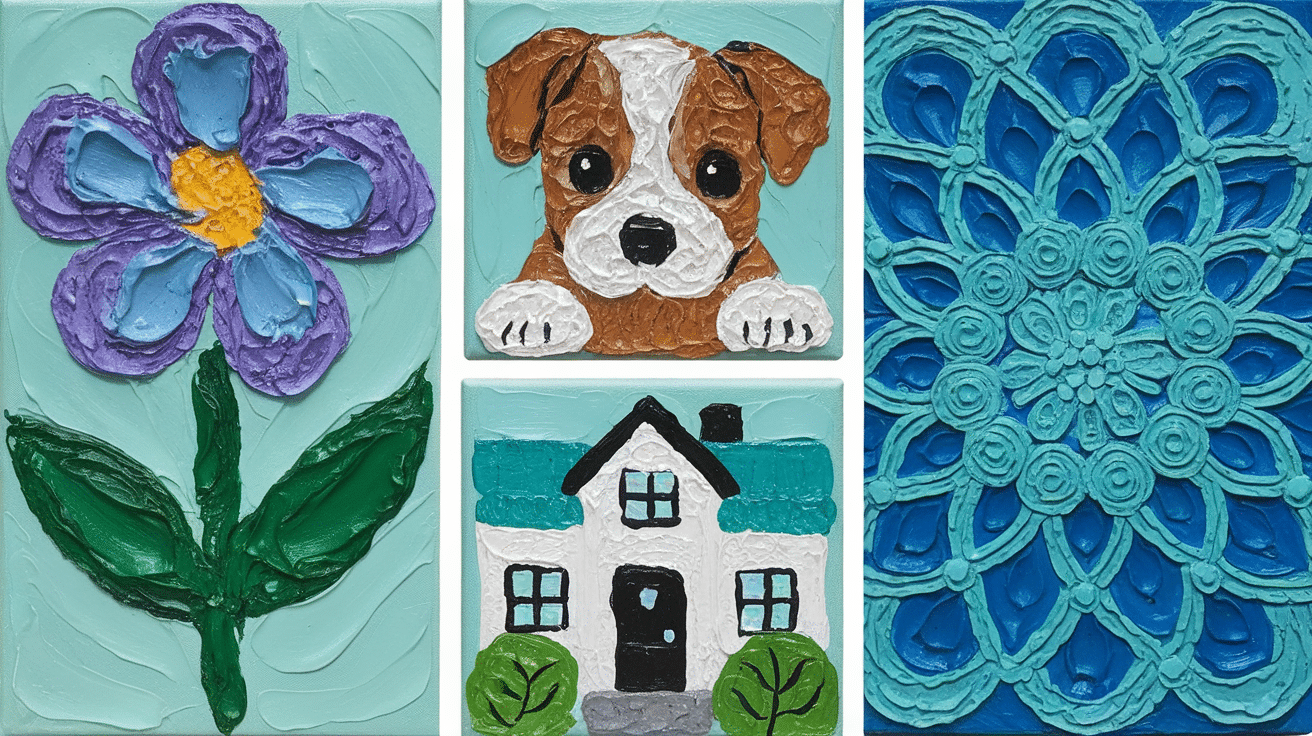
Grab 3–5 small canvases and create a series using similar colors or themes. Experiment with modeling paste, thick brushstrokes, and palette knives.
Build texture before adding layers of paint. Try patterns, abstract marks, or simple objects like flowers. This project helps you practice consistency and creative mark-making.
7. Still Life With Dramatic Lighting
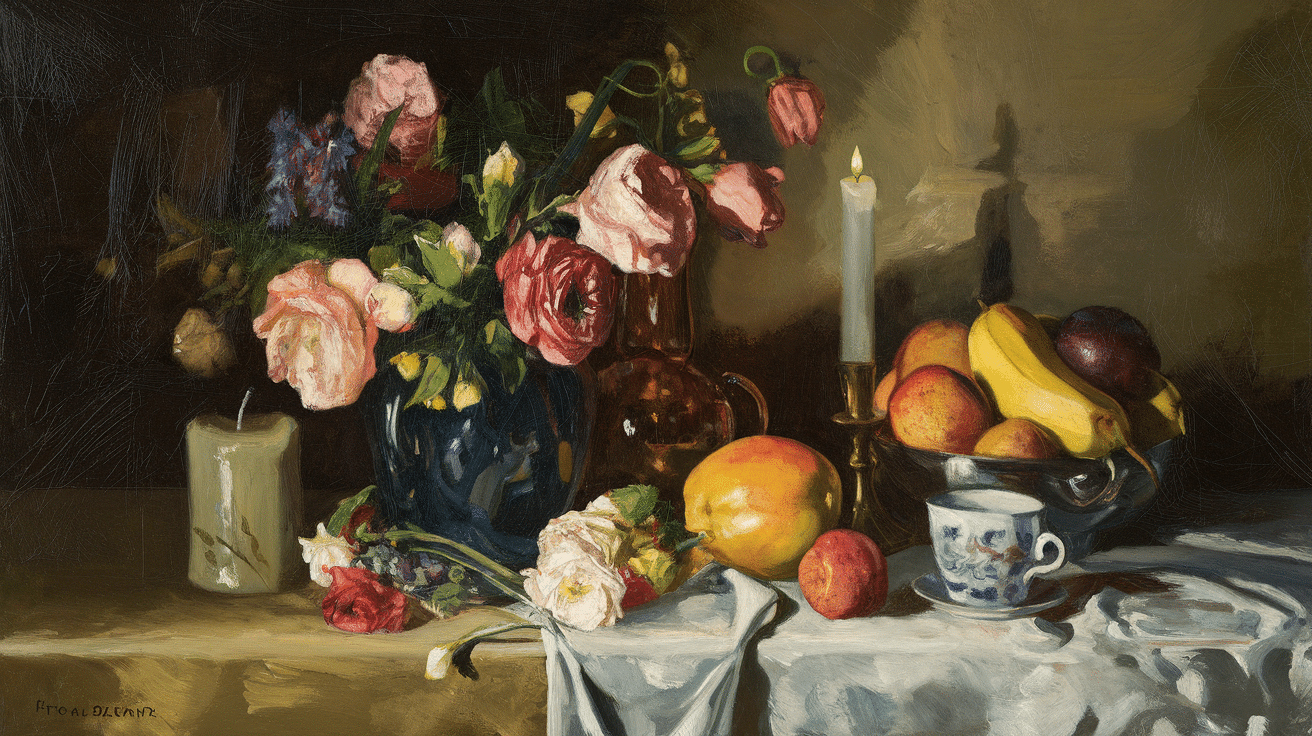
Arrange a few objects near a window or lamp to create strong shadows. Sketch the shapes, then block in large areas of light and dark. Slowly add mid-tones, highlights, and fine details.
This improves your understanding of form, value, and composition – key skills for intermediate painters.
8. Impressionist Garden Scene
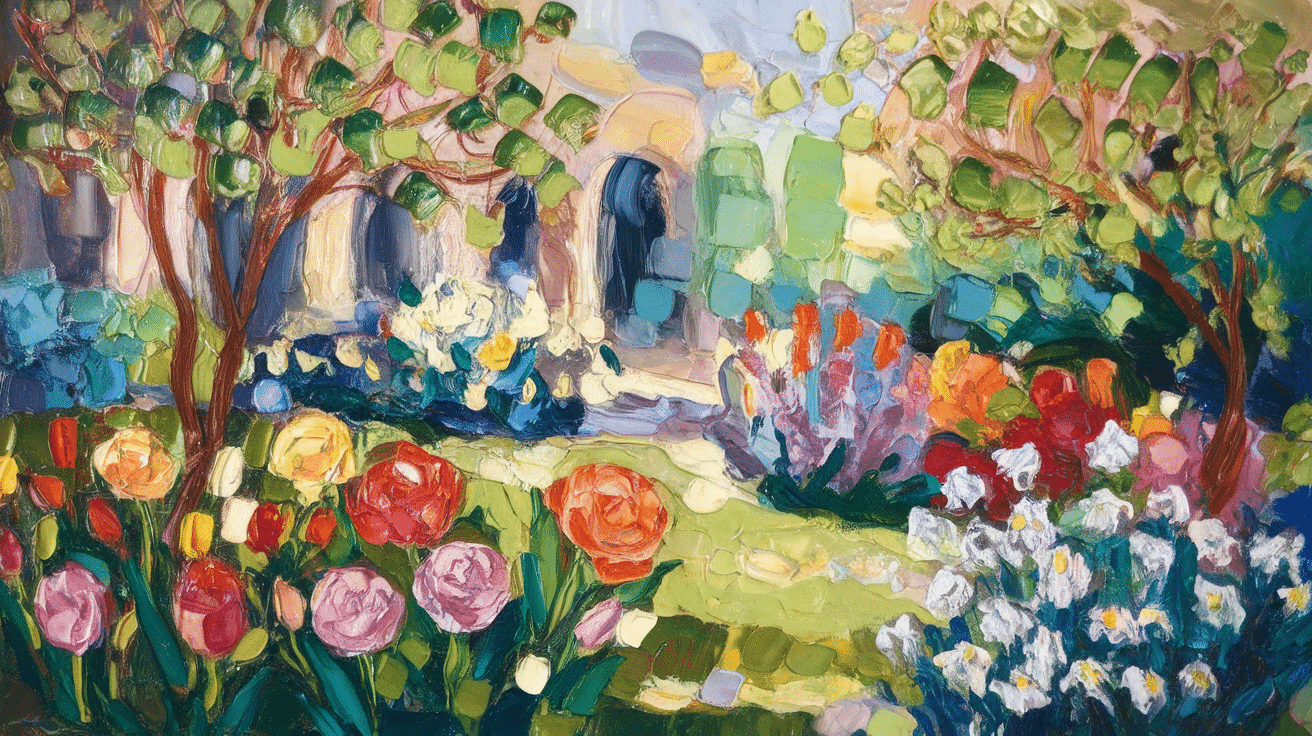
Use short, visible brushstrokes to paint flowers, plants, and sunlight. Skip the detailed outlines and focus on capturing color and movement.
Work quickly in layers, letting each stroke stay textured and loose. This project teaches looseness, color harmony, and expressive technique.
9. Night Sky Galaxy Painting
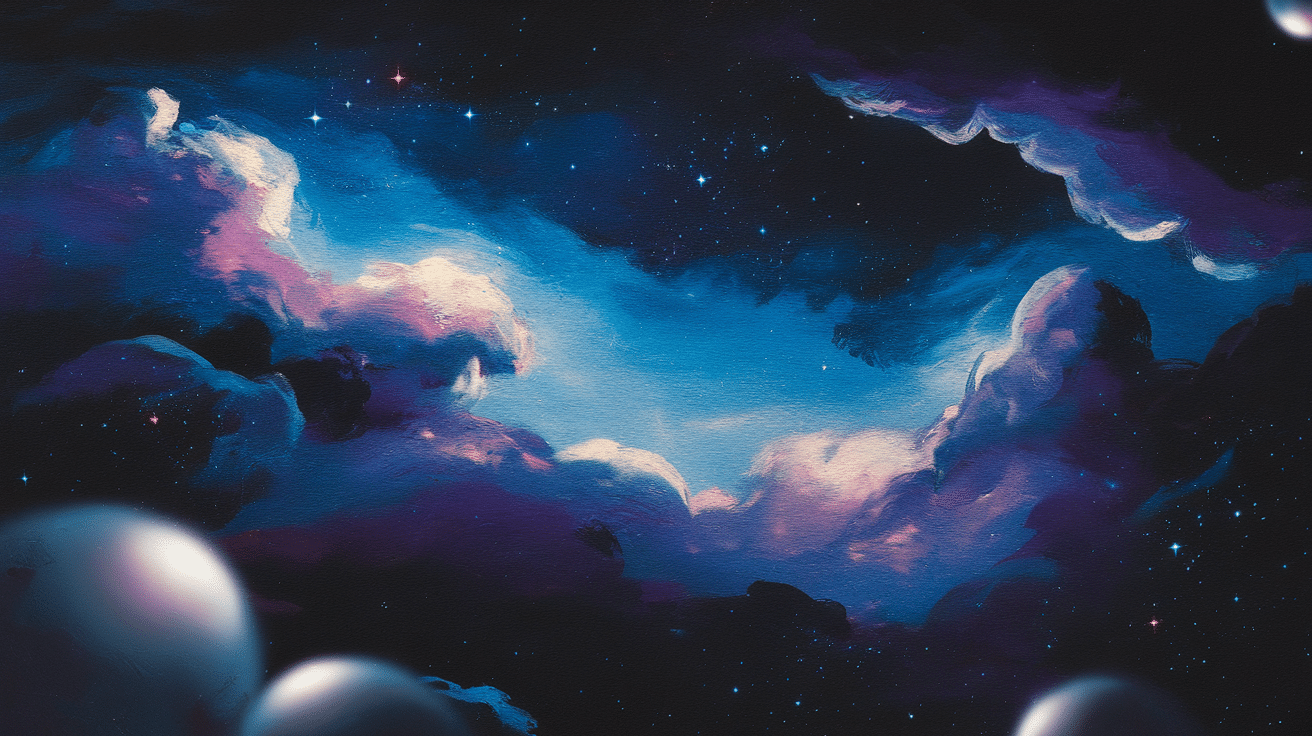
Start with a dark base layer in blues and purples. Add soft white splatters for stars, then blend clouds of color to form your galaxy. Use a sponge or fan brush for soft textures.
This project builds blending skills, contrast handling, and creative layering.
10. Urban Window View Painting
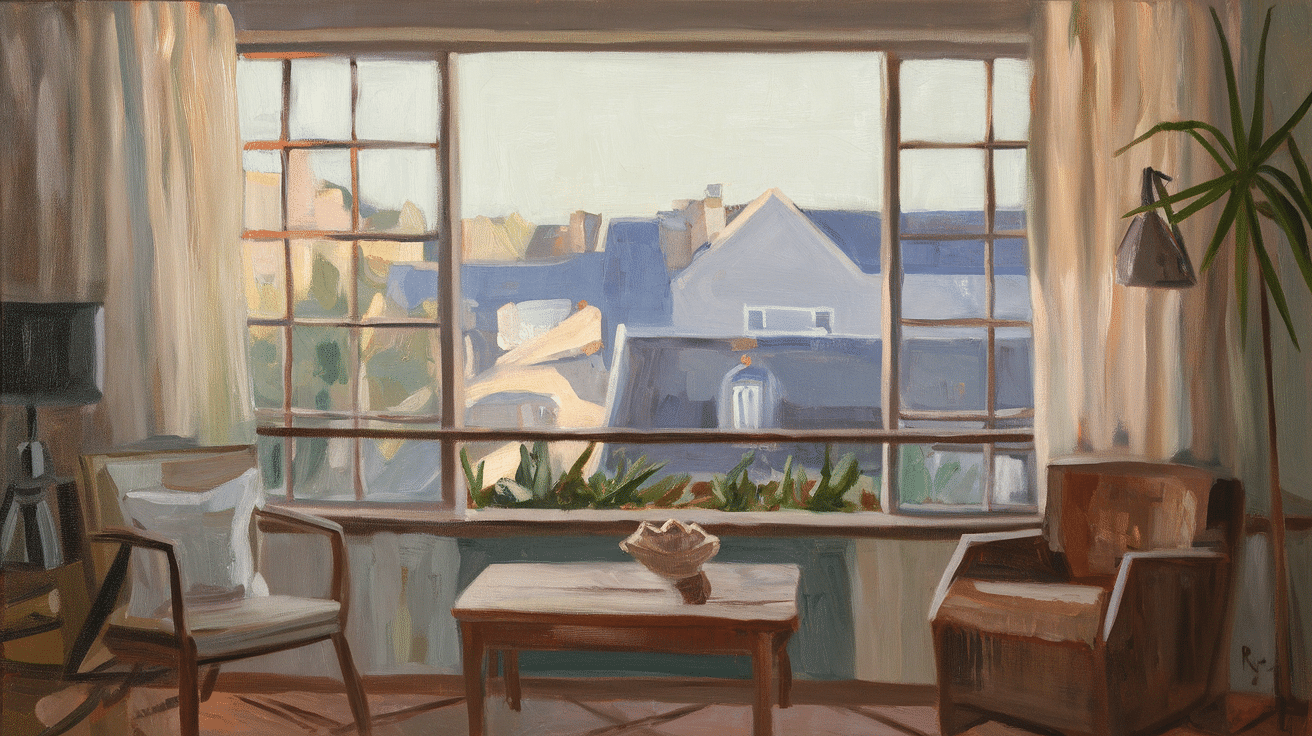
Choose a window scene, real or imagined, and paint what you see through it. Start with basic shapes like buildings, trees, or rooftops.
Add light reflections on the window and subtle color variations. This teaches perspective, mood, and storytelling through simple scenes.
Drawing Art Project Ideas
These drawing projects help you sharpen your skills in shading, proportion, line work, and creative expression. They’re perfect if you want to level up without feeling overwhelmed.
11. Detailed Pencil Study of Everyday Objects
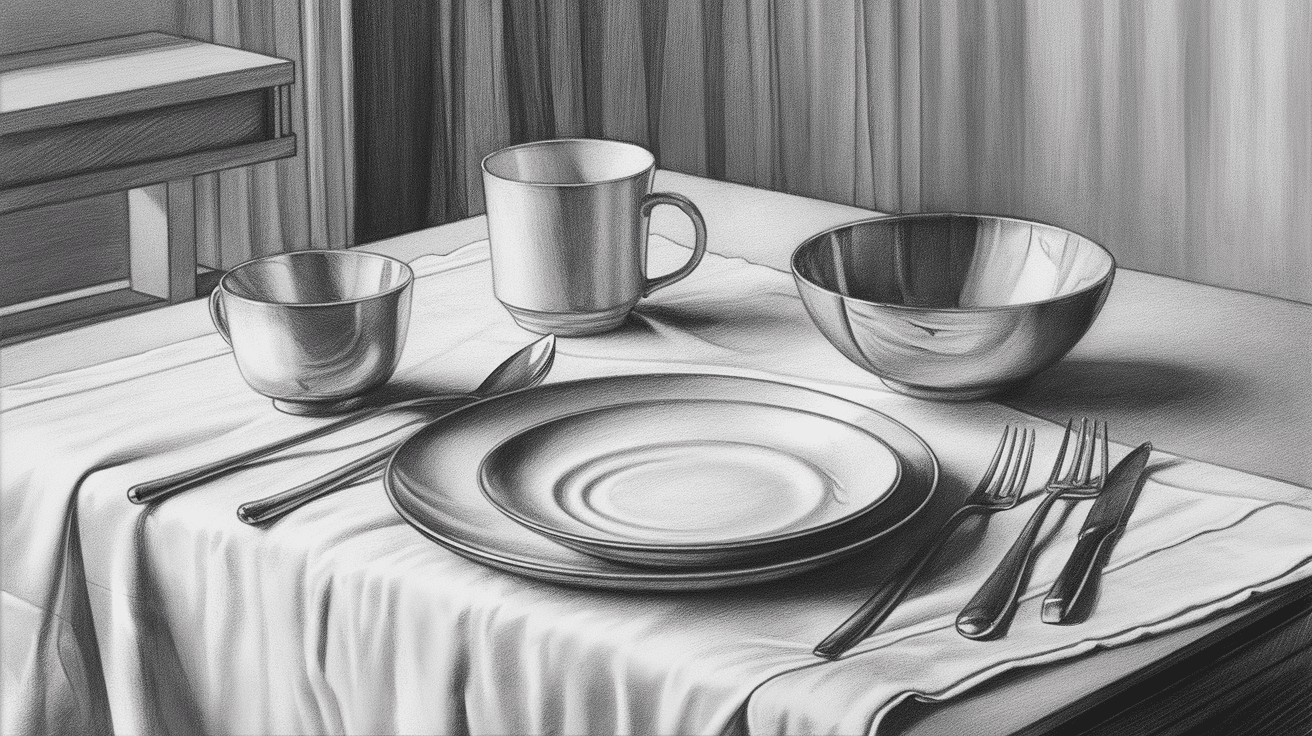
Pick one object, like a mug, a shoe, or a pair of keys, and draw it with as much detail as possible. Start by lightly sketching the basic shapes, then slowly build your shading from light to dark.
Focus on observing textures, shadows, and reflections. This project helps you train your eyes to see subtle details and improve your shading accuracy.
12. Charcoal Portrait With Soft Values
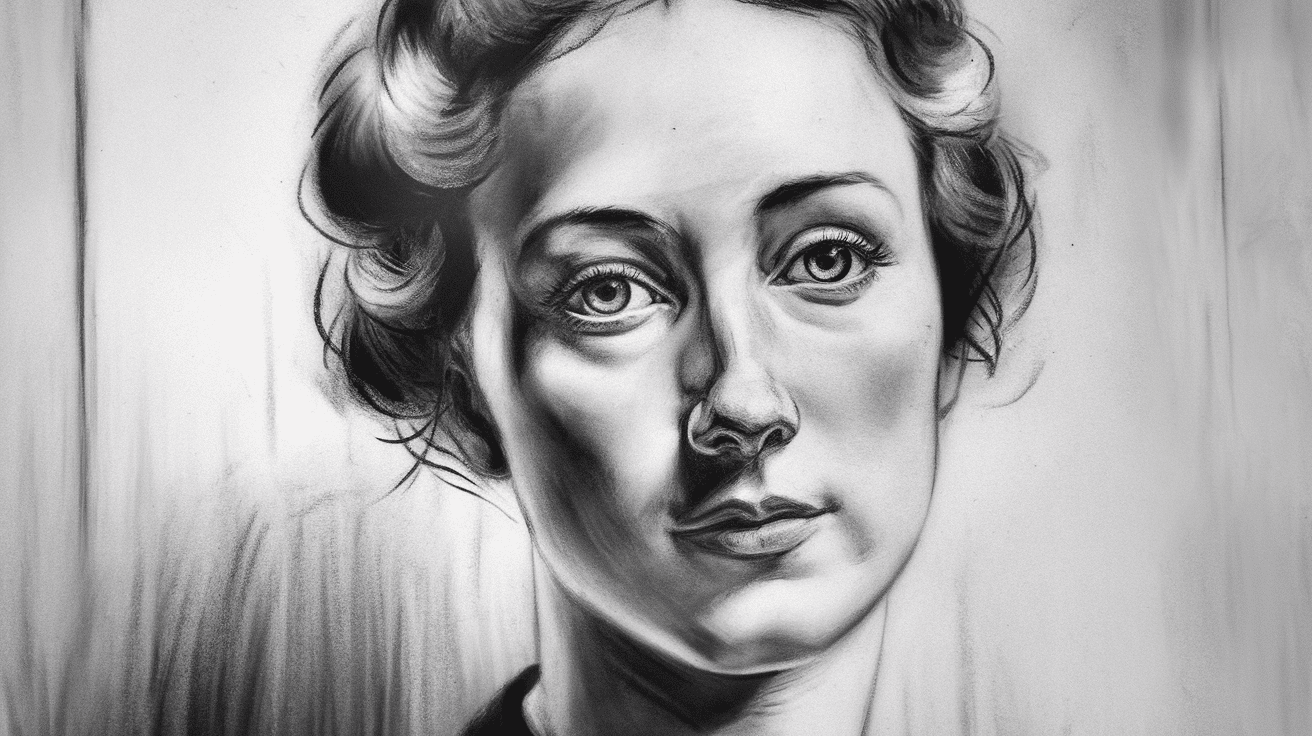
Use vine charcoal or soft charcoal sticks to sketch a portrait with smooth blends. Start with simple outlines, then block in the darkest shadows.
Blend using a tissue or blending stump to create soft gradients. Add highlights with an eraser. This project improves your ability to control value and build realistic depth.
13. Crosshatch Animal Illustration
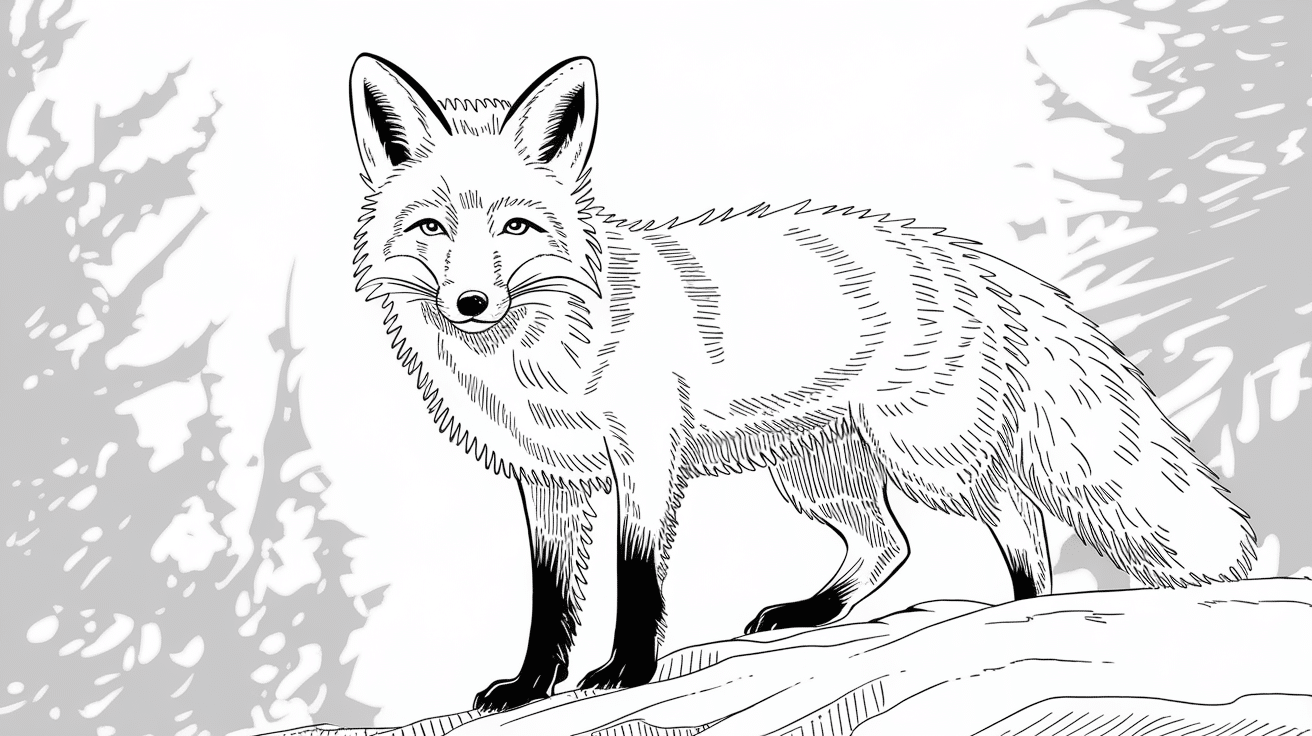
Choose an animal and draw it using only crosshatching for shadows and texture. Begin with a basic outline, then slowly build layers of lines to create form.
Vary the direction, spacing, and pressure of your lines for different textures. This project teaches patience, precision, and advanced line control.
14. Architectural Street Corner Sketch
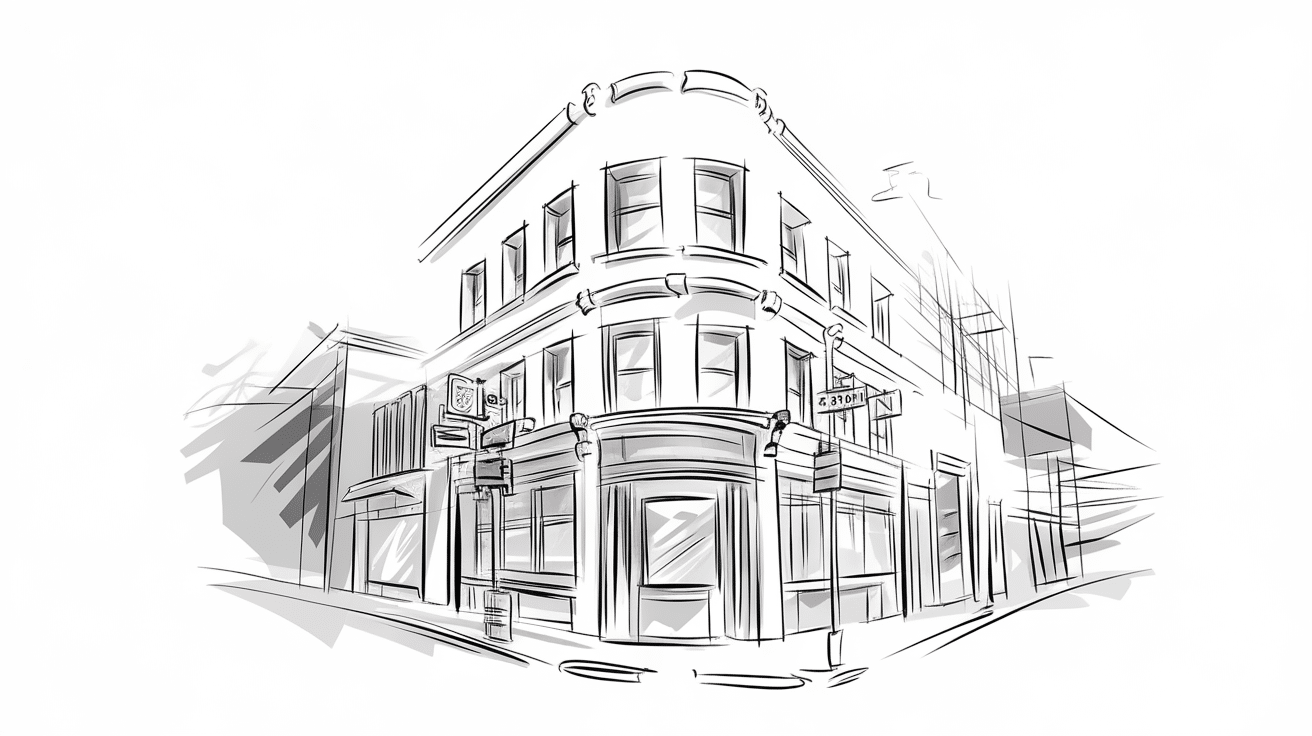
Find a reference photo of a building or street corner with perspective. Lightly map out the vanishing points, then outline the major forms.
Add windows, signs, and small details to bring the scene to life. Use a pen, a pencil, or both. This project boosts your perspective skills and improves your confidence with structured subjects.
15. Fantasy Creature Design
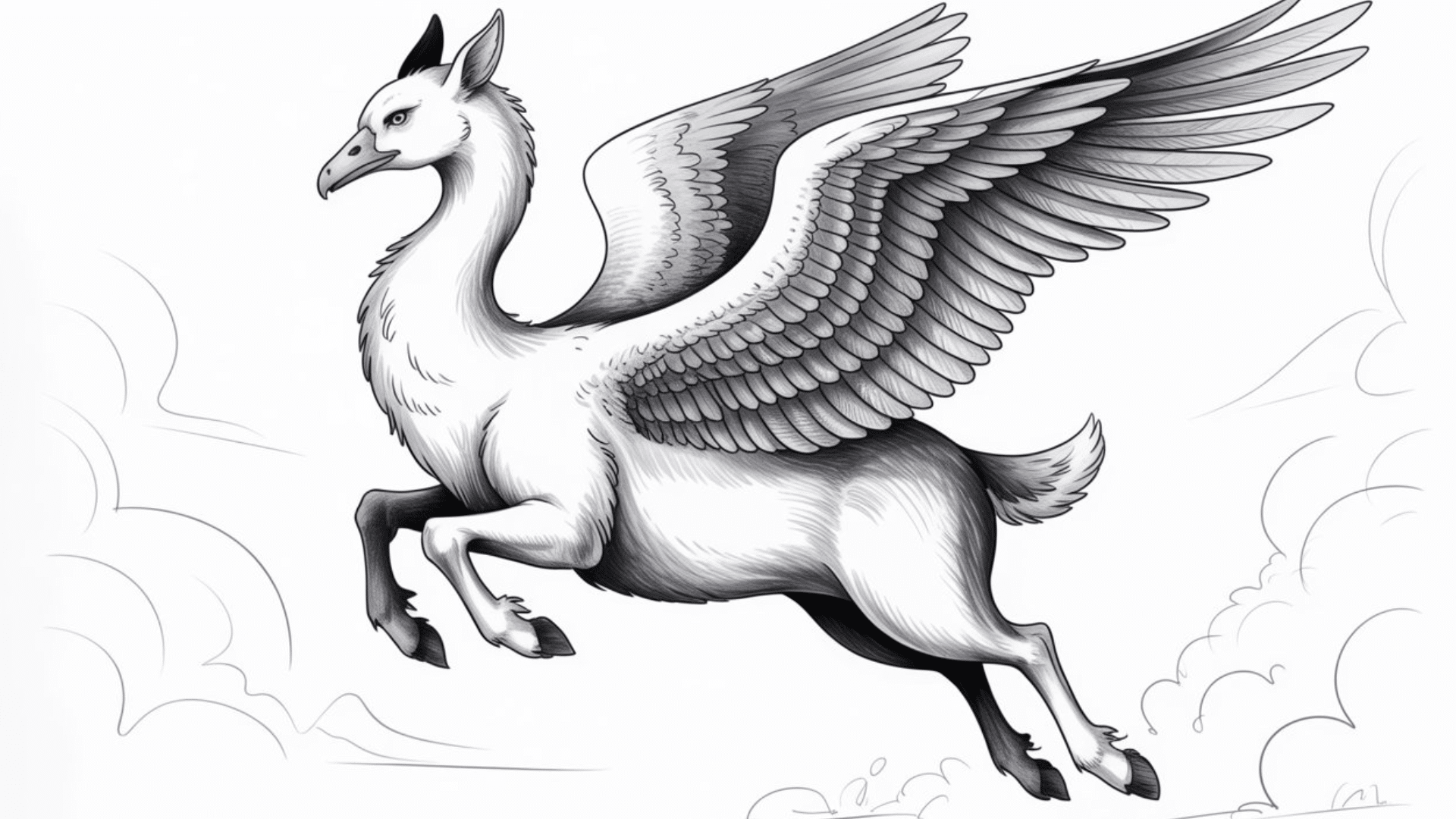
Combine features from different animals to create your own creature. Start with rough silhouettes, then add details like scales, feathers, or armor. Try different poses and expressions. Finish with clean line work or shading.
This project builds creativity, anatomy knowledge, and design thinking.
16. Negative Space Silhouette Drawing
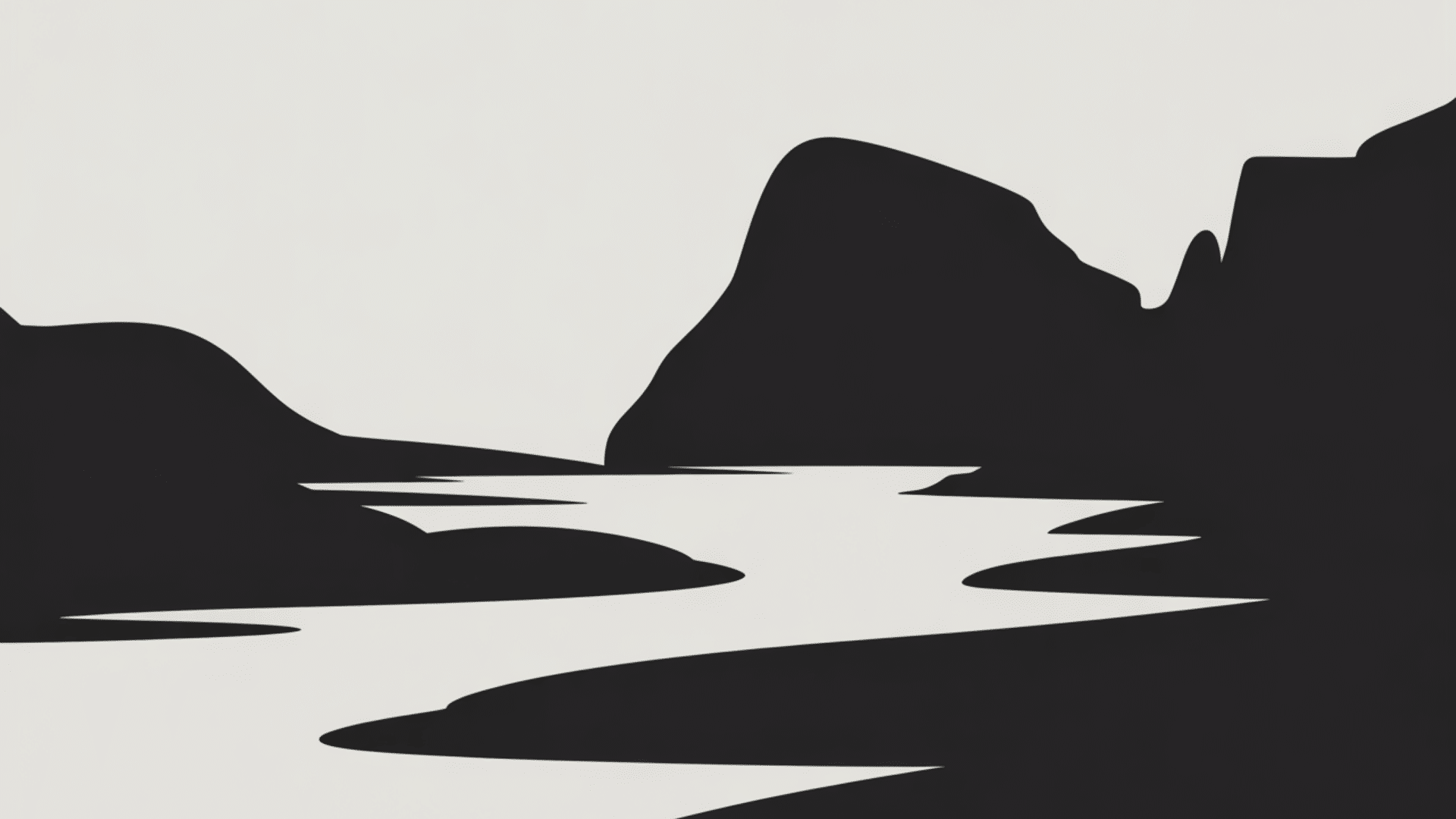
Pick a subject, like a person, tree, or object, and draw only the shapes around it instead of the object itself. Fill the negative space with shading or patterns.
This helps you understand shape relationships and improves your accuracy without relying on outlines.
17. Ink Line Drawing With Patterns
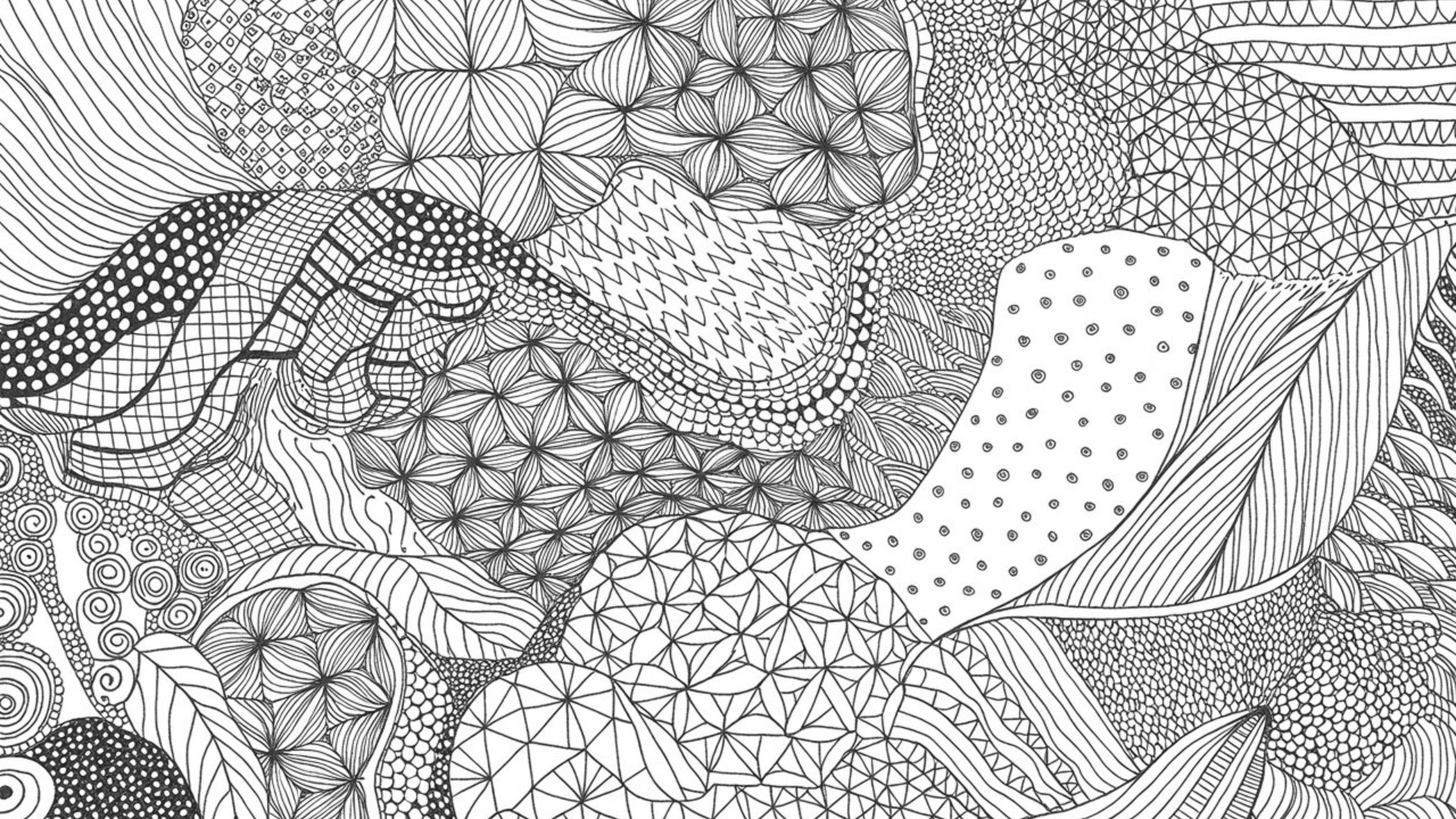
Use a fine-line pen to draw an object or scene using only lines and patterns. Add repeating shapes like waves, dots, zigzags, or spirals to create texture and interest.
You can fill areas with different patterns to separate sections. This project improves line confidence and your sense of rhythm in design.
18. Animal Motion Study
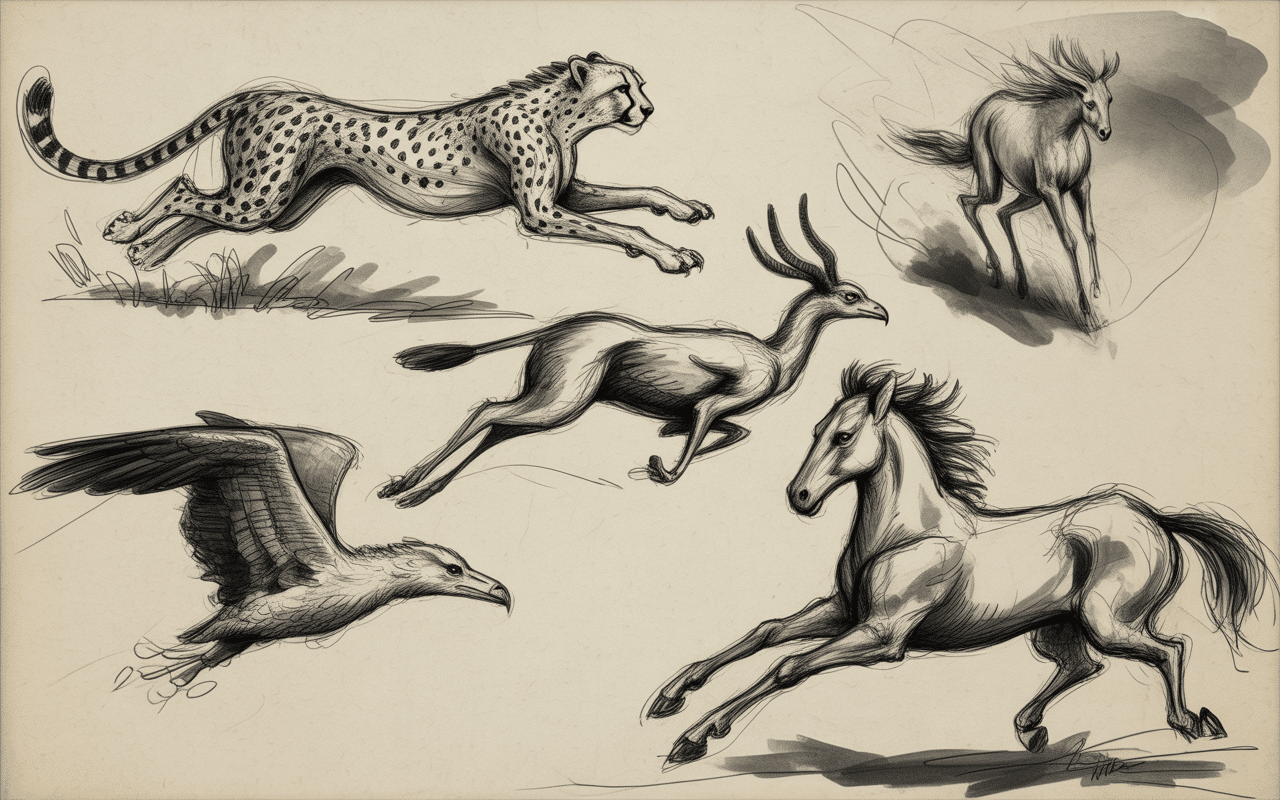
Choose 4–6 photos of the same animal in different positions – like running, jumping, or stretching. Draw quick sketches of each pose.
Don’t worry about perfect detail; focus on capturing energy and movement. This helps you loosen up and understand gesture, weight, and flow.
19. Shaded Fruit Bowl Composition
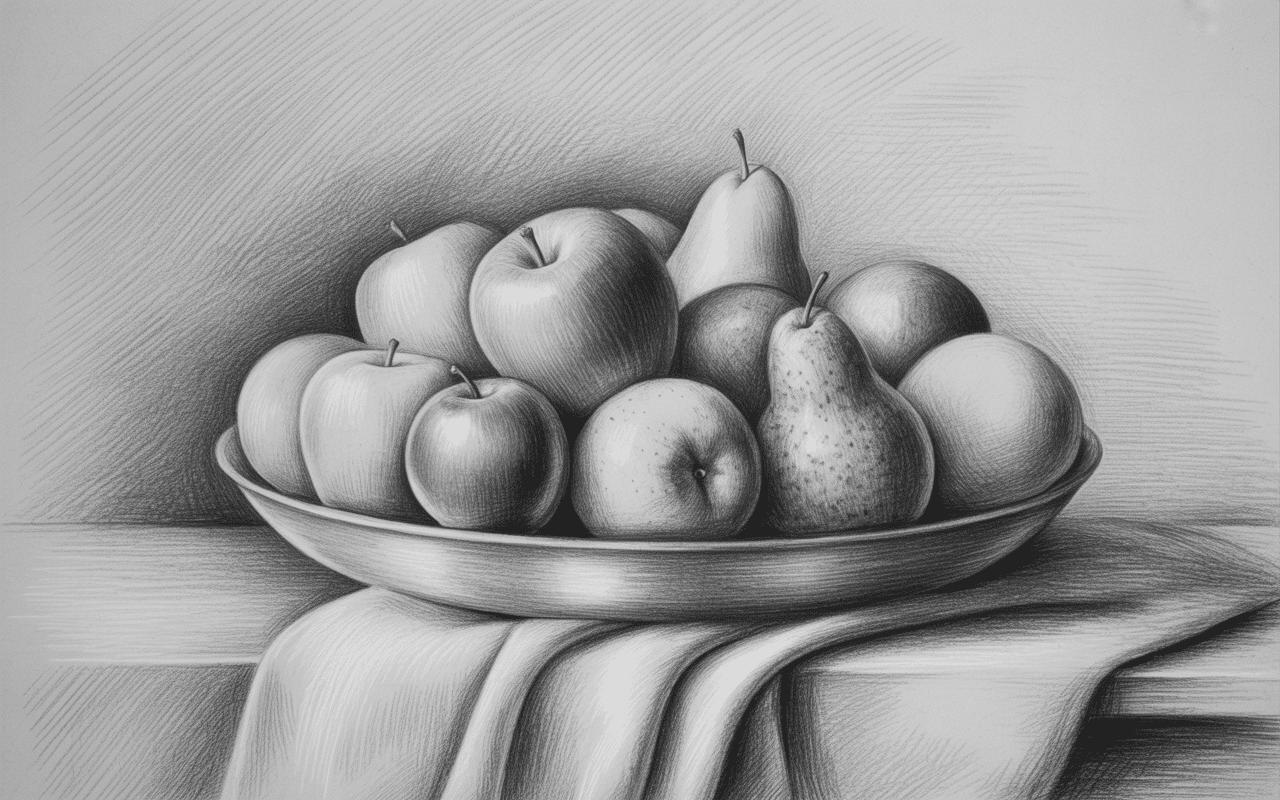
Arrange a few fruits in a bowl and place a light source nearby. Sketch the basic shapes, then shade gently to show roundness and light direction.
Add textures like apple shine or orange peel. This project improves your ability to handle form, value, and still-life composition.
20. Stylized Portrait Using Shapes
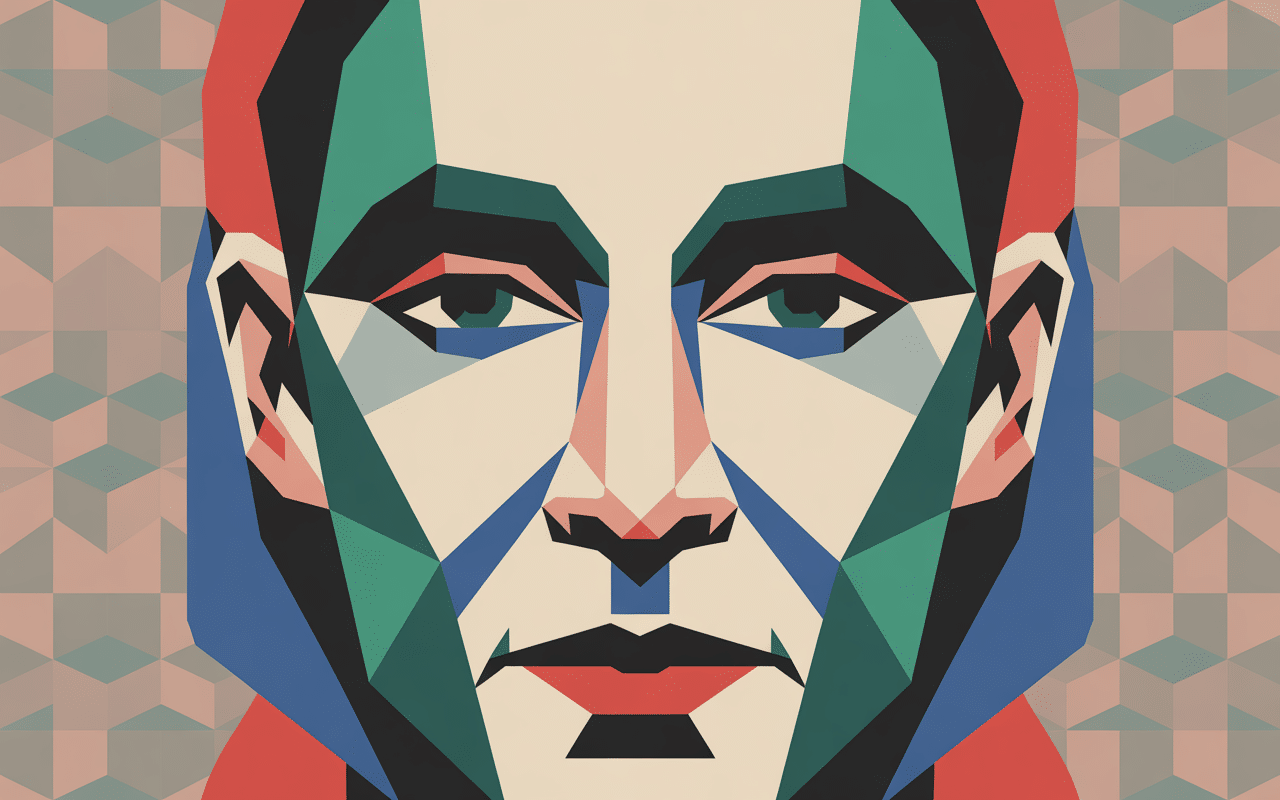
Redraw a portrait using simplified shapes like triangles, circles, rectangles, and smooth curves to build the main features. Focus on creative stylization instead of trying to match realistic proportions.
Play with exaggerated sizes or placements to give the portrait personality and charm. Add bold lines, graphic outlines, or strong shading in key areas to make the shapes stand out and guide the viewer’s eye.
Mixed Media and Collage Art Project Ideas
These projects are perfect for artists who enjoy experimenting and want to create something bold and expressive.
21. Layered Paper Collage Landscape
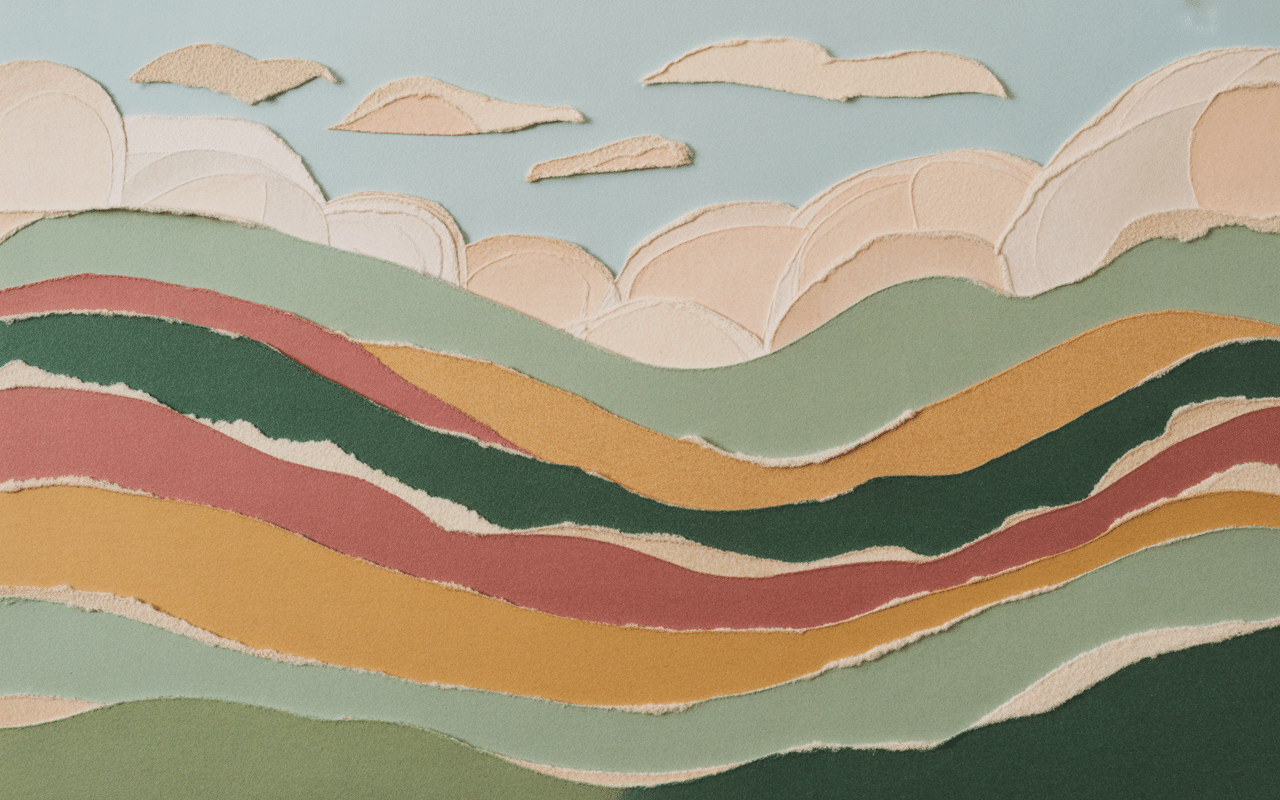
Cut shapes from magazines, colored paper, or painted sheets to build a layered landscape. Start with the sky and background hills, then add trees, buildings, or water in the foreground.
Glue each layer carefully to create depth. Finish with a pen or paint details on top. This project helps you understand composition and layering while practicing color and texture.
22. Mixed Media Self-Reflection Board
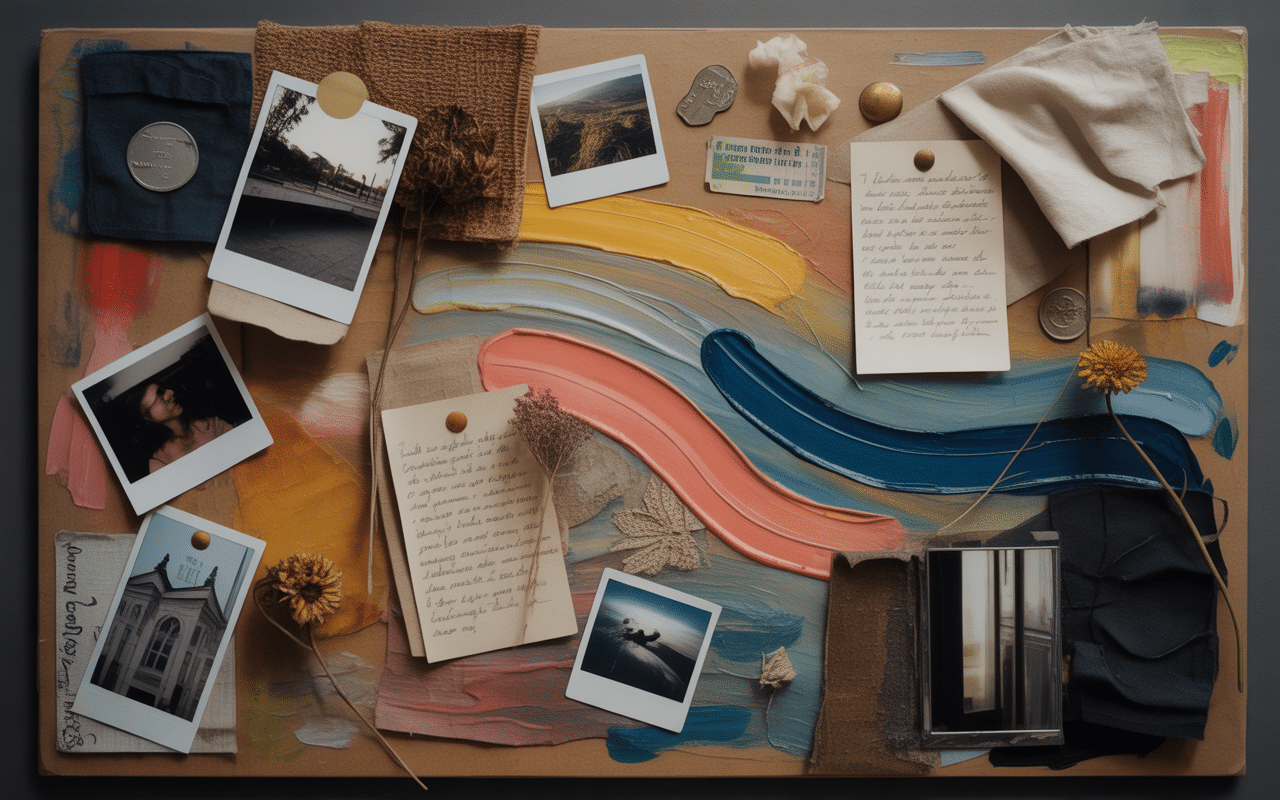
Create a board that represents your thoughts, personality, or goals. Use printed photos, quotes, paint, fabric scraps, and textured papers.
Arrange them loosely first, then glue everything down and add final touches with markers or acrylics. This project helps you with personal storytelling and emotional expression through mixed elements.
23. Fabric and Paint Texture Canvas
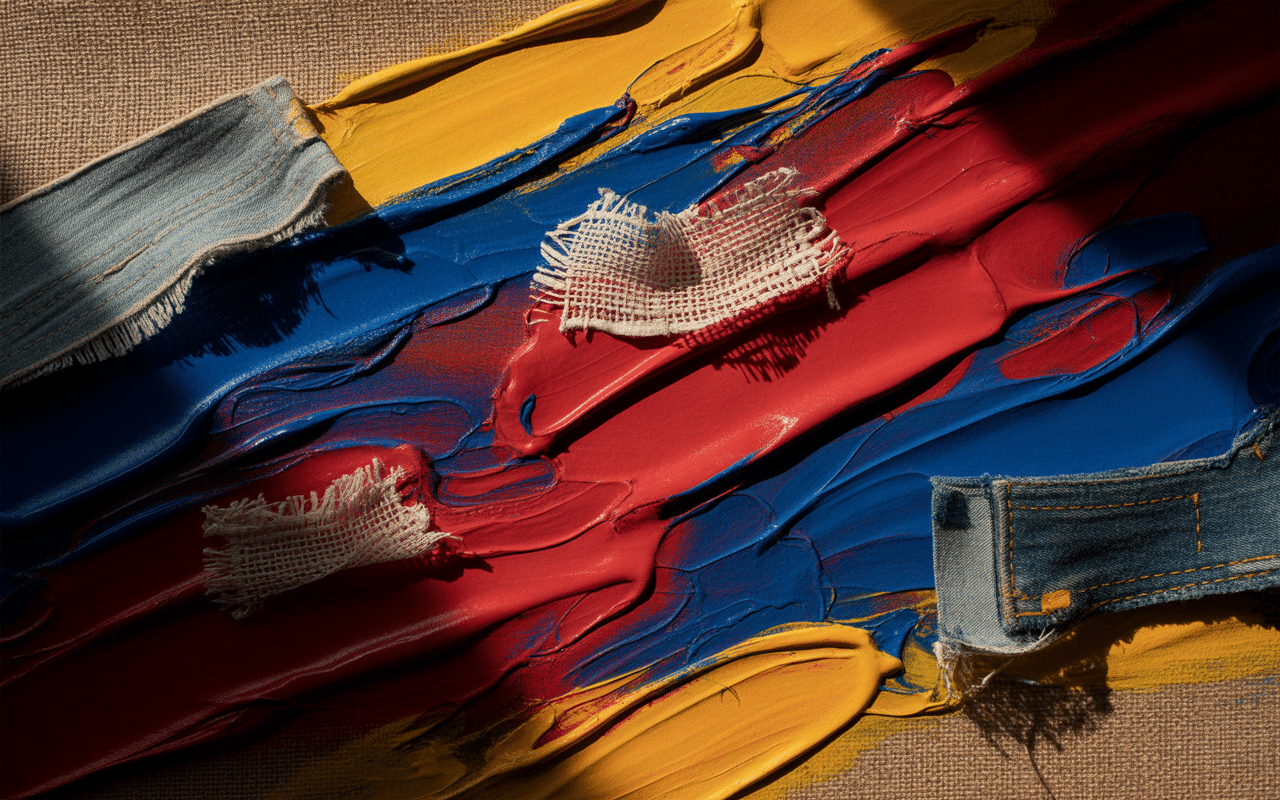
Choose a plain canvas and glue pieces of fabric, lace, or burlap to create raised textures. Once dry, paint over everything with acrylics, focusing on shadows and highlights that emphasize the surface.
Add metallic paint or dry brushing for extra dimension. This project teaches layering, texture handling, and creative surface building.
24. Magazine Mashup Portrait
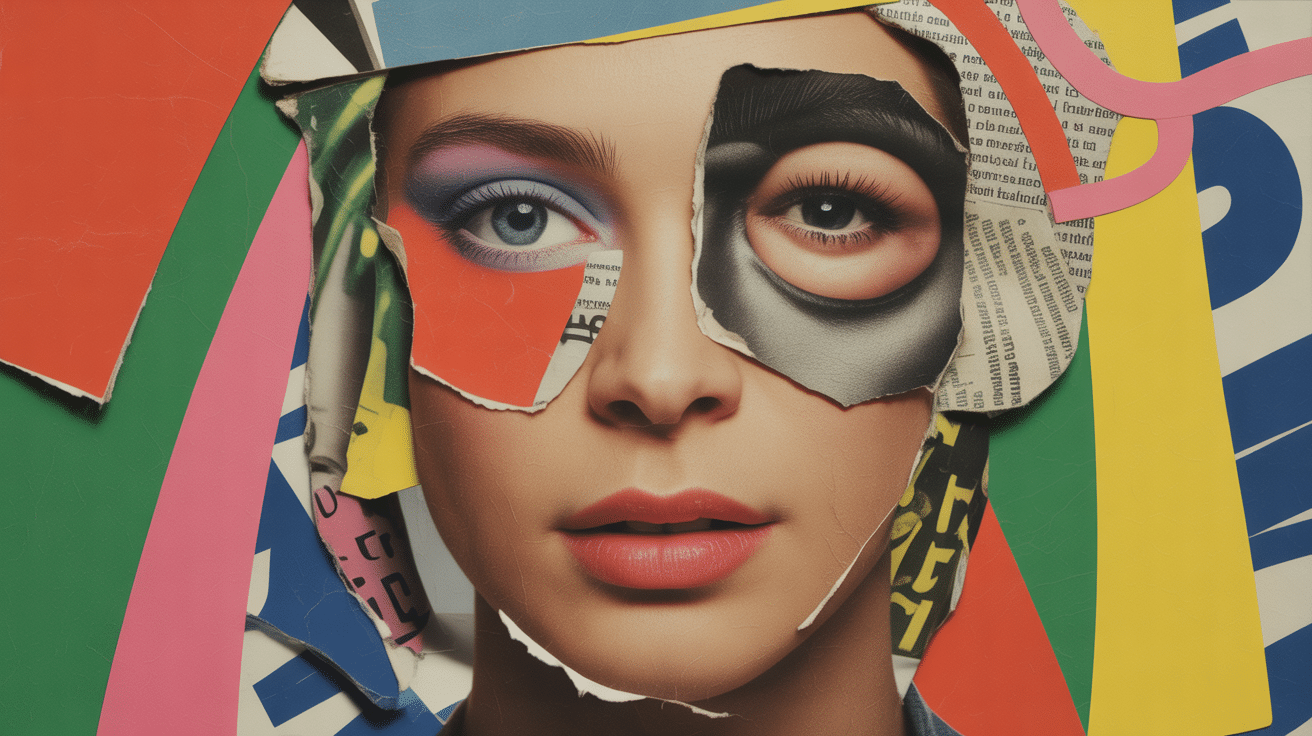
Tear out pieces of eyes, lips, textures, and patterns from magazines and combine them to form a surreal portrait. Start with a pencil sketch to guide placement, then arrange your cutouts to create a unique face.
Add marker lines or paint accents to tie everything together. This helps you learn about abstract portraiture and visual experimentation.
25. Watercolor and Ink Garden Scene
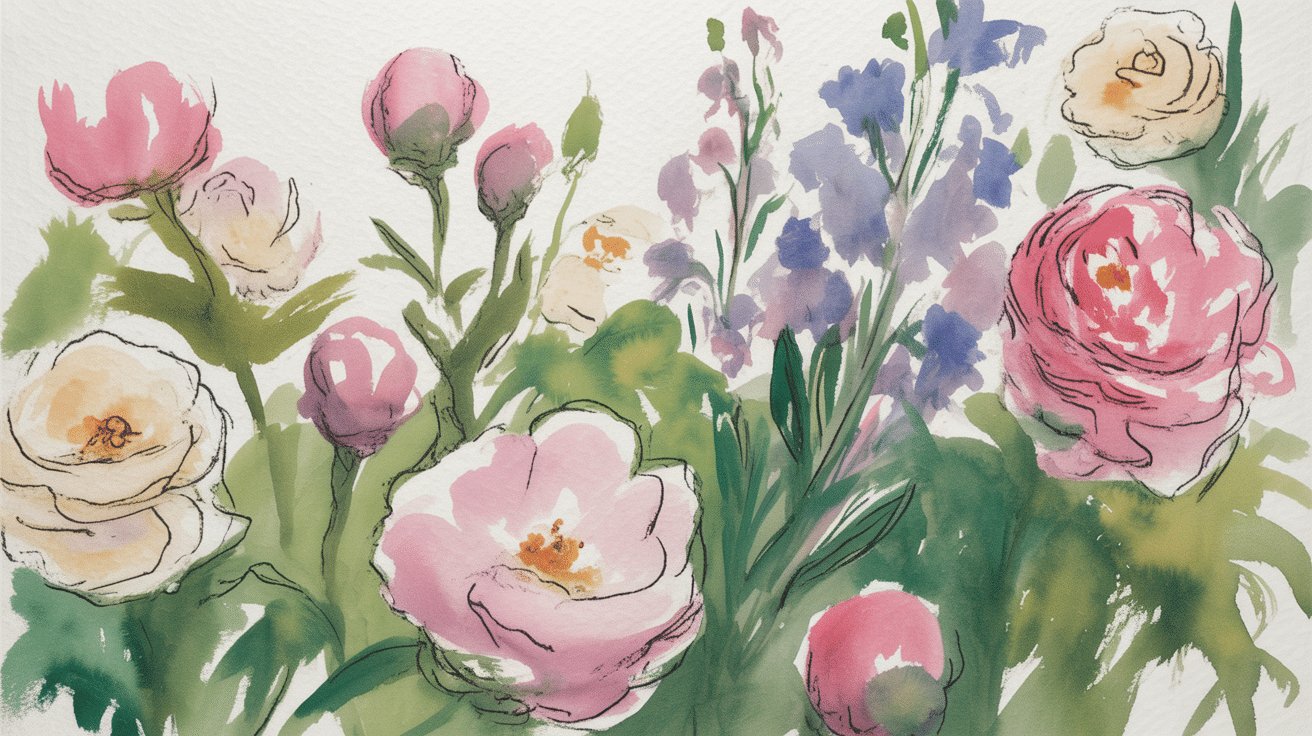
Paint loose flowers and leaves using soft watercolor washes. Once dry, outline and add details using a fine-tip black pen. Mix thin lines with bold strokes to create contrast.
This project helps you blend organic watercolor softness with the structure of ink drawing.
26. Collaged Story Panels
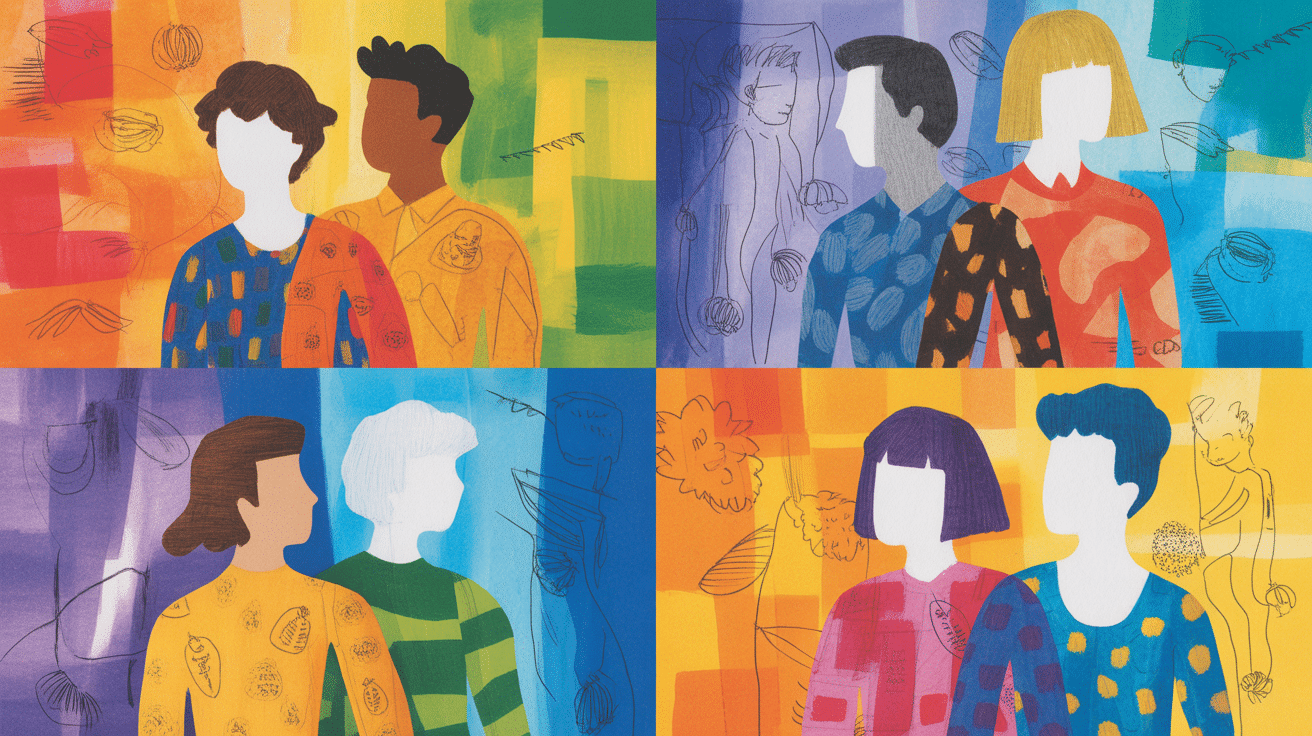
Create a 3–4 panel story using cut paper, photos, paint, and pen work. Each panel should show a part of the narrative.
Start with simple backgrounds, then layer characters, objects, or symbols. Add text or doodles for extra personality. This improves visual storytelling and layout planning.
27. Texture Rubbing and Layering Art Page
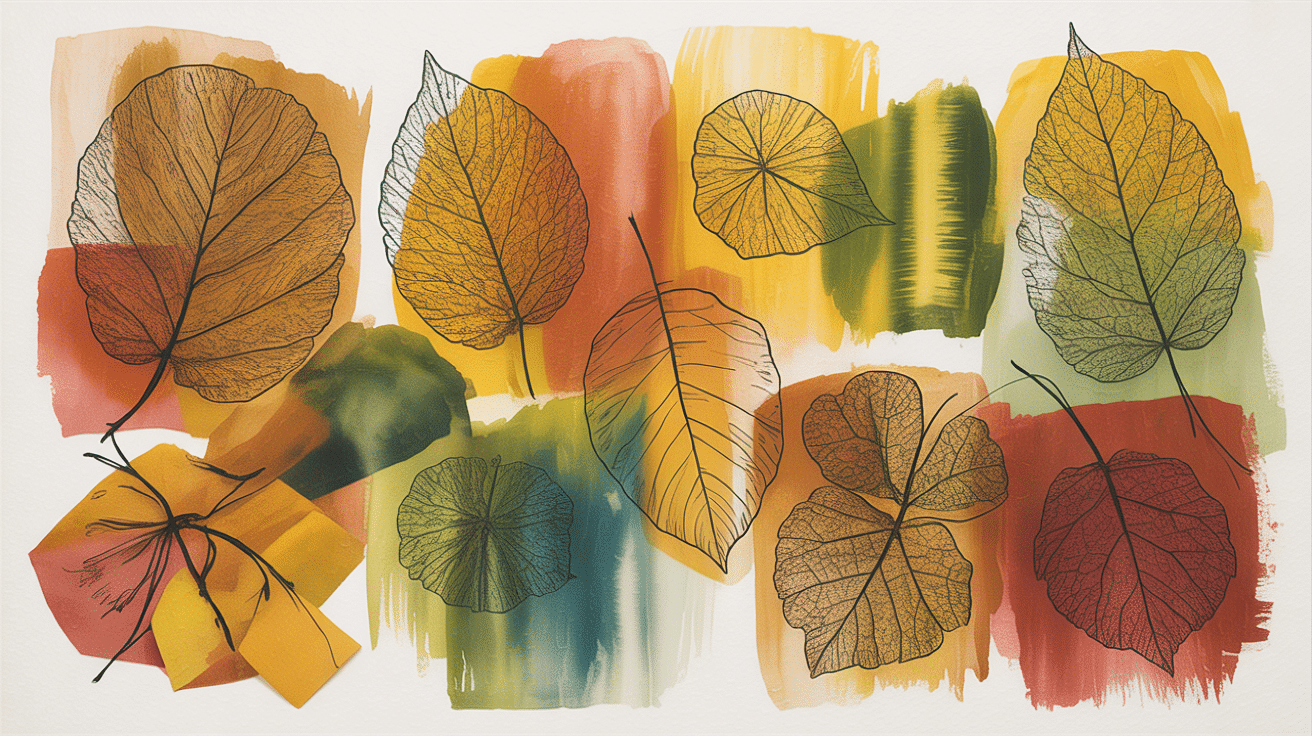
Collect textured items like leaves, coins, fabric, or shells. Place paper over them and rub with crayons or graphite to capture the pattern.
Cut and layer these patterns into a larger artwork. Add watercolor or ink to bring everything together. This helps you appreciate texture and creative assembly.
28. Painted Paper Collage Animals
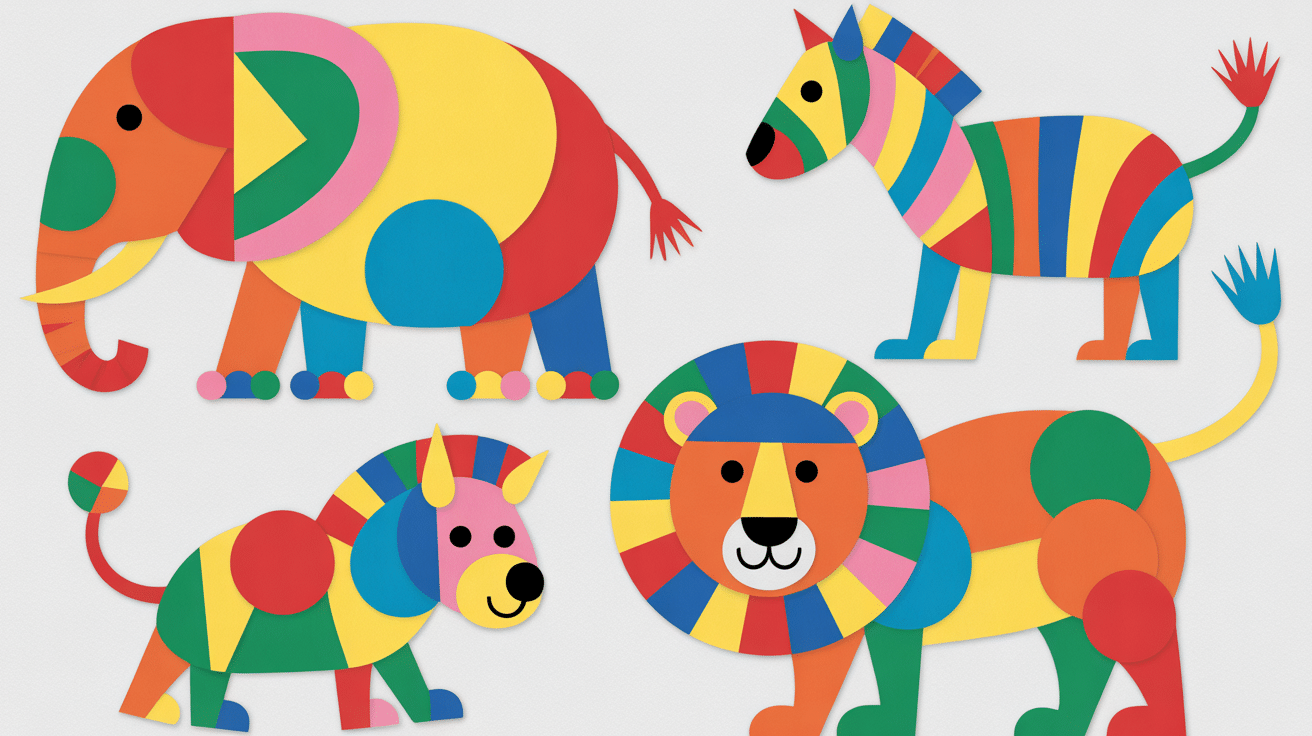
Paint several sheets of paper with bold colors, textures, and brushstrokes. Once dry, cut shapes to create animals like birds, cats, or fish. Assemble the pieces like a puzzle, then glue them onto a clean background.
This project strengthens shape recognition, design, and planning.
29. Mixed Media Mood Board
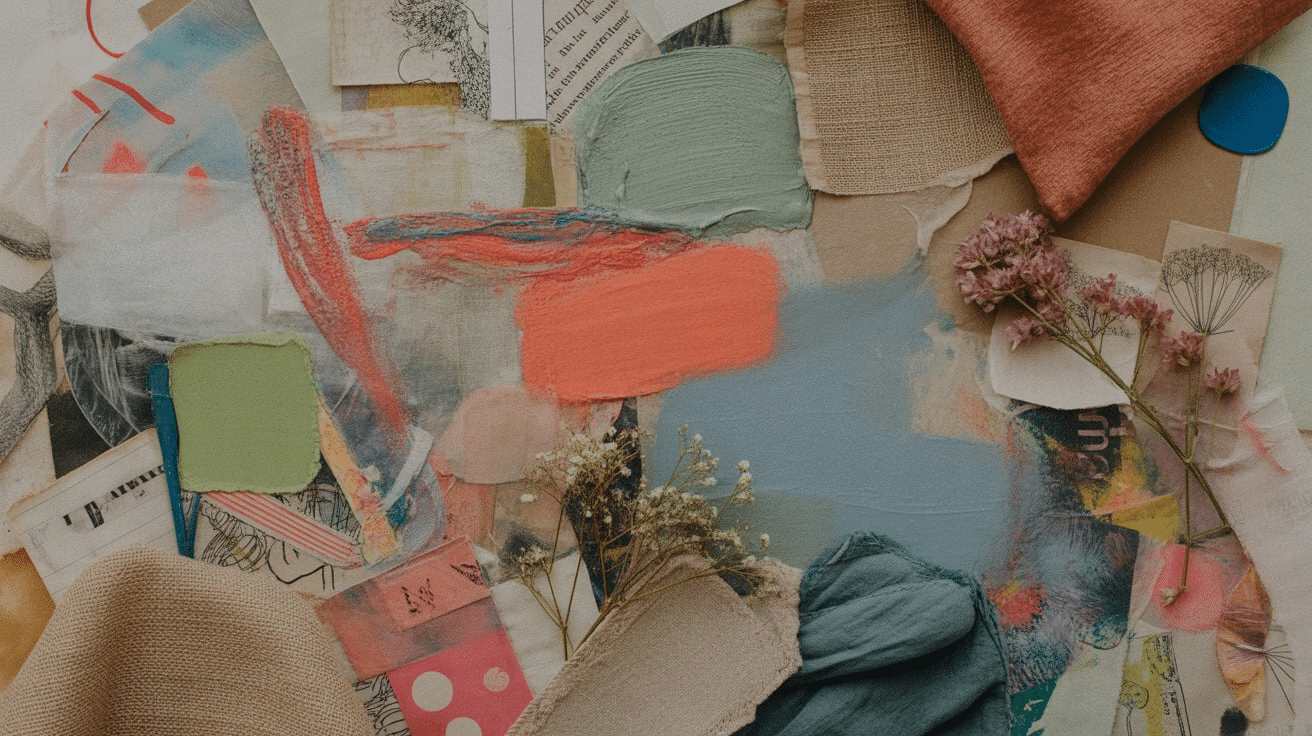
Pick a mood – calm, chaos, joy, mystery – and create a board with colors, textures, drawings, and clipped images that express it.
Use paint washes, charcoal marks, fabric swatches, and cut shapes. Let the board feel expressive and instinctive. This project helps you understand visual mood and emotional direction.
30. Recycled Materials Art Sculpture Panel
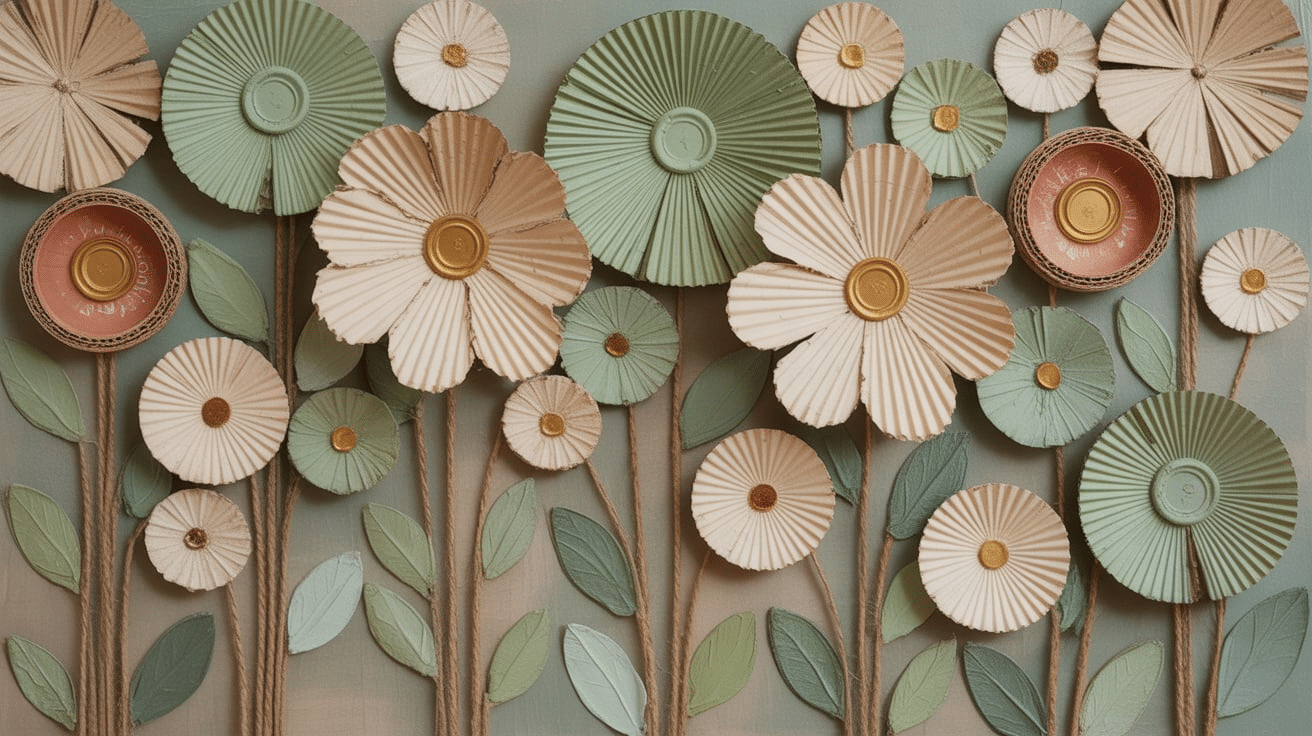
Use cardboard, bottle caps, string, old packaging, and scraps to build a textured panel. Glue pieces onto a base, paint over everything with acrylics, and add metallic accents for interest.
This teaches resourceful creativity, texture building, and depth through recycled materials.
3D and Sculpture Art Project Ideas
These hands-on projects let you build, shape, and experiment with textured materials. They’re great for artists who want to work beyond the flat page and try something more dimensional.
31. Clay Character Bust
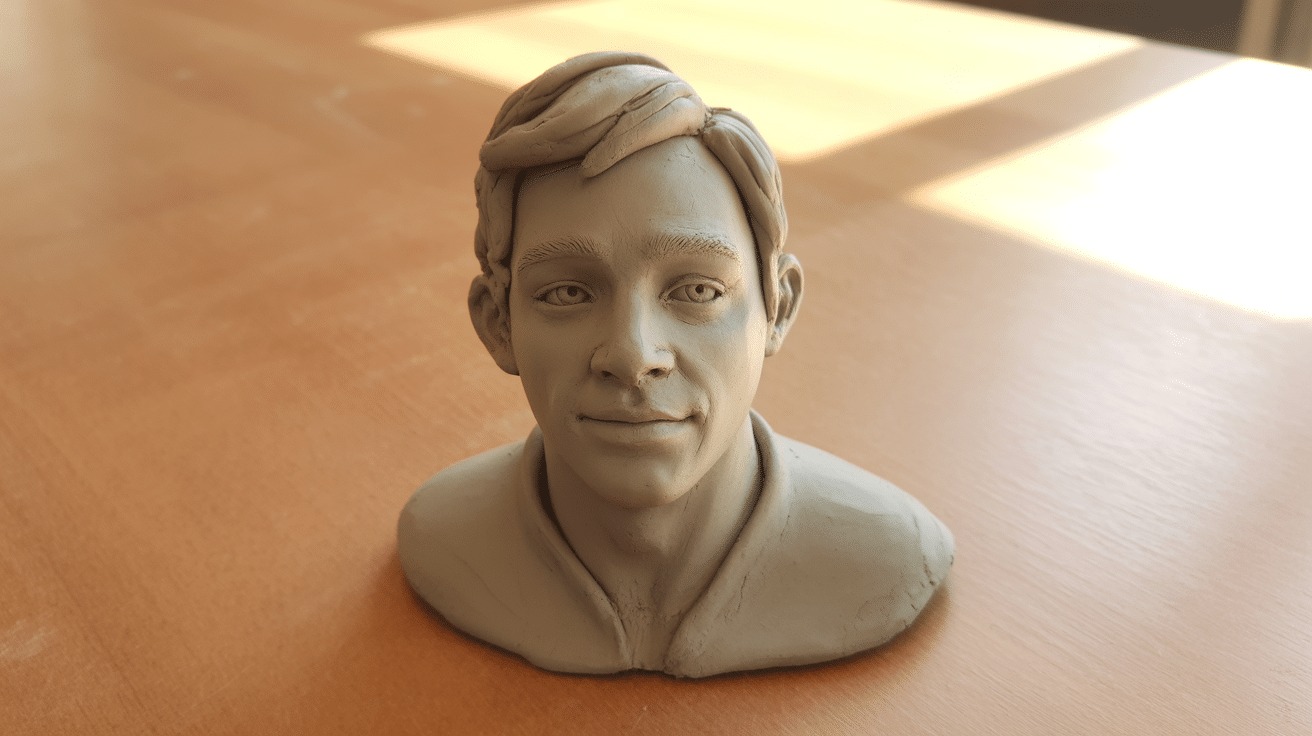
Use air-dry clay to sculpt a small bust of a character; real or imagined. Start by shaping a simple base for the neck and head, then slowly add the nose, eyes, and hair.
Keep the details soft at first, then refine them as the clay firms up. Add texture with toothpicks or sculpting tools. This project helps you practice form, anatomy, and patience.
32. Cardboard Layered Animal Sculpture
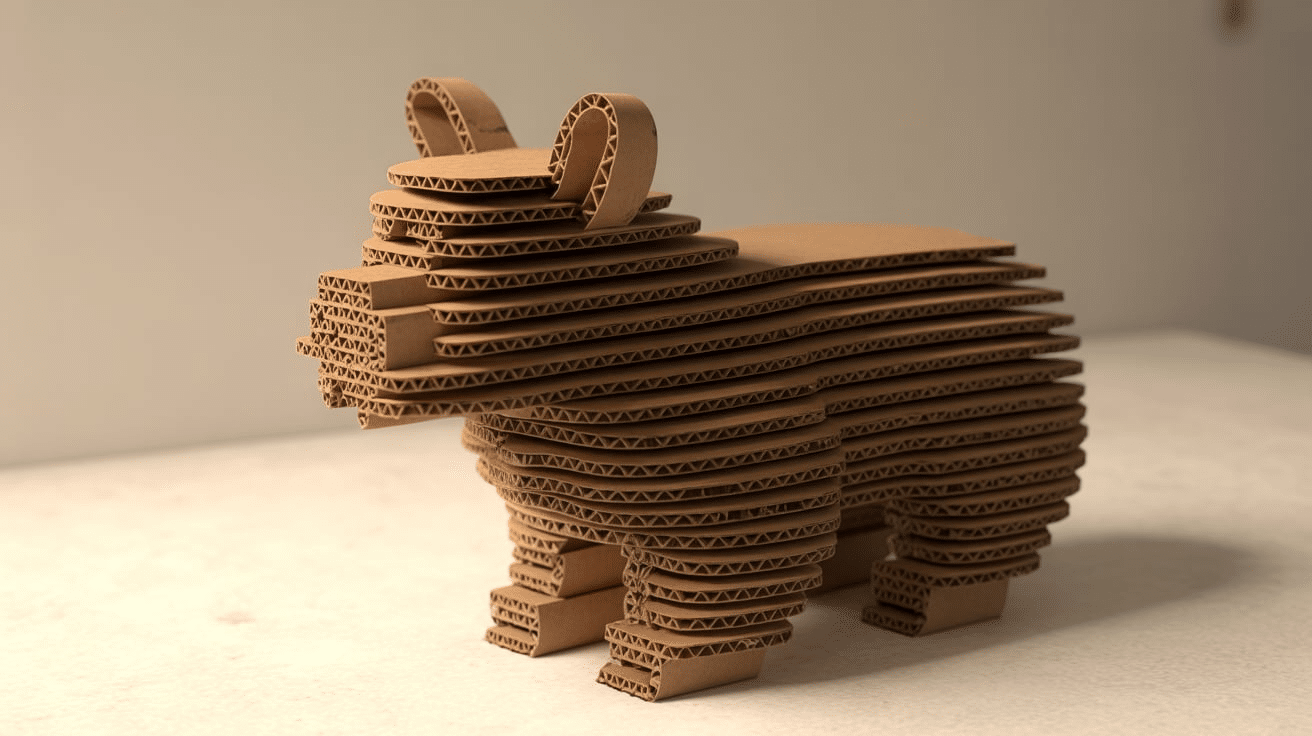
Draw the side view of an animal on cardboard, cut several layers of the same shape, and glue them together to build thickness.
Add facial features, fur lines, or patterns with paint or markers. Finish by attaching a stand. This project teaches you how to think in layers and turn flat shapes into 3D forms.
33. Wire Gesture Sculpture
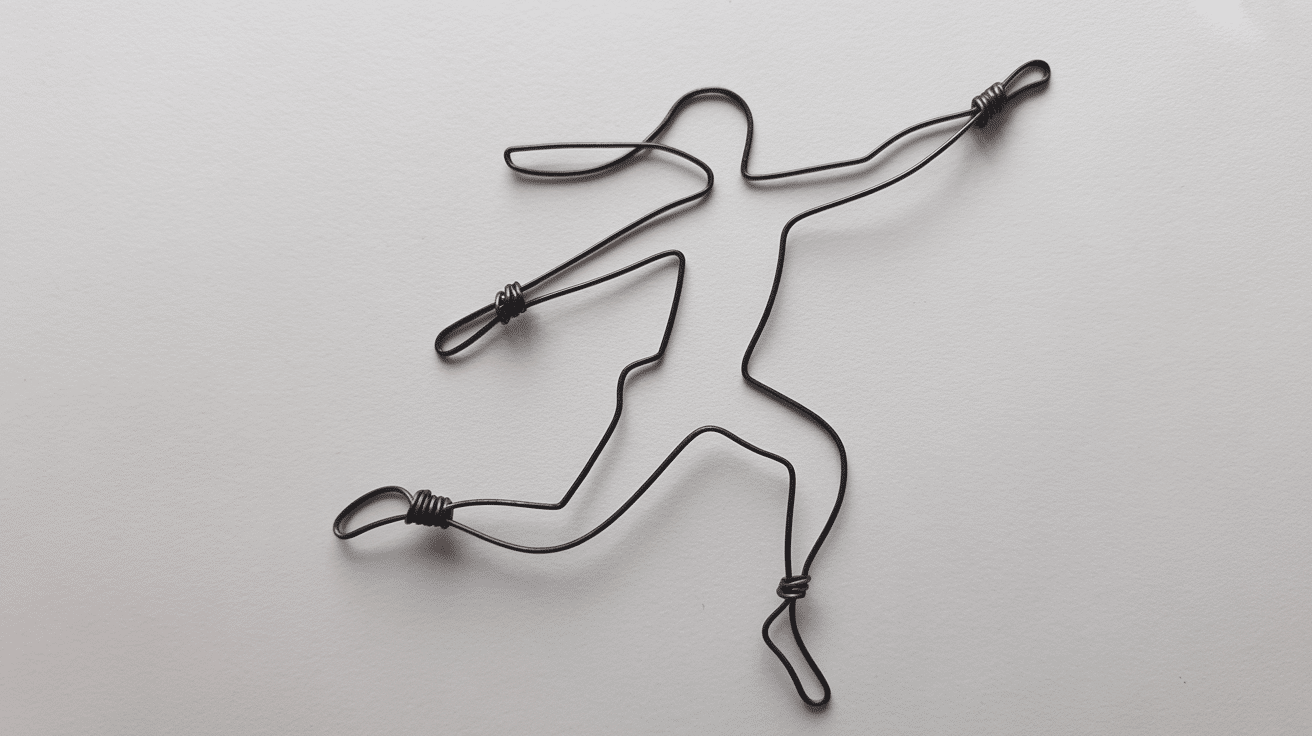
Use a thin wire to create a figure in motion – like dancing, stretching, or running. Start with a quick gesture sketch, then bend the wire to follow the flow of the pose. Wrap extra wire around key areas for strength.
This helps you understand movement, proportion, and rhythm.
34. Paper Mache Mask Design
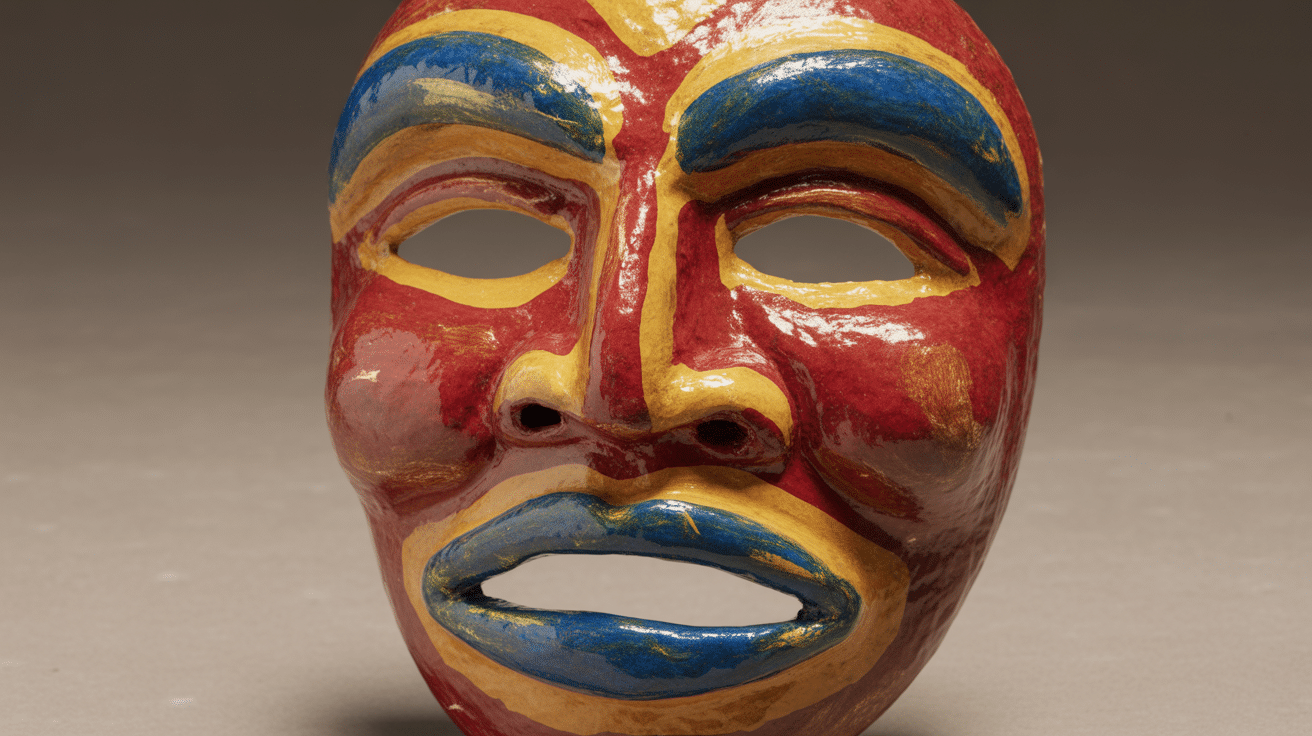
Create a mask using papier-mache over a balloon or plastic mold. Build a few layers until sturdy, then let it dry and paint it using bold colors and patterns. Add details like feathers, yarn, or beads.
This project helps you learn culture, expression, and sculptural design.
35. Mini Architecture Model
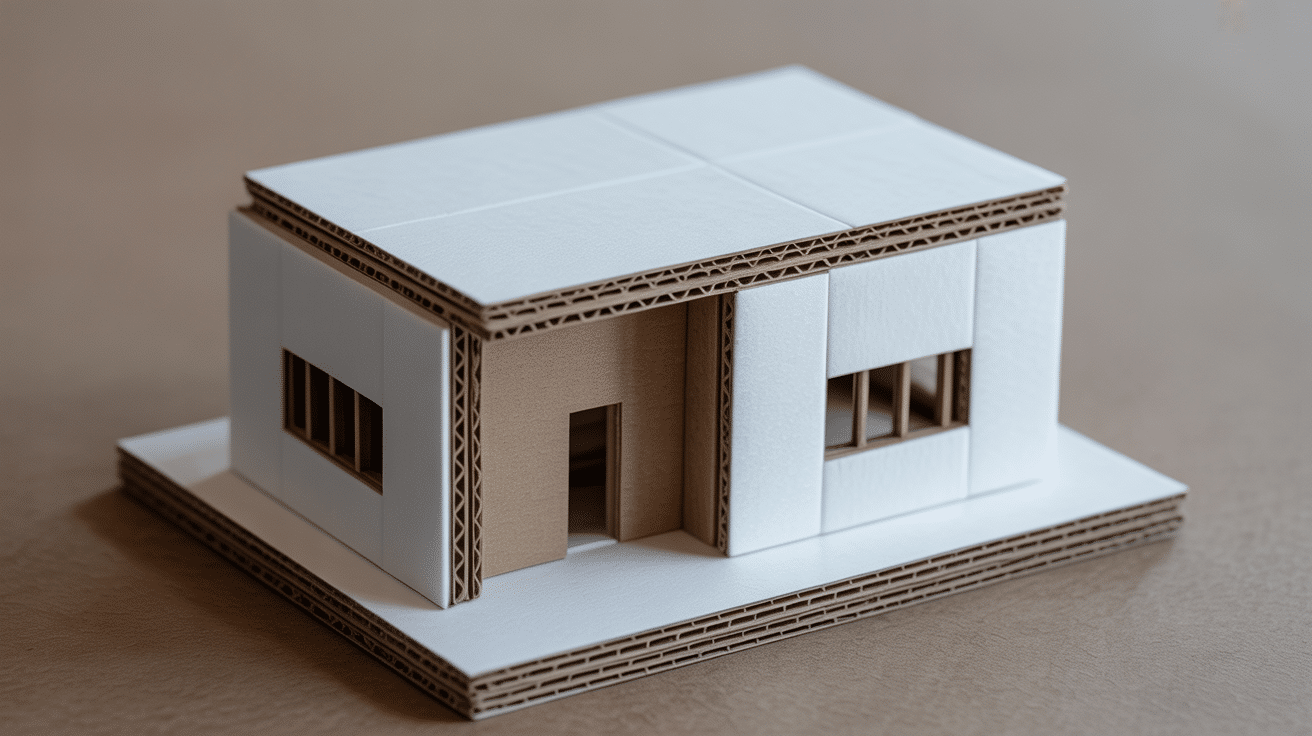
Use foam board, cardboard, or thick paper to design a small room or tiny building. Cut clean shapes for walls and windows, then glue them together.
Add details like flooring lines, plants, or furniture using paper scraps. This strengthens your planning, structure, and spatial thinking.
36. Polymer Clay Food Charms
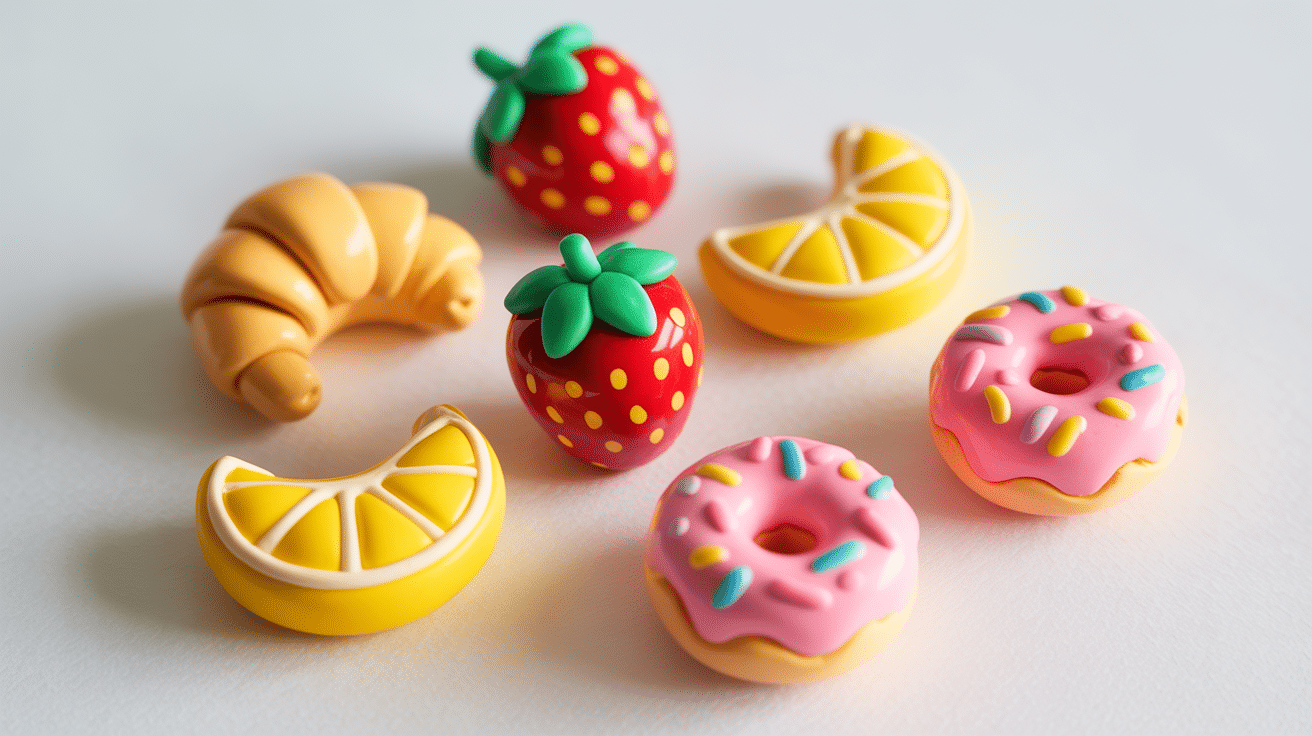
Shape small foods like fruit, pastries, or snacks using polymer clay. Add textures with a needle tool, then bake them according to the package instructions. Finish with gloss for shine.
This teaches fine motor skills, color mixing, and small-scale detailing.
37. Nature Sculpture Using Found Objects
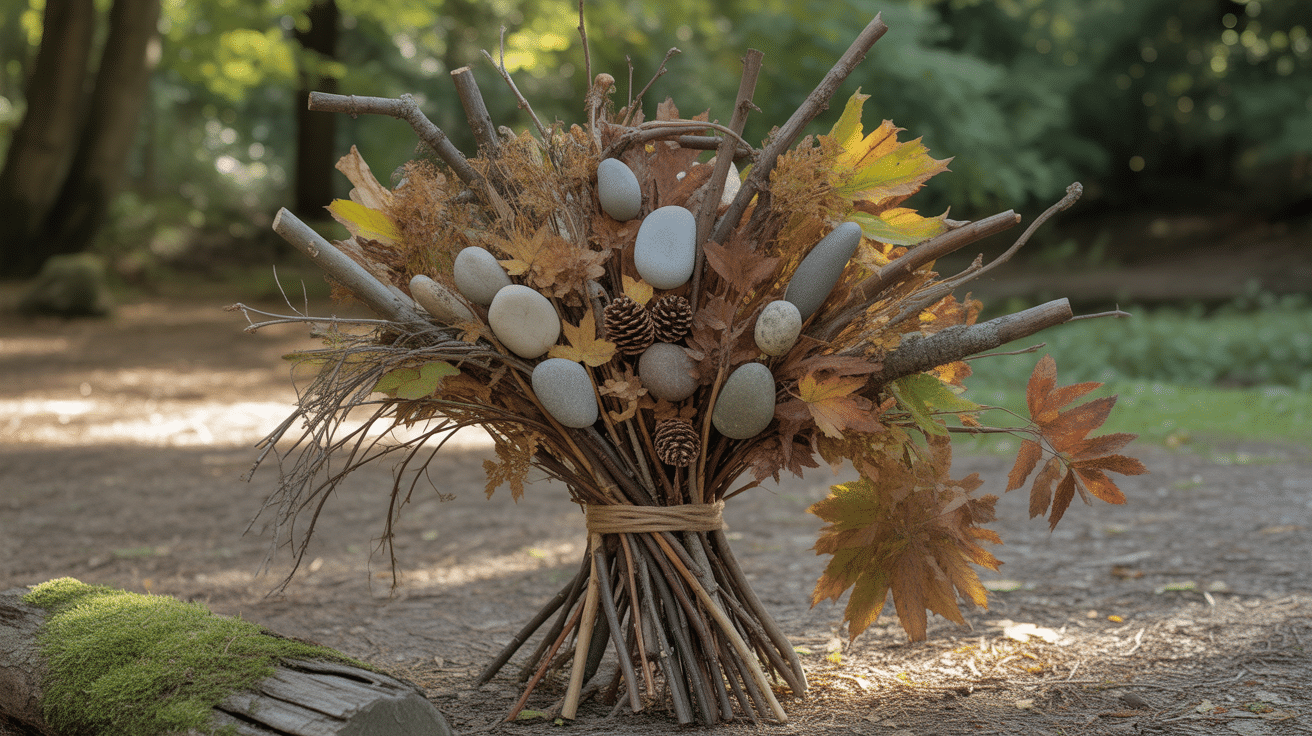
Collect sticks, stones, leaves, or shells and assemble them into a balanced sculpture. Use glue, string, or wire to hold pieces together. Try arranging items by size or shape to make patterns.
This project improves composition, balance, and creative problem-solving.
38. Fabric Stuffed Creature Design
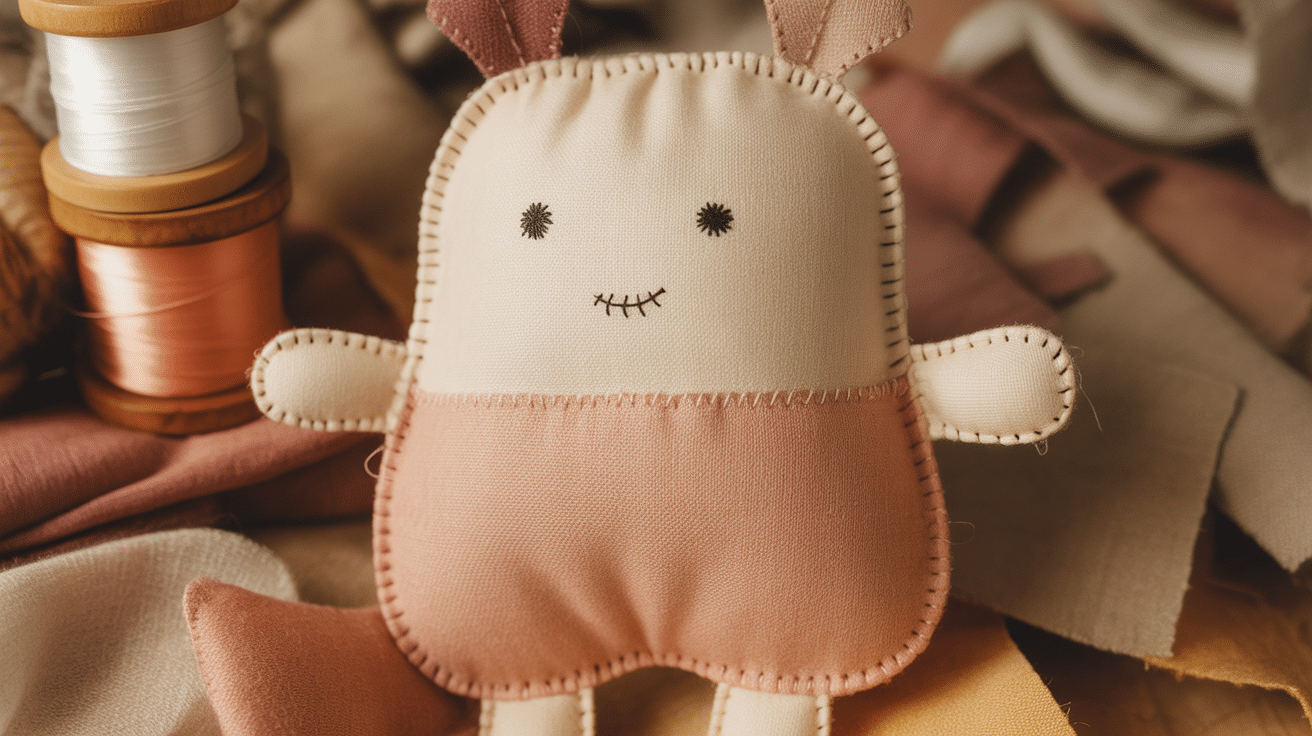
Draw a simple creature outline on paper, then trace and cut out two matching fabric pieces. Place the pieces together and sew around the edges, leaving a small opening so you can stuff the creature with cotton or soft filling.
Once it’s plump and shaped, sew the opening closed to finish the body. Add button eyes, stitched mouths, or small fabric details to give it personality and charm.
39. Plaster Wrap Hand Sculpture
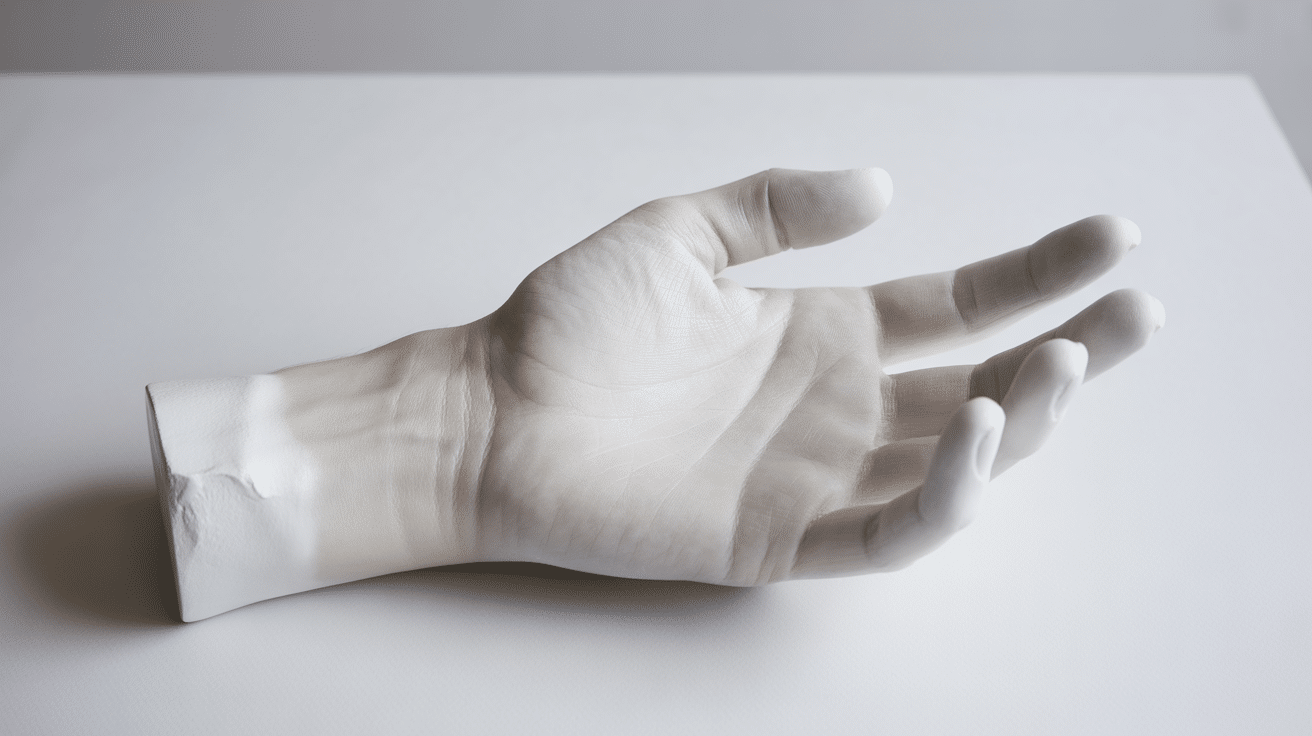
Wrap your hand in plastic for safety, then layer plaster strips around it to create a hollow hand form. Make sure the strips overlap so the sculpture becomes strong and keeps its shape.
Once the plaster dries completely, gently slide your hand out and smooth any rough edges. Paint the finished form with patterns, metallic colors, or bold designs to give it personality.
40. Egg Carton Relief Artwork
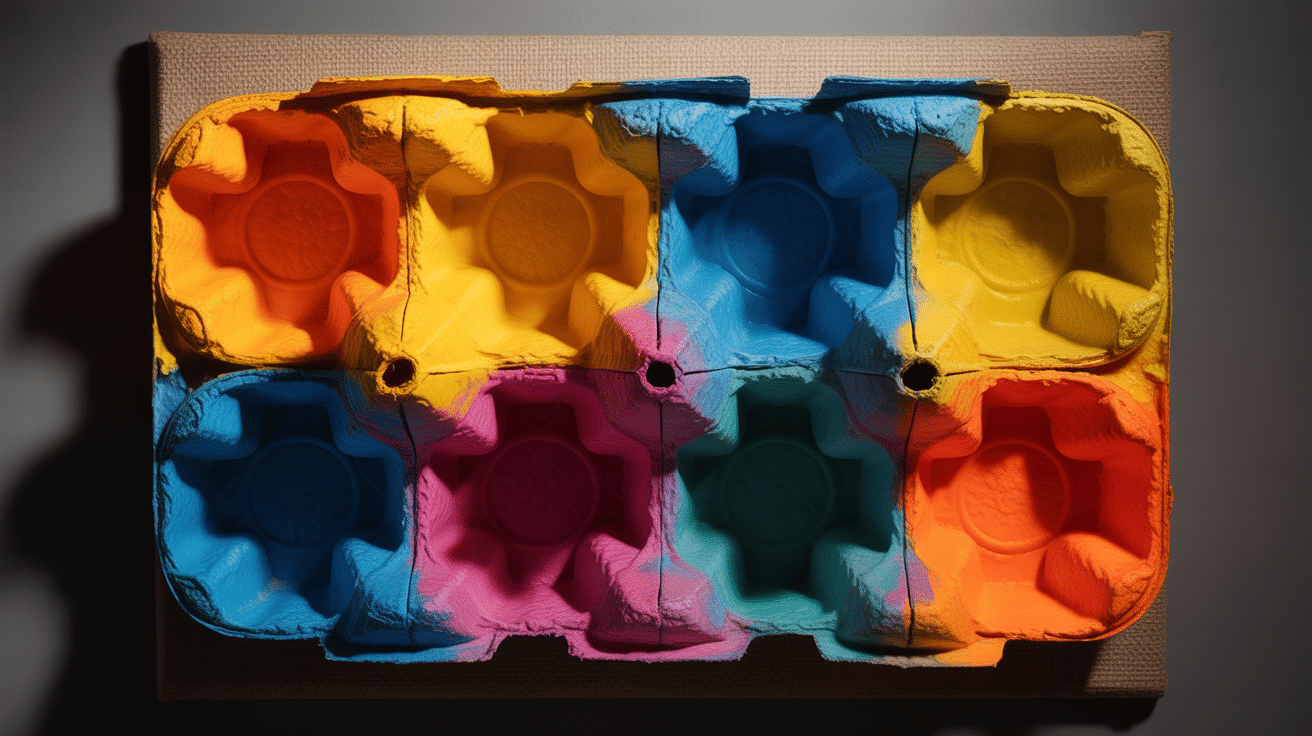
Cut shapes from egg carton sections and glue them onto a sturdy board to form a raised design – like flowers, animals, or abstract patterns.
Paint over everything with acrylics to unify the surface. This helps you practice relief sculpture, layout planning, and recycling creativity.
Digital Art Project Ideas for Intermediate Creators
These digital projects help you practice composition, lighting, and design using layers, brushes, and color control. They’re perfect if you want to grow your skills using Procreate, Photoshop, or any drawing app.
41. Digital Environment Sketch With Atmospheric Light
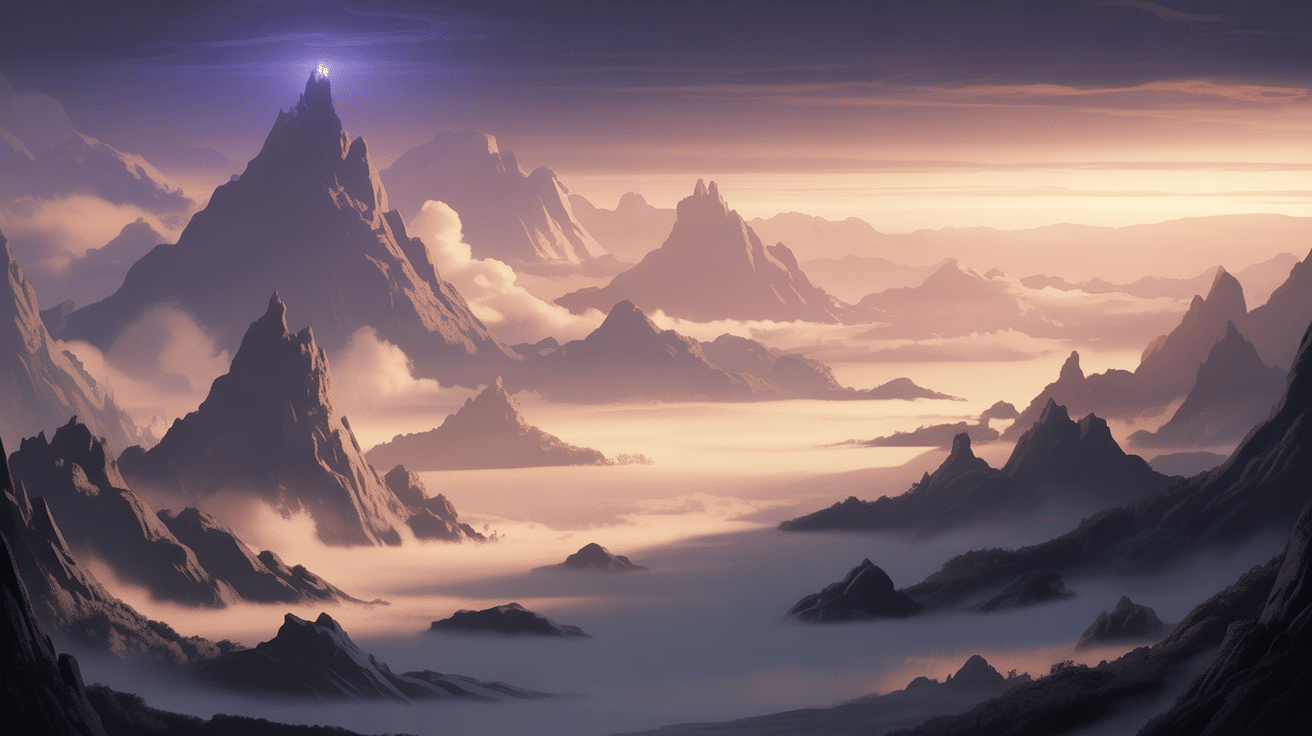
Start with simple shapes to block in mountains, buildings, or trees. Add light by painting soft gradients behind your main subjects.
Build depth by using lighter colors in the background and darker tones in the foreground. Add texture with custom brushes and refine details last.
42. Character Expression Sheet
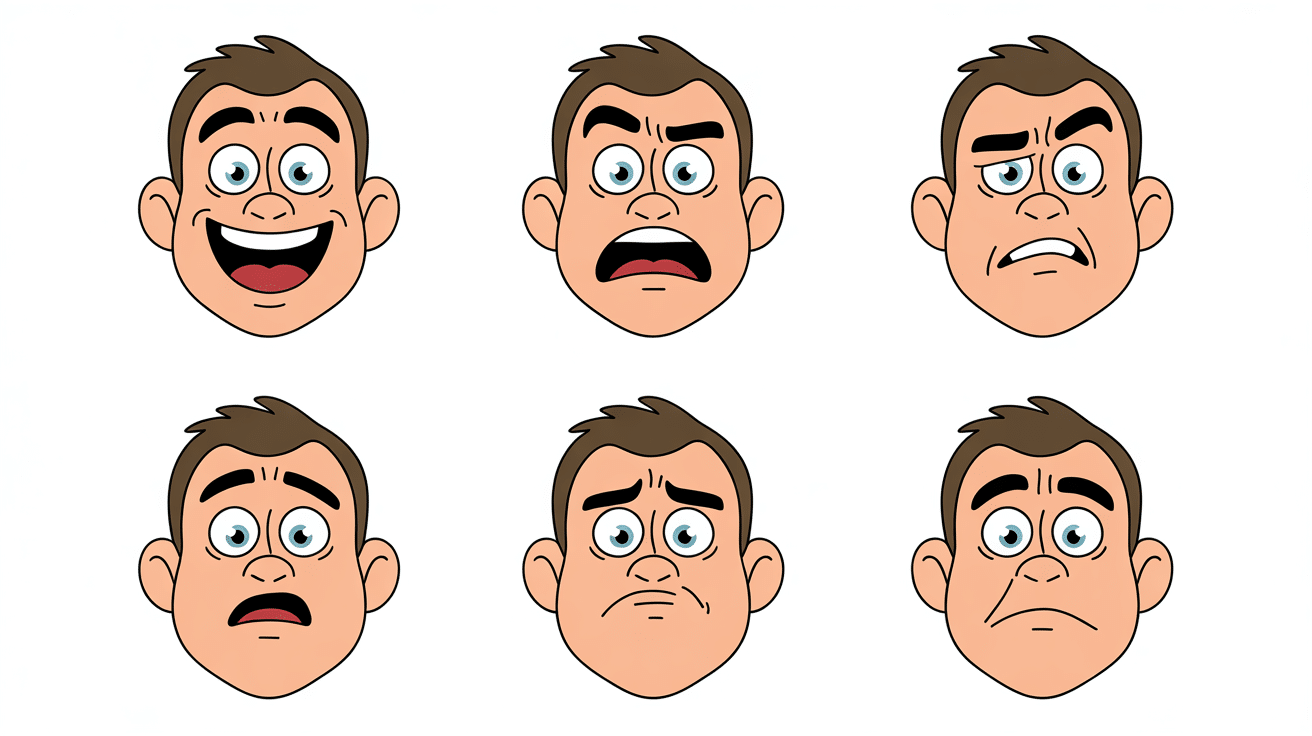
Choose a character and draw 6–8 different expressions – happy, confused, angry, surprised, tired, and more. Begin with rough sketches, then clean up the lines and add flat colors. Add shadows to show form and mood.
This project builds your storytelling skills, facial anatomy knowledge, and consistency.
43. Digital Collage Poster Design
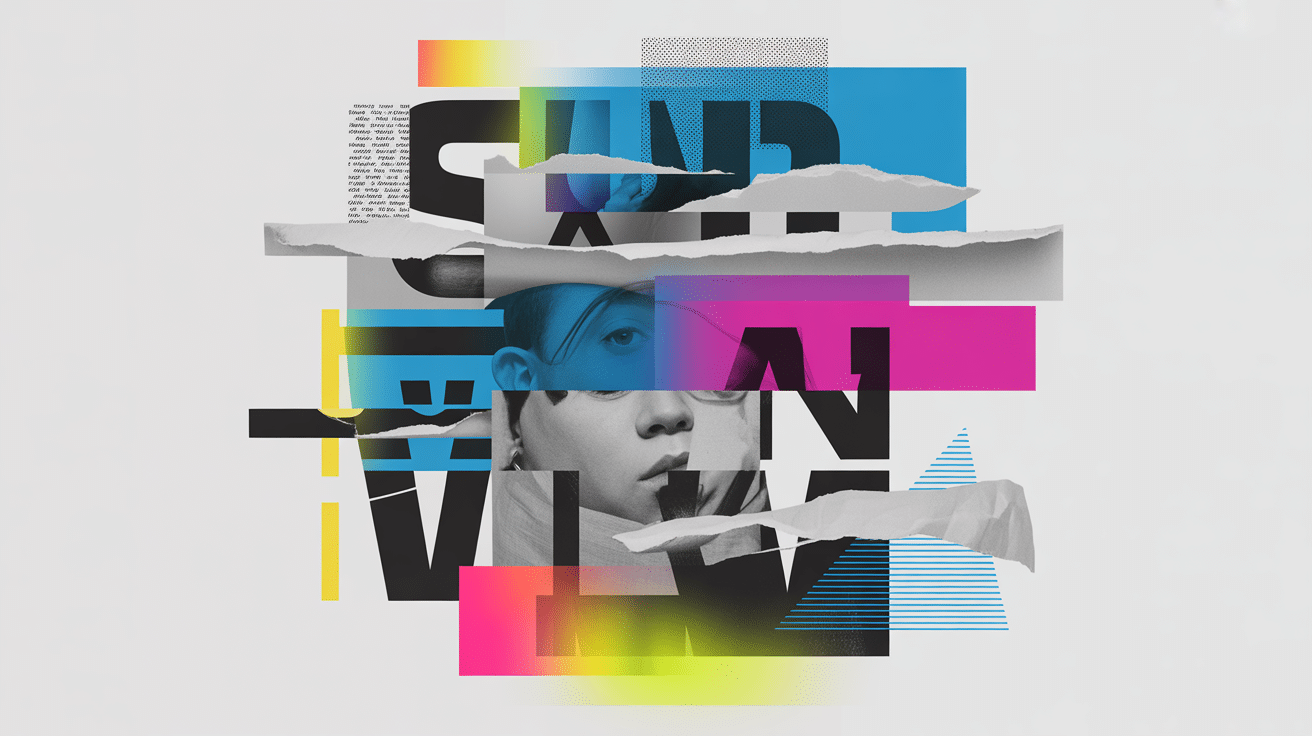
Combine photos, drawings, textures, and text to create a modern poster. Start with a main image, then add overlays, color gradients, and cutout shapes. Adjust blending modes to create unique effects.
This project teaches layout, color balance, and creative experimentation with digital tools.
44. Light and Shadow Study on Simple Objects
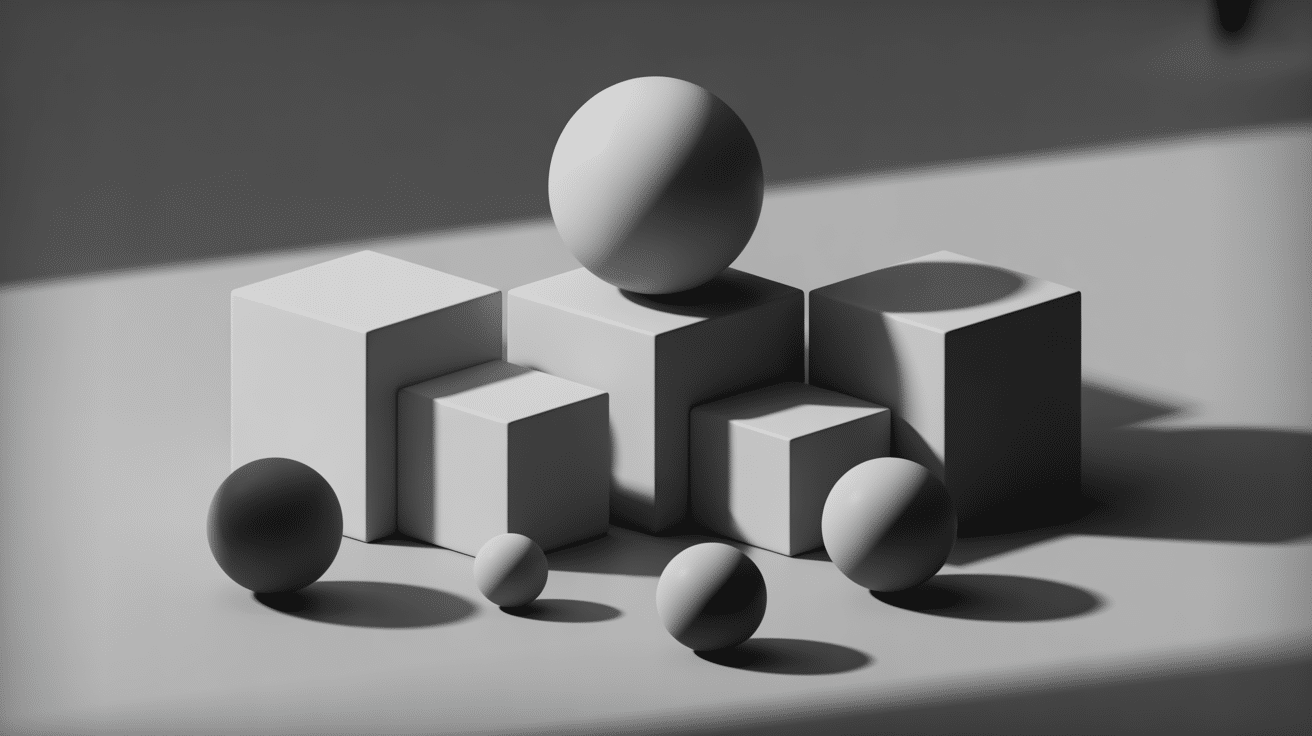
Draw everyday items like apples, shapes, or cups using only grayscale values. Focus on smooth shading, reflections, and shadow shapes.
Use layers to build lighting from rough to detailed. This sharpens your observation and helps you understand form without worrying about color.
45. Digital Fantasy Creature Illustration
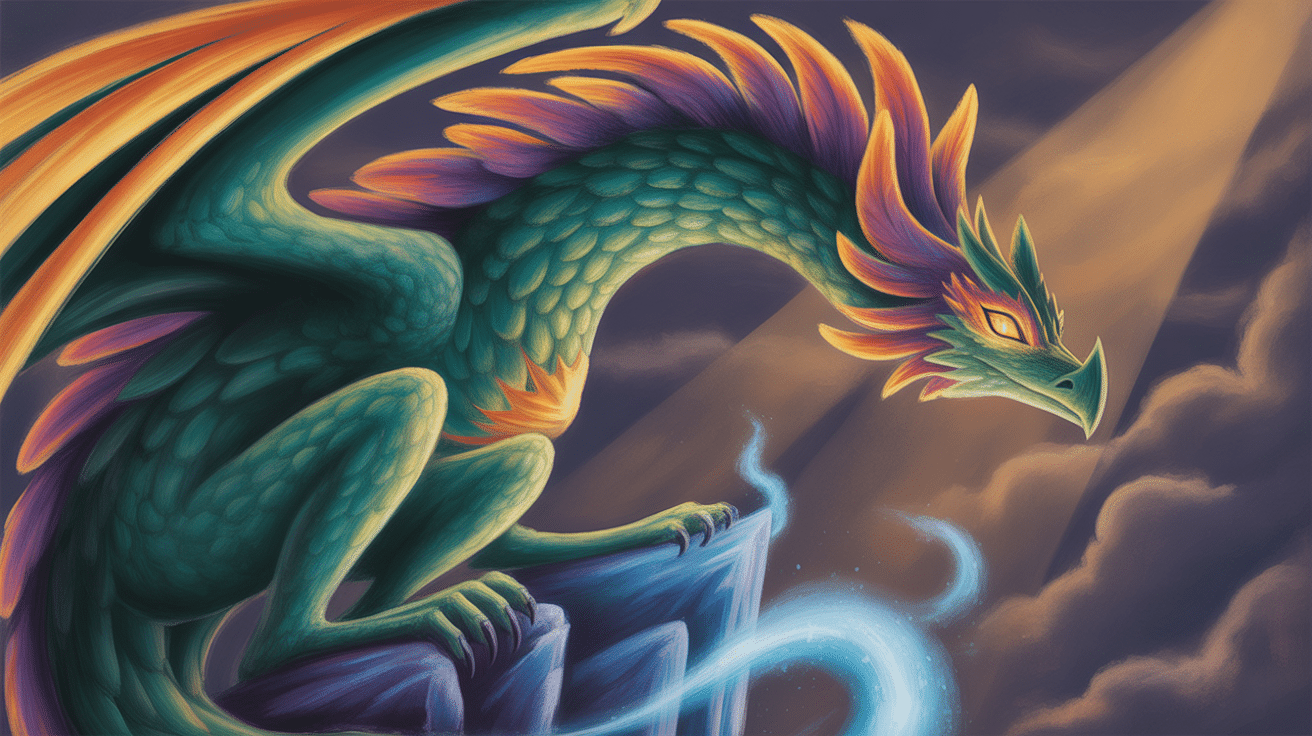
Sketch a creature using loose silhouettes to use different shapes, then refine the pose and proportions until the design feels balanced.
Add texture using specialized brushes to create scales, fur, or feathers that match the creature’s personality.
Use cool or warm lighting to bring depth and mood to the illustration. Experiment with rim lights or shadows to highlight key features.
Group and Collaborative Art Project Ideas
These ideas are perfect for friends, classes, or creative groups who want to make something fun together.
46. Community Collage Board
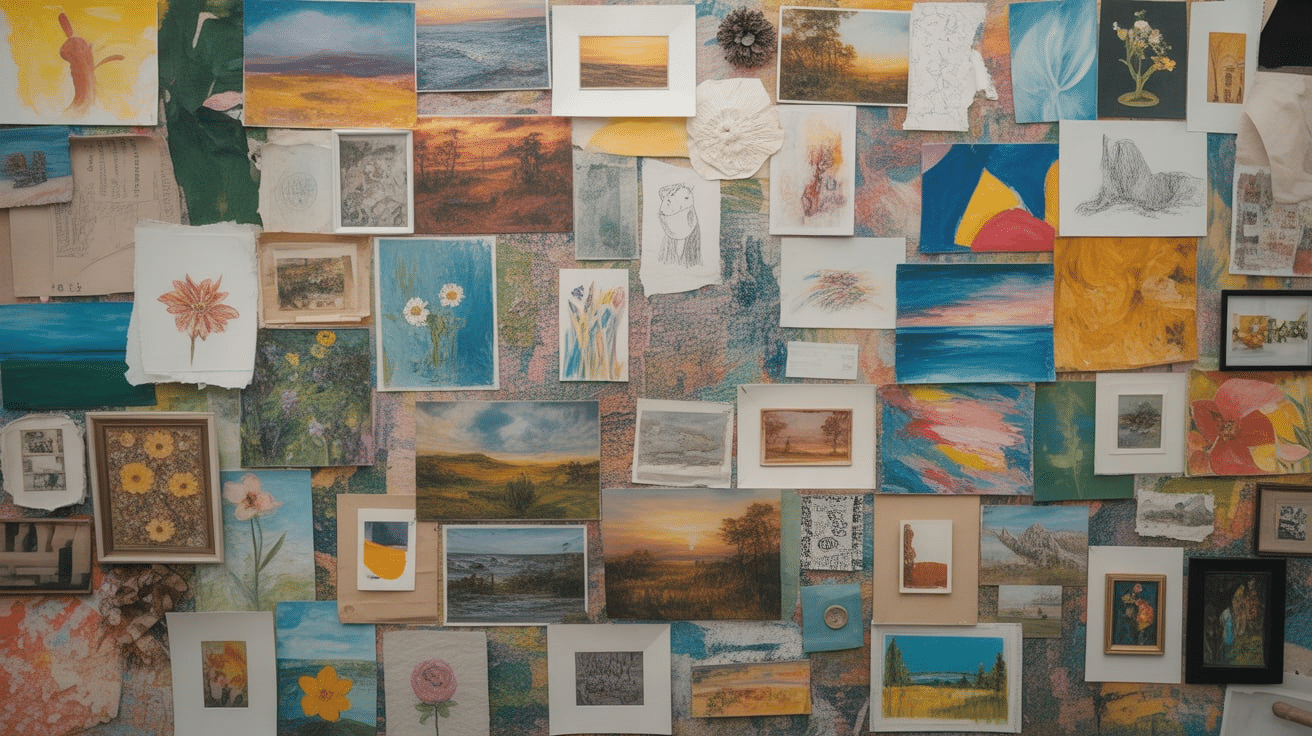
Give each person a small piece of paper to create a mini artwork based on a shared theme, like “growth,” “seasons,” or “dreams.” Encourage everyone to use whatever style or medium they enjoy – paint, markers, collage, or ink.
Once all pieces are finished, arrange them on a large board to form one big collaborative collage. This project builds connections, celebrates different styles, and creates a meaningful final piece that feels like a shared story.
47. Large-Scale Group Mural on Canvas Paper
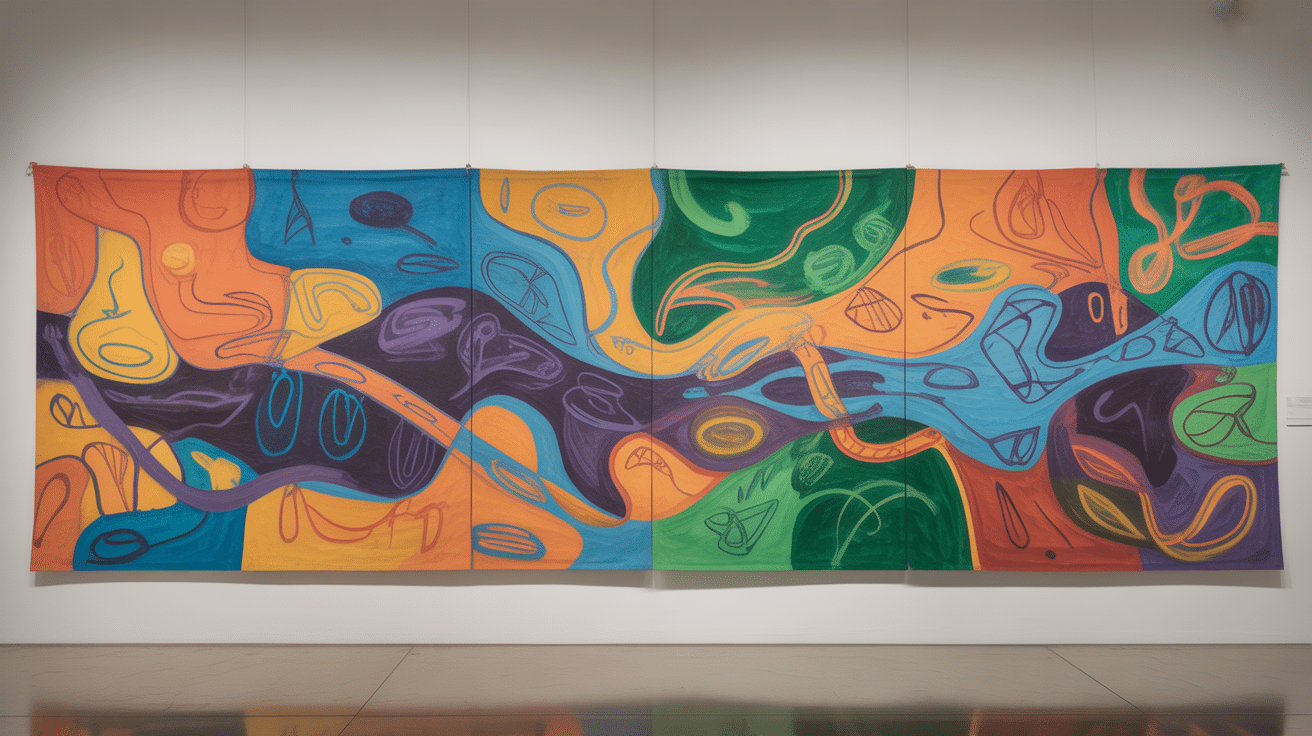
Roll out a long sheet of canvas paper and sketch simple borders to divide it into sections. Each artist gets one section but must connect colors or shapes to the areas next to theirs.
Begin with light sketches, then paint the sections using a limited palette so the mural feels unified. When everyone is done, hang the mural as one continuous artwork.
48. Collaborative Pattern Wall
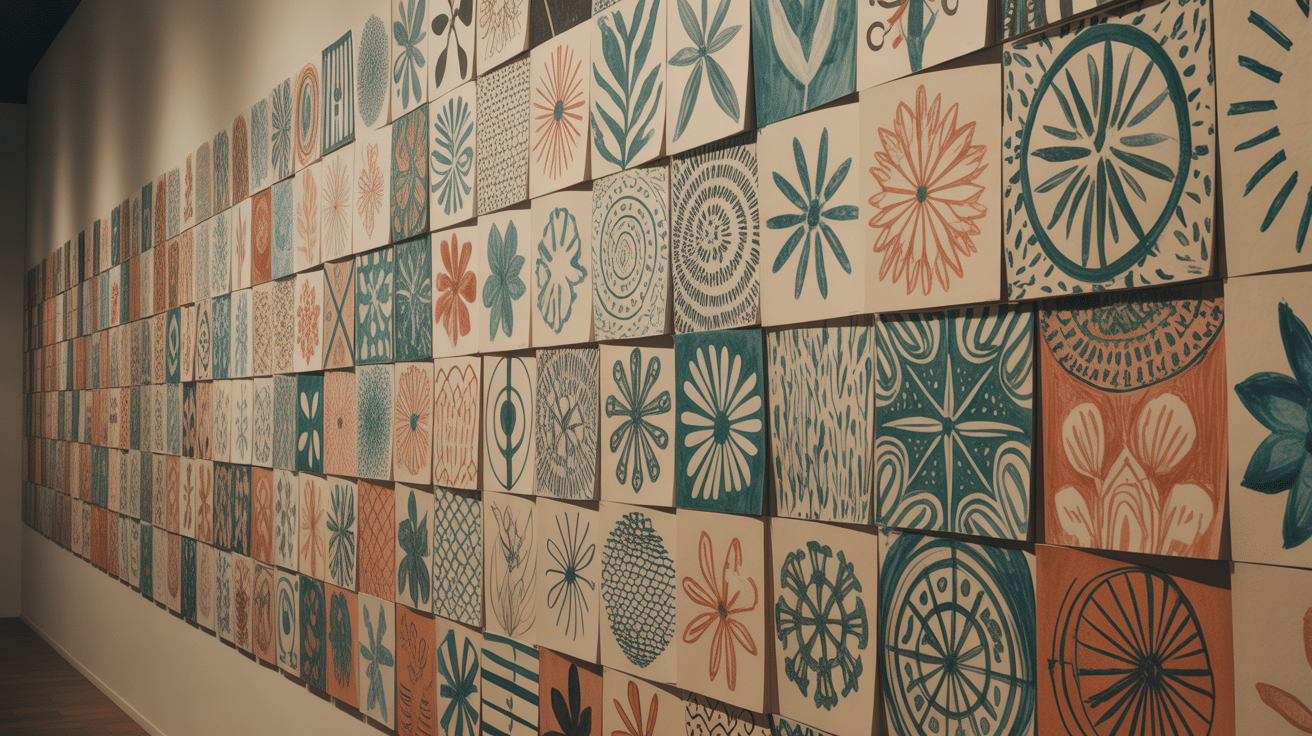
Give each person a square paper tile and a simple color palette. Everyone creates a unique pattern or design. Combine all tiles on a board to form a big patterned wall.
This teaches teamwork, design harmony, and creative freedom within limits.
49. Pass-the-Page Story Art
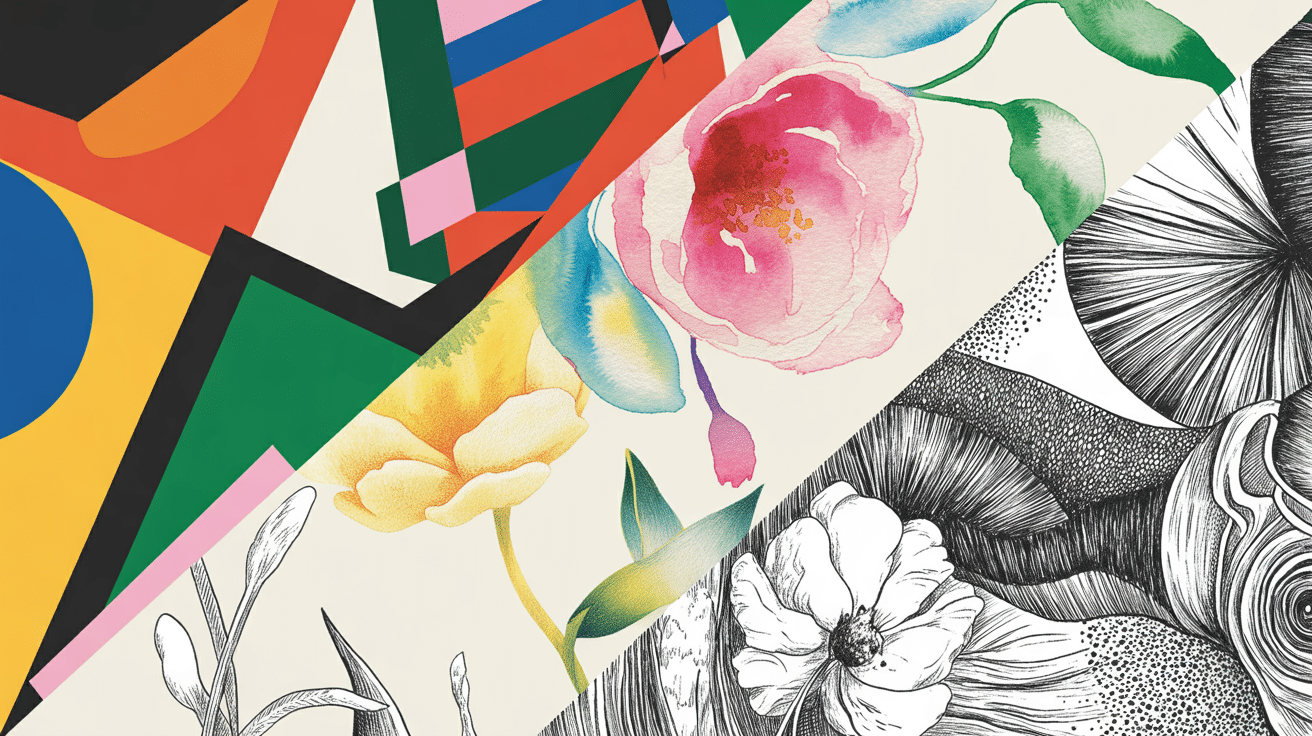
Start a drawing on a page, then pass it to another person who adds the next part. Continue until everyone contributes. The final piece becomes a surprising mix of styles and ideas.
This project builds spontaneity, creativity, and group connection.
50. Shared Theme Poster With Individual Panels
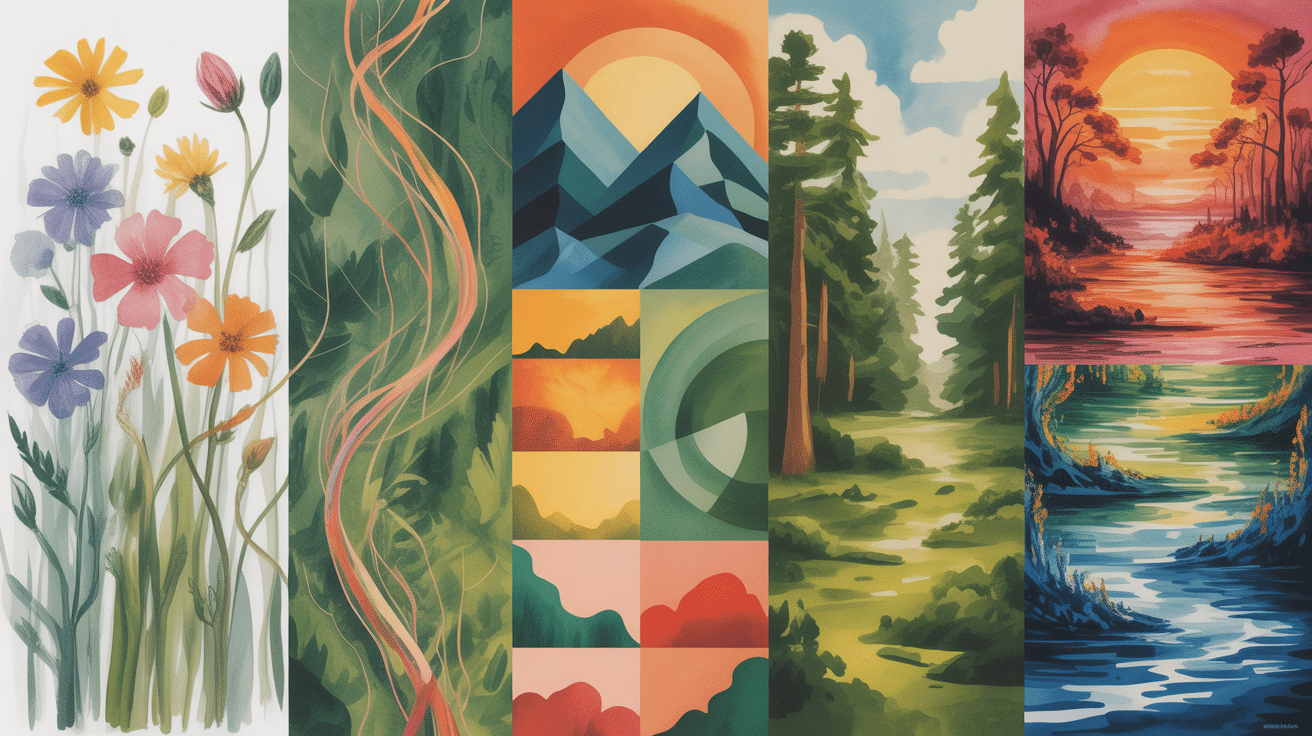
Pick a theme, such as nature, music, or community, and divide a large poster into clear sections. Each person designs one part using their own style, colors, and techniques, allowing everyone’s creativity to shine.
Once all the pieces are finished, place the panels together to form one bold mixed-style poster. Adjust edges or add connecting lines so the sections feel linked.
Conclusion
Trying new art projects is one of the best ways to grow your skills and learn what you enjoy most.
Whether you’re painting, drawing, building, or creating digitally, each project helps you learn something new and get more confident in your style. The key is to keep experimenting and stay curious about what you can make next.
Use these ideas whenever you feel stuck or want a fresh challenge. You don’t have to try them all at once – just pick one that feels exciting and start creating.
The more you practice, the more your art will grow.