
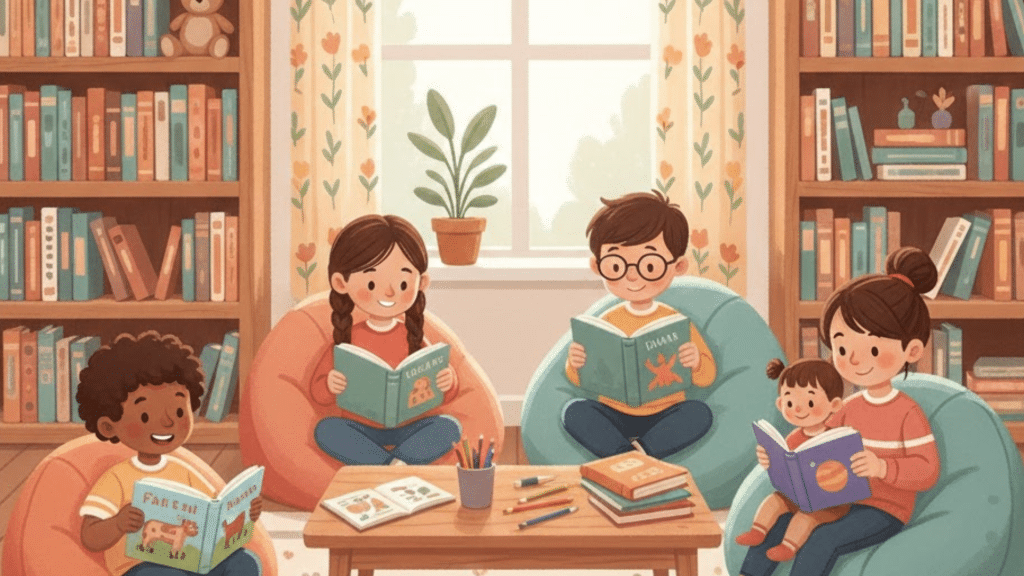
Learning to read is a big moment for young kids, and the right books can make all the difference. Books for beginning readers should feel fun, not hard or frustrating.
From preschool through second grade, children need short sentences, clear pictures, and stories they can actually finish on their own.
In this guide, you will find helpful tips and carefully chosen book ideas made just for beginning readers.
Whether your child is just starting out or ready for longer stories, this post will help you pick books that keep reading enjoyable and stress-free.
What Counts as a Beginning Reader
A beginning reader is a child who is just starting to read on their own with support. At this stage, kids are learning how letters, sounds, and words work together.
Beginning readers often read slowly, pause to sound out words, and rely on pictures to understand the story. Short sentences, repeated words, and large text help them feel successful.
This stage usually includes children from preschool to second grade, but every child moves at a different pace. Needing help is normal, and rereading favorite books is a good sign of learning.
The focus for beginning readers should always be building confidence and enjoying books, not reading perfectly.
Best Books for Beginning Readers by Reading Stage
Every child starts reading at a different pace, and that is completely normal. These book picks are grouped by reading stage to make it easier to find the right fit without stress.
Best Books for Pre-Readers (Preschool and Pre-K)
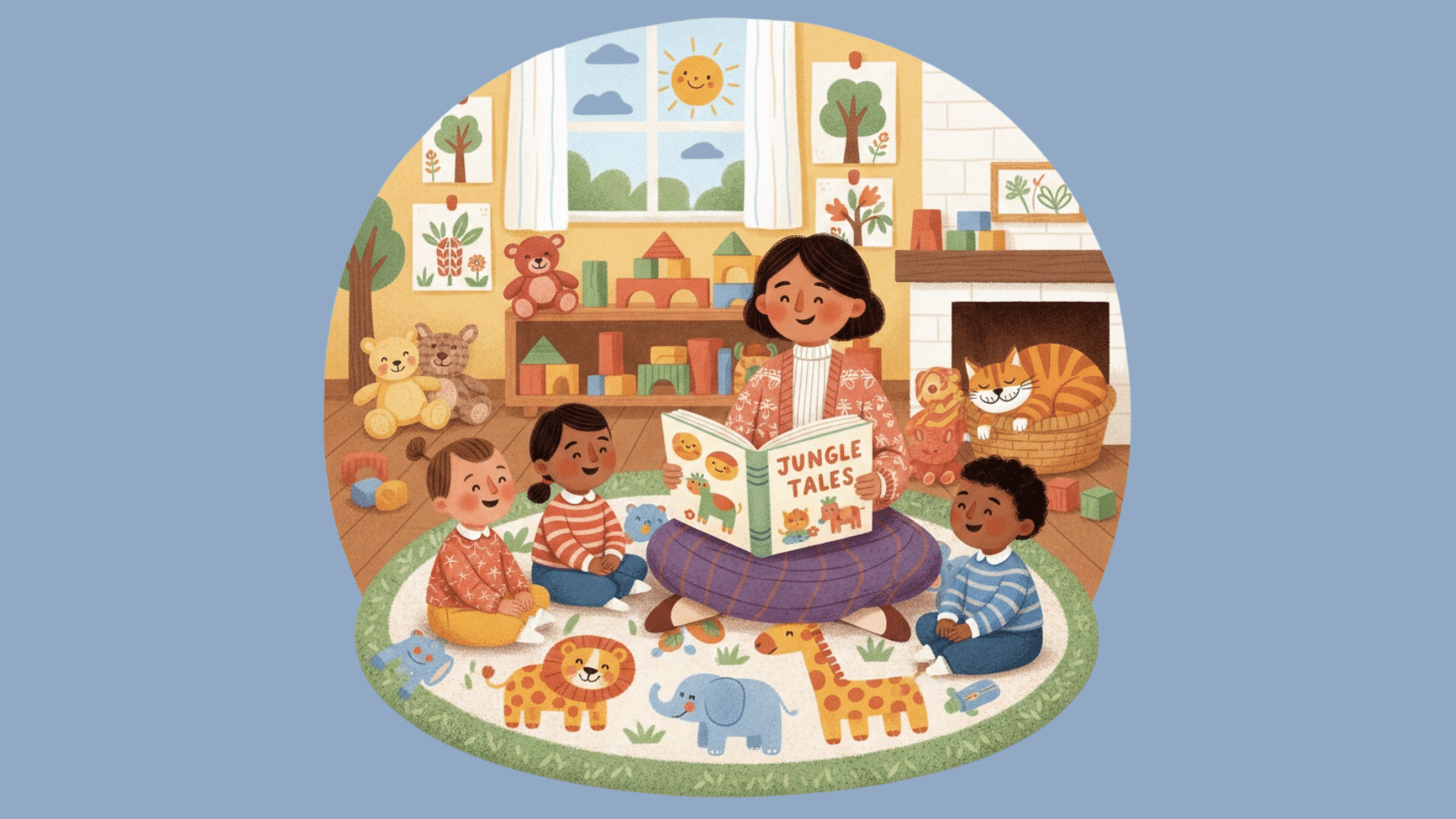
Pre-readers are not reading words yet, but they are learning how books work. These books build listening skills, attention, and early confidence through pictures, rhythm, and repetition.
- Brown Bear, Brown Bear, What Do You See? by Bill Martin Jr.: Uses repeating lines and bright pictures that help kids join in.
- Chicka Chicka Boom Boom by Bill Martin Jr. and John Archambault: A fun alphabet story with rhyme and movement that keeps kids engaged.
- The Very Hungry Caterpillar by Eric Carle: Simple story flow with clear pictures that support early understanding.
- Dear Zoo by Rod Campbell: A lift-the-flap book that encourages curiosity and prediction.
- We’re Going on a Bear Hunt by Michael Rosen: Repeated phrases make it easy for kids to “read along.”
- Goodnight Moon by Margaret Wise Brown: Calm, simple language that helps kids follow patterns.
- Llama Llama Red Pajama by Anna Dewdney: Rhyming text that supports listening and word awareness.
- Elephant & Piggie – Today I Will Fly! by Mo Willems: Simple speech bubbles and strong picture clues make reading feel fun and easy.
- Biscuit by Alyssa Satin Capucilli: Short sentences and familiar words help build early reading confidence.
- Pete the Cat: I Love My White Shoes by Eric Litwin: Repeated phrases and rhythm support word recognition.
- Frog and Toad Are Friends by Arnold Lobel: Clear language and gentle humor are great for new readers.
- Green Eggs and Ham by Dr. Seuss: Repetition helps kids practice the same words again and again.
- Cat the Cat, Who Is That? by Mo Willems: Very simple text that works well for first independent reading.
- Danny and the Dinosaur by Syd Hoff: Short sentences paired with clear pictures guide understanding.
- Henry and Mudge – The First Book by Cynthia Rylant: Warm stories with simple language and strong picture support.
- Nate the Great by Marjorie Weinman Sharmat: Easy mystery format that keeps kids curious and reading.
- Poppleton by Cynthia Rylant: Short chapters and gentle humor make it feel manageable.
- Amelia Bedelia by Peggy Parish: Funny misunderstandings help kids learn new words through context.
- Owl at Home by Arnold Lobel: Short stories with clear ideas and familiar settings.
- Ling & Ting – Not Exactly the Same! by Grace Lin: Simple text with playful stories about friendship and family.
- Mouse Tales by Arnold Lobel: Brief stories that are easy to finish and fun to reread.
- Hi! Fly Guy by Tedd Arnold: Big text, silly humor, and pictures that support the story.
- Mercy Watson to the Rescue by Kate DiCamillo: Short chapters, big text, and lots of humor make this a favorite.
- Magic Tree House – Dinosaurs Before Dark by Mary Pope Osborne: Simple language and fast action keep kids turning pages.
- The Princess in Black by Shannon Hale and Dean Hale: Easy chapters with illustrations and a fun superhero twist.
- Owl Diaries – Eva’s Treetop Festival by Rebecca Elliott: Diary-style format with pictures on every page supports confidence.
- Dragon Masters – Rise of the Earth Dragon by Tracey West: Short chapters and clear goals make it easy to follow.
- Junie B. Jones and the Stupid Smelly Bus by Barbara Park: Relatable school stories written in kid-friendly language.
- Calendar Mysteries – January Joker by Ron Roy: Light mystery with simple clues and short chapters.
- National Geographic Little Kids First Big Book of Animals by Catherine D. Hughes: Bright photos and short facts make animals exciting and easy to learn about.
- Bugs! Bugs! Bugs! by Bob Barner: Simple words and bold pictures help kids learn about insects without feeling overwhelmed.
- From Head to Toe by Eric Carle: Clear actions and repeated phrases support early understanding of body movement.
- DK Readers: Pirates by Philip Steele: Short paragraphs and labeled pictures work well for new readers.
- Let’s Go, Froggy! by Jonathan London: Combines simple nonfiction ideas with a familiar character kids enjoy.
- I Am a Shark by Bob Shea: Fun facts shared in a playful way that feels friendly, not heavy.
- See Inside Your Body by Katie Daynes: Lift-the-flap style encourages curiosity while keeping text short and clear.
- Last Stop on Market Street by Matt de la Peña: A gentle story that shows community, kindness, and different ways of living.
- The Day You Begin by Jacqueline Woodson: Supports children who feel different and teaches empathy in simple ways.
- All Are Welcome by Alexandra Penfold: Reassuring text that celebrates classrooms and families of all kinds.
- Hair Love by Matthew A. Cherry: A warm story about family, confidence, and caring relationships.
- My Brother Charlie by Holly Robinson Peete: Introduces autism through a loving sibling bond using clear language.
- Saturday by Oge Mora: Shows a close parent-child relationship and everyday city life.
- The Name Jar by Yangsook Choi: Helps kids understand identity and belonging through a relatable school story.
Best Level 1 Books for Beginning Readers
Level 1 books are for kids who are starting to read on their own. These books use short sentences, easy words, and helpful pictures to support early success.
Best Level 2 Books for Growing Readers

Level 2 books are for kids who can read simple sentences and are ready for a bit more challenge. These books have longer stories, more words per page, and still use pictures to help with meaning.
Early Chapter Books for New Independent Readers
Early chapter books are a big step up, but they should still feel friendly. These books use short chapters, simple plots, and pictures to help kids read longer stories on their own.
Best Nonfiction Books for Beginning Readers
Nonfiction books are great for kids who love facts and real-world topics. These books use simple text, clear photos, and short sections to keep reading fun and easy.
Diverse and Inclusive Books for Beginning Readers
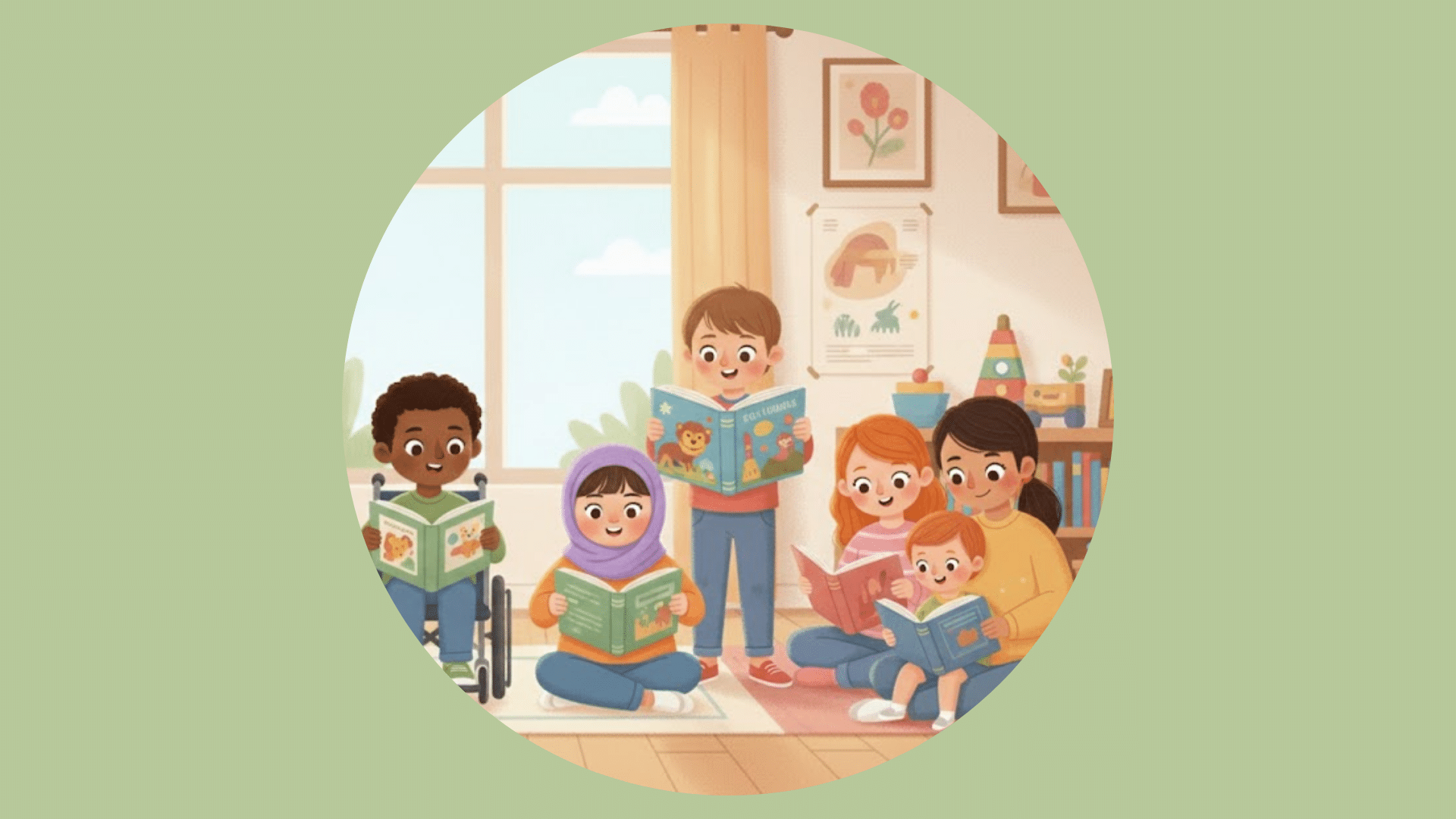
Diverse and inclusive books help children see themselves and others in stories. These books use simple language while showing different families, cultures, abilities, and everyday experiences.
Choosing the right books for beginning readers helps build confidence and a love for reading early on. When books feel fun and manageable, kids are more likely to keep reading and enjoy every step of the journey.
How to Choose Books for Beginning Readers
A few simple checks can help you find books that match your child’s skills and keep reading enjoyable.
| What to Check | Why It Matters | What to Look For |
|---|---|---|
| Reading Level | Prevents frustration | Short sentences, easy words |
| Pictures | Supports understanding | Pictures that match the text |
| Interest | Keeps kids motivated | Topics your child already likes |
| Text Size | Improves readability | Large, clear font |
| Length | Builds confidence | Short books kids can finish |
The best book is one your child wants to read again and again. When reading feels fun and doable, progress happens naturally and with less pressure.
Helping Beginning Readers Succeed: Tips for Parents
Helping a beginning reader succeed starts with patience and encouragement at home.
Keep reading time short and relaxed; even 10 minutes a day makes a difference. Let your child choose the books so reading feels fun, not forced.
It is also helpful to read together, taking turns or reading aloud when needed. Praise effort, not perfection, especially when your child tries hard words.
Re-reading favorite books is a good thing and builds confidence. Most of all, make reading part of daily life, like before bed or after school.
When kids feel supported and stress-free, they are more likely to enjoy reading and keep improving.
Conclusion
Finding the right books for beginning readers can make a big difference in how kids feel about reading. When books match their level and interests, children feel proud, confident, and more willing to keep trying.
Remember, reading progress does not happen overnight, and that is okay. Small daily moments with the right books add up over time. Focus on fun, not pressure, and let your child move at their own pace.
If a book feels too hard, it is always fine to step back and try something simpler. The goal is to build a love for reading that lasts.
Save this guide for later, share it with other parents, and come back anytime you need fresh book ideas for your growing reader.