

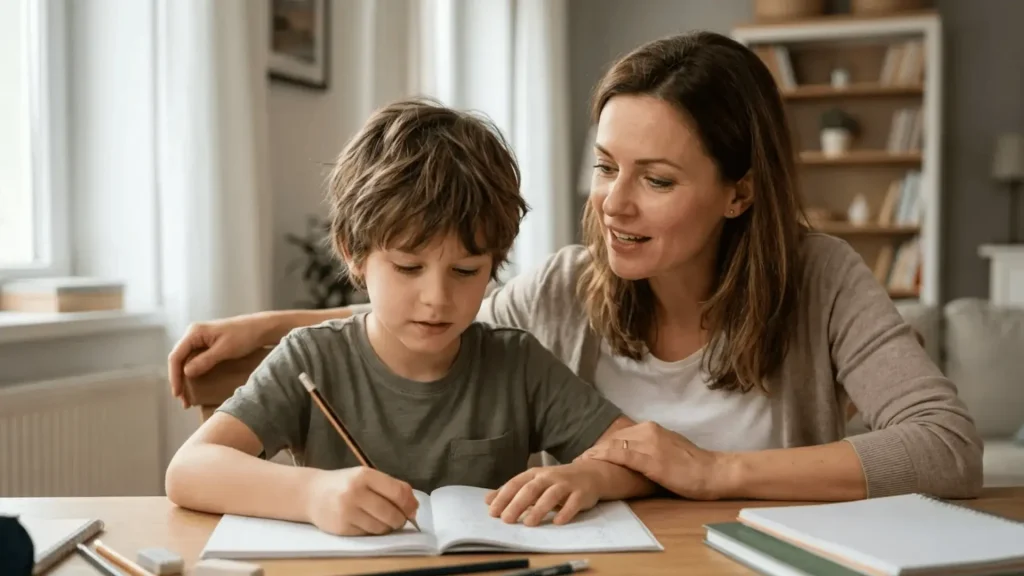
Children listen closely to the words adults use. Supportive language helps them develop confidence, resilience, and a healthy inner voice.
A few thoughtful words can help a child keep trying, handle mistakes, and believe in their abilities. When encouragement becomes part of everyday conversations, children begin to see challenges as opportunities to learn.
This guide brings together a wide range of encouraging words and phrases for kids, organized by situations parents and teachers encounter daily.
What Are Encouraging Words for Kids?
Encouraging words are short, positive phrases that help children feel supported and valued. These simple words remind kids that their effort is noticed and that they matter.
Parents, teachers, and caregivers can use encouraging phrases during schoolwork, daily routines, tough moments, or happy milestones.
Regular encouragement helps shape how children see themselves. When kids hear supportive words often, they begin to feel more confident about their abilities and more willing to keep trying.
These positive phrases also help children manage emotions during challenges. Over time, they learn that mistakes are part of learning, and their bond with supportive adults becomes stronger.
Words of Encouragement for Kids
Positive words help children notice their strengths and build a healthy sense of self. Simple and supportive language can shape how kids think, act, and respond to challenges each day.
Character-Building Words
These words highlight traits that help children grow into thoughtful and responsible individuals.
- Kind: Shows care and consideration toward others through thoughtful actions.
- Honest: Tells the truth and takes responsibility for their actions.
- Caring: Pays attention to the feelings and needs of other people.
- Responsible: Completes tasks and understands the importance of doing what they promise.
- Helpful: Looks for ways to support others during daily activities.
- Friendly: Makes others feel welcome and comfortable in social situations.
- Patient: Stays calm while waiting or working through something slowly.
- Respectful: Treats people, rules, and shared spaces with care and consideration.
Confidence-Boosting Words
These words remind children that they have the strength and ability to handle challenges.
- Brave: Faces new or difficult situations even when feeling unsure.
- Strong: Shows both physical and emotional strength during challenges.
- Capable: Has the ability to learn and complete tasks successfully.
- Talented: Shows natural skill or ability in certain activities.
- Creative: Uses imagination to think of new ideas or solutions.
- Determined: Keeps working toward a goal even when things feel difficult.
- Unique: Reminds children that their qualities make them special.
- Smart: Uses thinking and problem-solving skills to learn new things.
Words That Celebrate Effort
These words focus on progress and steady work instead of just results.
- Persistent: Keeps trying even when something takes time to learn.
- Dedicated: Shows commitment and effort toward finishing a task.
- Curious: Shows interest in learning new ideas and asking questions.
- Focused: Pays close attention to the task they are working on.
- Hardworking: Puts strong effort into learning, practicing, and improving.
Short Encouraging Words for Kids
Short and clear words are easy for kids to remember and use to describe their strengths.
- Brave: Encourages children to face challenges and try new experiences.
- Kind: Reminds kids to treat others with care and understanding.
- Smart: Highlights a child’s ability to learn and solve problems.
- Honest: Reinforces the importance of truth and integrity.
- Caring: Shows appreciation for empathy and compassion toward others.
- Strong: Builds confidence in both emotional and physical resilience.
- Creative: Encourages imagination and original thinking.
- Helpful: Recognizes actions that support friends, family, or teachers.
- Friendly: Supports positive relationships and welcoming behavior.
- Determined: Reminds children to keep working toward their goals.
Encouraging Phrases to Say to Kids Every Day
Encouraging phrases help children feel supported, understood, and confident. These words can guide kids through everyday moments, challenges, and achievements while reminding them that their effort matters.
Simple Encouraging Phrases
These everyday phrases help children feel noticed, supported, and valued.
- I believe in you: Reminds children that someone trusts their ability to handle challenges.
- You can do this: Encourages kids to stay confident when facing a task.
- I am proud of you: Shows appreciation for their effort or progress.
- Your ideas matter: Helps children feel heard and valued when sharing thoughts.
- Your effort shows: Recognizes the work they put into learning or completing something.
Phrases that Support Kindness
These phrases highlight caring actions and help children see the impact of kindness.
- That was kind: Acknowledges thoughtful actions toward others.
- You are a good friend: Reinforces supportive and caring behavior in friendships.
- Your kindness helps others: Shows children how their actions positively affect people.
Phrases that Encourage Independence
These phrases help kids trust their own thinking and problem-solving skills.
- You figured that out: Celebrates when children solve something on their own.
- Your thinking helped fix the problem: Recognizes their effort to understand and solve issues.
- You handled that well: Shows appreciation for how they managed a situation.
Phrases when They Are Learning Something New
These phrases support kids as they practice new skills or ideas.
- You are improving with practice: Reminds children that progress happens over time.
- I can see your effort: Shows that their hard work is being noticed.
- You kept trying even when it was difficult: Encourages perseverance during challenges.
- You stayed patient while learning: Recognizes calm effort during the learning process.
- Your practice is helping you improve: Helps children connect practice with growth.
Phrases for Kids Who Make Mistakes
These phrases help children understand that mistakes are part of learning.
- Mistakes help us learn: Teaches children that errors can lead to improvement.
- You can try again: Encourages another attempt after something goes wrong.
- What did you learn from this: Helps children reflect on the experience.
- Every skill takes practice: Reminds kids that improvement takes time.
- Next time will feel easier: Gives hope and confidence for future attempts.
Phrases During Difficult Moments
These words offer comfort and reassurance when kids feel upset or overwhelmed.
- I am here for you: Reassures children that they have support.
- Your feelings matter: Validates emotions and shows understanding.
- Take your time: Encourages calm thinking during stressful moments.
- You are not alone: Reminds kids they have people who care about them.
- Tomorrow is another opportunity: Helps children see that a new day brings a fresh start.
Phrases Before Tests, Competitions, or Performances
These phrases help children stay calm and confident before big moments.
- You prepared well: Acknowledges the effort they put into getting ready.
- Take a deep breath and do your best: Encourages calm focus before starting.
- Your effort is what matters most: Shifts attention from results to trying hard.
- You are ready for this: Builds confidence before the event begins.
- I know you will try your hardest: Shows trust in their dedication.
Phrases for Kids Who Are Facing Challenges
These phrases support kids when tasks feel difficult or overwhelming.
- You can take it one step at a time: Helps break a challenge into smaller parts.
- Let’s think of another solution: Encourages problem-solving and flexible thinking.
- You can handle this challenge: Builds confidence when facing something hard.
- Your effort will make progress: Reminds kids that persistence leads to improvement.
- Trying again is always a good idea: Encourages another attempt instead of giving up.
Phrases for Kids Having a Difficult Day
These comforting phrases help children process hard emotions.
- Today was difficult, but tomorrow is a new day: Reminds kids that tough days pass.
- Everyone has challenging days: Helps them feel less alone in their experience.
- You handled that situation well: Recognizes their effort during a hard moment.
- I appreciate how you kept trying: Highlights persistence even during frustration.
- You are stronger than you think: Encourages inner confidence and resilience.
Phrases to Inspire Creativity and Curiosity
These phrases encourage kids to express ideas and explore new possibilities.
- Your imagination is wonderful: Celebrates creative thinking and ideas.
- I enjoy hearing your ideas: Shows that their thoughts are valued.
- You think in interesting ways: Encourages unique perspectives and problem solving.
- Your creativity makes things special: Recognizes the value of imaginative work.
- I look forward to seeing what you create: Builds excitement and confidence for future ideas.
Encouraging Words for Kids Based on Age and Daily Moments
Children understand encouragement differently as they grow. Using age-appropriate phrases and supportive words helps kids feel understood, confident, and ready to keep learning.
Encouraging Words for Toddlers
These short and simple phrases match the way toddlers learn and respond to praise.
- You did it: Celebrates a small success and helps toddlers feel proud of completing a task.
- Nice helping: Recognizes when a toddler tries to assist with simple activities.
- Great sharing: Encourages positive behavior when toddlers share toys or space.
Encouraging Words for Elementary Kids
Kids in this stage begin showing more focus and independence in learning and friendships.
- Your effort is improving: Helps children notice progress as they practice new skills.
- You asked a thoughtful question: Encourages curiosity and active learning.
- You stayed focused: Recognizes attention and effort during schoolwork or tasks.
Encouraging Words for Pre-Teens
Pre-teens begin thinking more deeply and value having their opinions respected.
- Your ideas matter: Shows respect for their thoughts and encourages confidence.
- You are becoming a strong thinker: Supports growing problem-solving and decision-making skills.
- Your determination shows: Recognizes effort and persistence when facing challenges.
Morning Encouraging Words for Kids
Supportive morning words can help children start the day feeling calm and ready.
- Today is a great day to learn: Encourages curiosity and a positive mindset for the day.
- You can handle anything today: Builds confidence before school or activities begin.
- Your effort will make a difference: Reminds kids that trying their best matters.
- You are ready for the day: Helps children feel prepared and confident.
Bedtime Encouraging Words for Kids
Bedtime phrases help children reflect on the day and feel calm before sleep.
- I am proud of your effort today: Acknowledges the work they put into their day.
- You showed kindness today: Highlights positive behavior toward others.
- Tomorrow brings new opportunities: Reminds kids that each day offers a fresh start.
- You are loved and valued: Reassures children that they are cared for deeply.
Encouraging Words Kids Can Say to Themselves
Positive self-talk helps children stay calm, confident, and motivated.
- I can try again: Encourages children to keep going after a mistake.
- I am learning: Reminds kids that growth happens step by step.
- I can solve problems: Builds confidence in their thinking and decision-making.
- I will keep practicing: Reinforces the value of effort and persistence.
- I can stay calm and focused: Helps children manage emotions during challenges.
Everyday Positive Words for Kids
Simple and clear words help children quickly understand their strengths.
- Brave: Encourages kids to face new experiences with confidence.
- Kind: Reminds children to treat others with care and respect.
- Smart: Highlights their ability to learn and think.
- Honest: Reinforces the importance of truthfulness.
- Caring: Shows appreciation for empathy toward others.
- Strong: Builds confidence in emotional and physical resilience.
- Creative: Encourages imagination and new ideas.
- Helpful: Recognizes actions that support family, friends, or teachers.
Encouraging Words Kids Can Hear at School
Supportive words at school help children stay confident while learning and participating in class activities.
- Your question helped everyone learn: Shows children that asking questions adds value to the classroom.
- You worked through that problem carefully: Recognizes thoughtful effort during learning.
- Your thinking is getting stronger: Encourages growth in problem-solving skills.
- You paid great attention today: Highlights focus during class activities.
- Your participation helps the class: Reminds children their voice matters in discussions.
Encouraging Words From Parents
These phrases help children feel supported and valued within the family.
- I love spending time with you: Shows appreciation for shared moments together.
- You make our family better: Reminds children that their presence matters.
- I enjoy hearing your thoughts: Encourages kids to share their ideas openly.
- Thank you for helping today: Recognizes helpful actions at home.
- I am grateful for you: Reinforces a sense of belonging and appreciation.
Encouraging Words for Building a Growth Mindset
These phrases help children understand that abilities grow with effort and practice.
- Your brain grows when you practice: Explains learning as a process of growth.
- You are improving every time you try: Encourages persistence through repetition.
- Learning takes time and patience: Reminds kids that progress does not happen instantly.
- Every challenge helps you grow: Helps children view difficulty as part of learning.
- Progress happens step by step: Encourages steady effort rather than rushing results.
Encouraging Words for Sports and Activities
Kids often hear encouragement during games, practice, or creative activities.
- Great teamwork today: Recognizes cooperation with others during activities.
- Your practice is paying off: Connects effort with visible improvement.
- You stayed determined through the game: Highlights persistence during challenges.
- You gave your best effort: Reinforces the value of trying hard.
- Your teamwork helped everyone succeed: Shows the impact of supporting teammates.
Encouraging Words for Responsibility
These phrases support children as they learn accountability and good decision-making.
- You followed through on your promise: Recognizes reliability and responsibility.
- You made a thoughtful choice: Encourages careful decision-making.
- You handled that responsibility well: Shows appreciation for completing tasks.
- You took ownership of your actions: Reinforces accountability when mistakes happen.
- You stayed committed to finishing your task: Highlights persistence and responsibility.
Encouraging Words for Gratitude and Appreciation
These phrases help children recognize kindness and value the help they receive.
- I appreciate your kindness today: Shows gratitude for thoughtful actions.
- Your help made a difference: Reinforces the value of helping others.
- Thank you for being thoughtful: Recognizes empathy and awareness of others.
- Your effort is appreciated: Reminds kids their work does not go unnoticed.
- I notice the good choices you make: Encourages continued positive behavior.
Encouraging Words for Confidence and Self-Belief
These affirmations help children trust their abilities and feel confident.
- You have what it takes: Encourages belief in their abilities.
- Your strengths will guide you: Reminds kids they have useful talents.
- You can learn anything with effort: Reinforces confidence in learning new skills.
- Your courage helps you grow: Encourages bravery when facing challenges.
- You are capable of great things: Builds long-term confidence and motivation
How to Use Encouraging Words Effectively
Encouraging words work best when they are clear and honest. The tone, timing, and intention behind the phrase matter just as much as the words.
Focus on Effort Instead of Results: Kids learn the most when their effort is noticed. Praise the steps they take, not only the final outcome.
Example: “I like how patiently you worked on that problem.”
Be Specific With Praise: Children understand feedback better when it clearly names the action. Specific praise shows that you are paying attention to what they did.
Example: “You organized your toys so neatly.”
Keep Encouragement Genuine: Kids can quickly sense when praise is not sincere. Use simple words that match the moment and feel natural.
Example: “I can see you tried really hard on that drawing.”
Use Encouragement During Daily Moments: Everyday routines create many chances to support kids. Short encouraging phrases during play, chores, or learning can have a strong impact.
Example: “Thank you for helping set the table.”
Practical Ways to Use Encouraging Words Every Day
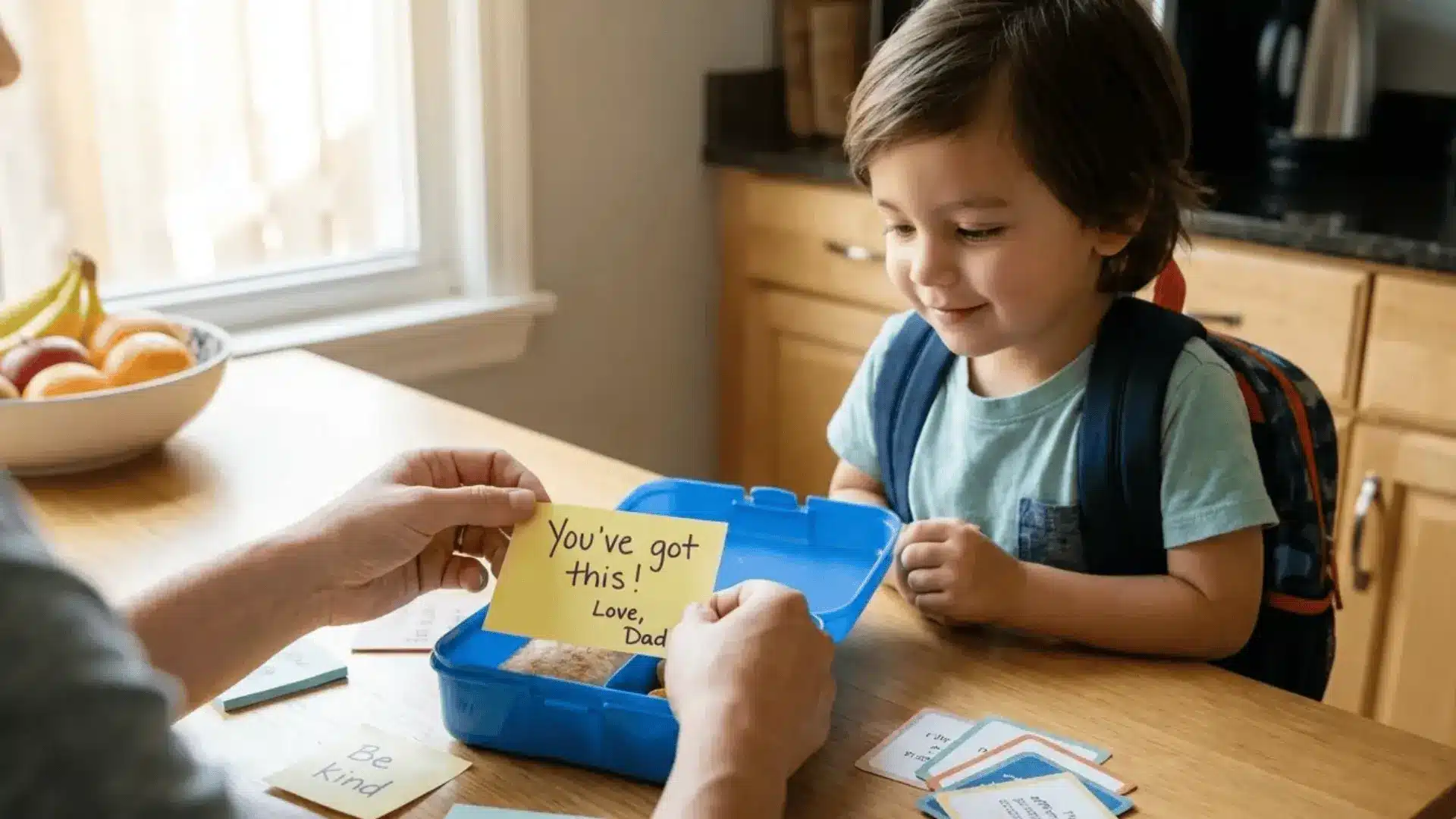
Encouraging words work best when they become part of daily life. Small actions can help children hear supportive messages often.
Here are simple ways to use encouraging words each day:
- Writing notes in lunchboxes
- Using affirmation cards
- Creating encouragement boards in classrooms
- Adding phrases to bedtime routines
- Using sticky notes with positive messages
These habits make encouragement a natural part of a child’s day and help them feel supported.
Common Mistakes to Avoid When Encouraging Kids
Encouragement works best when it feels thoughtful and meaningful. Certain habits can weaken the impact of supportive words. Being aware of these mistakes helps children stay motivated and confident.
- Using only general praise: Saying things like “good job” all the time can lose meaning. Kids understand encouragement better when it clearly mentions what they did well and why it mattered.
- Comparing children with others: Statements that compare kids with siblings or classmates can create pressure. Encouragement should focus on a child’s own progress instead of measuring them against someone else.
- Ignoring effort: Only praising results can make children feel their hard work does not matter. Recognizing effort helps them stay motivated and teaches them that improvement takes time and practice.
- Encouraging only after success: Support should not appear only when children succeed. Encouragement during challenges helps kids stay confident and reminds them that mistakes are part of learning.
Thoughtful encouragement helps children grow in a healthy way. When adults focus on effort, progress, and sincere words, kids feel more confident and willing to keep trying.
Final Thoughts
The words children hear again and again shape how they see themselves. Simple phrases and encouraging words for kids can guide their confidence, choices, and outlook.
Steady encouragement helps children feel strong and capable. It also supports resilience and a calm approach to challenges.
A few kind words today can stay with a child for years. These small moments of support can build a lasting sense of self-belief.
Have a favorite way to encourage your kids? Leave a comment and tell others what works for you.


