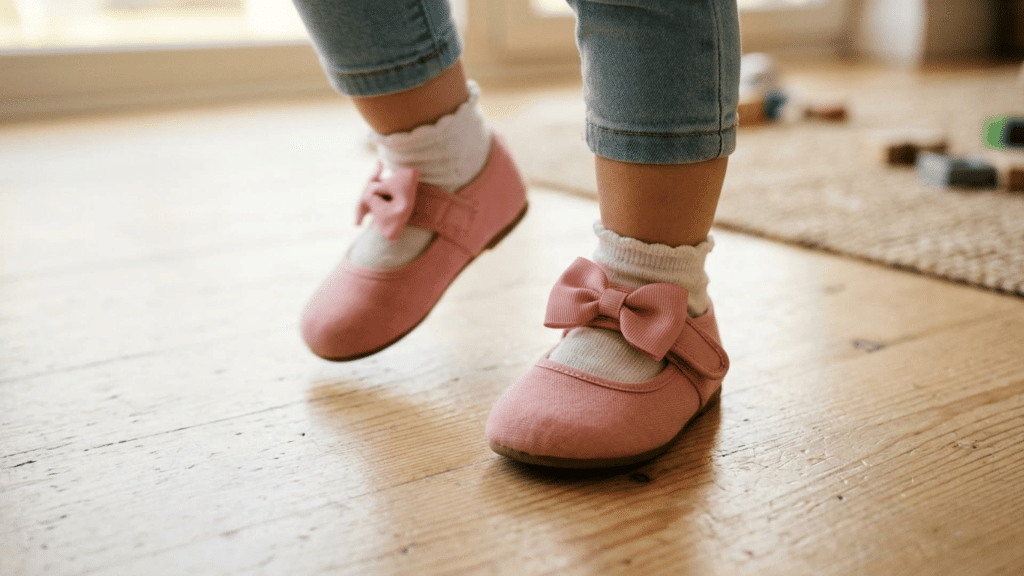
Watching your baby take their first steps is a moment you’ll never forget.
You might already be thinking about when it will happen and if your baby is on the right track. It’s normal to compare timelines, but walking doesn’t follow a fixed schedule.
Some babies walk early, while others take more time to build strength and confidence.
This guide breaks down the average age, early signs, and what you can expect during this stage. It also shares simple ways you can support your baby and when to seek advice if needed.
When Does a Baby Start Walking?
You’re probably wondering what age is considered normal for walking. The good news is there’s a wide and healthy range.
- Most babies start walking between 9 and 15 months
- Many take their first steps around 12 months
- Some begin as early as 8–9 months
- Others may start closer to 16–18 months
Every baby develops at their own pace, so slight delays are often nothing to worry about.
Why There is No Exact Timeline
You may notice that even siblings walk at different ages, and that’s completely normal. Every baby develops at their own pace, so there isn’t a fixed timeline for walking.
Developmentalspeed can vary, as some babies build muscle strength faster while others take longer to develop balance and coordination.
Confidence also plays an important role. A baby who feels unsure may wait longer before taking independent steps, while a more confident baby may try earlier.
Some babies simply prefer to crawl longer until they feel secure enough to walk on their own, and that variation is a natural part of growth.
Early Signs Your Baby is Ready to Walk
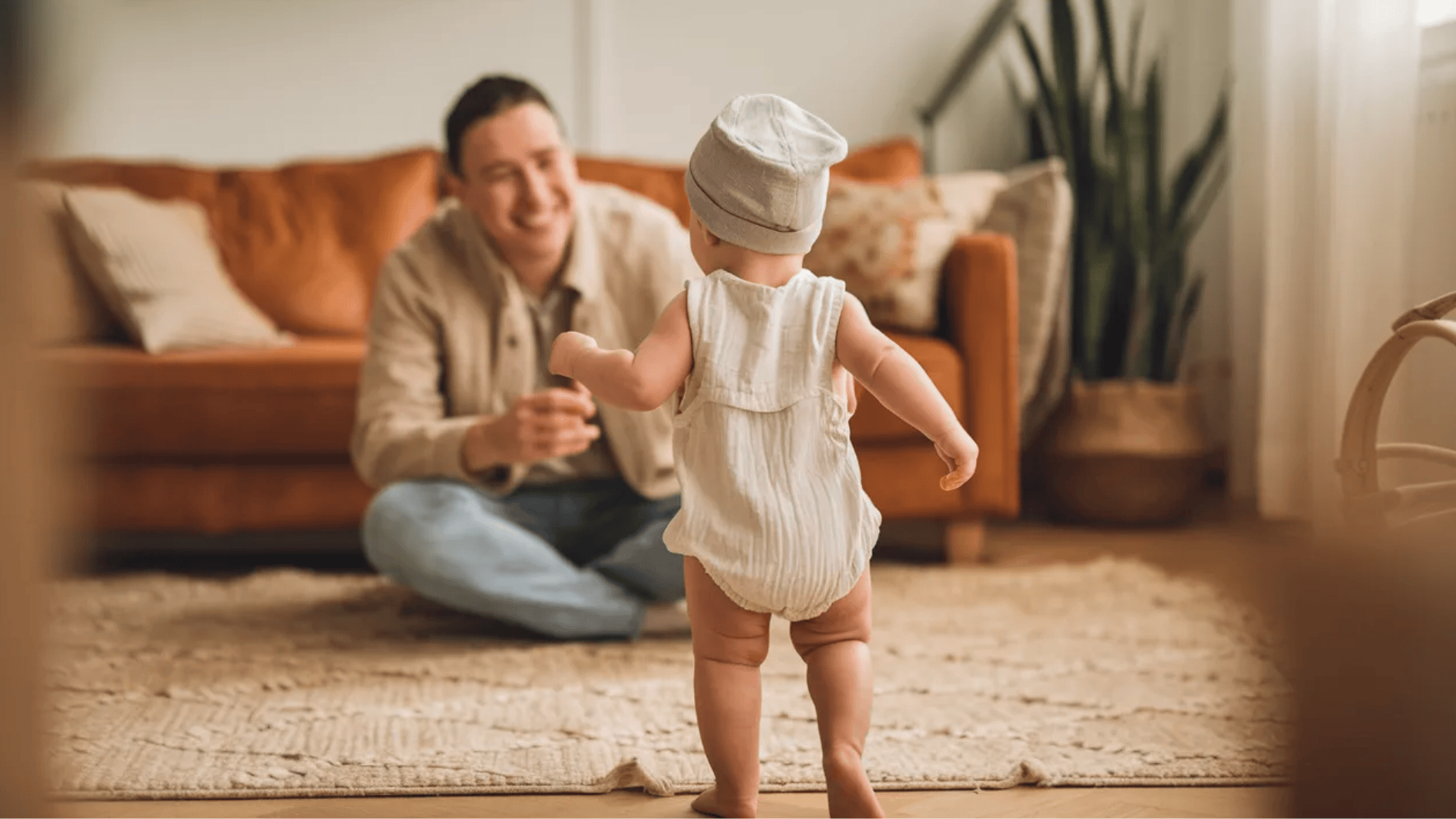
You’ll start noticing small changes in how your baby moves and balances as they grow. These early signs appear slowly and show that your baby is getting closer to taking their first steps.
1. Pulling Up to Stand
This is usually one of the first clear signs that walking is getting closer. Your baby begins to use their surroundings to lift themselves up and stay upright.
- Your baby uses furniture like sofas, tables, or cribs to pull up
- They try to lift themselves using their hands and legs together
- They may wobble at first, but slowly gain stability
- Standing becomes something they enjoy repeating
- They start testing how long they can stay upright
2. Standing without Support
At this stage, your baby begins to build balance and confidence. You’ll notice short moments where they stand on their own without holding anything.
- Standing for a few seconds without support
- Trying to keep their balance without falling
- Letting go of furniture on purpose
- Using arms to steady themselves
- Looking proud or excited after standing independently
3. Cruising Along Furniture
Cruising helps your baby understand how to move while staying supported. It’s like practice walking before they feel ready to let go.
- Walking sideways while holding onto furniture
- Moving from one object to another nearby
- Shifting weight from one leg to the other
- Testing how far they can go without stopping
- Gaining confidence with each movement
4. Taking Assisted Steps
Your baby may begin practicing walking with your help. This stage builds confidence and helps them understand how stepping works.
- Holding your hands while trying to walk forward
- Taking small, slow, and careful steps
- Leaning slightly on you for balance
- Smiling or laughing during movement
- Repeating this activity often for practice
5. Squatting and Standing Back Up
This movement shows that your baby’s muscles are getting stronger. It also improves balance, which is important for walking.
- Bending down to pick up toys or objects
- Standing back up without falling
- Shifting body weight smoothly
- Practicing this movement during playtime
- Building control over their body movements
6. Increased Curiosity to Move
As your baby becomes more aware of their surroundings, their desire to move increases. This curiosity often pushes them toward walking.
- Trying to reach toys placed farther away
- Letting go of support more often
- Attempting to move without crawling
- Showing excitement when seeing new areas
- Getting frustrated when they can’t reach something
7. Attempting Independent Steps
This is the final stage before your baby starts walking regularly. These first attempts may be short, but they are a big milestone.
- Taking 1–2 steps without holding anything
- Falling down and trying again without fear
- Standing, stepping, then quickly sitting down
- Gradually increasing the number of steps
- Building confidence with each attempt
Baby Walking Milestones Timeline
Watching your baby grow through different movement stages can feel exciting and a little confusing at the same time. Each phase builds on the last, helping your baby gain strength, balance, and confidence.
| Age Range | Development Focus | Key Milestones | What You May Notice |
|---|---|---|---|
| 6–9 Months | Building strength and movement control | Sitting without support, rolling both ways, early crawling | Pushing up on hands and knees, rocking, reaching for toys |
| 9–12 Months | Preparing for standing and walking | Pulling up, cruising, supported steps | Holding furniture, standing briefly, improving balance |
| 12–15 Months | Beginning independent walking | First steps, short-distance walking | Frequent falls, quick recovery, growing confidence |
How You Can Help Your Baby Learn to Walk
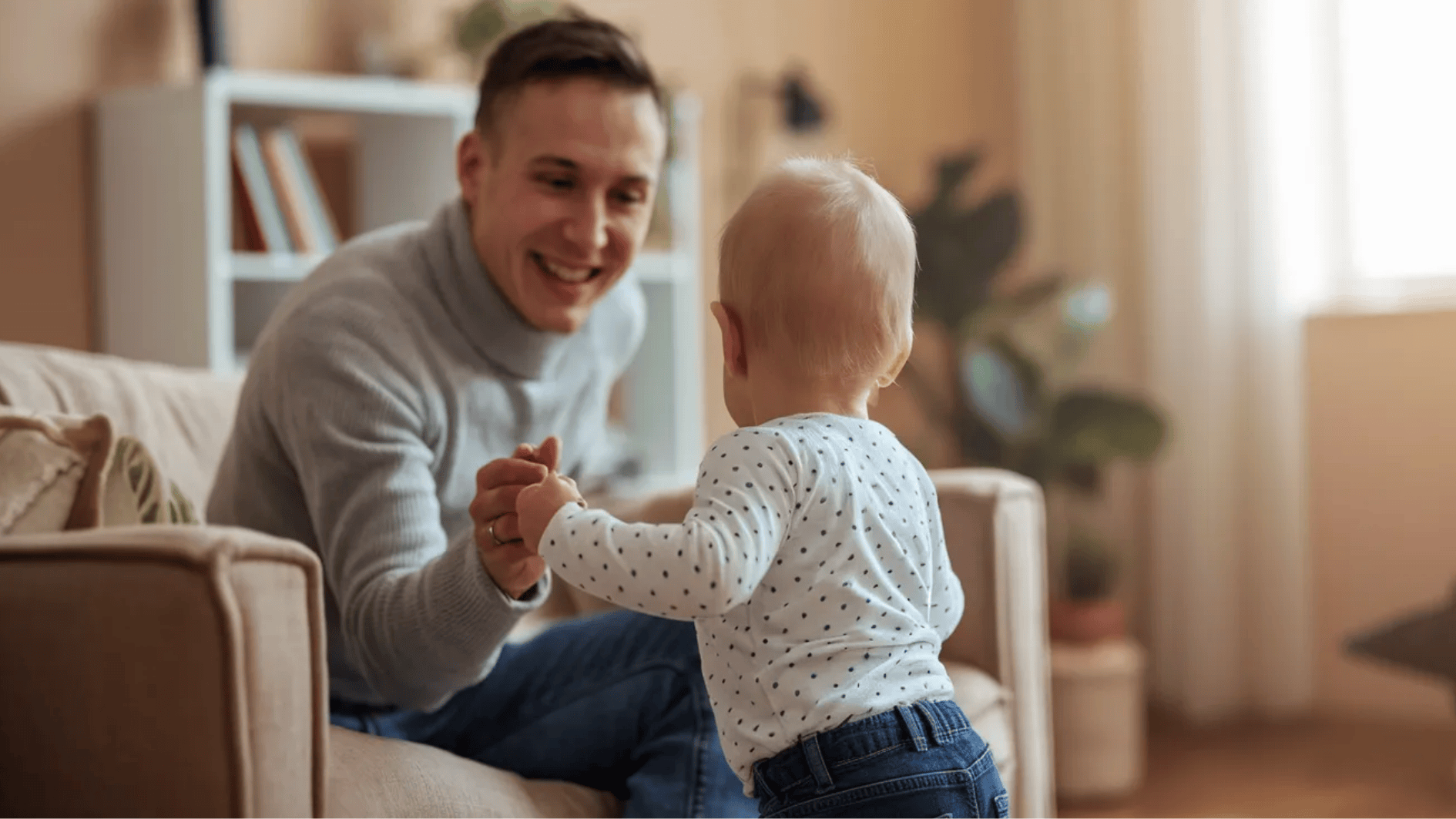
You can support your baby’s walking journey with simple daily habits. It’s more about consistency than doing anything special.
- Give your baby space to move and practice freely
- Support them gently while they try standing or stepping
- Keep their surroundings safe, so they feel confident trying
These small efforts help your baby build strength and confidence over time.
Expert Advice on Baby Walking Milestones
Parents often worry about delays, but experts say there is a wide range for walking. Understanding this stage can help you support your baby with more confidence.
“My pediatrician told me they don’t worry unless the baby isn’t walking by 18 months, as long as they are pulling up and cruising.” – TheCityGirl, Reddit
This aligns with standard pediatric guidance. Doctors focus more on overall progress, such as standing and cruising, rather than on exact walking age. Walking closer to 18 months can still fall within a normal range if development is steady.
“Our health visitor said it’s fine if they’re not walking yet, as long as they can bear weight and try to stand.” – Minai, Mumsnet Forum
Experts often look for strength and weight-bearing ability as key signs. If your baby can stand with support and is trying to move, it usually shows they are developing the skills needed for walking.
“He took a few steps at 11 months but didn’t really walk properly until 14 months.” – Masterchefzs, Mumsnet Forum
This reflects a common pattern. First steps and confident walking are different stages. Many babies take early steps and then need weeks or months to build balance and consistency.
“My baby preferred crawling for months even after taking steps because it was faster.” – throwawayparent123, Reddit
This is very common. Babies often switch between crawling and walking in the early stages. Crawling feels safer and quicker, so walking becomes consistent only after confidence builds.
Conclusion
Most babies start walking between 9 and 15 months, with many taking their first steps around their first birthday. Still, it’s normal for some babies to walk earlier or later than this range.
Growth, confidence, and environment all influence this milestone. Experts suggest focusing on your baby’s progress rather than comparing timelines.
Signs like standing, cruising, and trying independent steps show that your baby is moving in the right direction. If walking hasn’t started by 18 months or if something feels unusual, it’s best to speak with a pediatrician.
With patience and encouragement, your baby will reach this stage in their own time.