
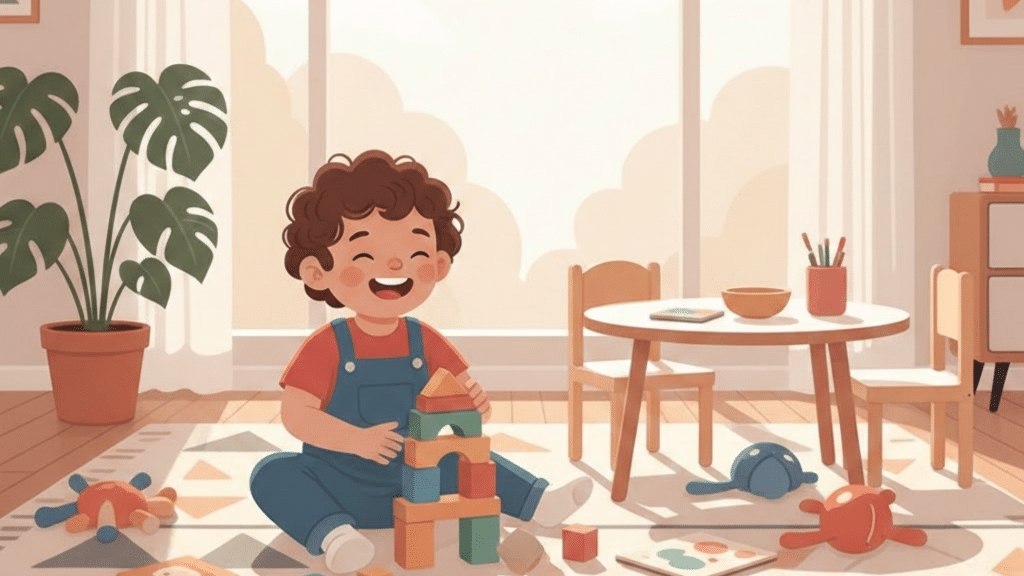
Keeping a three-year-old busy can feel hard, especially when you don’t want to spend a lot of money or time setting things up.
The good news is that simple activities work best at this age. Three-year-olds love to move, learn, pretend, and repeat the same games again and again.
You don’t need fancy toys or long plans to help them learn and have fun. With a few everyday items and a little creativity, you can create engaging activities at home, indoors, or outdoors.
These ideas are designed to be low-cost, easy to set up, and flexible for busy days.
Easy Activity Setup for Busy Parents
Setting up activities for a three-year-old doesn’t need to feel overwhelming.
| Item | Why It Helps |
|---|---|
| Paper (plain or scrap) | Great for drawing, tearing, and simple crafts |
| Crayons or Washable Markers | Builds fine motor skills and creativity |
| Painter’s Tape | Perfect for roads, shapes, and quick games |
| Plastic Cups And Bowls | Useful for sorting, stacking, and pouring |
| Towels Or Old Sheets | Help with mess control and fort building |
| Small Toy Bin Or Tray | Keeps activities contained and easy to clean |
When setup is simple, activities feel fun instead of stressful, and you’re more likely to keep them going every day.
Fun Toddler Activities for Your 3-Year-Old
Three-year-olds learn best through play, movement, and curiosity. These activities are simple to set up, low-cost, and designed to keep your child engaged while building important skills through everyday fun.
Indoor Activities at Home
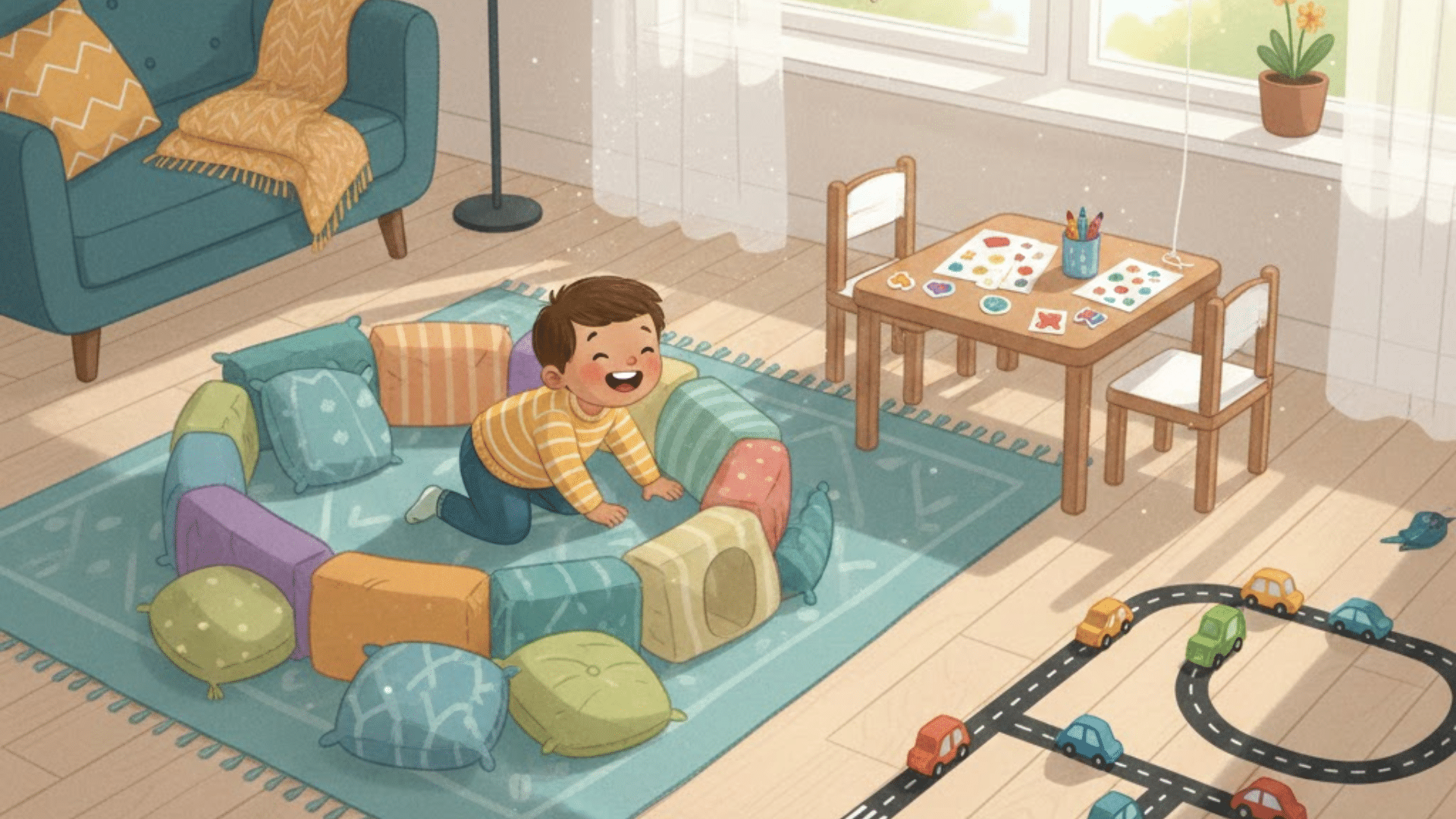
- Living Room Obstacle Course: Use pillows, cushions, and tape lines to create paths for jumping, crawling, and balancing. This helps build coordination, strength, and listening skills.
- Balloon Keep-It-Up Game: Ask your child to tap a balloon and keep it off the floor. This supports focus, movement control, and safe indoor energy release.
- Sticker Play Time: Let your child peel and place stickers on paper or cardboard. This builds fine motor skills and hand strength needed for writing later.
- Color Sorting Bowls: Sort toys, blocks, or household items by color into bowls. This supports early math skills and color recognition.
- Pretend Cooking Game: Use bowls and spoons to make pretend meals. This encourages imagination, language growth, and role play.
- Dance and Freeze Game: Play music and pause it randomly for freeze moments. This helps with listening skills and body control.
- Puzzle and Matching Time: Simple puzzles or matching games improve problem-solving and attention span.
- Book and Act-It-Out Play: Read a short story and act out scenes together. This builds memory, language, and confidence.
- Tape Roads for Toy Cars: Create roads on the floor using tape. This supports creative play and keeps toys organized.
- Sock Sorting Game: Match clean socks by color or size. This builds sorting skills and adds learning to daily routines.
Outdoor Activities for Active Play
- Nature Color Hunt: Ask your child to find items outside that match simple colors like green leaves or brown sticks. This builds observation skills and keeps walks interesting.
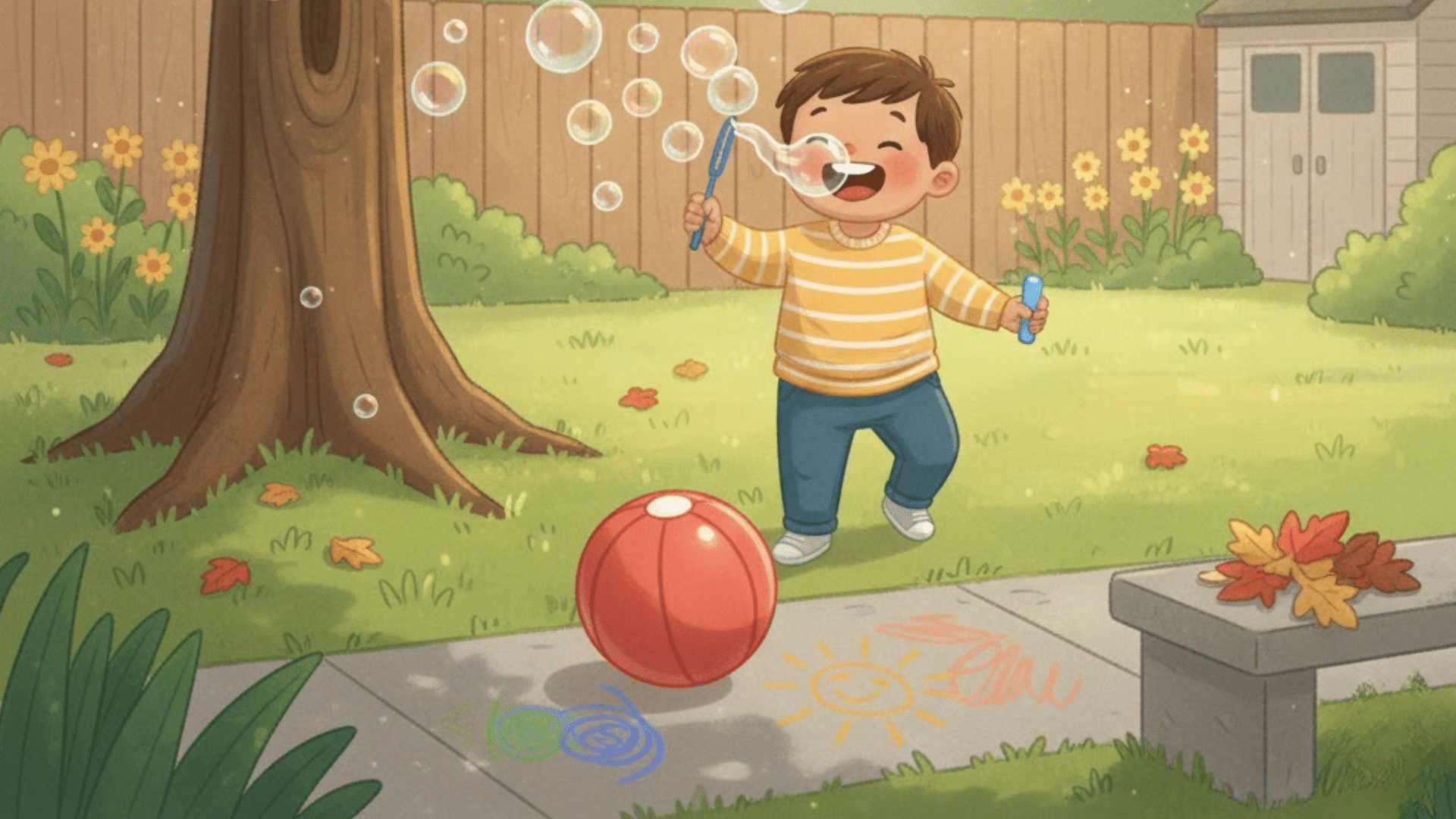
- Bubble Chasing Fun: Blow bubbles and let your child chase and pop them. This supports movement, eye tracking, and joyful outdoor play.
- Sidewalk Chalk Drawing: Let your child draw shapes, lines, or pictures on the ground. This helps with creativity and early writing skills.
- Water Pouring Station: Set out cups and a bucket with water. Pouring helps with hand control and focus on warm days.
- Ball Rolling Game: Roll a ball back and forth or down a small slope. This builds coordination and turn-taking skills.
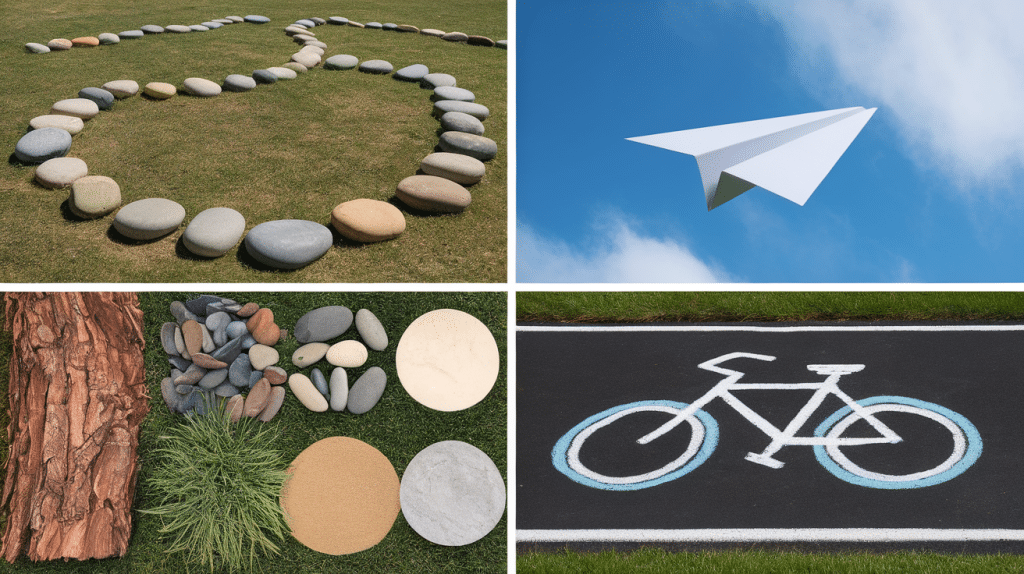
- Leaf and Rock Collection: Collect safe, natural items and talk about their size or texture. This encourages curiosity and simple sorting.
- Follow-the-Leader Walk: Take turns leading simple actions like hopping or tiptoeing. This improves listening and body awareness.
- Mini Garden Helper Task: Let your child water plants with a small can. This builds responsibility and fine motor control.
- Shadow Play: Watch and move shadows together. This sparks curiosity and early science thinking.
- Outdoor Story Time: Read a short book outside on a mat or blanket. This combines calm time with fresh air and focus.
Sensory Activities for Curious Toddlers
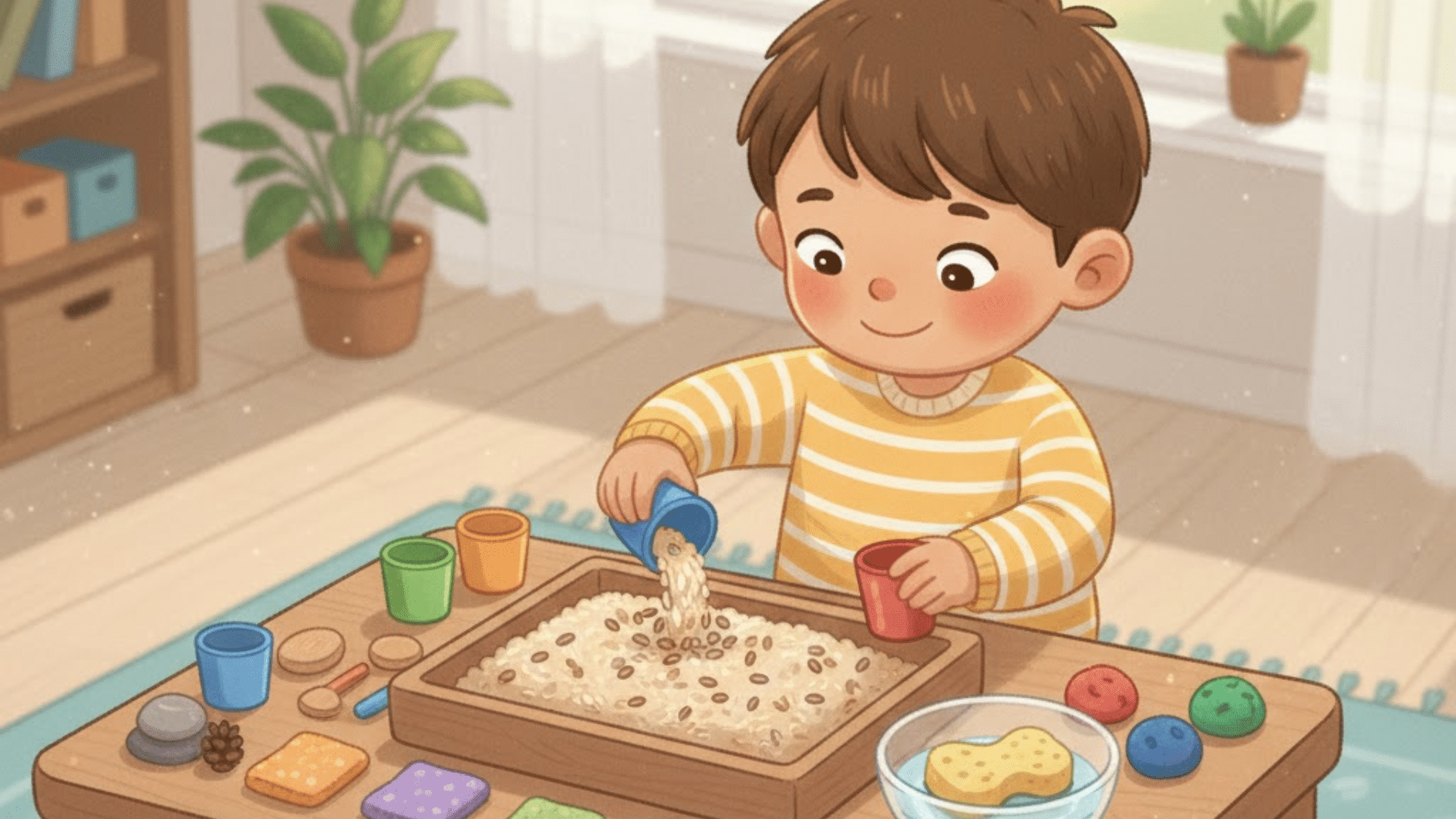
- Dry Rice Scoop Bin: Fill a container with rice and add cups or spoons for scooping. This supports hand control, focus, and calm play.
- Water and Sponge Play: Provide a bowl of water and a sponge to squeeze and soak. This builds hand strength and sensory awareness.
- Texture Touch Basket: Add soft, rough, smooth, and bumpy items to a basket. Talk about how each item feels to grow language skills.
- Ice Melting: Let your child touch and watch ice cubes melt in a bowl. This introduces early science through play.
- Play-Doh Press Time: Use store-bought or homemade dough for rolling and pressing. This strengthens fingers and boosts creativity.
- Sound Shaker Bottles: Fill sealed bottles with dry beans, pasta, or rice. This helps with listening skills and cause-and-effect learning.
- Sand Tray Drawing: Spread sand or flour on a tray and draw lines with fingers. This supports pre-writing skills.
- Smell Guess Game: Use safe scents like lemon or soap and guess the smell. This builds sensory awareness and memory.
- Warm and Cold Touch Play: Use warm cloths and cool spoons to learn about temperature. This builds sensory understanding safely.
- Bubble Wrap Pressing: Let your child press bubble wrap on the floor or table. This improves hand strength and sensory enjoyment.
Creative and Craft Activities for Little Hands
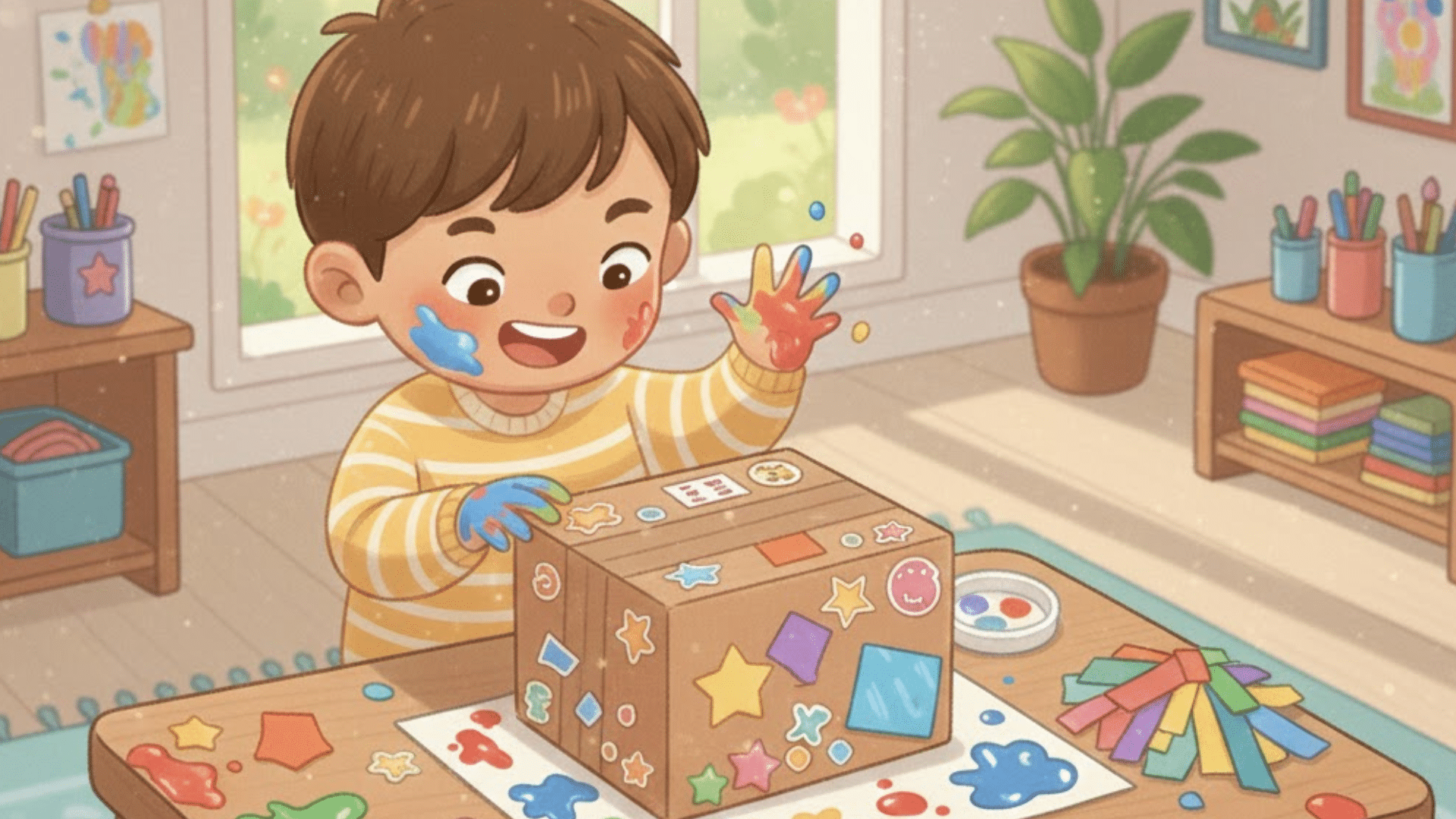
- Crayon Rubbing Art: Place paper over textured items like coins or leaves and color over them. This builds hand control and curiosity about patterns.
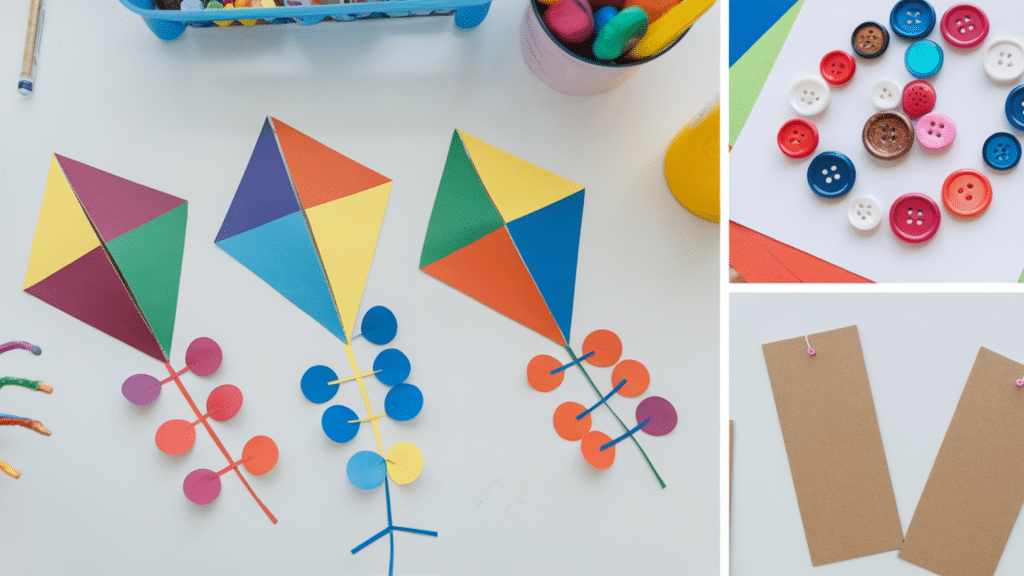
- Paper Tearing Collage: Tear colored paper and glue pieces onto a page. This strengthens fine motor skills and feels fun and freeing.
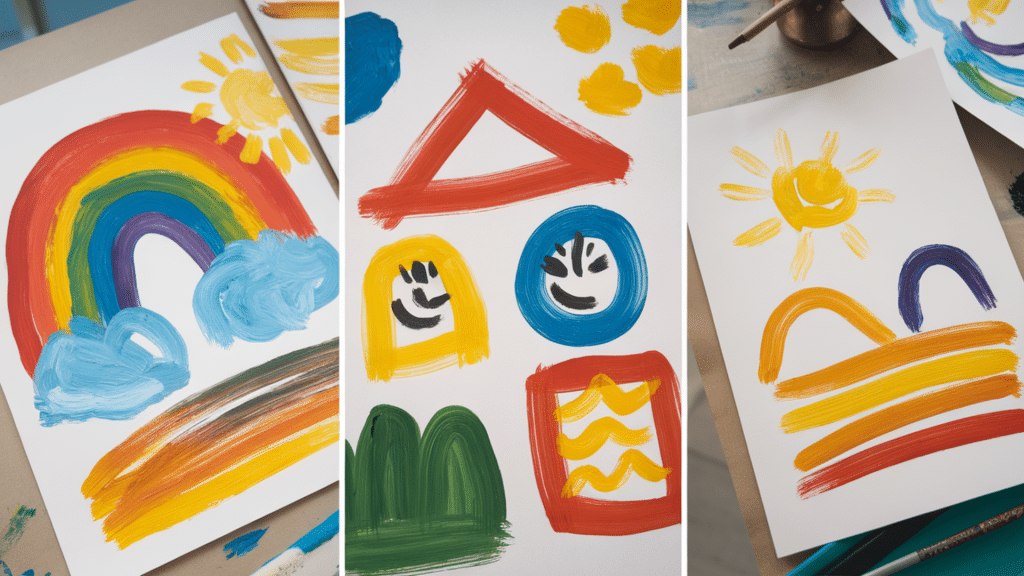
- Finger Painting Fun: Use washable paints and let your child use colors with fingers. This supports creativity and sensory play.
- Stamping with Household Items: Dip sponges, bottle caps, or toy blocks in paint to make prints. This teaches cause and effect.
- Sticker Shape Pictures: Use shape stickers to make simple pictures. This helps with shape recognition and focus.
- Cardboard Box Decorating: Let your child color and sticker a small box. This builds creativity and pretend play later.
- Glue Dot Practice: Place small glue dots and stick paper pieces on them. This supports hand strength and control.
- Foil Art Pressing: Wrap foil over cardboard and press shapes into it. This introduces texture and creative thinking.
- Paper Plate Mask Making: Draw a face and add paper features. This supports imagination and emotion talk.
- Color Mixing with Paint Bags: Seal paint in a zip bag and press colors together. This teaches color mixing with no mess.
Learning Activities That Feel Like Play
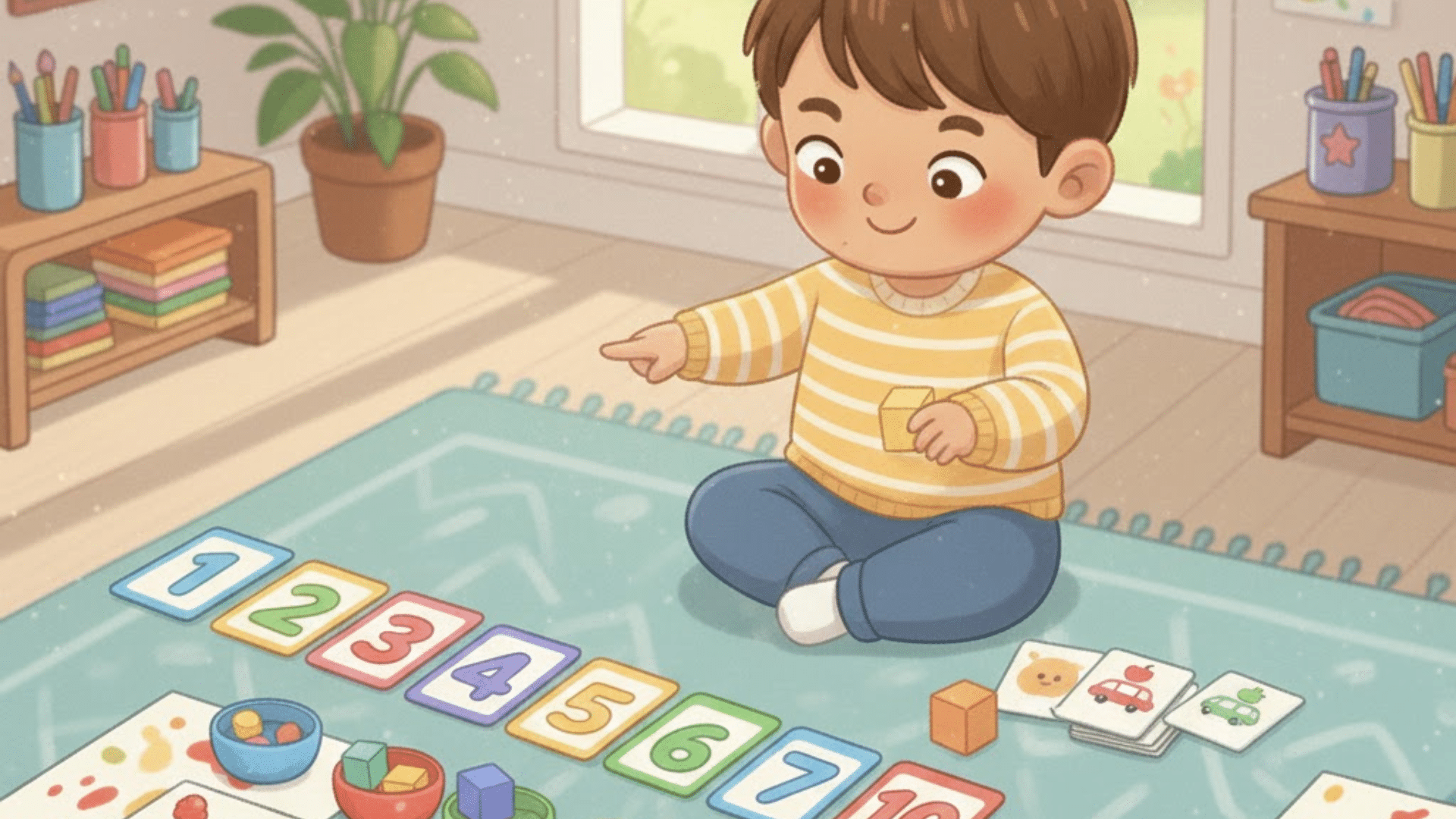
- Color and Shape Hunt: Ask your child to find items around the house that match a color or shape you name. This builds early math and thinking skills.
- Counting with Toys: Count toy cars, blocks, or dolls together up to five or ten. This helps with number awareness in a natural way.
- Alphabet Sound Game: Say a letter sound and name simple objects that start with it. This supports early language and listening skills.
- Size Sorting Game: Sort items into big and small groups. This builds comparison skills and early logic.
- Picture Card Matching: Match picture cards or homemade drawings. This improves memory and focus.
- Simple Pattern Making: Create patterns using blocks or beads, like red-blue-red. This supports early math thinking.
- Story Sequencing Play: Talk about what happened first, next, and last in a short story. This builds memory and storytelling skills.
- Number Hop Game: Write numbers on paper and hop from one to the next. This combines movement with learning.
- Everyday Object Naming: Name items during daily tasks like cooking or cleaning. This grows vocabulary naturally.
- Question and Answer Play: Ask simple questions like “What is this?” or “What color is it?” This encourages thinking and speaking.
Calm and Quiet Time Activities
- Soft Music and Drawing Time: Play gentle music while your child draws freely. This helps them relax and focus quietly.
- Sensory Calm Jar Watching: Shake a calm jar and watch the glitter settle. This supports emotional control and patience.
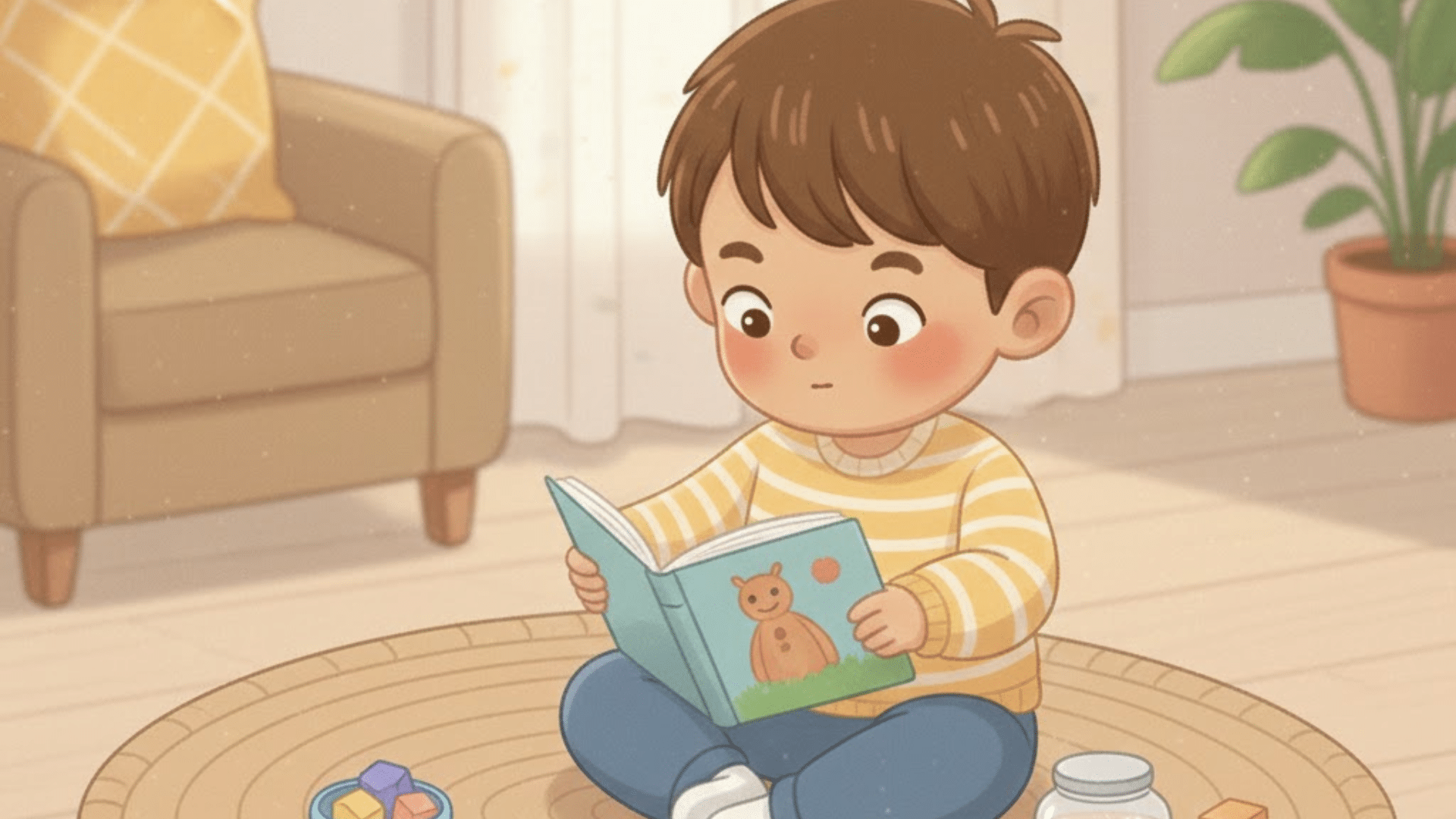
- Picture Book Browsing: Let your child flip through picture books at their own pace. This builds interest in reading without pressure.
- Stuffed Toy Story Talk: Use stuffed toys to tell slow, simple stories. This supports imagination and language in a calm way.
- Puzzle Tray Time: Set out one simple puzzle on a tray. This encourages focus and problem-solving.
- Matching Lids to Containers: Match lids to the right containers. This builds thinking skills and works well for quiet moments.
- Guided Stretch and Breathing: Do gentle stretches and take slow breaths together. This helps your child calm their body.
- Texture Book: Use books with flaps or textures to touch and feel. This keeps hands busy and minds calm.
- Quiet Toy Rotation: Offer one calm toy at a time, like blocks or figurines. This reduces overstimulation.
- Drawing Feelings Faces: Draw simple faces showing happy, sad, or tired. This helps your child understand emotions.
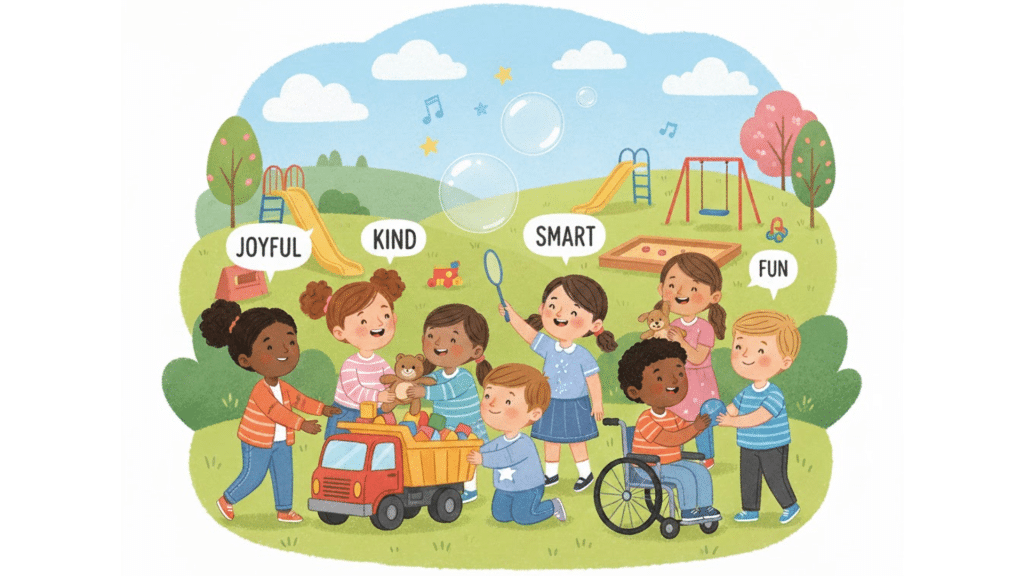
Group Play Activities for Social Skills
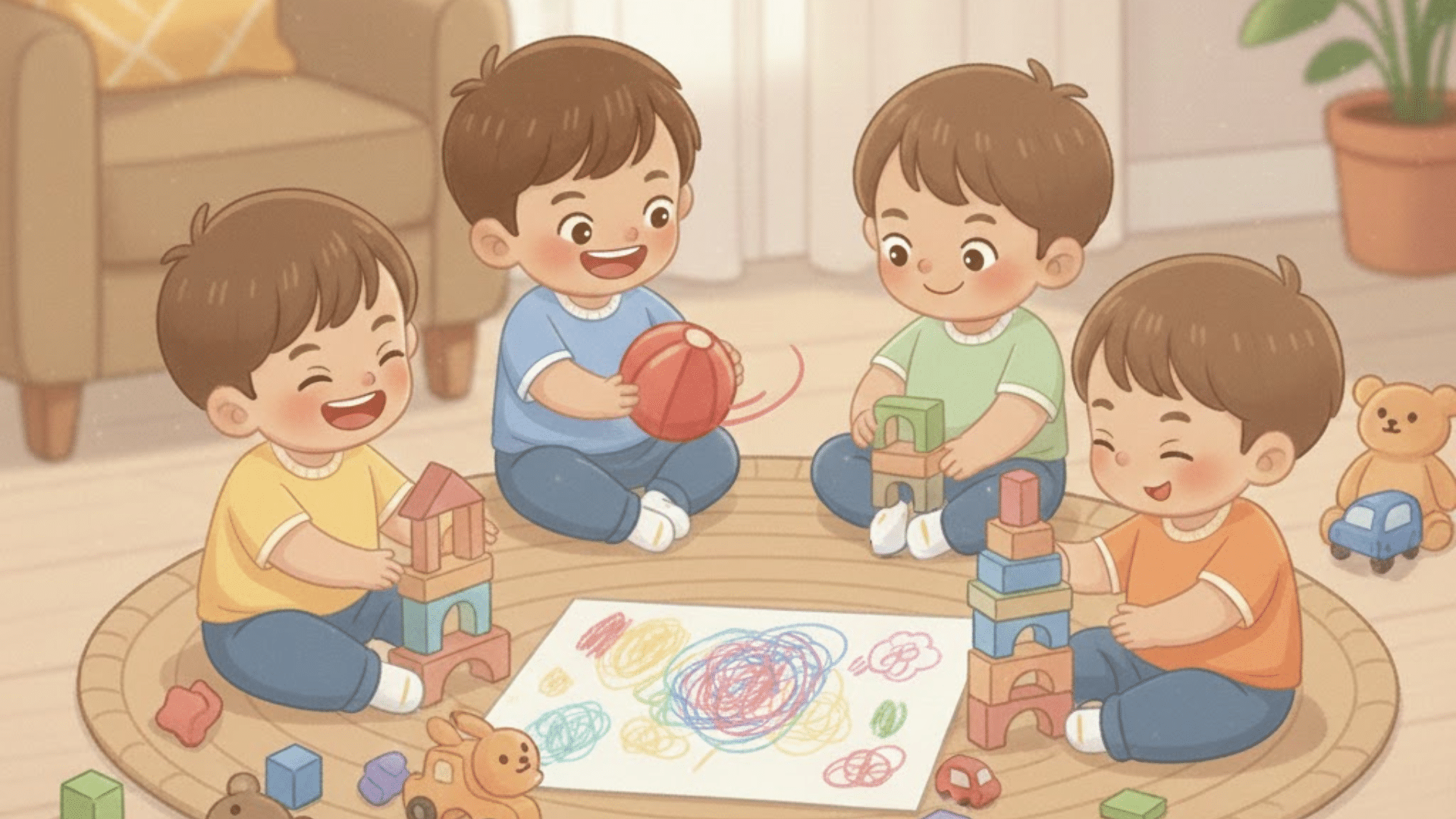
- Roll the Ball Turn Game: Sit in a circle and roll a ball to each other. This teaches turn-taking, waiting, and simple cooperation.
- Follow the Leader Actions: Take turns leading actions like clapping, jumping, or spinning. This builds listening skills and confidence.
- Toy Sharing Timer Game: Use a short timer for taking turns with one toy. This helps children practice sharing without pressure.
- Parachute Sheet Play: Hold a bedsheet and lift it up and down together. This supports teamwork and movement.
- Build Together Blocks: Give one set of blocks and build as a group. This teaches cooperation and simple planning.
- Pass the Music Game: Pass an item while music plays and stop when it pauses. This helps with focus and group awareness.
- Pretend Shop Play: One child “buys” items while another “sells.” This supports language and social interaction.
- Group Art Paper Drawing: Tape a large paper to the floor and draw together. This builds sharing space and creativity.
- Clean-Up Song Game: Sing a song while cleaning toys together. This makes teamwork fun and routine-based.
- Mirror Movement Play: One child moves while others copy. This builds attention and social connection.
These activities show that play does not have to be complicated to be meaningful.
With simple setups and everyday items, you can support your three-year-old’s learning, confidence, and social skills while keeping playtime calm, fun, and stress-free for everyone.
Simple Weekly Activity Plan
A weekly plan helps you mix movement, creativity, learning, and calm play without doing too much in one day.
| Day | Focus | Activity Ideas |
|---|---|---|
| Monday | Big Body Movement | Animal walk game, pillow jumping path |
| Tuesday | Hands-On Sensory | Rice pouring with cups, sponge squeeze play |
| Wednesday | Creative Expression | Finger painting, cardboard box decorating |
| Thursday | Thinking and Learning | Size sorting game, story sequencing play |
| Friday | Outdoor Play | Shadow play, leaf and rock collection |
| Saturday | Social Play | Parachute sheet play, pretend shop game |
| Sunday | Calm and Focus | Calm jar watching, guided stretching |
You can repeat favorite days, swap activities, or slow things down based on your child’s mood and energy.
Conclusion
Finding the right activities for a three-year-old does not have to be stressful or expensive.
Simple play using everyday items can support learning, movement, creativity, and social skills in a natural way. When activities are easy to set up, play feels more enjoyable for both you and your child.
Remember, repetition is helpful at this age, and there is no need to plan something new every day. Follow your child’s interests and energy levels, and let play lead the way.
If you found these ideas helpful, try saving this guide or sharing it with another parent.
You can also create your own activity list and rotate favorites to make daily playtime easier and more fun.