
Science experiments are a great way to engage kids and foster a love for learning. You don’t need expensive lab equipment or a classroom setup; many fascinating experiments can be done with materials found around the house.
If you’re looking for fun, educational activities for a rainy day or teaching moments that spark curiosity, these science experiments will keep your little one excited.
From simple chemistry reactions to creative physical science experiments, let’s see all the easy, hands-on projects for children of all ages!
Easy Kids’ Science Experiments
These fun and simple science experiments are perfect for introducing kids to the wonders of science. Each one uses common household items, and many of them can be easily visualized, making them ideal for hands-on learning with pictures.
1. Baking Soda Volcano
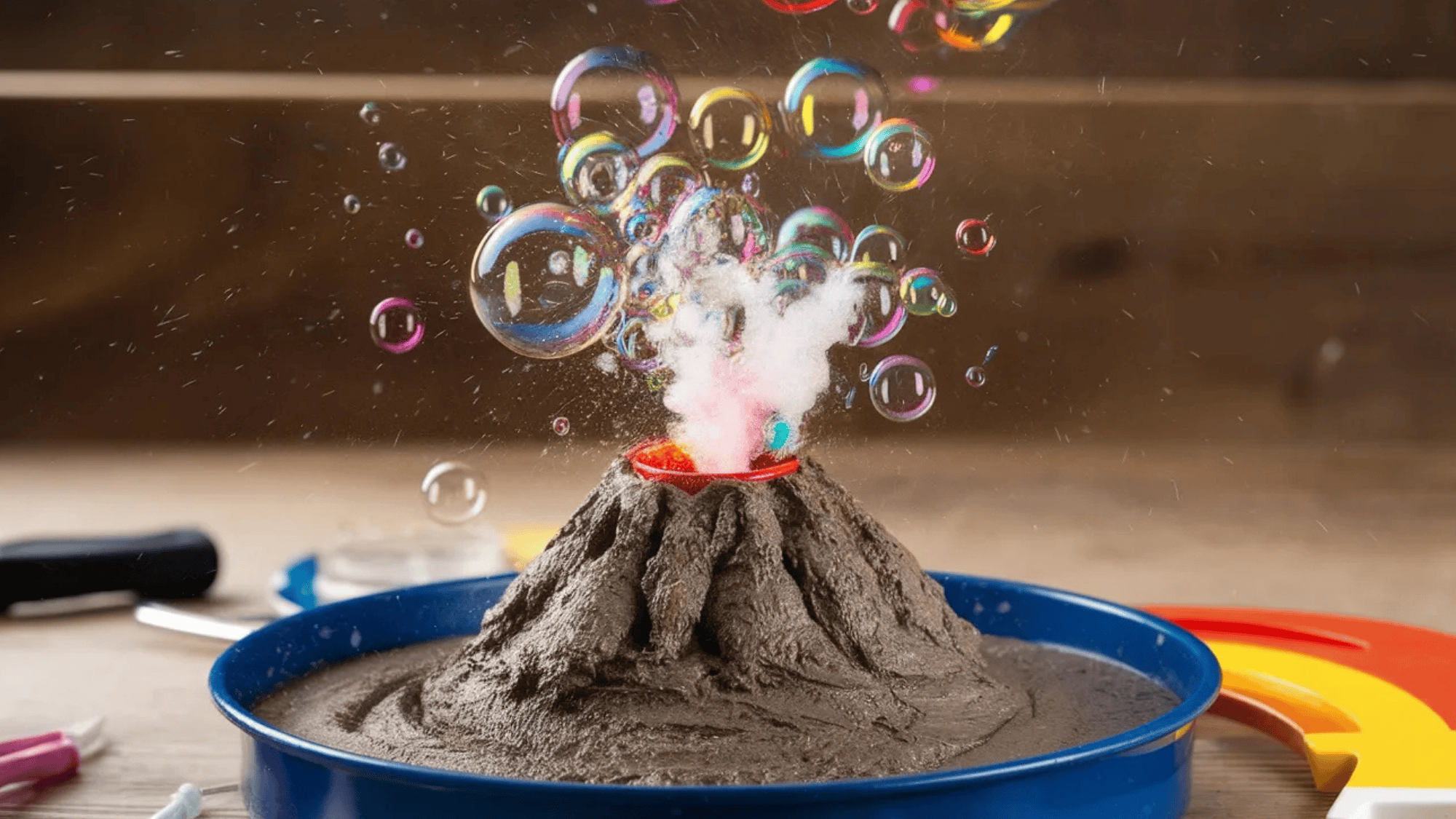
A classic science experiment where a chemical reaction causes a fizzy eruption, mimicking a volcanic eruption.
What you’ll need: Baking soda, vinegar, food coloring, and a bottle or container.
Start by filling a container with baking soda, and add a few drops of food coloring to make it visually appealing. Then, pour vinegar into the container to see the eruption.
The reaction between baking soda and vinegar will cause a fizzy eruption, mimicking a volcano.
2. Lava Lamp Experiment
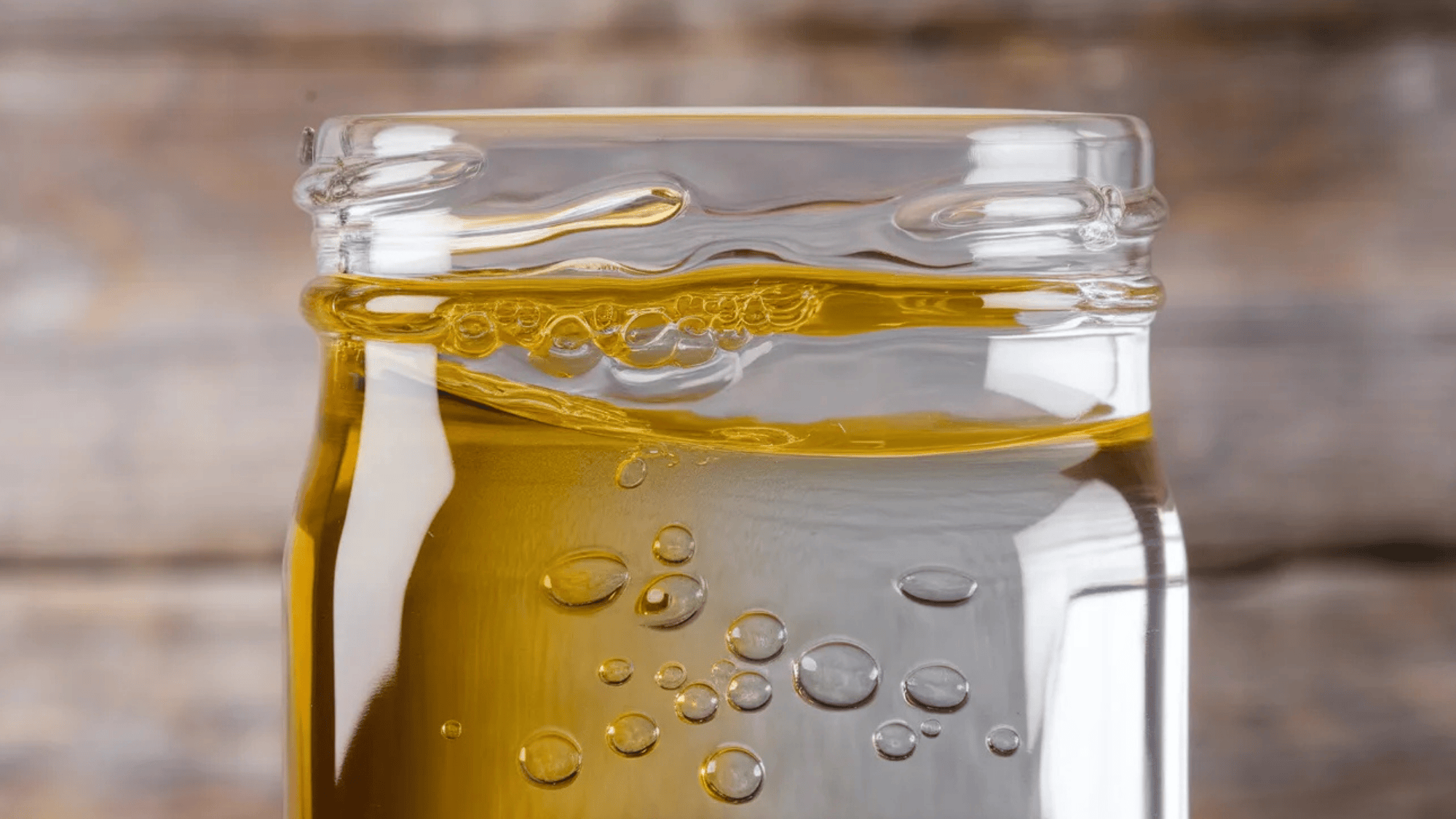
This experiment creates a bubbling, lava-like effect in a bottle, simulating the flow of lava.
What you’ll need: Water, oil, food coloring, an effervescent tablet (like Alka-Seltzer), and a bottle.
Fill the bottle about three-quarters full with vegetable oil. Add water to the bottle, filling it just slightly less than halfway. Add a few drops of food coloring to the water.
Drop an effervescent tablet like Alka-Seltzer into the bottle, and watch bubbles form and float through the liquid, creating a lava-lamp effect.
3. Invisible Ink with Lemon Juice
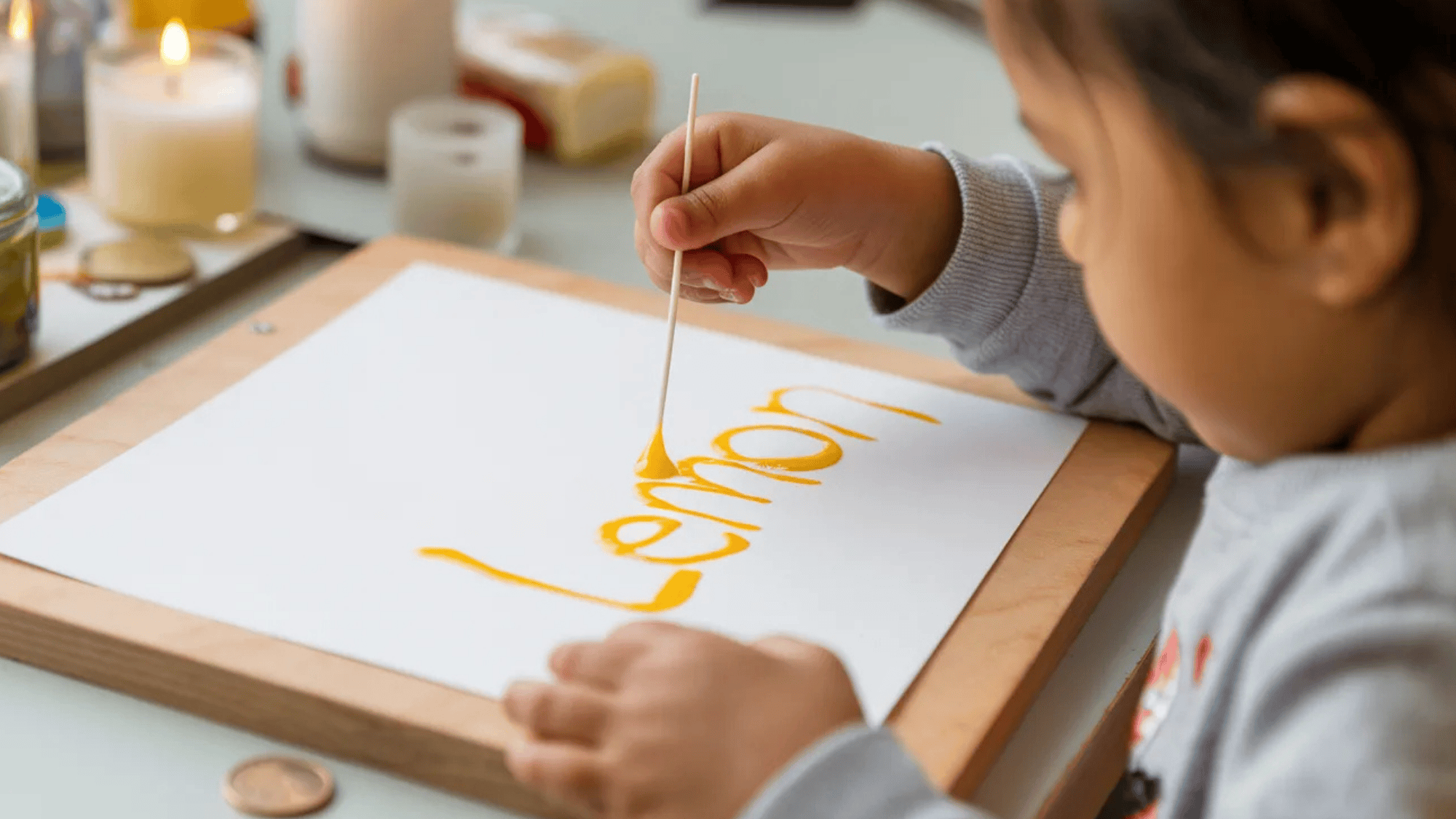
A fun way to write secret messages that only appear when heated.
What you’ll need: Lemon juice, cotton swabs, white paper, and a heat source.
Dip a cotton swab in lemon juice and use it to write a secret message on white paper. Let the paper dry completely.
Once dry, gently heat the paper with a lightbulb or an iron (set on low heat). The message will slowly appear as the lemon juice darkens with the heat, revealing your secret writing.
4. Homemade Slime
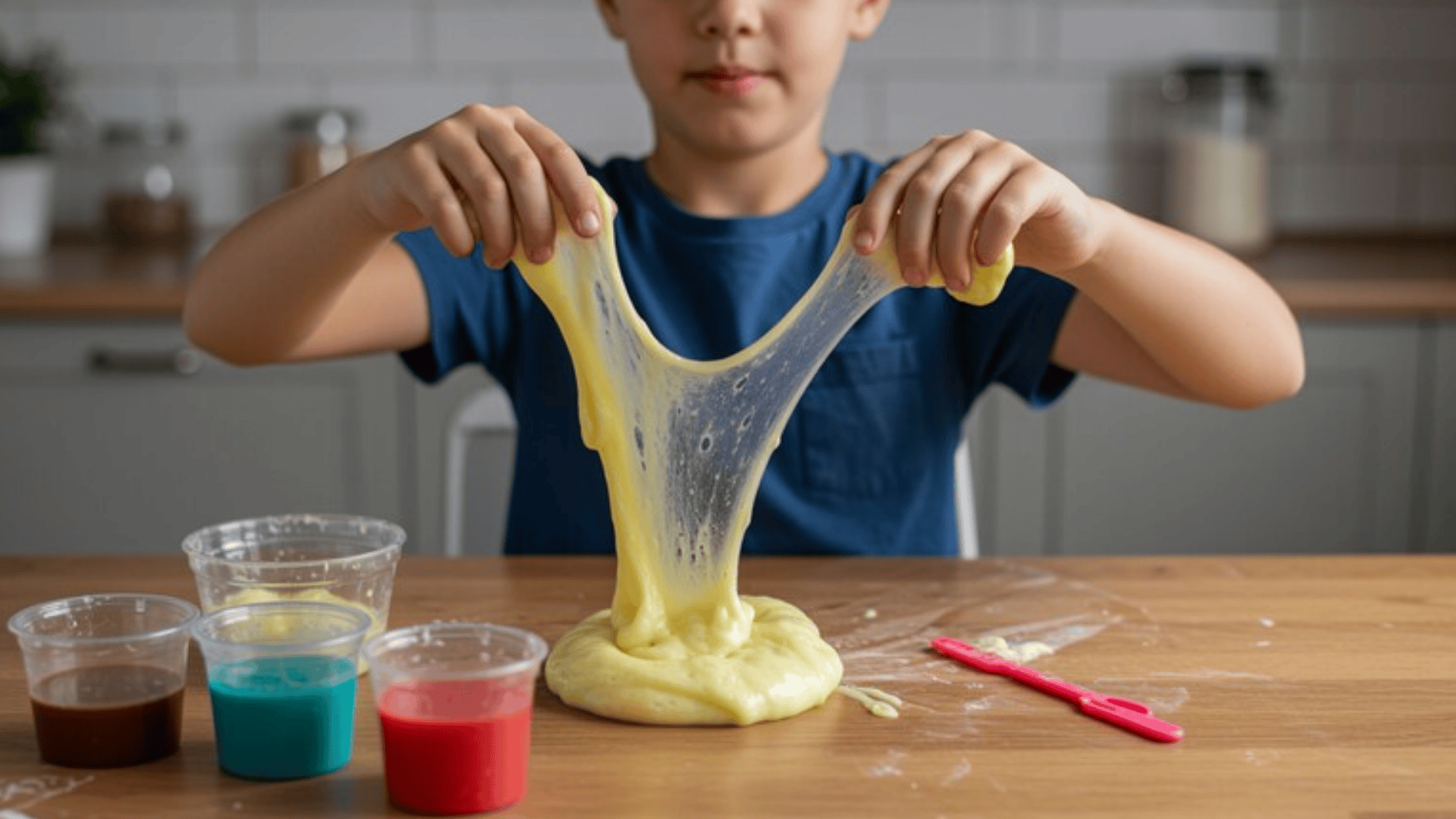
Create a stretchy, gooey substance with simple ingredients that’s perfect for hands-on play.
What you’ll need: Glue, baking soda, contact lens solution, and food coloring.
Mix about 4 ounces of white school glue with 1/2 teaspoon of baking soda. Gradually add 1 tablespoon of contact lens solution, stirring until the mixture thickens and forms slime.
Once the slime forms, knead it with your hands until it becomes smooth and stretchy. Add food coloring for added fun!
5. Static Electricity with a Balloon
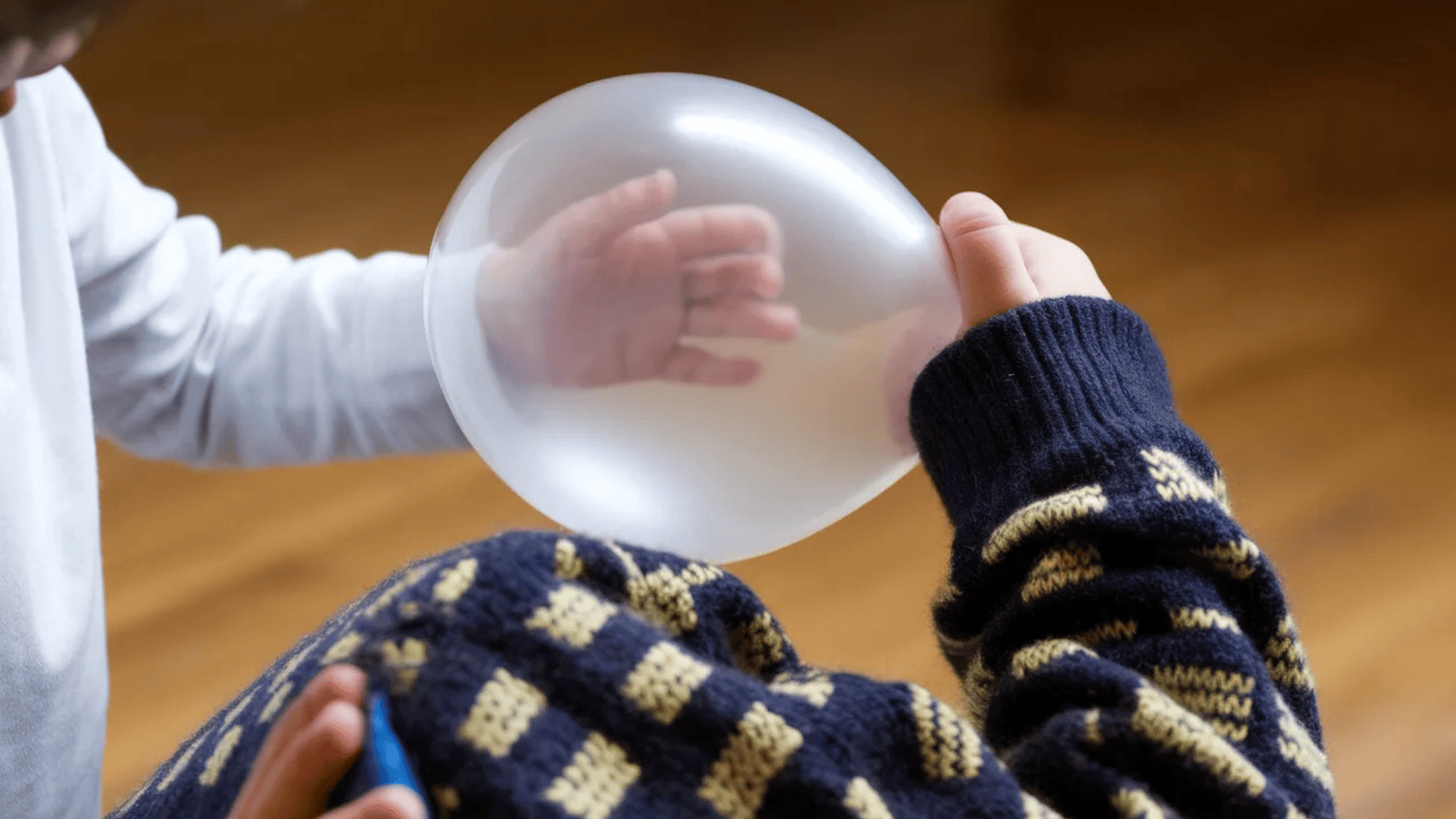
This experiment demonstrates how static electricity can make objects move.
What you’ll need: A balloon, a wool sweater, and a small piece of paper.
Rub the balloon against a wool sweater for about 30 seconds to build up static electricity. Hold the balloon close to small pieces of paper, and you’ll see them move toward the balloon, showing the effects of static electricity.
It’s a fun way to visualize how static charges can attract objects!
6. Egg in a Bottle Experiment
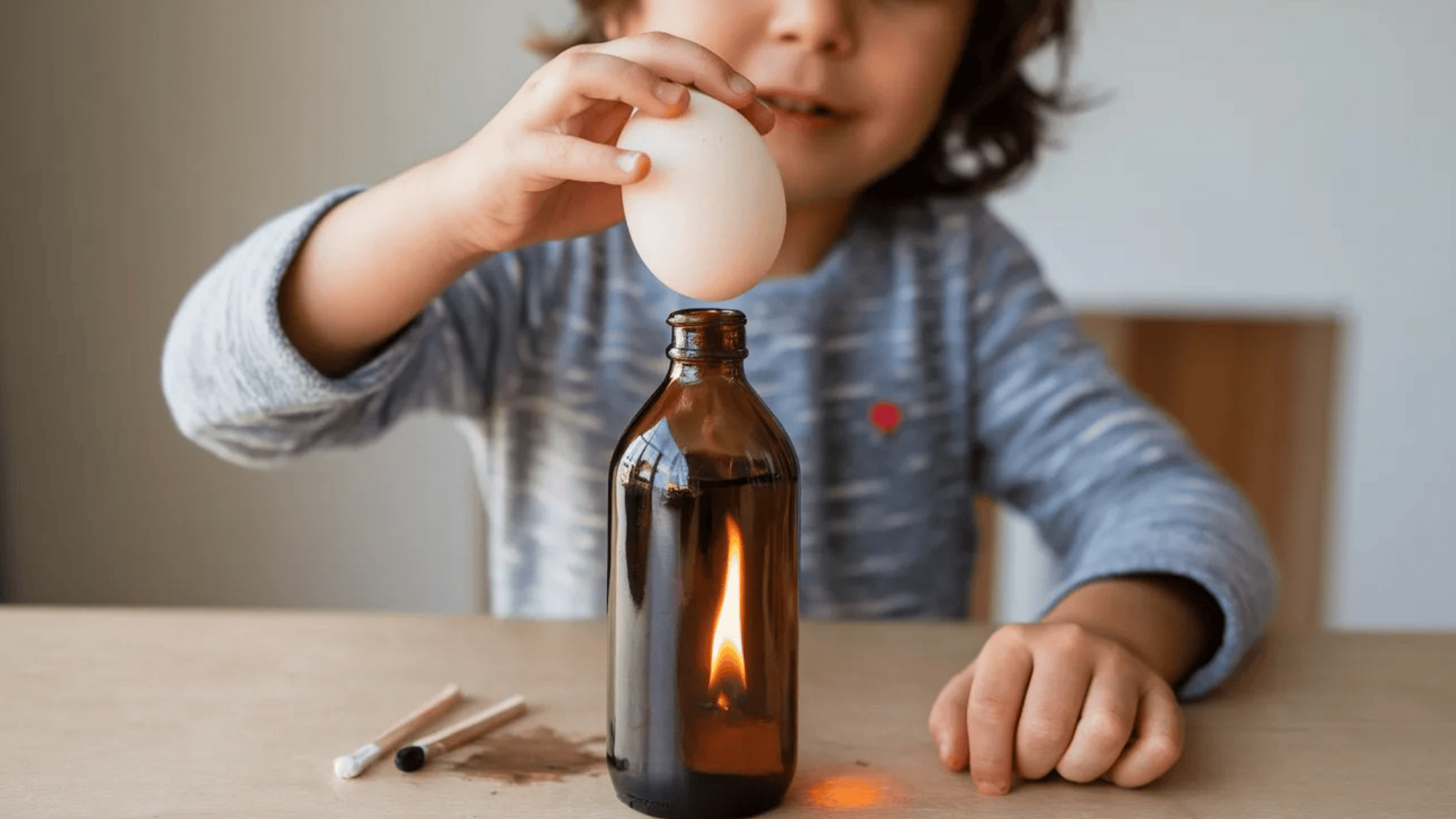
A science demonstration showing how air pressure can move objects.
What you’ll need: A hard-boiled egg (with the shell removed), a glass bottle with a narrow neck, and a match.
Light a match and drop it into a bottle. Quickly place the hard-boiled egg (without the shell) on the neck of the bottle.
As the air inside the bottle cools, the pressure inside drops, causing the egg to get sucked into the bottle. This demonstrates how air pressure works in a simple and fun way.
7. Dancing Raisins
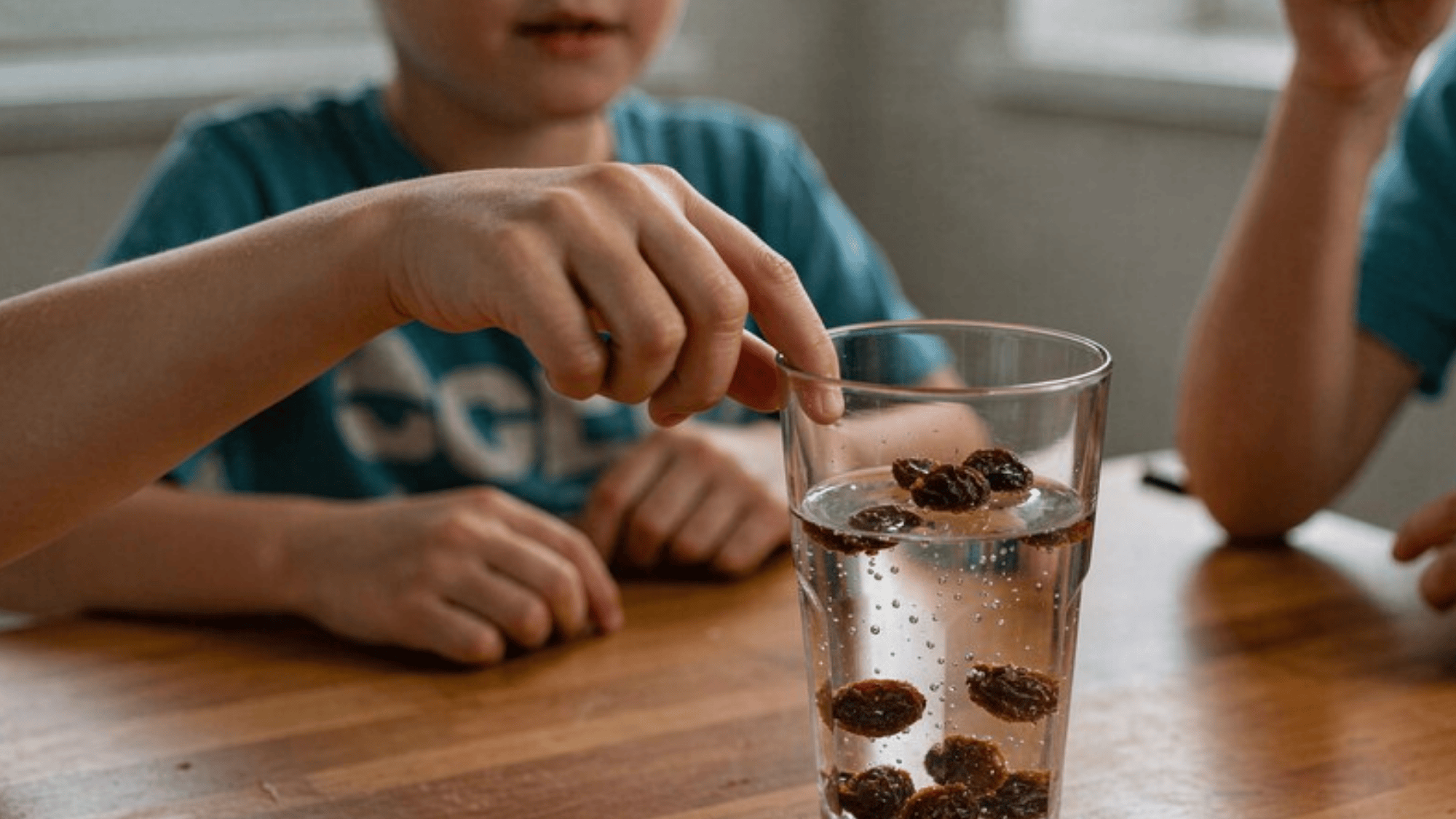
Watch raisins “dance” in a carbonated liquid due to the power of bubbles.
What you’ll need: Clear soda (like Sprite), raisins, and a glass.
Fill the glass with clear soda, such as Sprite, and drop in a few raisins. Watch as the carbonation in the soda attaches to the raisins, lifting them up and then letting them fall back down.
The raisins will seem to “dance” as the bubbles move them up and down in the liquid!
8. Color Changing Milk
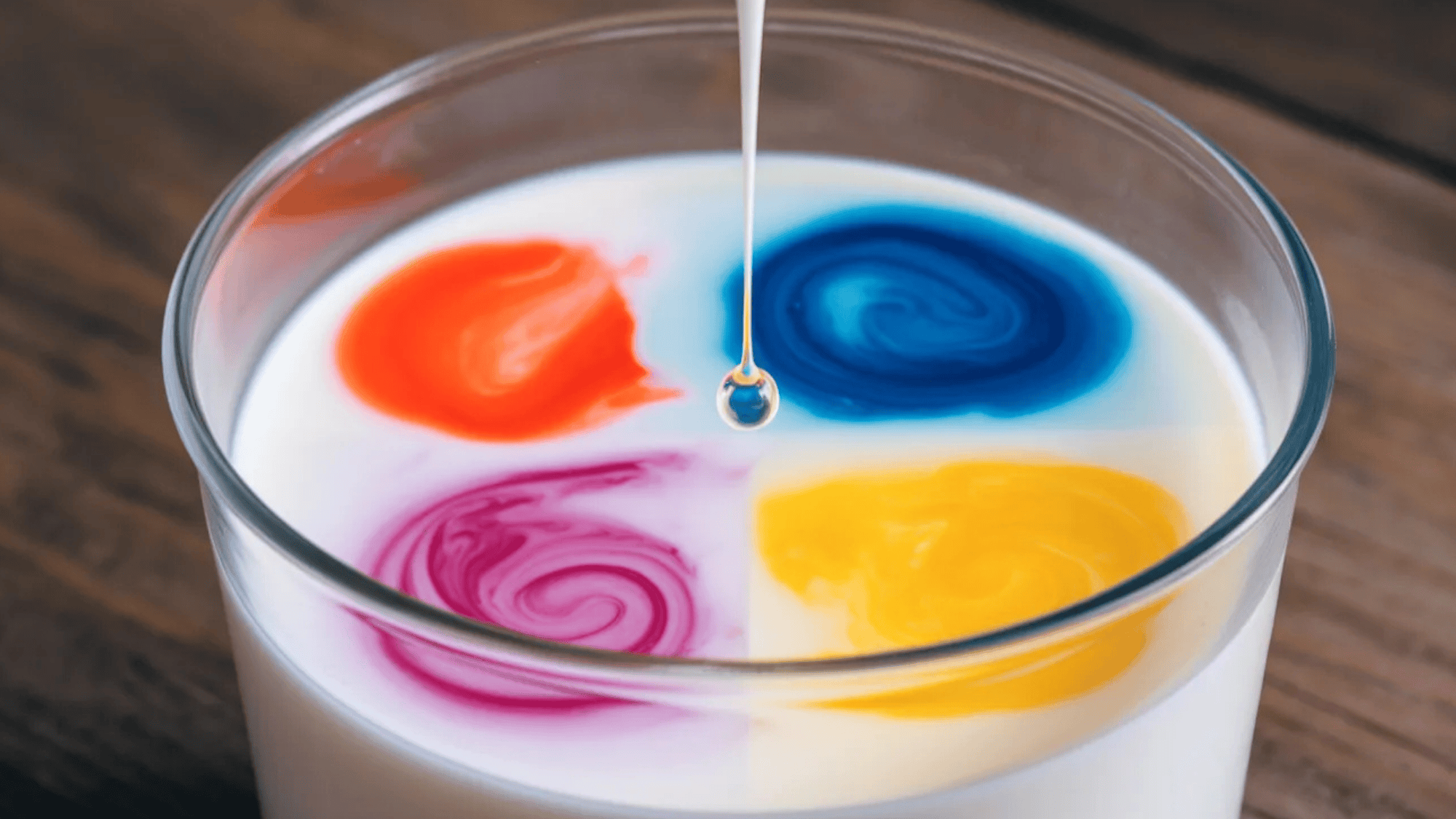
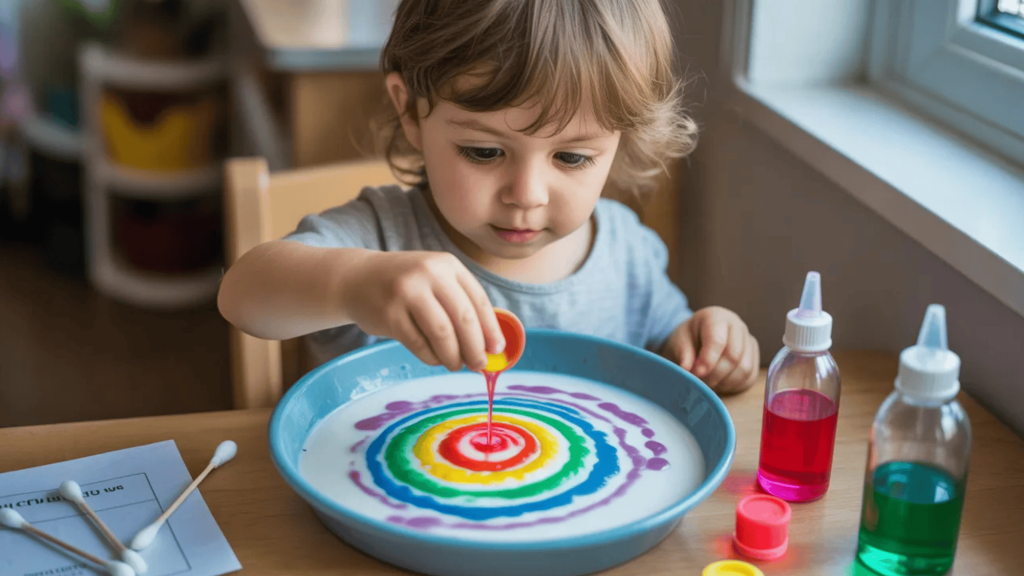
This experiment shows how soap can break the surface tension of milk, causing food coloring to swirl and move.
What you’ll need: Milk, food coloring, dish soap, and a shallow dish.
Pour milk into a shallow dish and add a few drops of different food coloring. Then, dip a cotton swab into dish soap and gently touch it to the center of the milk.
Watch as the food coloring swirls and dances around the soap, creating beautiful patterns.
9. Homemade Weather Vane
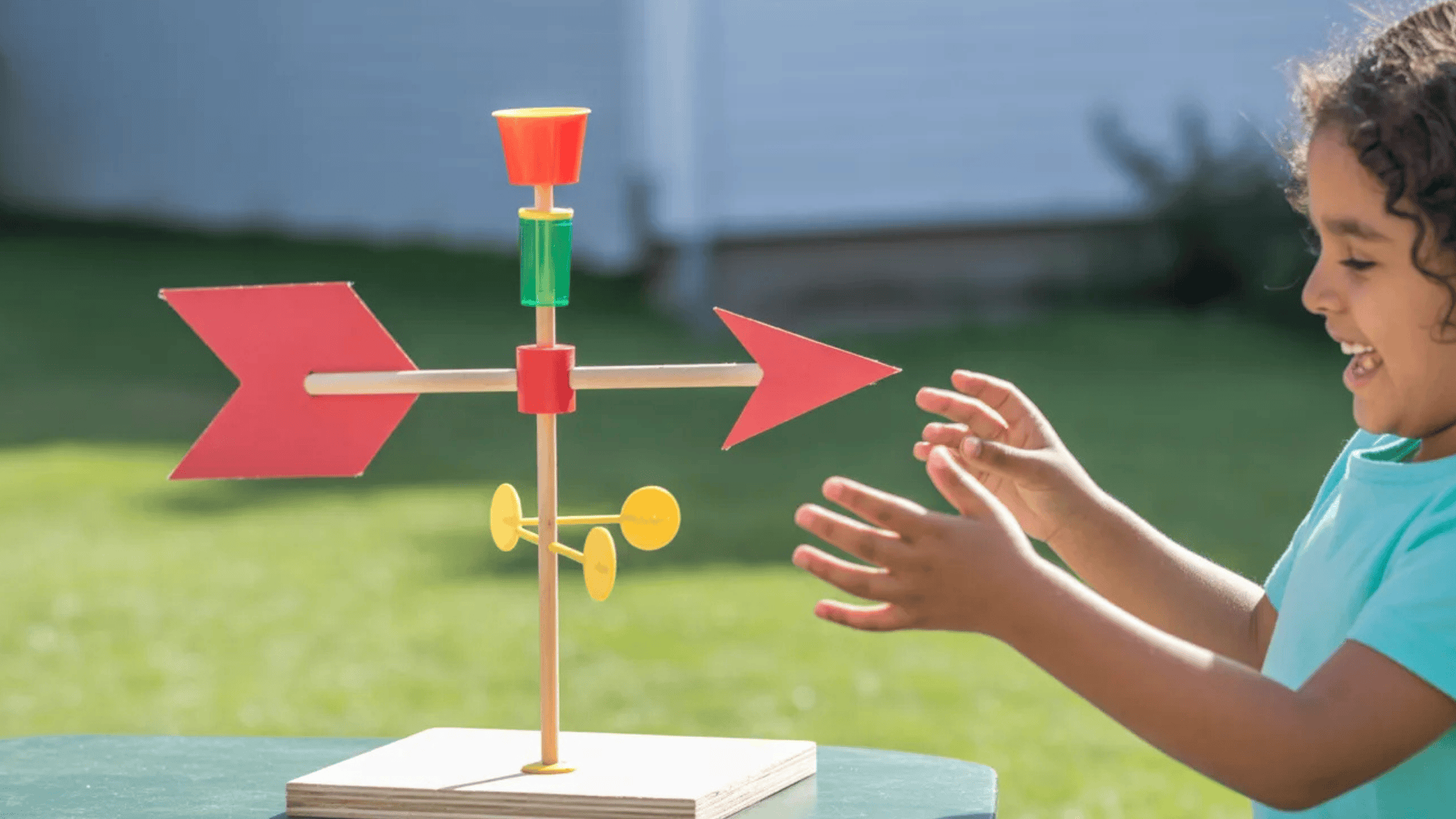
Create a simple device to show the direction of the wind using household materials.
What you’ll need: A straw, paper, a pin, and a pencil with an eraser.
Stick the straw into the eraser of a pencil and attach a paper arrow to each end of the straw. Pin the straw to a piece of paper or cardboard so it can spin freely.
Place your weather vane outside and watch how it spins to show the wind’s direction!
10. Turn Milk Into Plastic
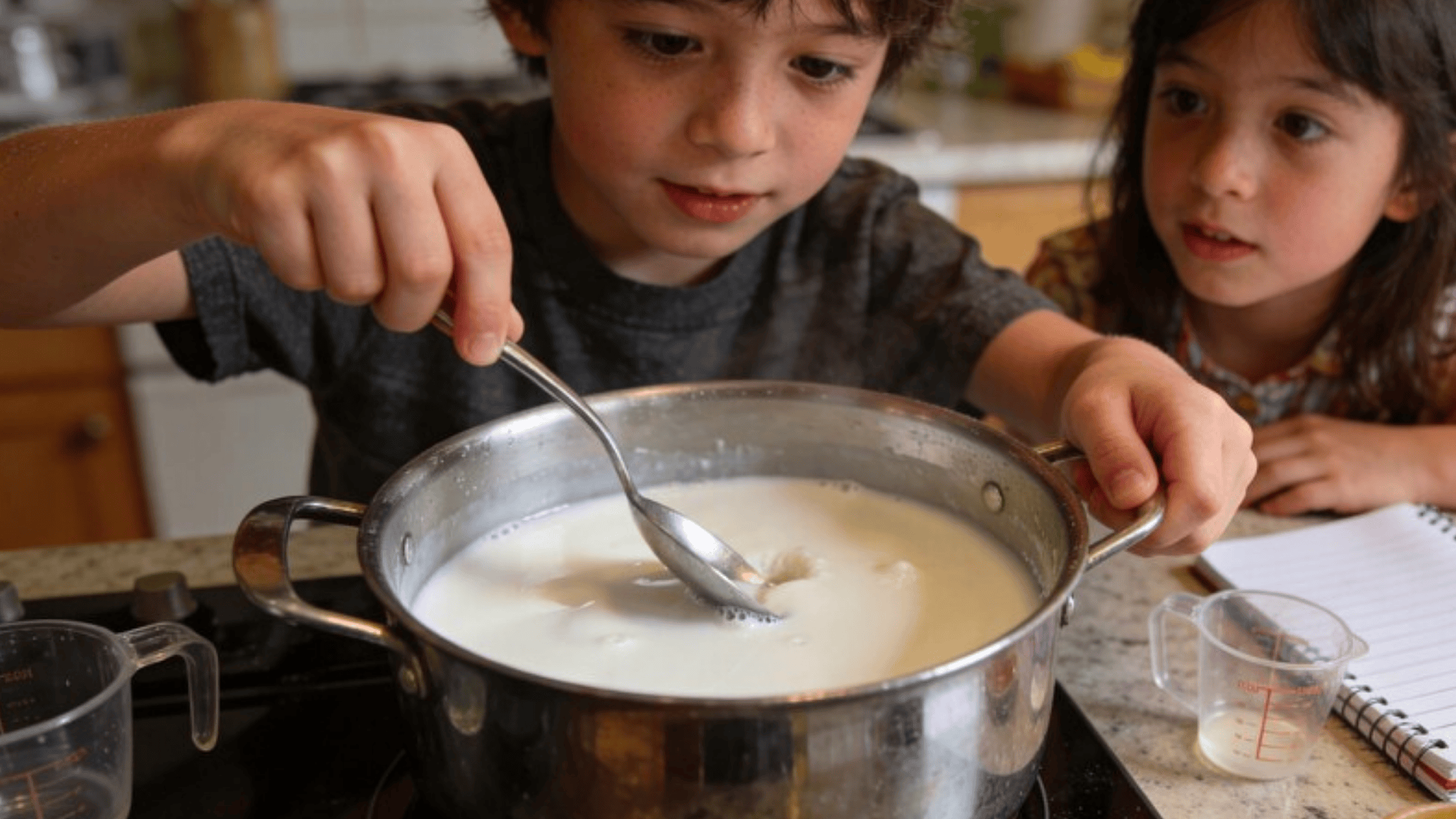
Milk can be turned into a plastic-like substance using vinegar, and it’s a fun experiment to demonstrate how different materials react to acids.
What you’ll need: Milk, vinegar, a saucepan, a spoon, and a strainer.
Heat the milk in a saucepan until it’s warm, then slowly add vinegar while stirring. The milk will start to curdle. Once it separates into curds and whey, strain the curds and let them cool. The curds will harden into a plastic-like material.
11. Paper Rocket Launch
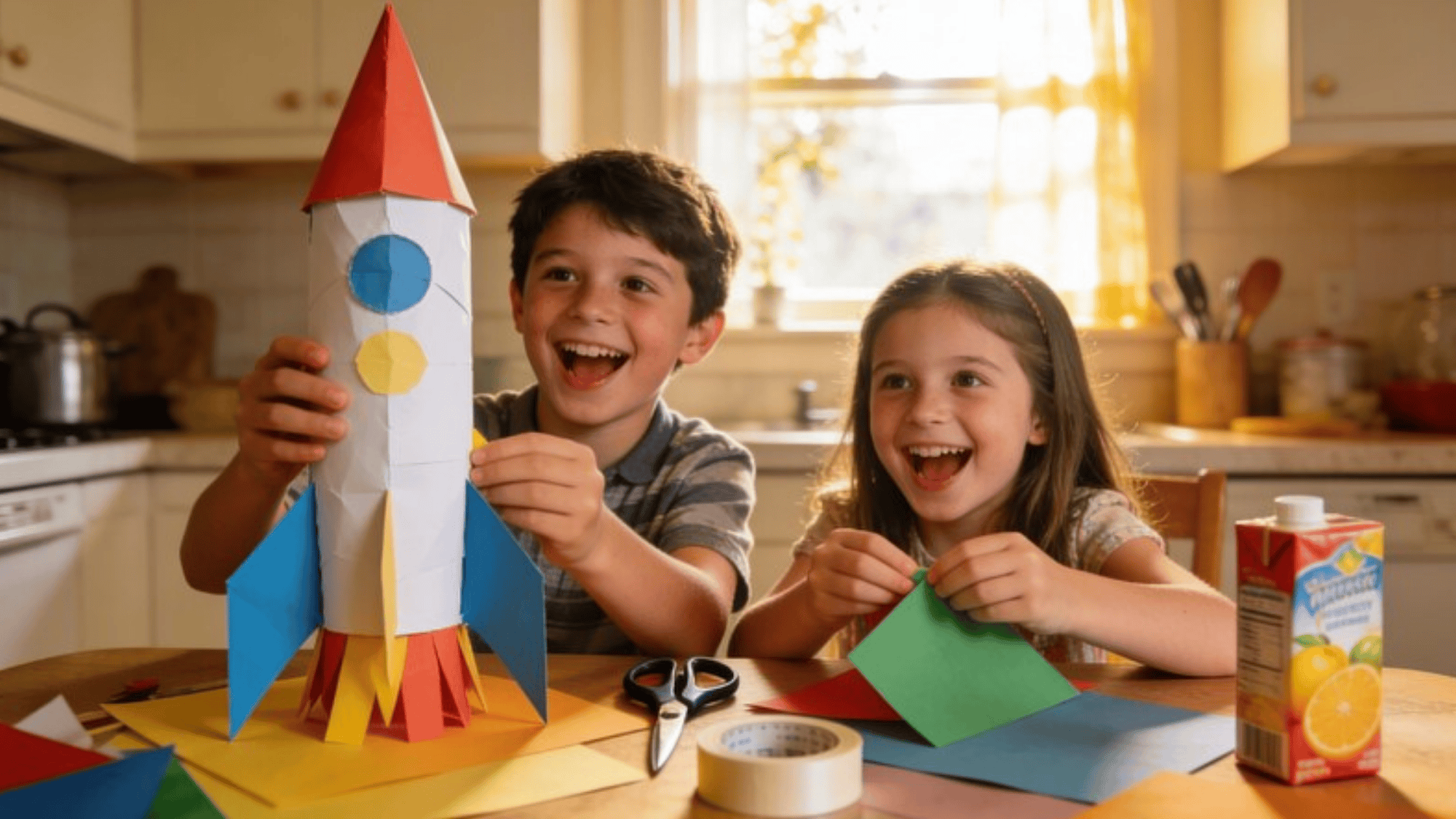
Create a simple paper rocket and launch it using air pressure.
What you’ll need: Paper, straw, and tape.
Roll a piece of paper into a rocket shape and secure it with tape. Insert the paper rocket into a straw and blow through the straw to launch it into the air. This experiment demonstrates basic physics and air pressure.
12. Floating Egg Experiment
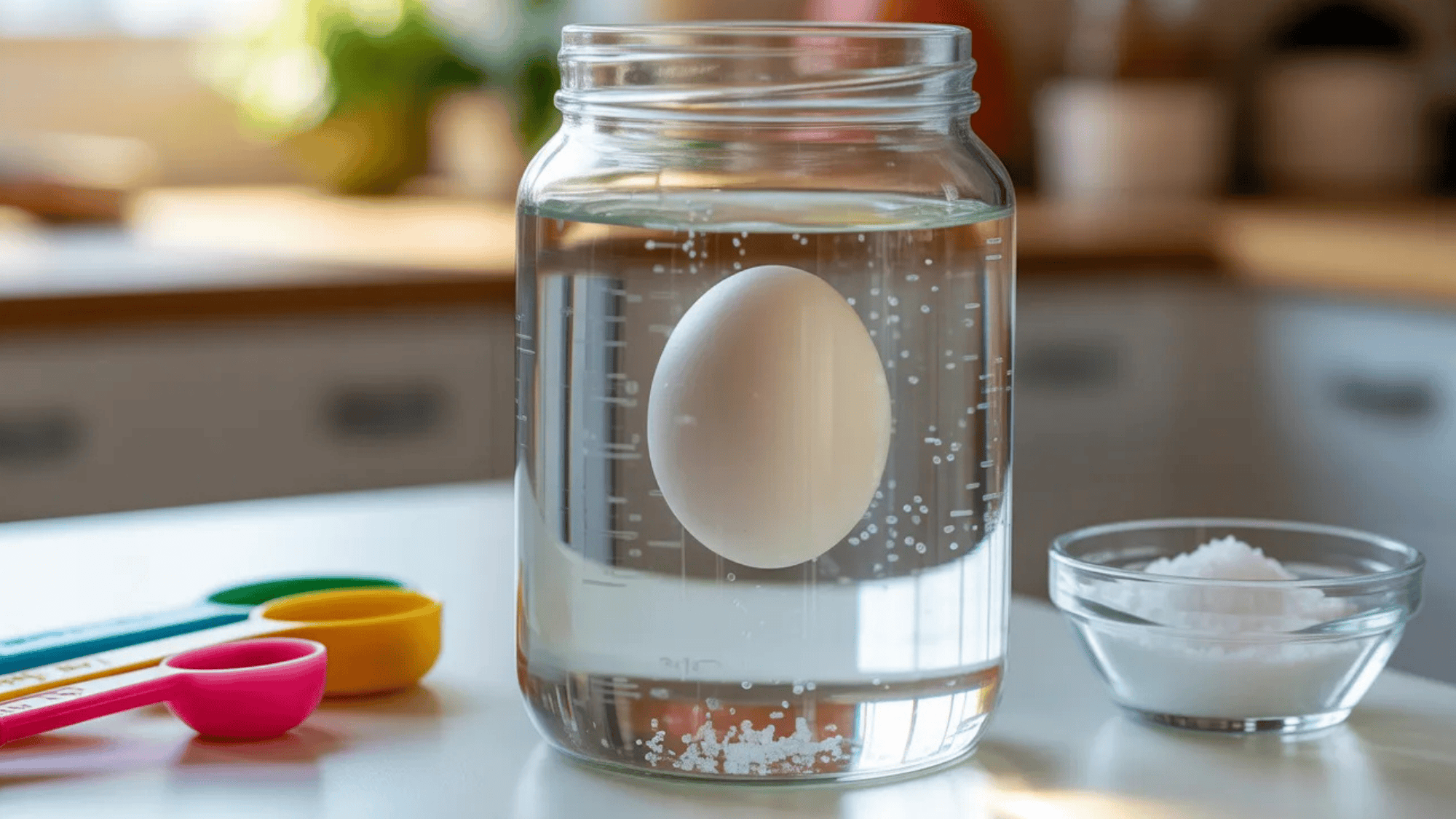
Explore how density affects whether an object will float or sink.
What you’ll need: Salt, water, and an egg.
Fill a bowl with water and dissolve salt into it until it’s saturated. Place the egg in the water. Because the saltwater is denser than regular water, the egg will float, showcasing the concept of density.
13. Simple Circuit with Light Bulb
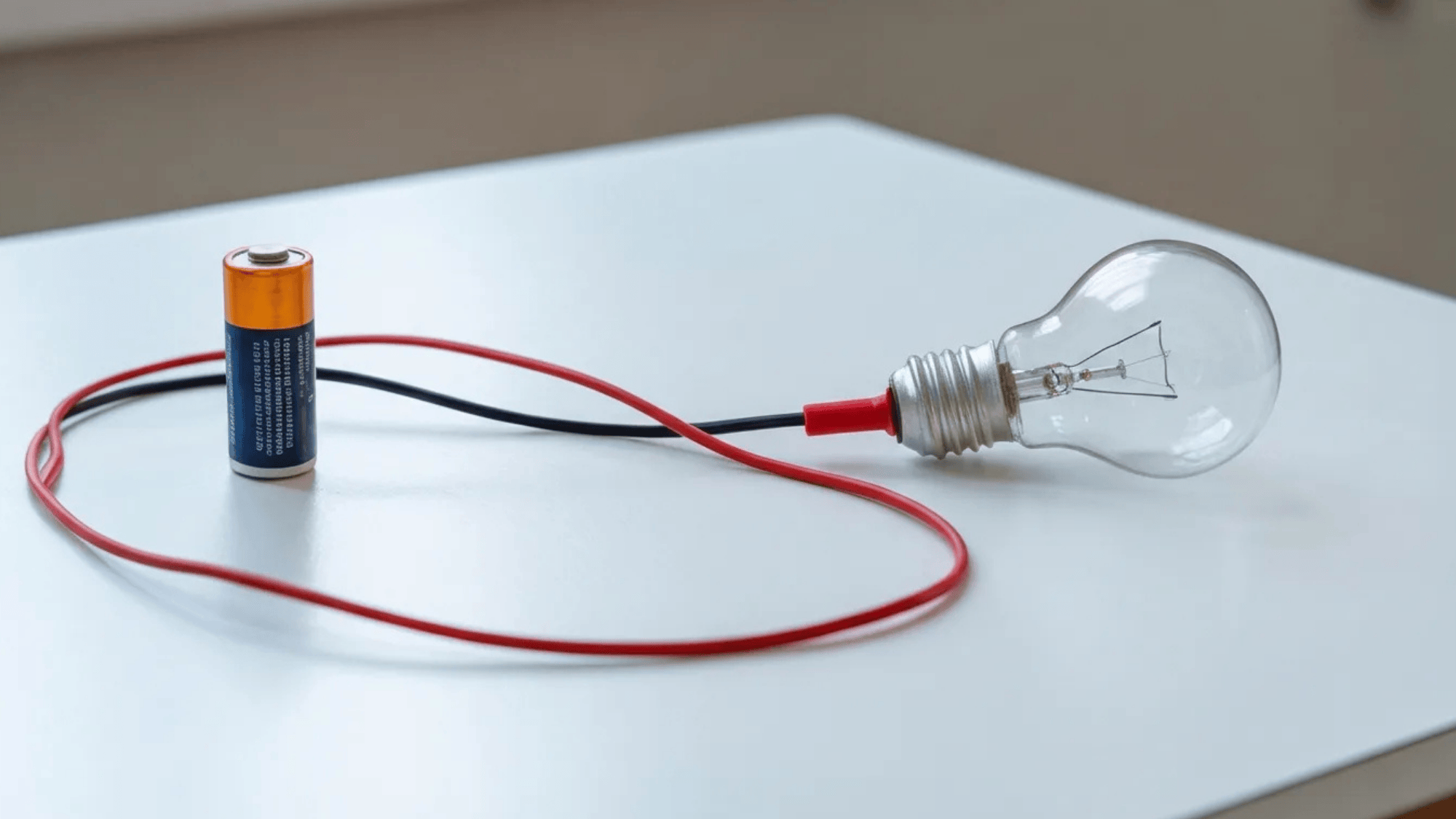
An easy way to demonstrate how electricity flows through a circuit.
What you’ll need: A battery, a light bulb, and wires.
Connect the wires to the battery and light bulb. Complete the circuit by attaching the wires to the light bulb, and it will light up. This experiment demonstrates how electricity flows through a circuit to power a device.
14. Water Surface Tension
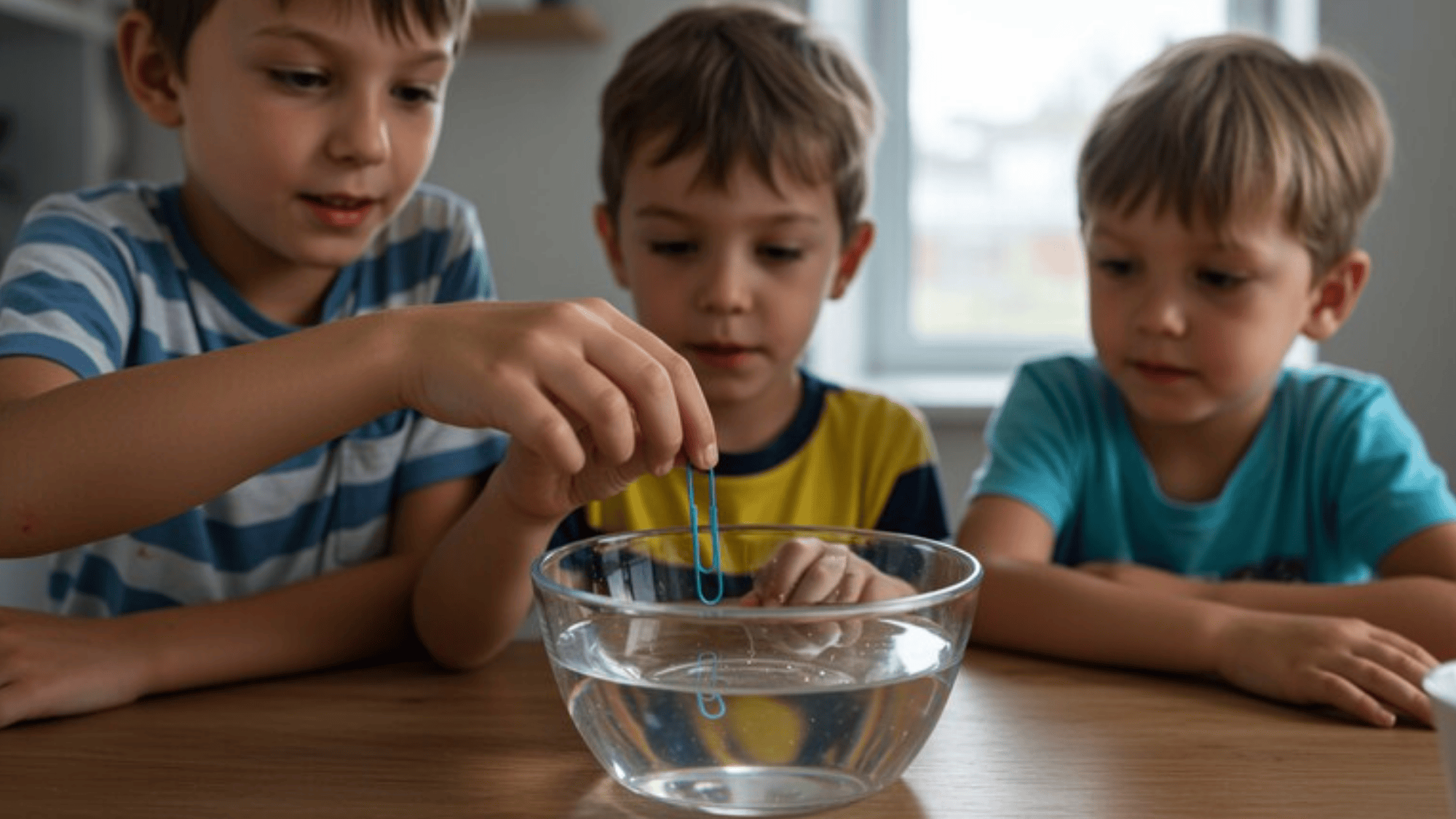
A demonstration of how water can support small objects due to surface tension.
What you’ll need: Water, a glass, and a paperclip.
Fill a glass with water, and carefully place a paperclip on the surface of the water. The paperclip will float due to the surface tension of the water.
This experiment demonstrates the invisible forces that hold the surface of the water together.
15. Saltwater Density Tower
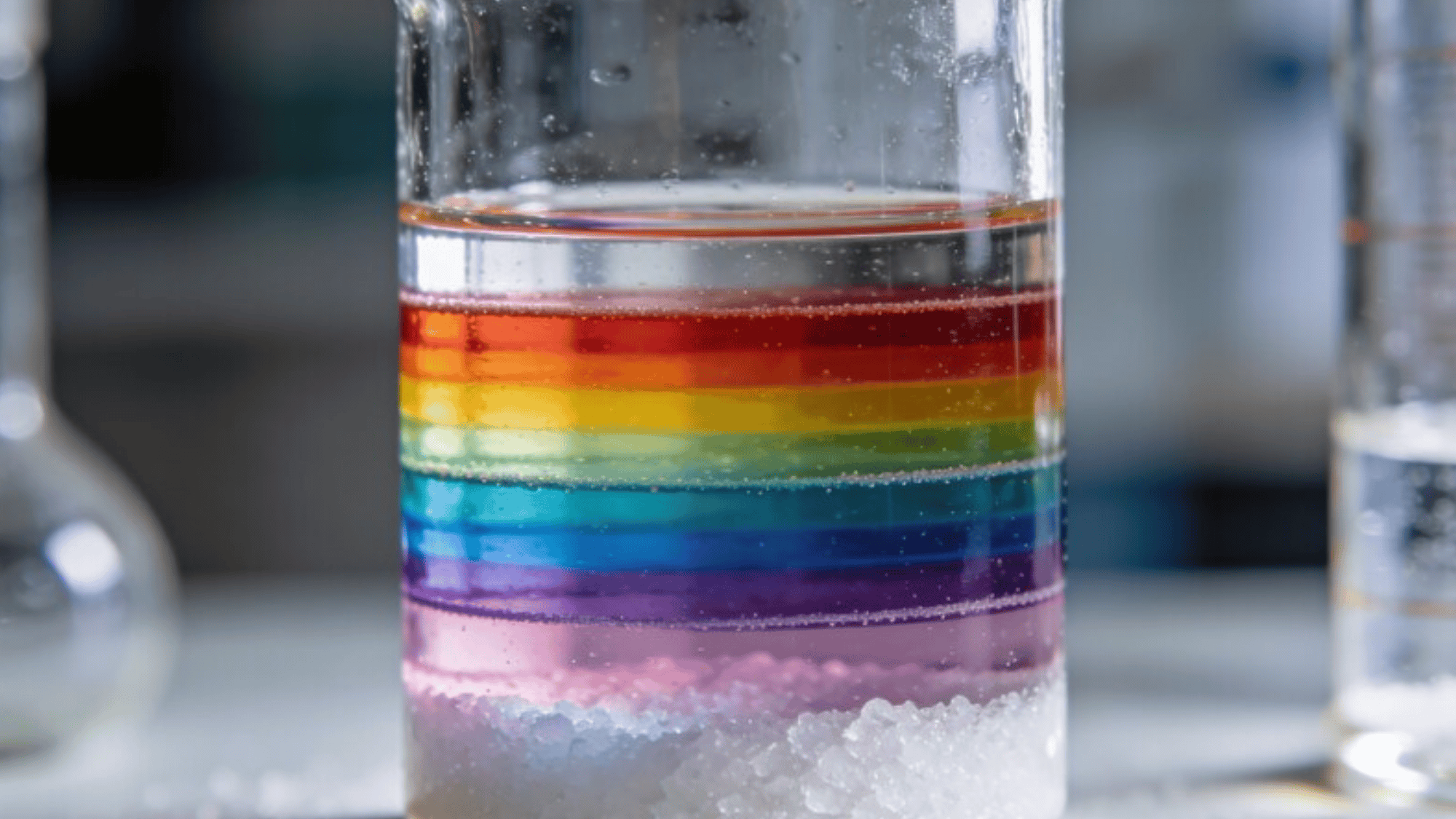
Create a colorful tower of liquids of varying densities.
What you’ll need: Salt, water, food coloring, and clear glasses.
Prepare different solutions by mixing varying amounts of salt into water and adding food coloring to each solution.
Carefully layer the solutions into a clear glass, starting with the most concentrated solution at the bottom. This creates a colorful, multi-layered density tower.
16. Sink or Float
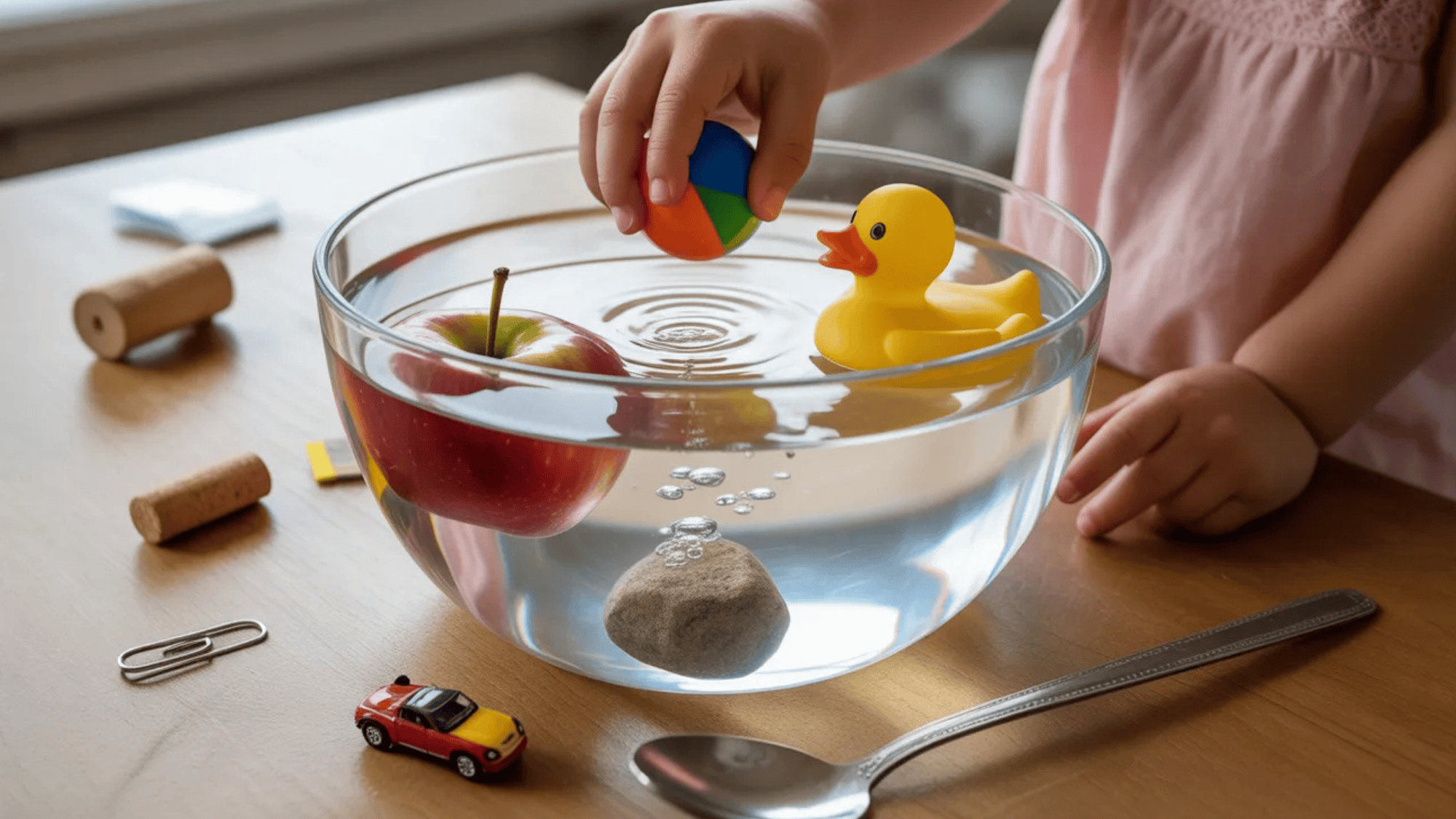
Test your predictions about whether everyday objects will sink or float.
What you’ll need: Various small objects and a bowl of water.
Drop various objects in a bowl of water, such as a coin, a rubber duck, and a paperclip. Predict which items will sink and which will float, then test your theories and learn about the properties of buoyancy.
17. Walking Water Experiment
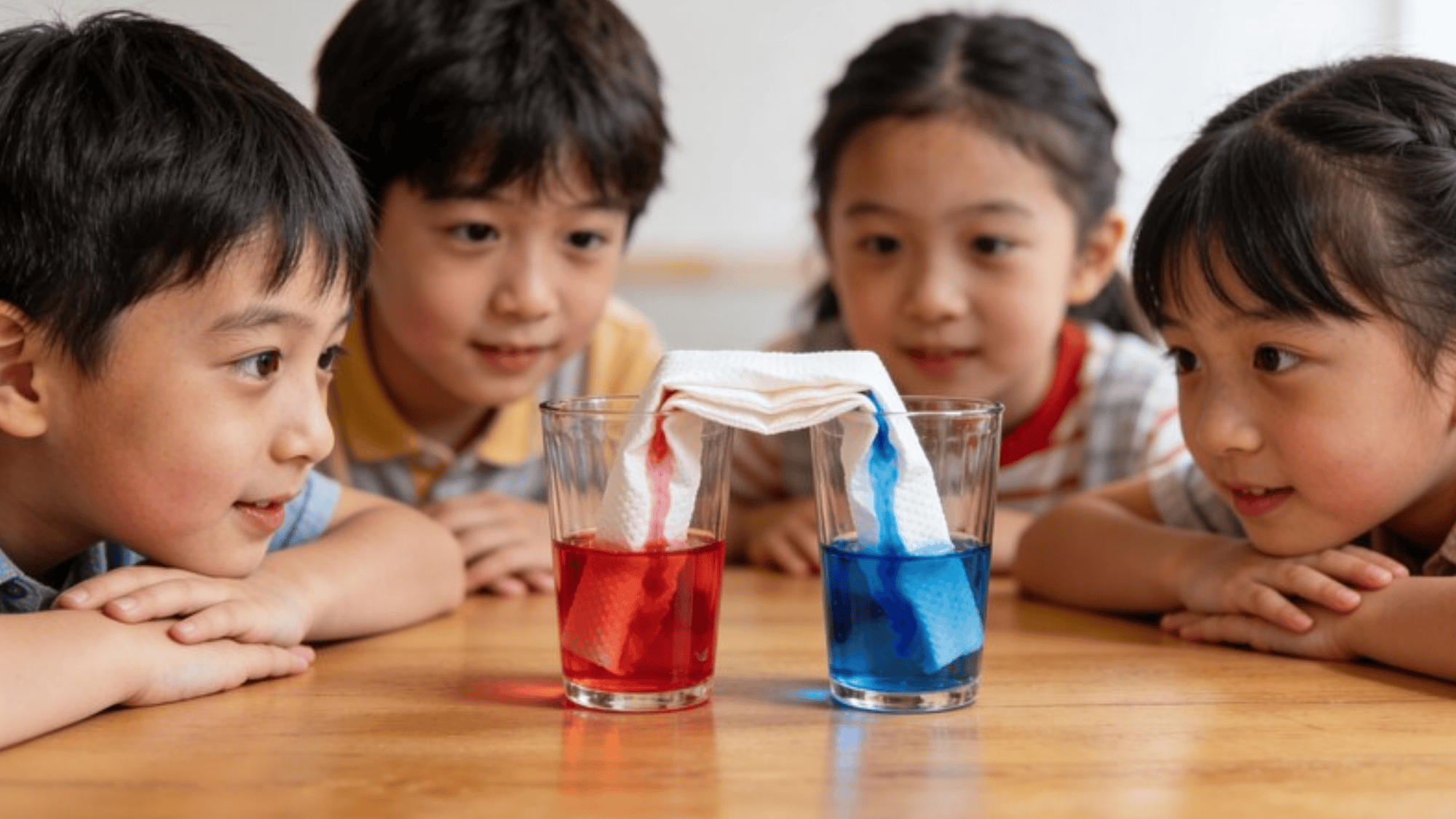
Watch the water move from one cup to another using paper towels, showing capillary action.
What you’ll need: Paper towels, food coloring, and water.
Set up two glasses with different-colored food coloring in the water. Place a paper towel between the two glasses.
Over time, you’ll see the water move through the towel, creating the effect of water “walking” from one glass to another.
18. Cut Ice Cubes Like Magic
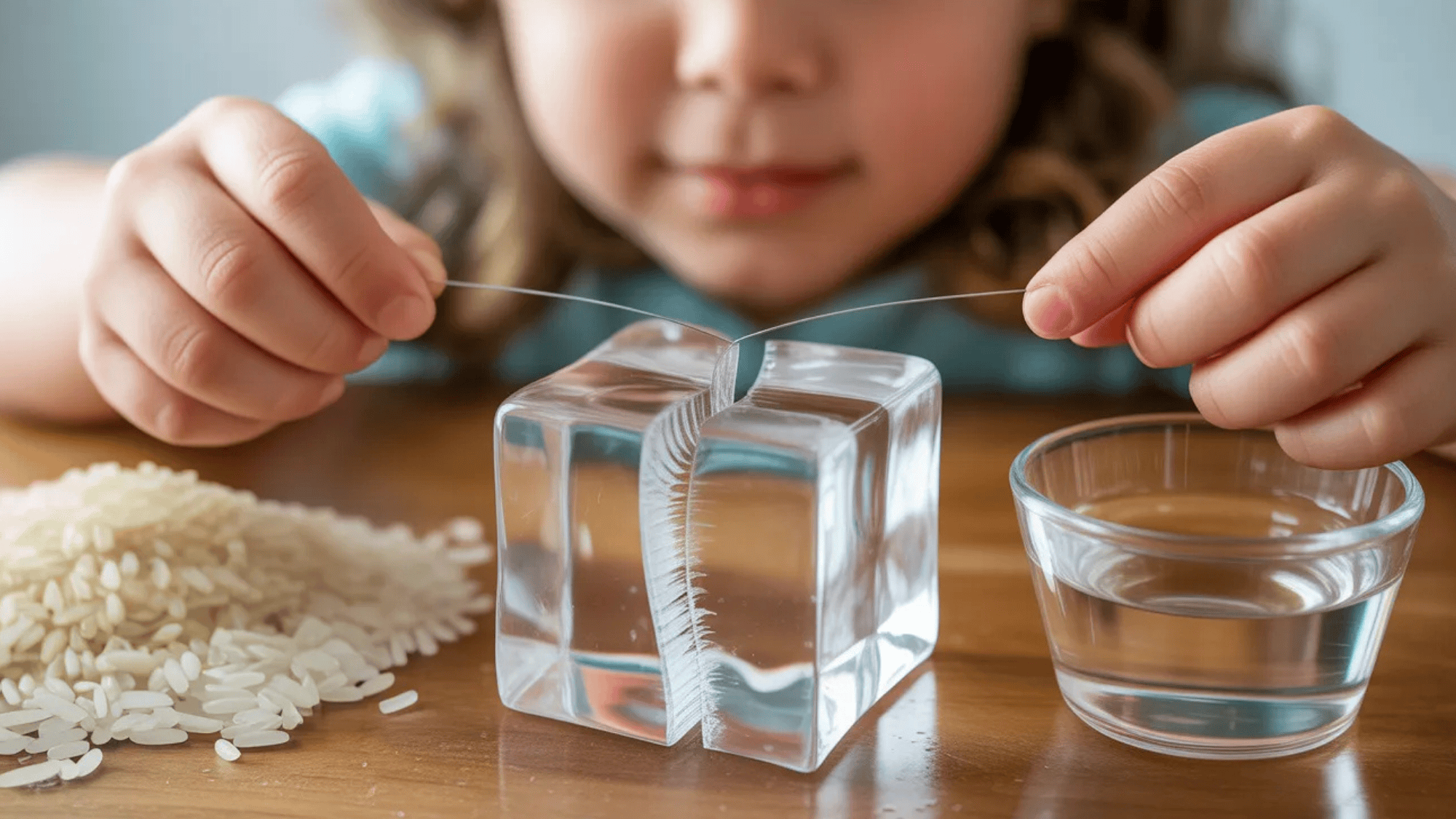
A fun trick where fishing wire is used to slice through ice cubes.
What you’ll need: Ice cubes, fishing wire, and a cup of warm water.
Place a piece of fishing wire on top of an ice cube and gently press down. Dip the wire in warm water to heat it slightly, which will help it melt the ice. Then, pull the wire to “cut” the ice in half. This demonstrates how heat can melt ice and cause it to separate.
19. Color Changing Flowers
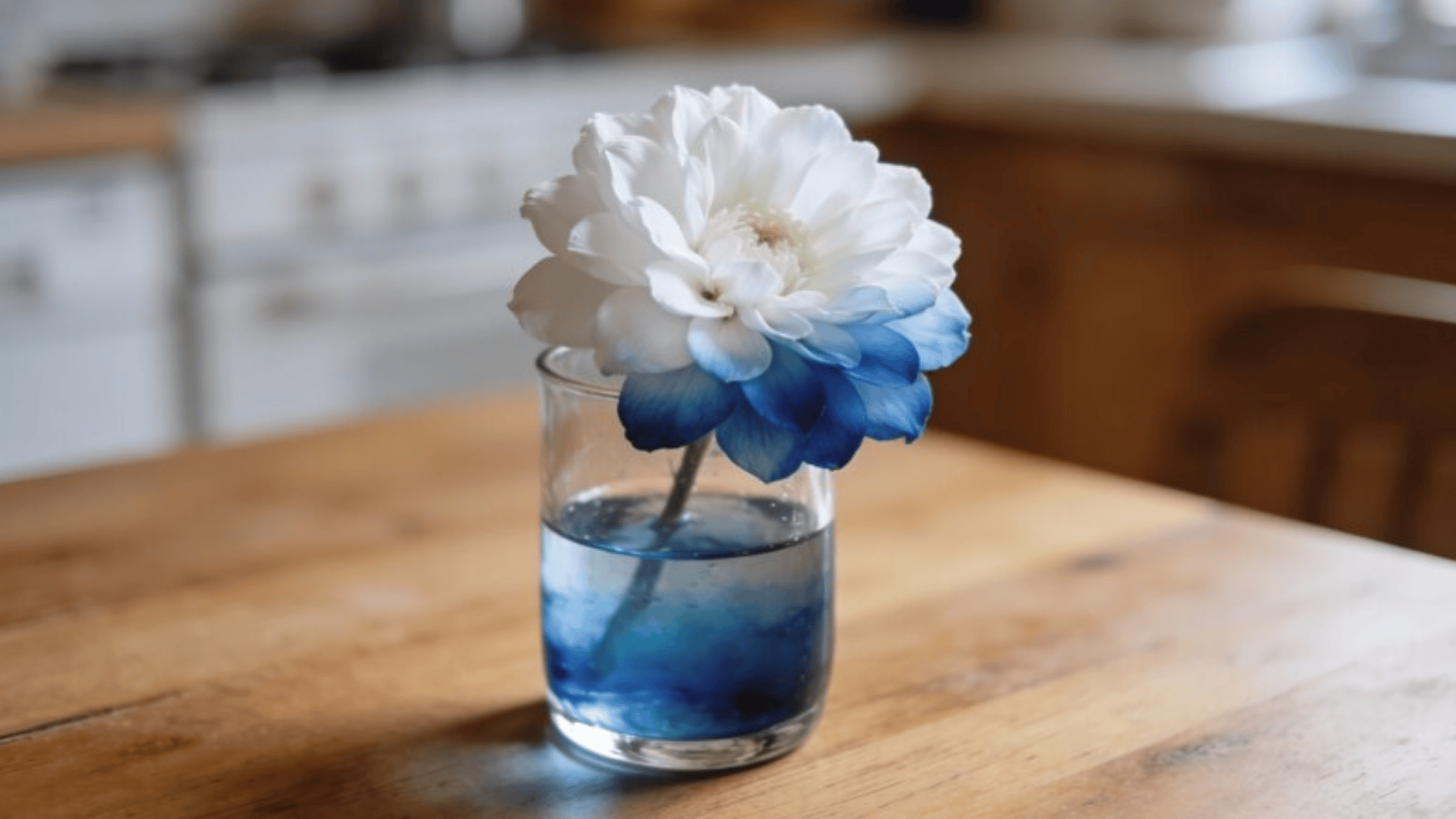
Learn about how plants absorb water by changing the color of flower petals.
What you’ll need: White flowers, food coloring, and water.
Fill cups with water and add food coloring. Place the stems of white flowers into the colored water and watch as the petals change color over time. The flowers absorb the colored water through their stems, demonstrating capillary action.
20. Rubber Egg
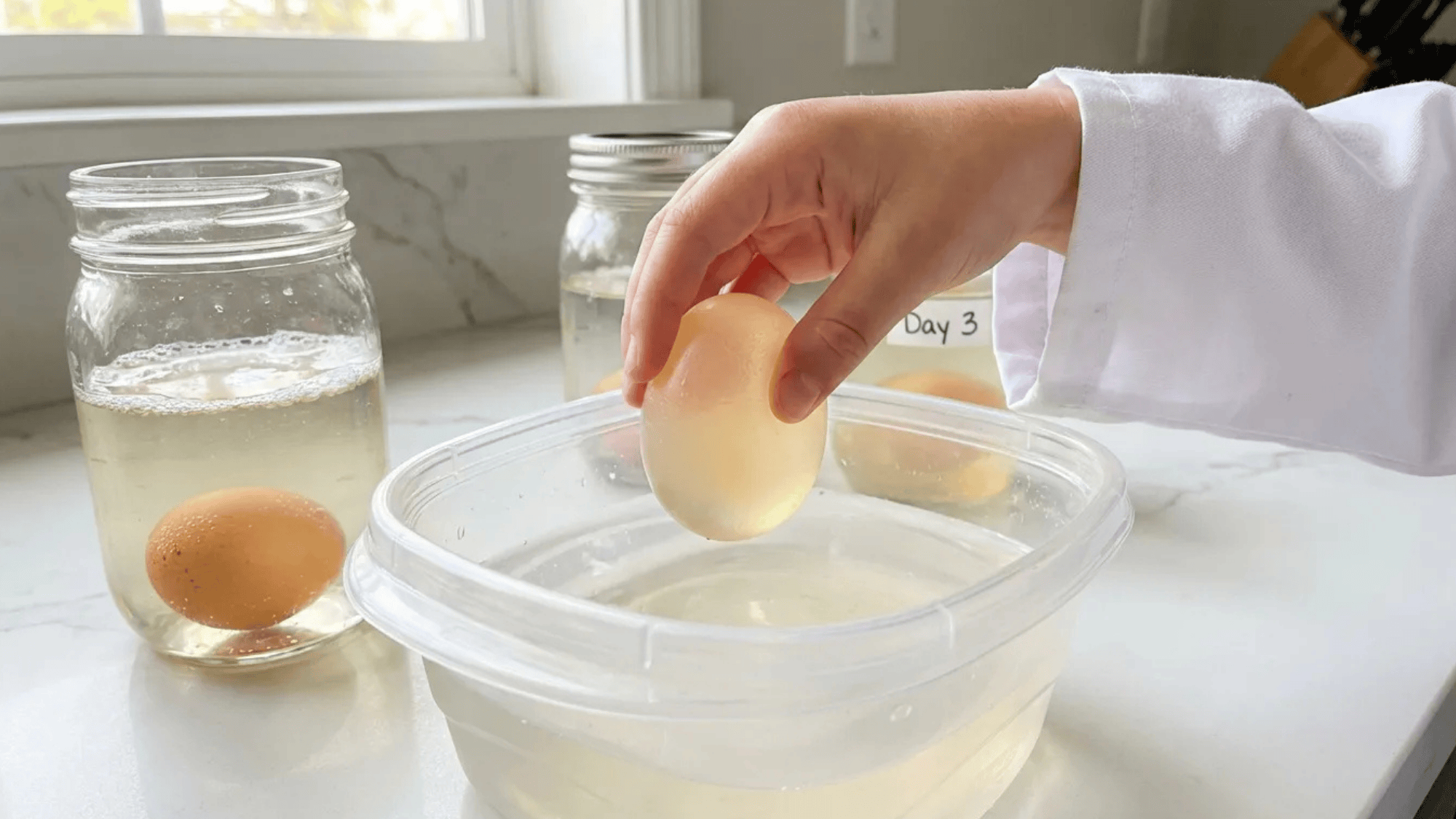
See how vinegar dissolves the shell of an egg, leaving only the membrane.
What you’ll need: Raw egg, vinegar.
Place a raw egg in a jar filled with vinegar. Let it sit for several days. After the shell dissolves, you’ll be left with a rubbery membrane. The vinegar breaks down the calcium carbonate in the eggshell, leaving the egg’s soft, rubbery membrane intact.
21. Ivory Soap in the Microwave
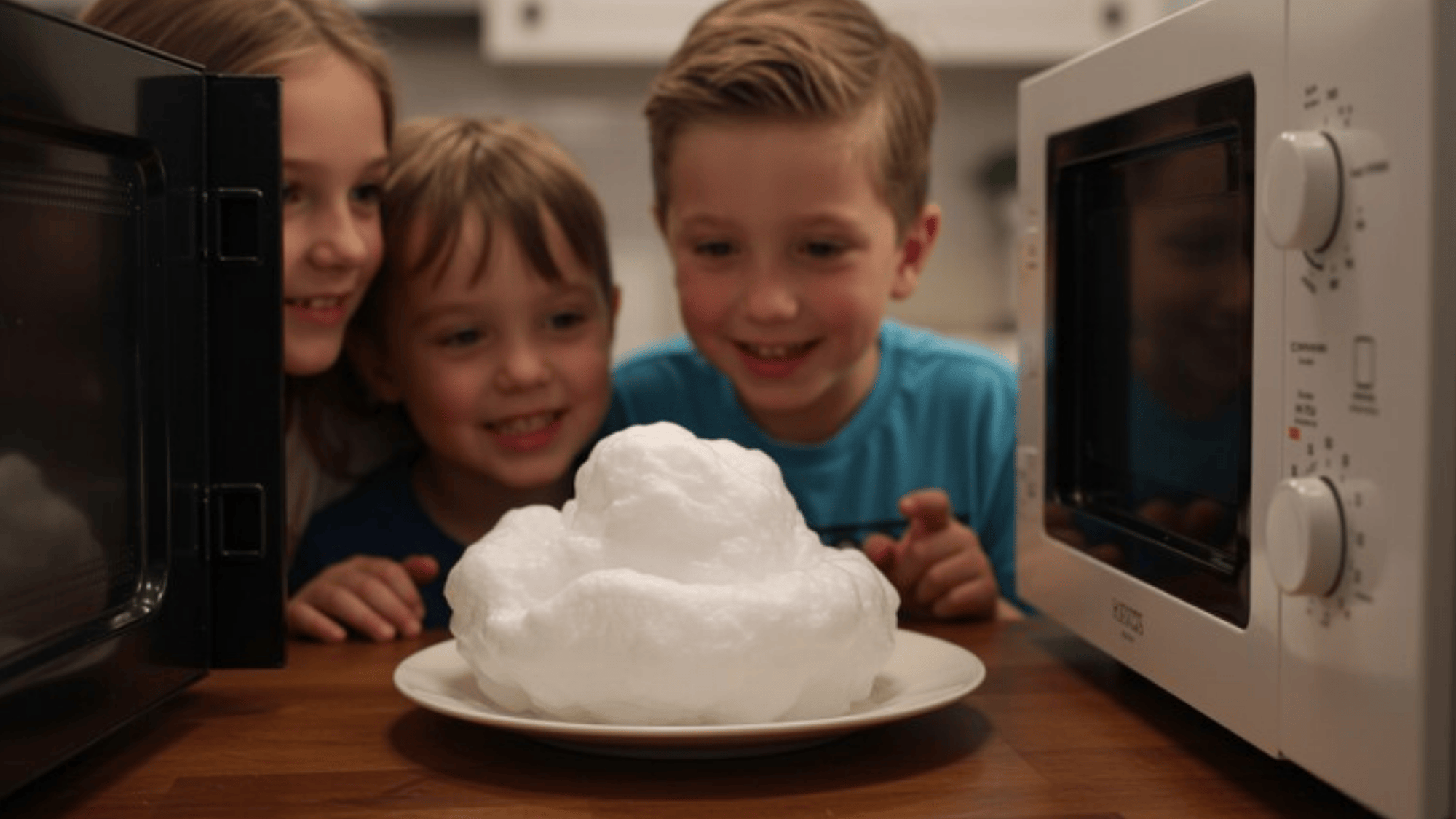
Watch as Ivory soap expands in the microwave, creating a cloud-like shape.
What you’ll need: An Ivory soap bar and a microwave-safe plate.
Place an Ivory soap bar on the plate and microwave it for 1-2 minutes. The soap will expand and puff up, creating a fluffy, cloud-like texture. This occurs because Ivory soap contains air pockets that expand when heated.
22. Make Your Own Sundial
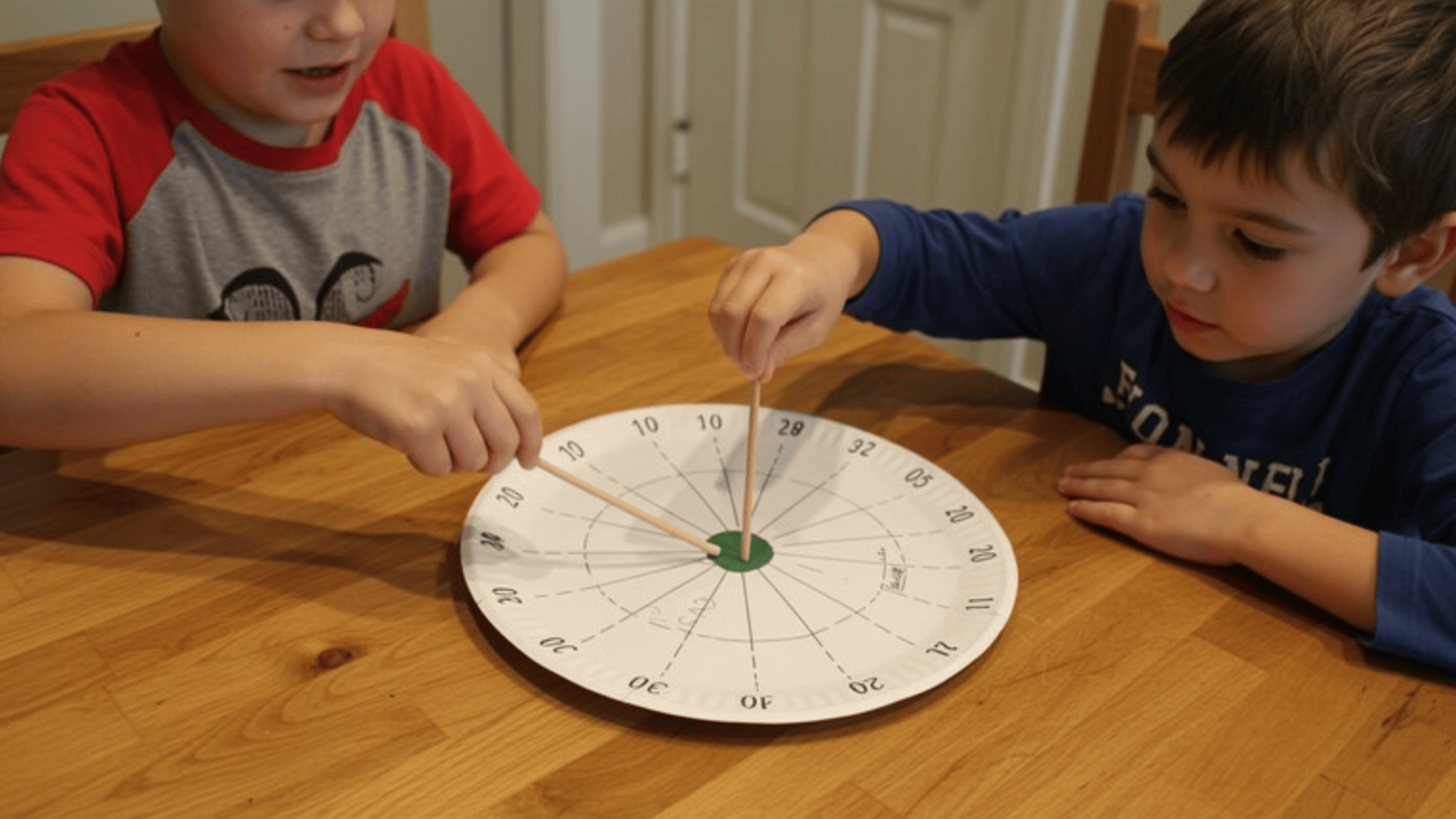
Create a functional sundial to track time using the position of the sun.
What you’ll need: A stick, a paper plate, a marker, and scissors.
Stick a stick upright in the center of a paper plate. Use a marker to mark the positions of the shadow throughout the day, representing different times. This simple sundial will show how the position of the sun changes as the day progresses.
23. Balloon-Powered Car
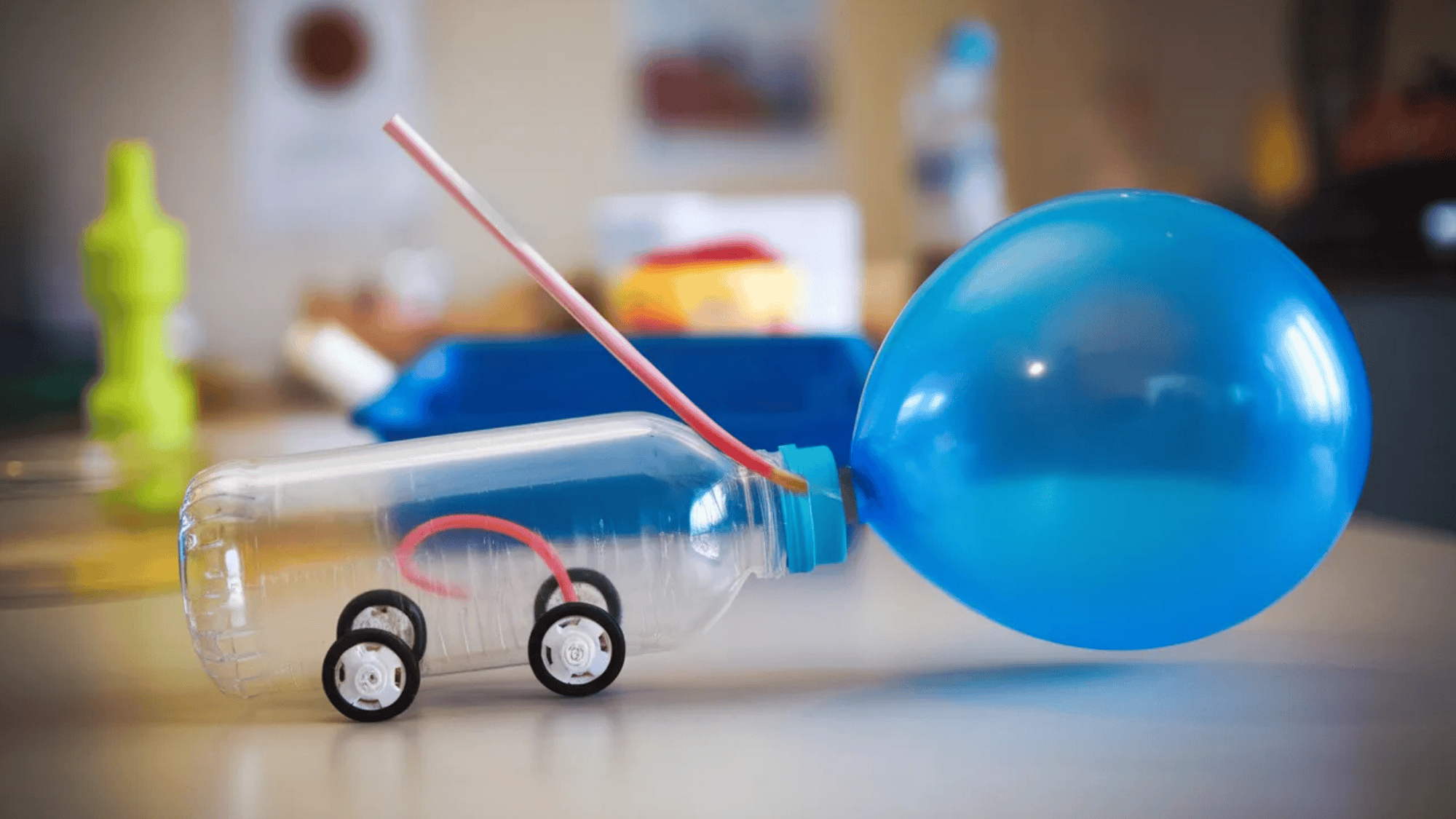
Build a small car powered by air from an inflated balloon.
What you’ll need: A balloon, a straw, tape, a plastic bottle, and small wheels.
Attach a balloon to a straw, then place the straw on a small plastic bottle with wheels. Inflate the balloon, and when you let go, the air pressure will propel the car forward, demonstrating Newton’s third law of motion.
24. DIY Ice Cream in a Bag
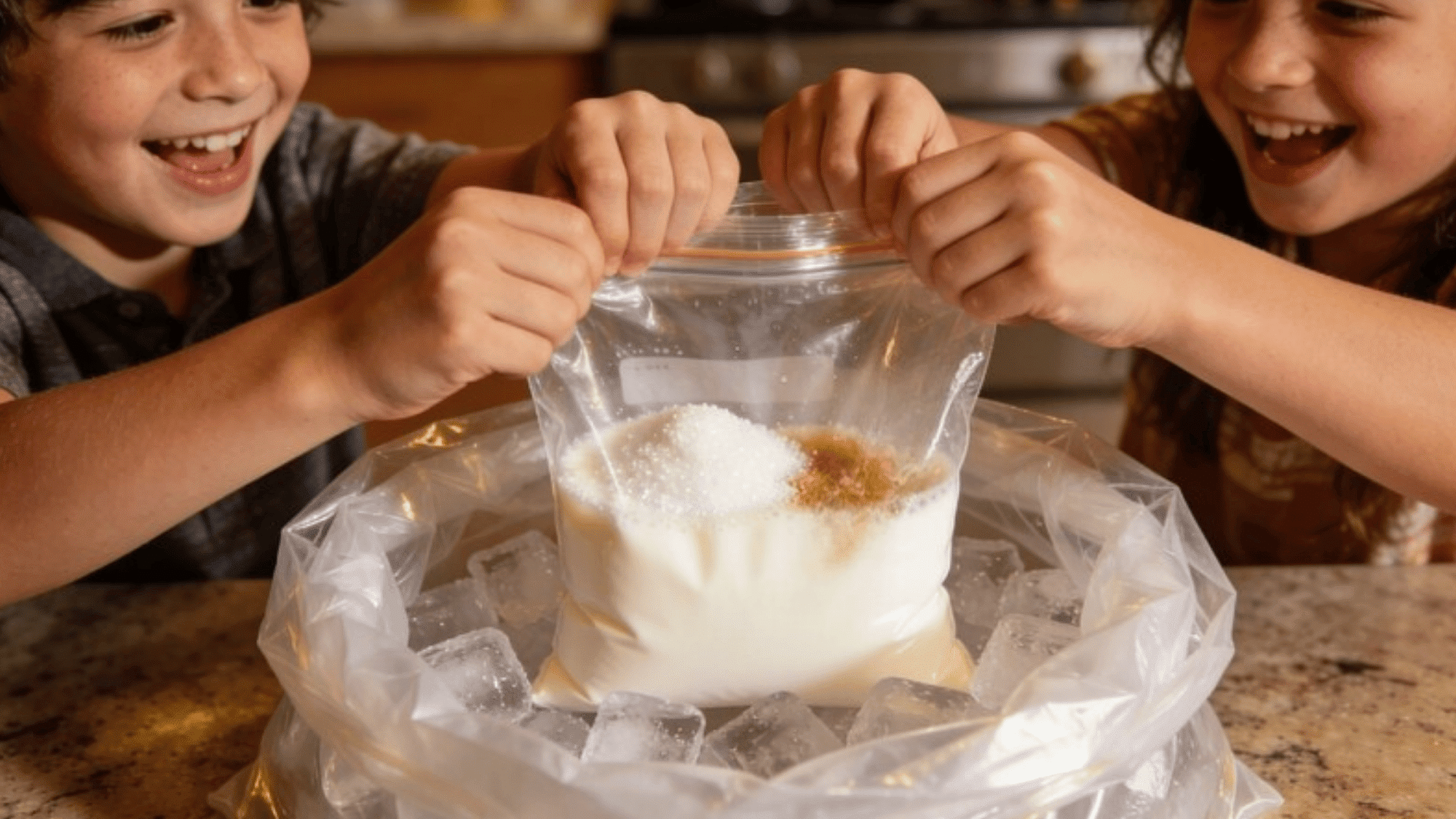
Make homemade ice cream by shaking ingredients in a bag of ice.
What you’ll need: Milk, sugar, vanilla, ice, salt, and two plastic bags.
Mix milk, sugar, and vanilla in a small plastic bag and seal it. Fill a larger plastic bag with ice and salt, then place the small bag inside.
Shake the bags for about 10-15 minutes to make homemade ice cream. The salt lowers the freezing point, helping the mixture solidify.
25. Grow Beans in a Bag
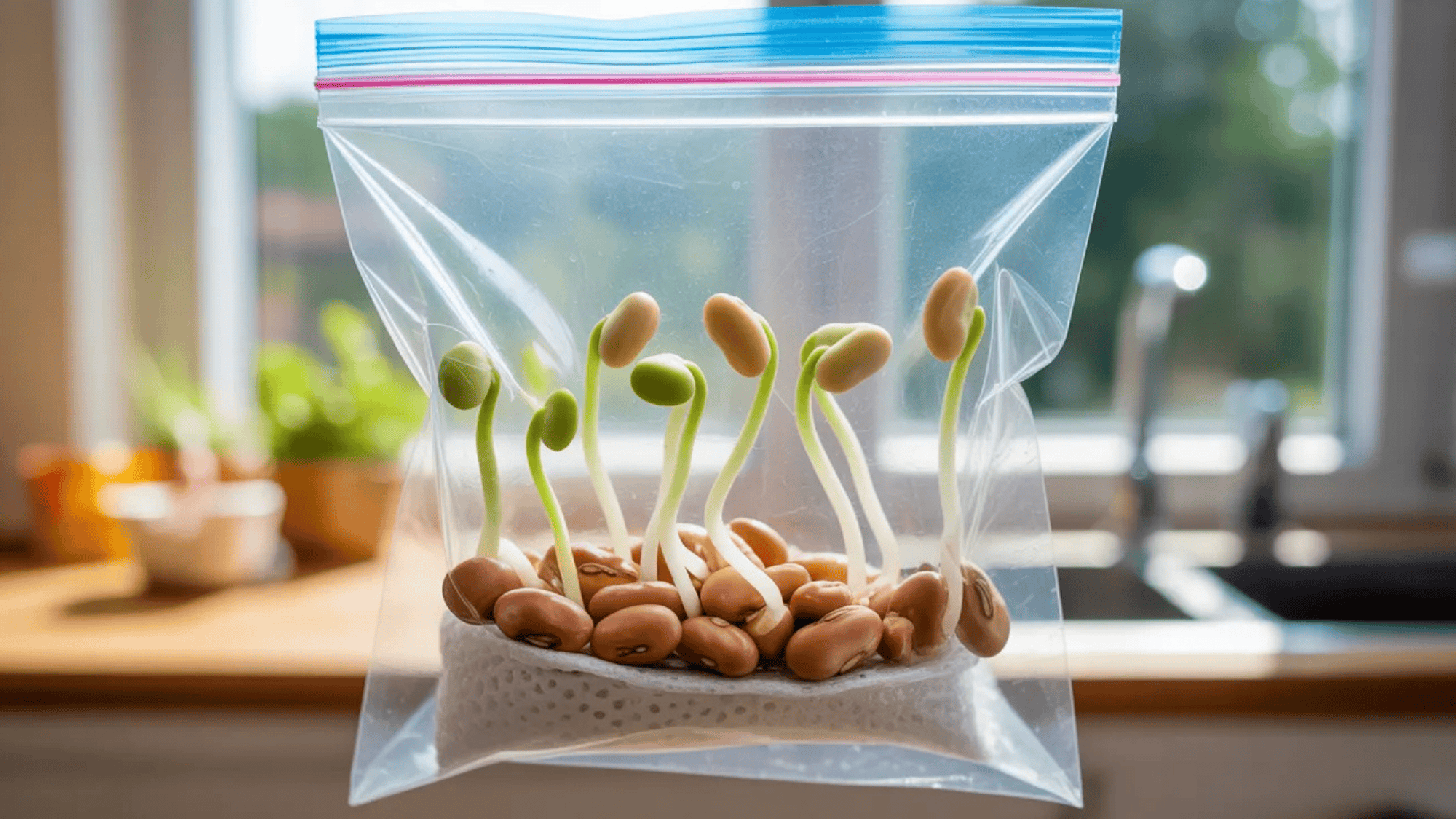
Watch beans sprout and grow inside a plastic bag, demonstrating plant growth.
What you’ll need: Bean seeds, a plastic bag, a paper towel, and water.
Wet a paper towel and place it inside the plastic bag. Add the bean seeds between the towel and the bag. Hang the bag in a sunny spot, and watch as the beans sprout and grow over several days, demonstrating the growth process of plants.
Additional Exciting Science Experiments
Below are some more easy and exciting science experiments that will keep your little scientists busy. With simple instructions and common materials, these experiments offer endless opportunities for fun learning.
- Crystal Growing: Shape pipe cleaners into a design, dissolve borax in water, and submerge the shapes to grow crystals overnight.
- Walking Water with Paper Towels: Place food coloring in two glasses, then connect all three with paper towels and watch the water “walk” to the empty glass.
- Water Filtration Experiment: Cut a plastic bottle in half, layer materials like sand and cotton balls, and pour dirty water through to filter it.
- Musical bottles: Set up a row of bottles with varying amounts of liquid and then blow across the openings to hear the different tones.
- Homemade Paper: Blend scrap paper with water, spread it on a screen, and let it dry to create new homemade paper.
- DIY Tornado in a Bottle: Fill one bottle with water, tape two bottles together, and spin them to create a swirling tornado effect.
- Paper Boat with Baking Soda Rocket: Create a paper boat and add a small amount of baking soda and vinegar to the boat to launch it across the table like a mini rocket.
- Water in a Bag Trick: Fill a plastic bag with water, poke pencils through it, and watch as no water leaks out.
- Color Mixing with Water: Mix primary color food coloring with water to create new colors and teach color theory.
- Paperclip Magnetism: Attach a paperclip to a string, use a magnet to move it, and demonstrate the power of magnetism.
- Ice Fishing Experiment: Place a string on an ice cube, sprinkle salt, and watch the ice freeze around the string.
- DIY Hovercraft: Attach a bottle cap to a CD, inflate a balloon, and place it over the cap to make a simple hovercraft.
- Penny Boat Challenge: Create a boat from aluminum foil and test how many pennies it can hold without sinking.
- Rainbow in a Jar: Make different water densities by adding sugar, then layer them in jars to create a rainbow effect.
- Balloon Inflation with Baking Soda and Vinegar: Place baking soda in a balloon and vinegar in a bottle, then watch the balloon inflate as the chemical reaction occurs.
- Baking Soda and Vinegar Rocket: Fill a film canister with baking soda and vinegar, close the lid, and watch it pop off like a rocket.
- Paper Plane Challenge: Fold different types of paper planes and test which one flies the furthest or stays in the air the longest.
- The Magic of Density with Oil and Water: Mix oil and water in a glass and watch them not mix, even with food coloring added.
- Salt Crystal Formation: Dissolve salt in hot water, then let it cool and observe as salt crystals begin to form on the sides of the glass.
- Magnetic Slime: Mix glue and liquid starch to create slime, add iron filings, and use a magnet to make the slime move.
- Make Ice Cream with Liquid Nitrogen: Pour liquid nitrogen into a mixing bowl, add cream, sugar, and vanilla, and stir quickly until it freezes into ice cream.
- DIY Windmill: Cut out a windmill shape from cardboard, attach it to a straw, and blow air to watch it spin.
- DIY Shadow Box: Place objects in a box and shine a flashlight through the sides to find how shadows are created.
- Growing Seeds in a Paper Towel: Place seeds between wet paper towels, and watch them sprout in the bag as they absorb moisture.
- Bouncing Egg: Place a raw egg in vinegar for 24 hours to dissolve the shell, leaving only the rubbery membrane.
- Lava in a Bottle: Add oil and water to a bottle, then drop an effervescent tablet in to watch the lava effect.
- Soap-Powered Boat: Place a small drop of soap in the middle of a shallow dish of water and watch the soap move the boat around.
- Balloon and Straw Helicopter: Tape a balloon to a straw, then blow air into the balloon to make it fly like a helicopter.
- Instant Snow: Mix sodium polyacrylate with water to create instant snow for fun, hands-on snow play.
- Saltwater Battery: Create a small battery by connecting a copper wire to a saltwater battery, then watch the LED light up.
- Plastic Bottle Fish Tank: Cut a plastic bottle in half, fill it with water, and add small fish to create a mini fish tank.
- Dancing Paper Clips: Rub a balloon against your hair to build static, then hold it near a small paper clip to watch the paper clip “dance” toward the balloon due to static attraction.
- Hot Ice Experiment: Mix baking soda with vinegar, then carefully heat it to create solid crystals that feel hot to the touch.
- Water Pressure Experiment: Fill a cup with water, cover it with cardboard, and flip it over. Watch as the water stays in the cup due to air pressure.
- Rainbow Milk Experiment: Add food coloring to milk, then dip a cotton swab with dish soap to see the colors swirl and dance.
- Fruit Battery: Insert zinc and copper nails into a lemon and attach them to a small LED light to create a simple fruit battery.
- DIY Barometer: Stretch plastic wrap over a glass and place a straw on top to measure air pressure and create a homemade barometer.
- Water Electrolysis: Use a battery, wires, and a glass of water to split water into hydrogen and oxygen gases through electrolysis.
- Solar Oven: Use a pizza box, aluminum foil, and plastic wrap to create a solar oven that can cook smores using sunlight.
- Popping Popcorn with Science: Heat a few kernels in a sealed container and observe the pressure build-up as the kernels pop.
- Ice Cube Racing: Place two ice cubes on a flat surface and add salt to one to see how the melting rate changes, creating a race.
- Lemon Battery: Place copper and zinc nails in a lemon to power a small device, such as a clock or calculator.
- Homemade Compass: Magnetize a needle, place it on a piece of paper, and watch it point north to create your own compass.
- DIY Light Filter: Use various materials, such as colored cellophane or fabric, to test how they filter light and create shadows.
- Fizzy Color Explosion: Add baking soda and vinegar to a tray with food coloring to watch the fizzing colors spread and mix.
- Straw Rocket Launcher: Place a straw in a paper rocket and blow into it to launch the rocket across the room.
- Colorful Capillary Action: Place colored water in one glass, and let a paper towel connect it to an empty glass to see the water travel through.
- Floating Marshmallows: Fill a container with water and drop marshmallows into it to see how their buoyancy changes with the container’s depth.
- Ice Cream Cone Volcano: Shape ice cream into a cone, then add chocolate syrup and sprinkles to simulate a volcanic eruption.
- DIY Ink Blot Art: Use watercolors or food coloring to create vibrant ink blot art. Fold paper in half after adding paint, then open to reveal a symmetrical pattern.
- Invisible Forces with Magnets: See the invisible magnetic field around a magnet by using iron filings or a compass.
- Rubber Band Helicopter: Attach a rubber band to a paperclip and watch it spin in the air when released.
- Balloon Water Physics: Fill a balloon with water and gently tap it with a pen to demonstrate how water pressure works inside the balloon.
- Water Beads Growing: Soak water beads in water for a few hours to see how they grow in size as they absorb moisture.
- DIY Snow Globe: Create a simple snow globe by filling a jar with glitter, water, and a small figurine, then sealing it tightly.
Conclusion
Kids’ science experiments are a fun and engaging way to spark curiosity and creativity in young minds. These hands-on activities not only make learning exciting but also help kids develop problem-solving and critical thinking skills.
Whether it’s mixing chemicals, observing natural processes, or building simple machines, every experiment offers a new opportunity for learning. The best part is that these experiments require minimal materials, many of which can be found at home.
So, gather your supplies, get ready to experiment, and watch your child’s interest in science grow with each new project.