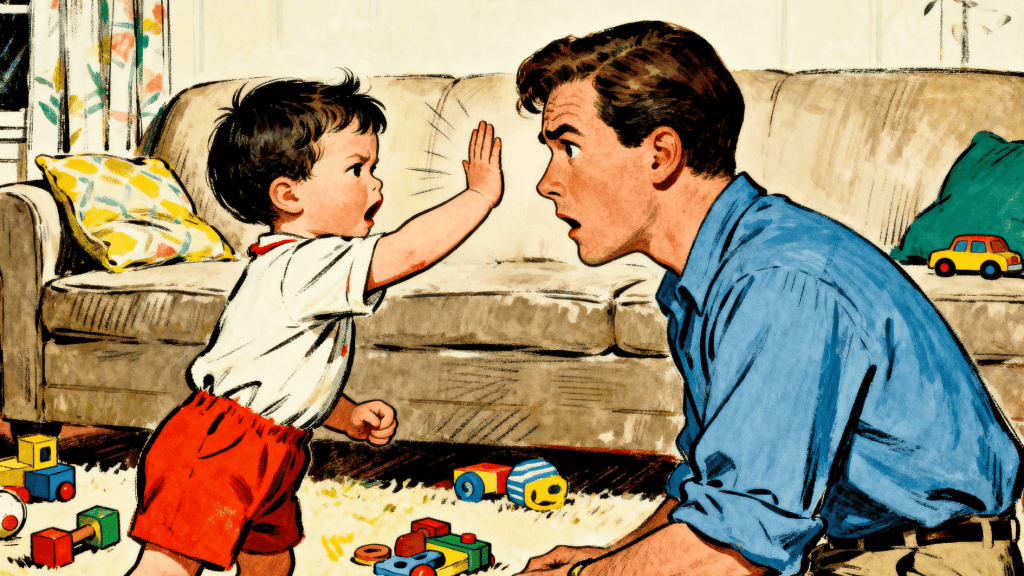

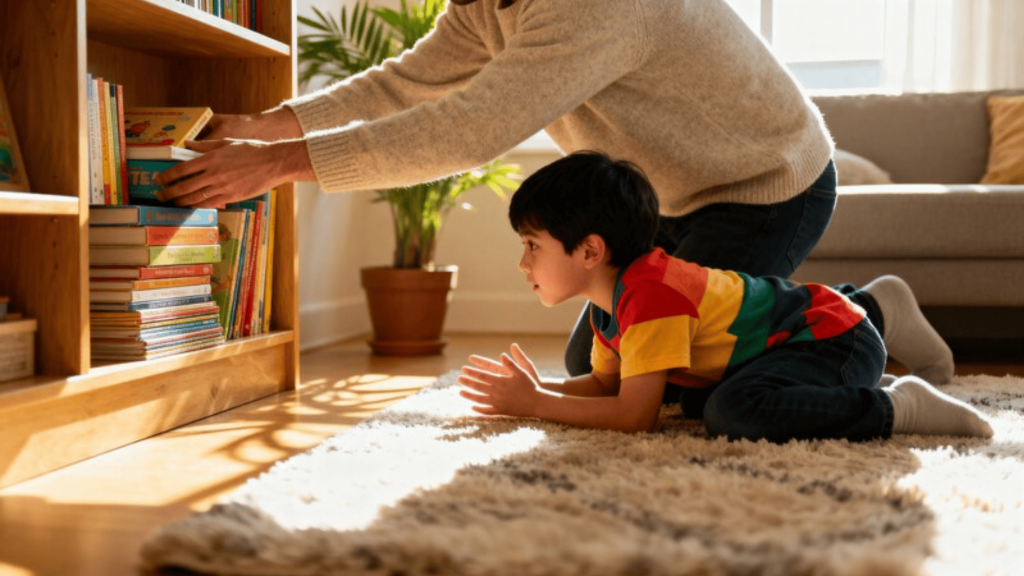
Modeling behavior is something you see happening every day, often without even noticing it.
In this blog, you’ll understand what modeling behavior really means, how it works, and why it matters across different stages of life.
It also looks at where this learning shows up most and how it can influence actions, choices, and interactions
By the end, you’ll have a clearer view of how simple observations can shape behavior in ways that are easy to miss but important to understand.
What is Modeling Behavior & Why Does It Matter?
Modeling behavior is a simple but powerful concept in psychology. It refers to how people learn by observing others and copying their actions.
You’ve probably seen this happen in everyday life, like a child copying how an adult speaks or behaves in a situation. It’s not just imitation, though. Over time, people adapt what they observe and incorporate it into their own behavior.
Modeling behavior plays a big role in how we learn social skills, habits, and even attitudes. It helps shape how people respond to situations without direct instruction.
From childhood to adulthood, much of what we learn comes from observing others around us. Whether it’s how to communicate, solve problems, or behave in a group, modeling quietly influences learning in ways that formal teaching often cannot.
How Modeling Behavior Works in Psychology
Understanding how this process works makes it easier to apply it in real life. It’s not just imitation; it involves attention, memory, and practice.
- Observation: You first notice someone’s behavior, whether it’s a parent, teacher, friend, or even someone online.
- Retention: You store what you observed in your memory so you can recall it later when needed.
- Reproduction: You try to copy the behavior yourself, which is when learning becomes visible.
- Motivation: You’re more likely to repeat the behavior if it leads to a positive result or reward.
Types of Modeling Behavior
Modeling behavior can happen in different ways depending on where the learning is taking place and who is involved. In psychology, these types help explain how people pick up actions, habits, and responses through observation.
1. Live Modeling
Live modeling happens when someone learns by watching another person perform a behavior in real time. This is one of the most direct forms of learning because the person can see not only what is being done, but also how it is being done.
Body language, tone, timing, and response all become part of the learning process. You can see this in everyday life when a child learns table manners by watching parents, or when a student picks up classroom behavior by observing a teacher.
2. Verbal Instruction Modeling
Verbal instruction modeling happens when behavior is taught through spoken directions or explanations. Instead of learning by watching an action directly, the person learns through guidance about what to do and how to do it.
This type is especially useful when a behavior needs to be broken down step by step. For example, a teacher may explain how students should line up quietly, or a parent may tell a child how to greet someone politely.
3. Symbolic Modeling
Symbolic modeling occurs when people learn from observing behaviors in the media rather than through direct interaction. This can include television, books, movies, videos, online content, or even animated characters.
In this case, the model is not physically present, but the behavior is still seen, remembered, and sometimes copied. Children may copy phrases or actions from shows, while adults may learn habits, communication styles, or routines from online creators or training videos.
Modeling Behavior in Early Childhood
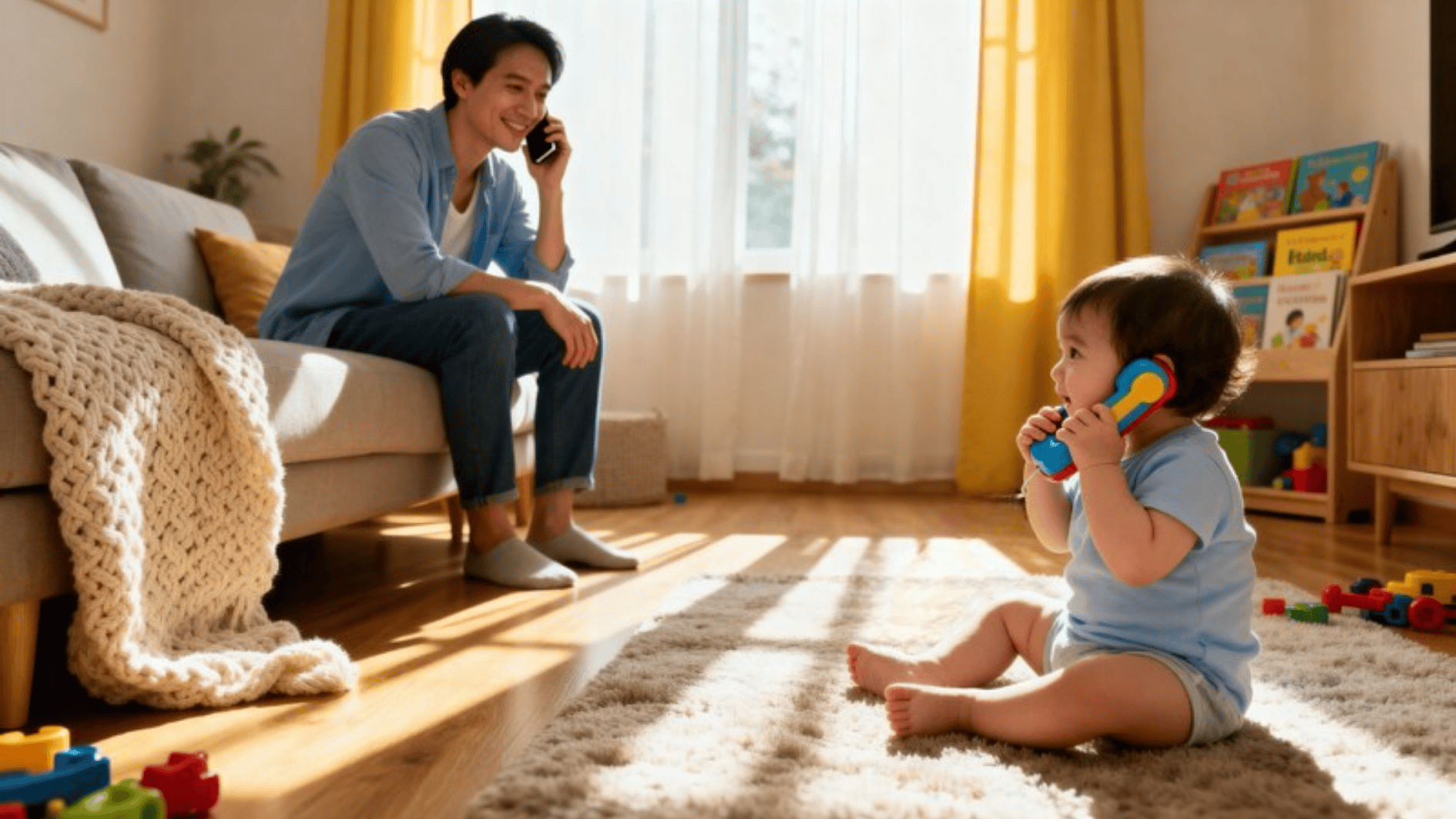
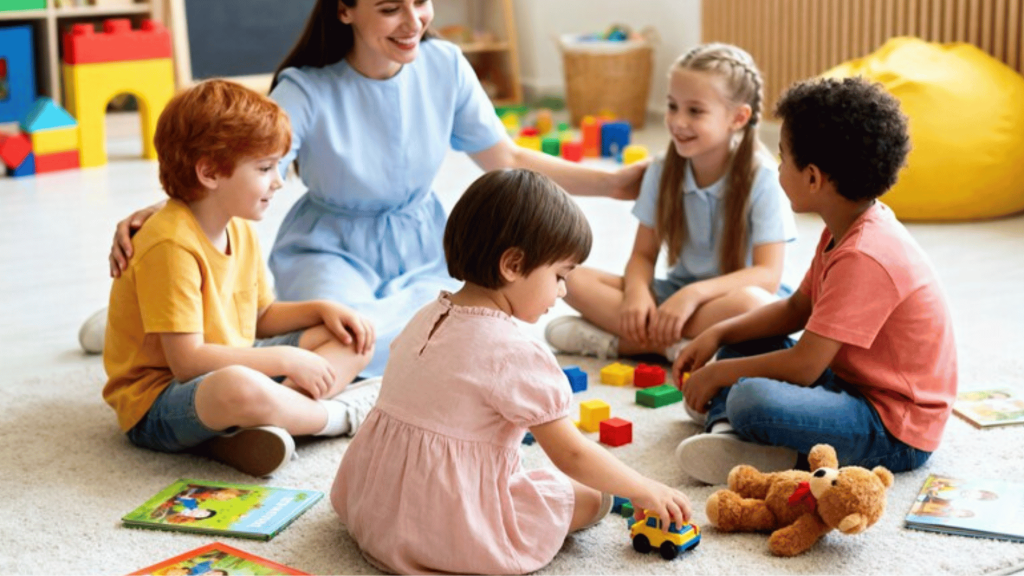
Children are especially influenced by what they see around them. They learn more from actions than words, making observation a key part of early development.
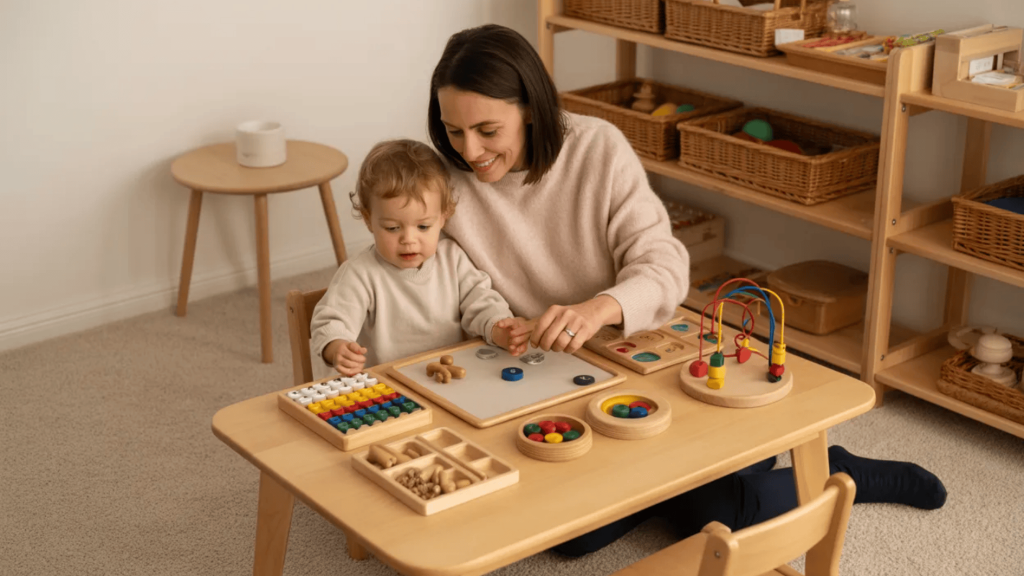
- Role of Parents: Kids often copy how parents speak, react, and solve problems, which shapes their early behavior and habits.
- Role of Teachers: Teachers model classroom behavior, communication, and discipline, helping children understand how to act in structured settings.
- Peer Influence: Children learn by observing friends and classmates, picking up social behaviors through play and interaction.
Modeling Behavior in Educational Settings
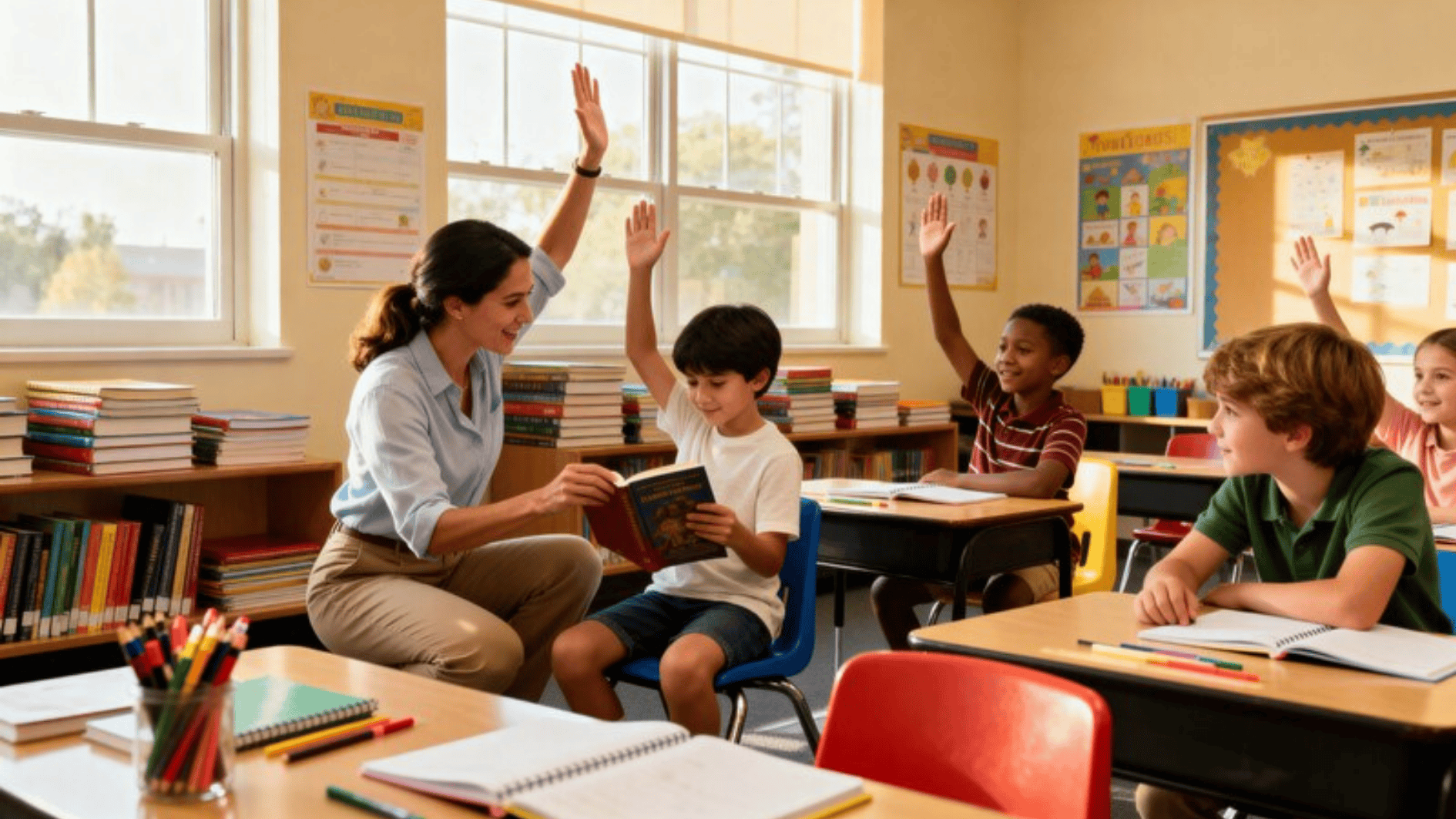
In schools, modeling behavior is one of the most effective teaching methods. Students learn not just from lessons but from observing how teachers behave.
- Classroom Behavior: Respect, listening, and participation are often modeled by teachers, guiding how students behave in class.
- Academic Skills: Problem-solving, reading habits, and study techniques are demonstrated, making learning more practical and clear.
- Social Skills: Teamwork, communication, and cooperation are developed as students observe and interact with others.
Modeling Behavior in Everyday Life

Modeling behavior isn’t limited to children or classrooms. It happens in daily interactions, often without you even realizing it.
- At Work: People observe colleagues’ work habits, communication styles, and professionalism, which influences their own behavior.
- At Home: Family members shape each other’s routines, attitudes, and responses through daily interactions.
- In Social Settings: Behavior in public spaces is often guided by observing how others act in similar situations.
Positive vs. Negative Modeling Behavior
Not all modeling leads to good outcomes. It depends on what behavior is being observed and how it is interpreted.
| Type | Description | Impact |
|---|---|---|
| Positive Modeling | Encourages helpful habits like kindness, responsibility, and discipline. | Builds strong character, healthy habits, and positive social behavior. |
| Negative Modeling | It can lead to harmful behaviors if the example is not appropriate. | May result in poor habits, negative attitudes, or inappropriate actions. |
How You Can Use Modeling Behavior Effectively
You can apply this concept in simple, everyday ways to influence learning and behavior. Small, consistent actions often have a bigger impact than direct instructions.
- Be a Positive Example: The easiest way to teach behavior is to show it yourself. When others see you acting in a certain way, they are more likely to follow without being told.
- Stay Consistent: Consistency is key when modeling behavior. Repeating the same positive actions helps reinforce what others observe and learn.
- Use Real-Life Situations: Everyday situations are the best opportunities to demonstrate behavior naturally. Whether it’s solving a problem, communicating calmly, or showing patience, real moments make learning more practical.
- Encourage Observation: Allow others to watch and learn at their own pace. Observation gives them the chance to understand behavior before trying it themselves.
Conclusion
Modeling behavior is something you experience every day, often without even noticing it. The way people act around you, at home, school, or work, quietly shapes how you think, respond, and interact.
The key is to become more aware of what you observe and what you model for others.
Positive examples can build strong habits, confidence, and better relationships over time. On the other hand, negative influences can also leave an impact if you’re not careful.
When you use modeling behavior intentionally, it becomes a powerful tool for learning and growth. Small actions, repeated consistently, can make a lasting difference in both your life and the people around you.