
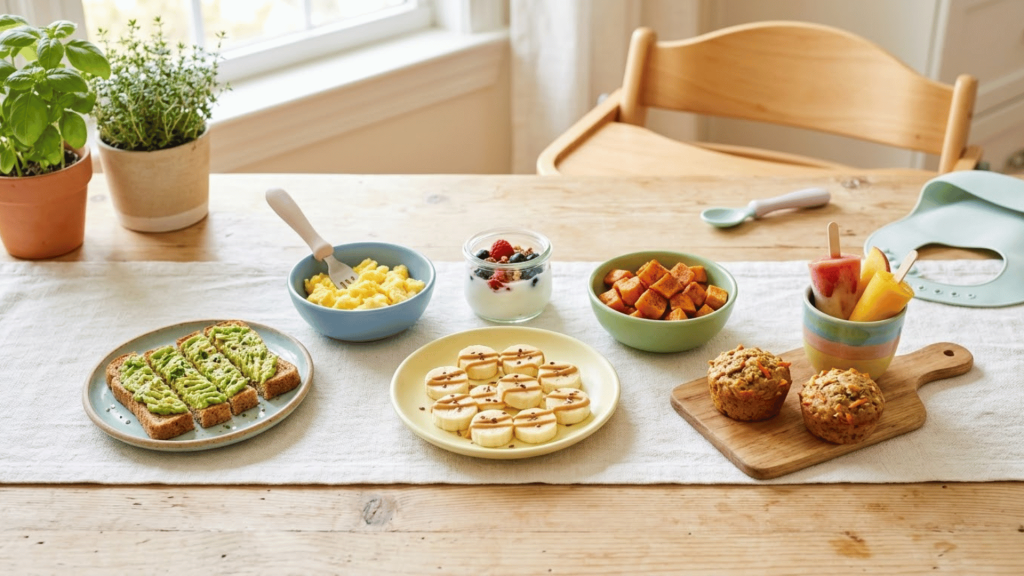
Snacks play a big role in your toddler’s day. At this stage, kids need steady energy for growth, brain development, and all that learning.
According to the American Academy of Pediatrics (AAP), balanced nutrition and age-appropriate portion sizes are key, even between meals.
But not all snacks are created equal. Parents also need to watch for choking hazards, added sugars, and common allergens when choosing foods.
In this blog, you’ll find healthy snacks for 1-year-old kids that are simple, safe, and packed with the nutrients they actually need.
What Makes a Snack “Healthy” for 1-Year-Olds?
A healthy snack for a 1-year-old is all about balance, safety, and simple ingredients.
In the U.S., guidelines like USDA MyPlate suggest including a mix of healthy fats for brain development, protein for growth, and fiber for digestion in small, age-appropriate portions.
At the same time, safety matters just as much. Snacks should be soft, easy to chew, and cut into small pieces to lower the risk of choking, so skip whole nuts, popcorn, and hard chunks.
It’s also important to limit added sugars, as the AAP recommends avoiding them under age two, and keep processed, high-sodium foods to a minimum
Healthy Snack Ideas for 1-Year-Olds
Finding the right snacks for your toddler doesn’t have to feel complicated; you just need simple, wholesome options that are easy to prepare and safe to eat.
1. Mashed Avocado on Whole Grain Toast
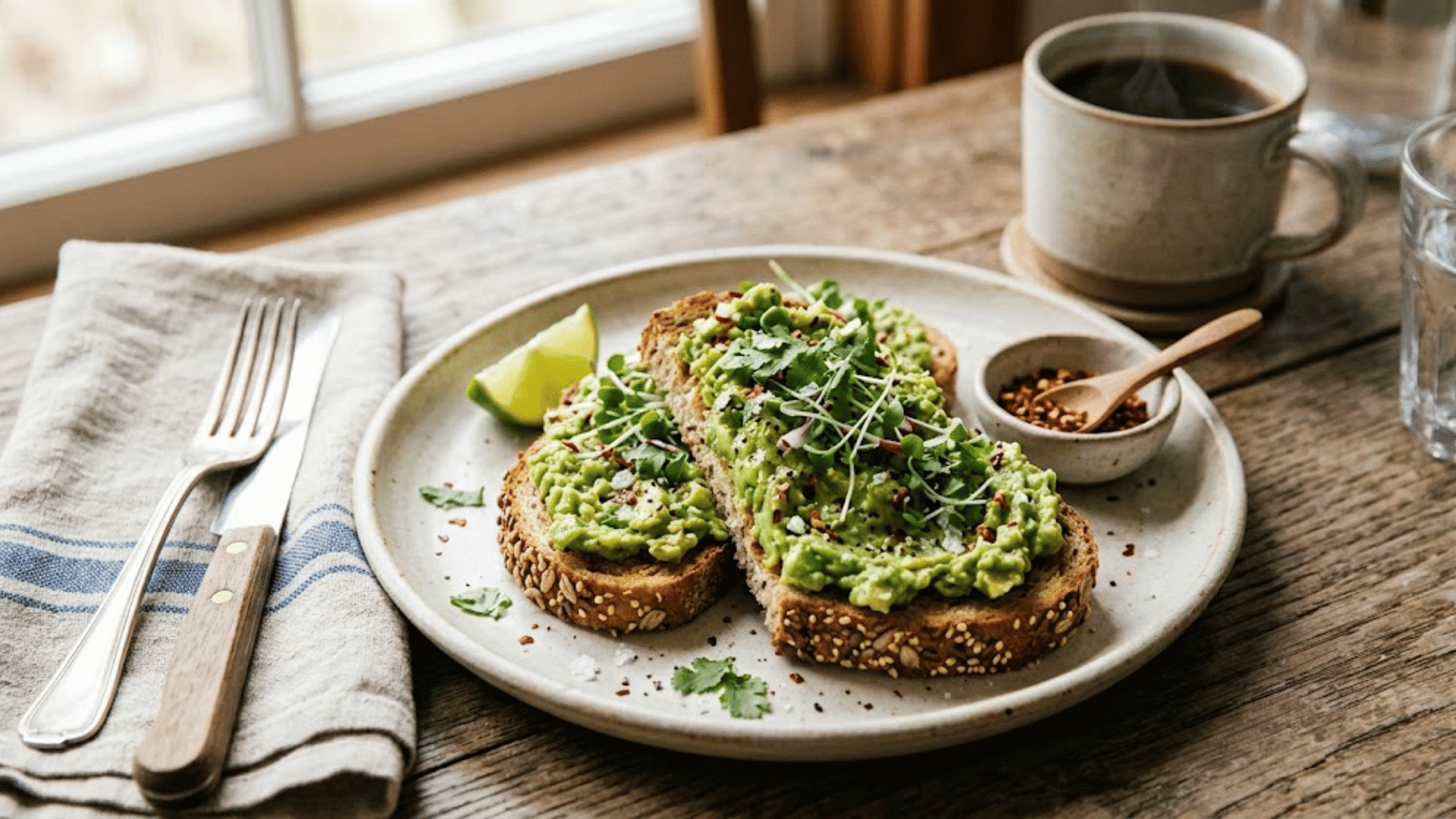
This is one of the easiest healthy snacks for 1-year-old toddlers because it checks multiple boxes at once.
Avocado provides healthy fats that support brain development, while whole-grain toast adds fiber for digestion.
If your toddler is still learning to chew, lightly toast the bread and cut it into thin strips or small squares. You can also mix avocado with a little yogurt to make it even smoother.
2. Soft Scrambled Eggs
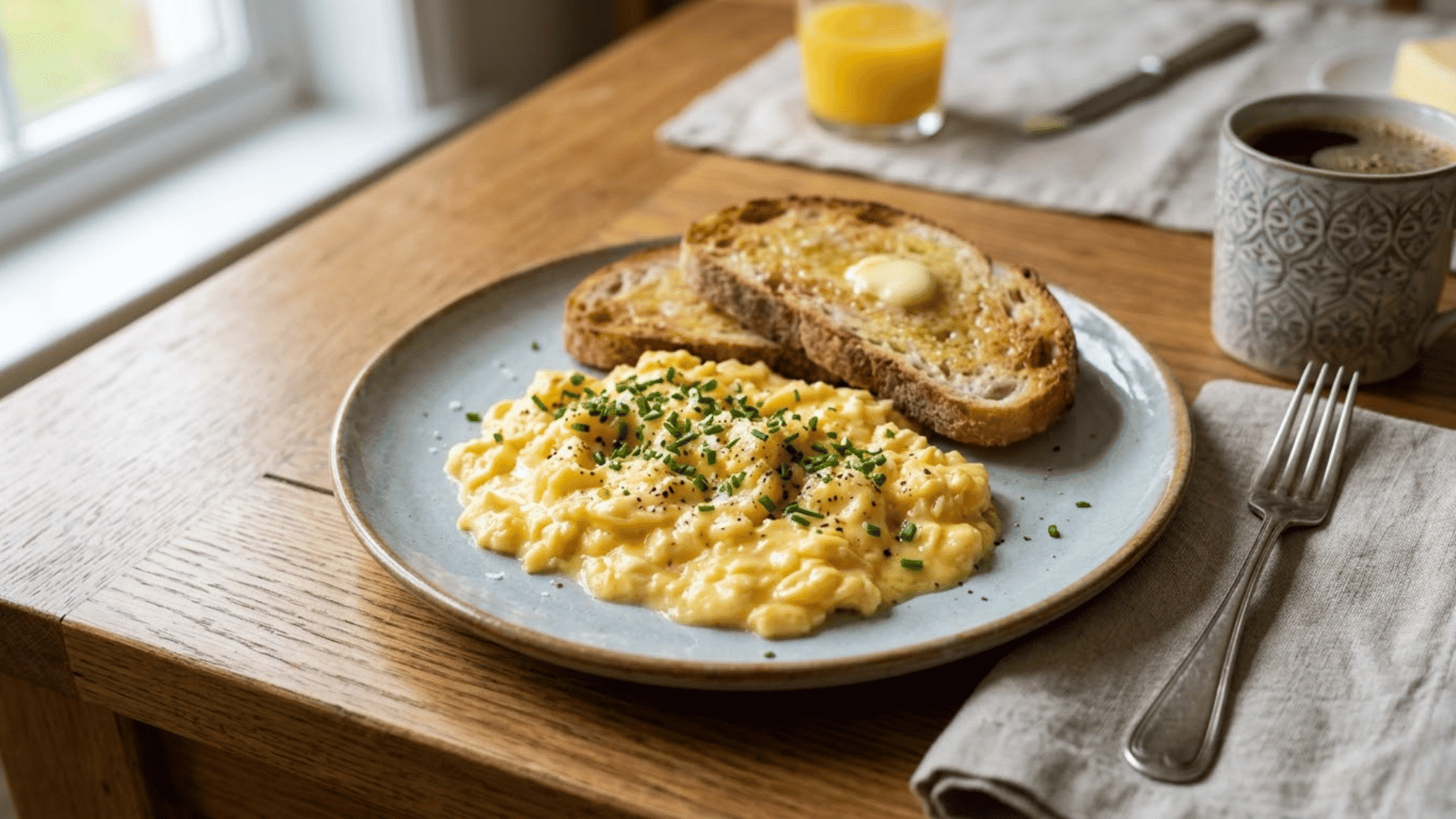
Eggs are a go-to snack when you need something quick but nutrient-dense.
They’re rich in protein and choline, which support brain development. Cook them on low heat, keeping them soft and slightly moist.
You can also mix in a little shredded cheese or finely chopped spinach once your child is comfortable with more textures.
3. Steamed Apple Slices with Cinnamon
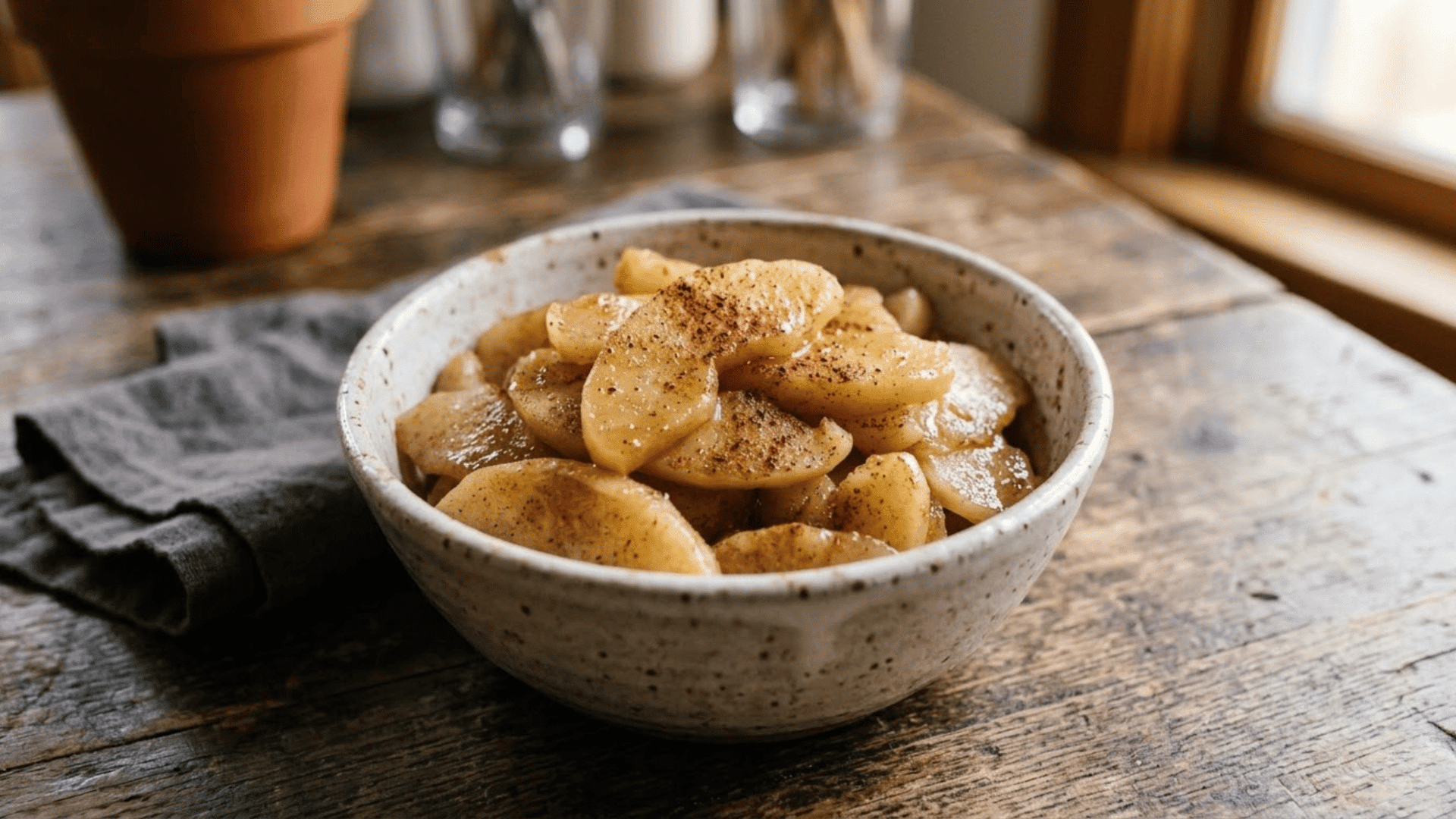
Apples are healthy, but raw slices can be too firm for young toddlers. Steaming softens them, making them much safer and easier to chew.
The natural sweetness often makes this a favorite. You can mash them slightly for younger toddlers or cut them into very small pieces for easy grabbing.
4. Greek Yogurt with Mashed Berries
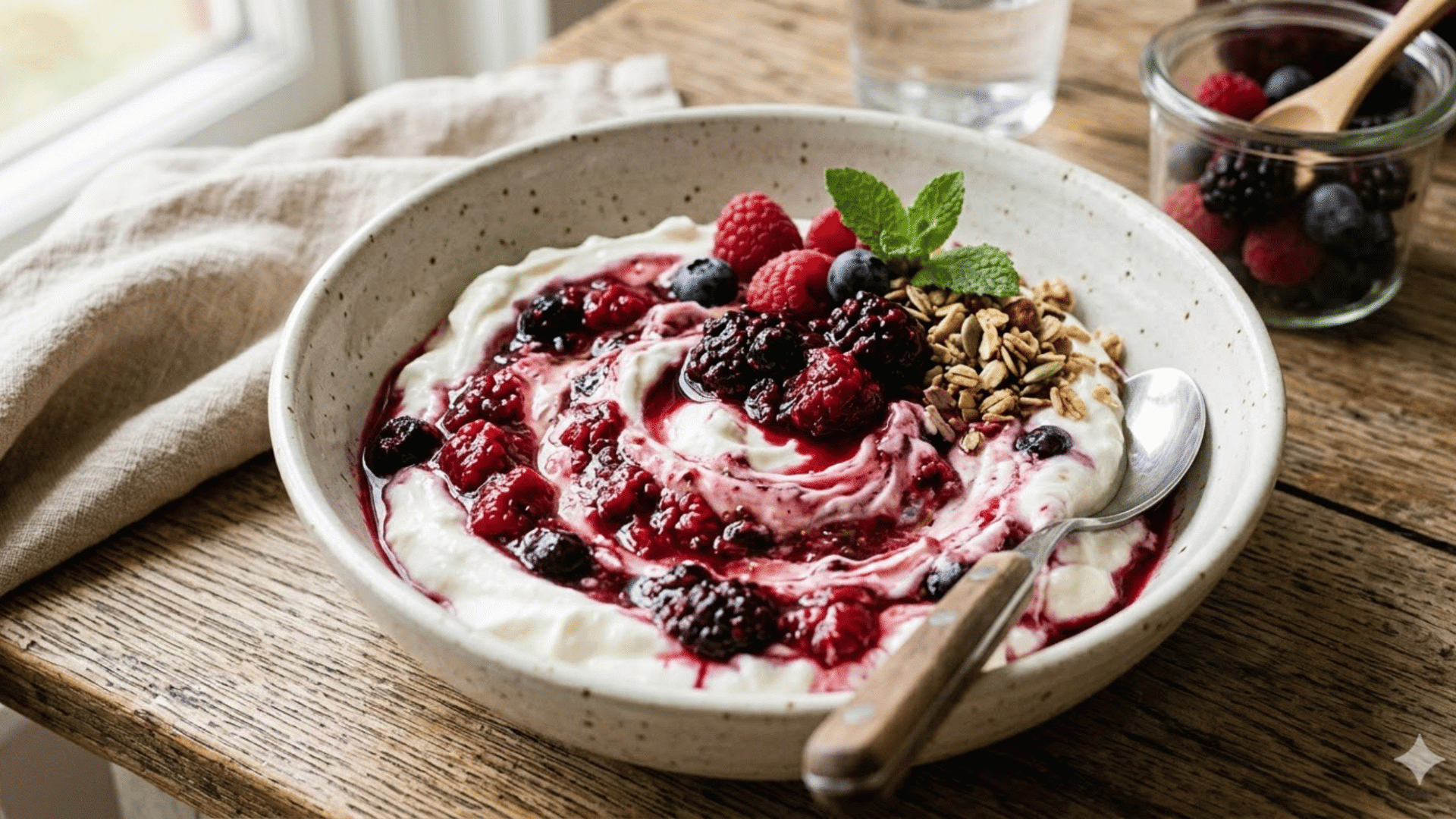
This snack works well when you want something quick and cooling. Greek yogurt provides calcium and probiotics, while berries add vitamins and natural sweetness.
Mash the berries well to reduce the risk of choking, and always choose plain, unsweetened yogurt.
You can also stir in a little mashed banana if your child prefers sweeter flavors.
5. Banana Oat Pancakes (No Sugar Added)
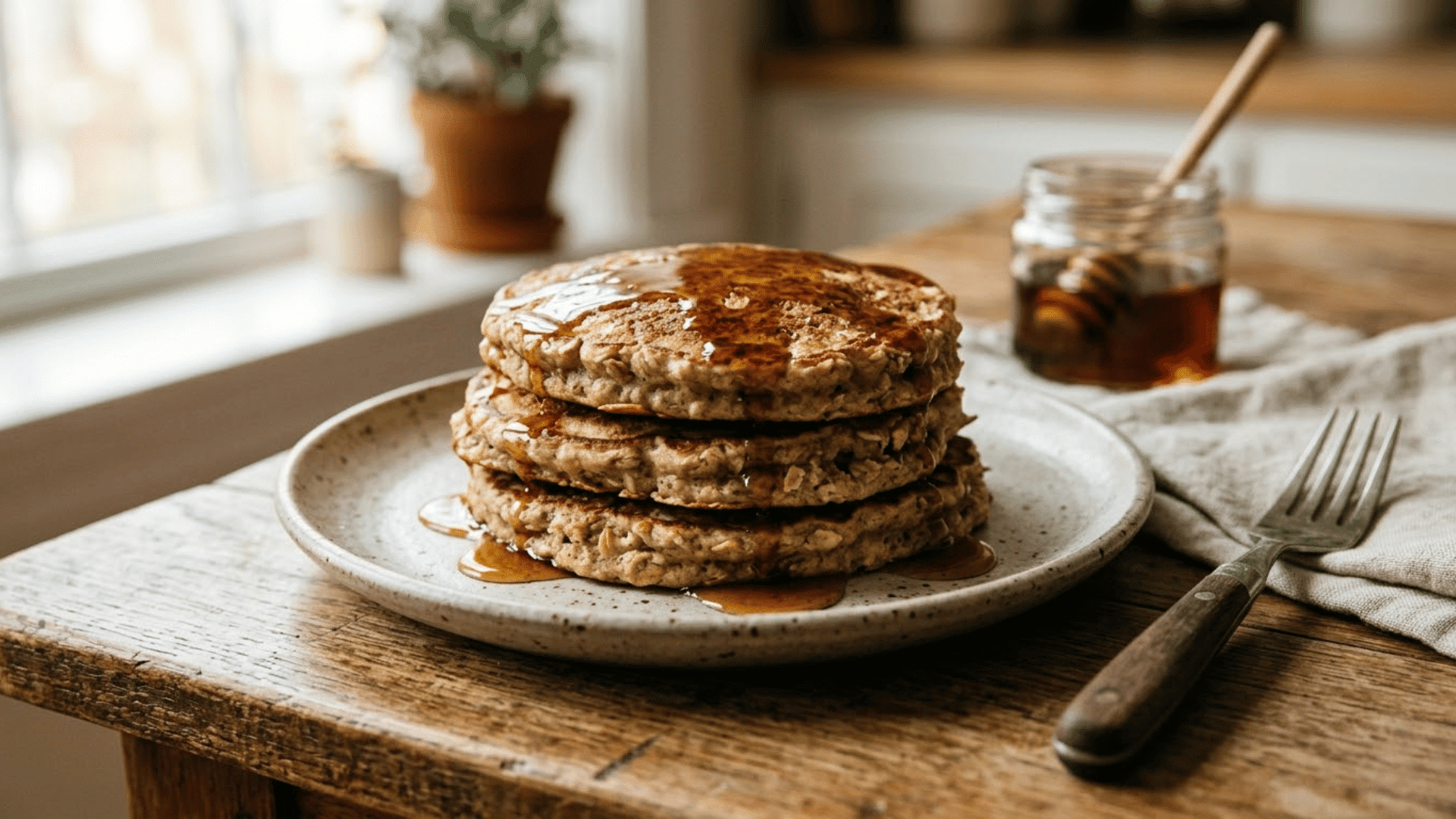
These are great to prepare ahead and store for busy days. They’re naturally sweet from bananas and filling because of oats.
Keep them soft and avoid overcooking. If your toddler is still developing chewing skills, cut them into tiny pieces or strips for easy self-feeding.
6. Cottage Cheese with Soft Fruit
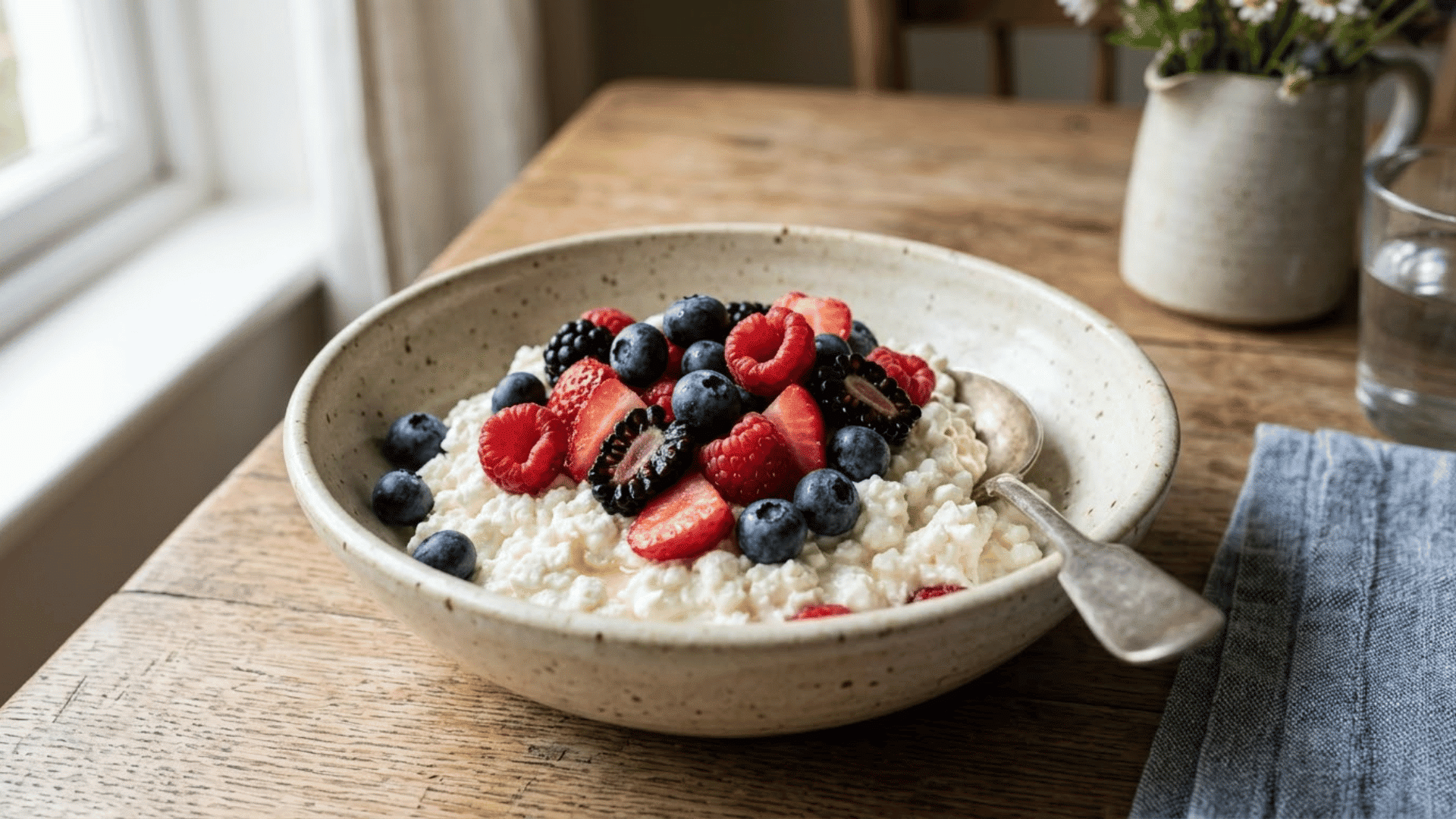
Cottage cheese is soft, mild, and easy to eat, which makes it ideal for toddlers. It’s also a good source of protein. Pair it with soft fruits like ripe pears, peaches, or bananas.
If the texture feels too chunky, you can mash it slightly to make it smoother.
7. Sweet Potato Cubes (Steamed or Roasted Soft)
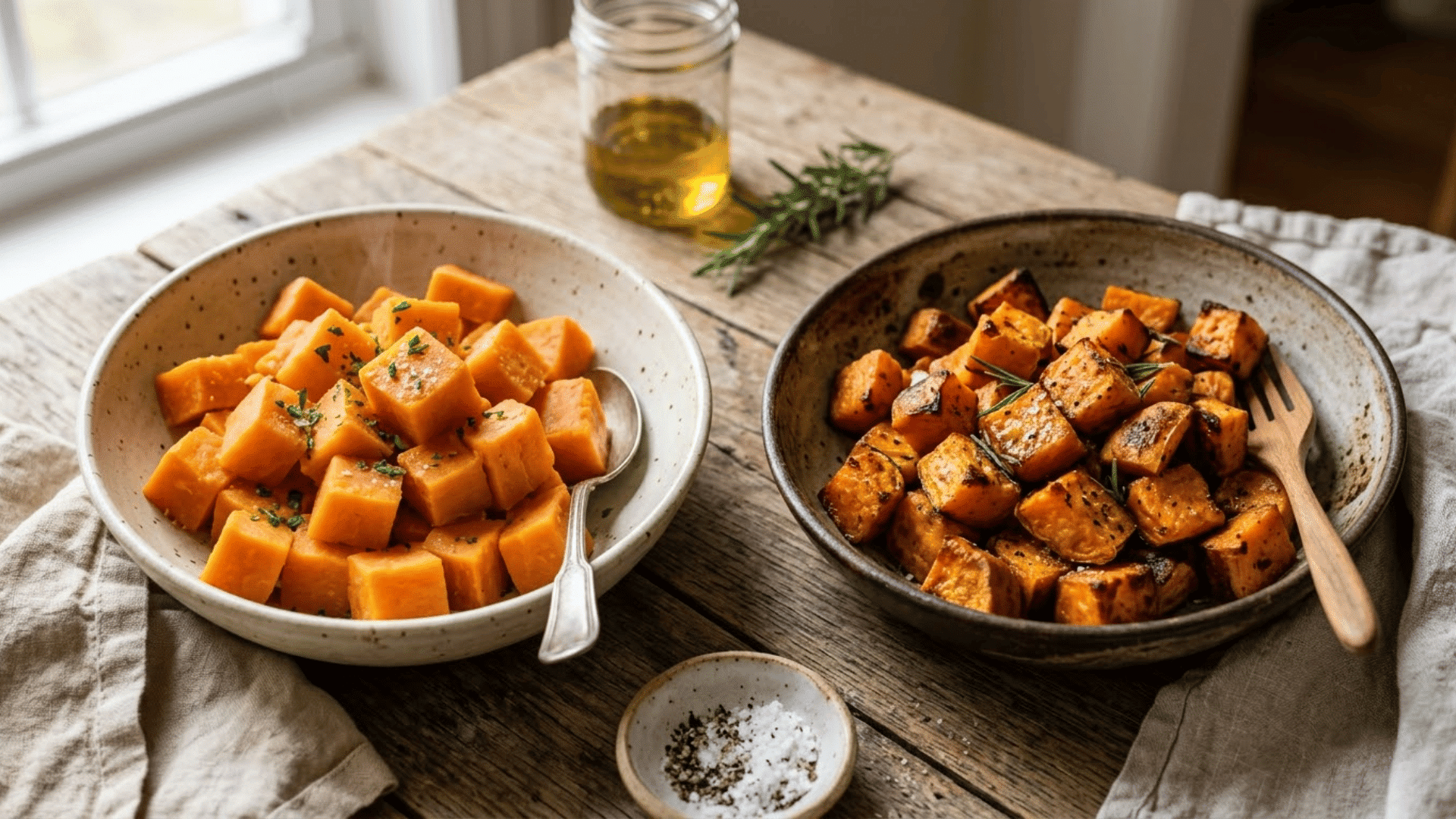
Sweet potatoes are naturally appealing to toddlers because of their soft texture and mild sweetness.
They’re also rich in vitamin A. Make sure they are cooked until very soft, almost mashable with fingers. You can sprinkle a little cinnamon for added flavor without using sugar.
8. Cheese Cubes with Soft Veggies
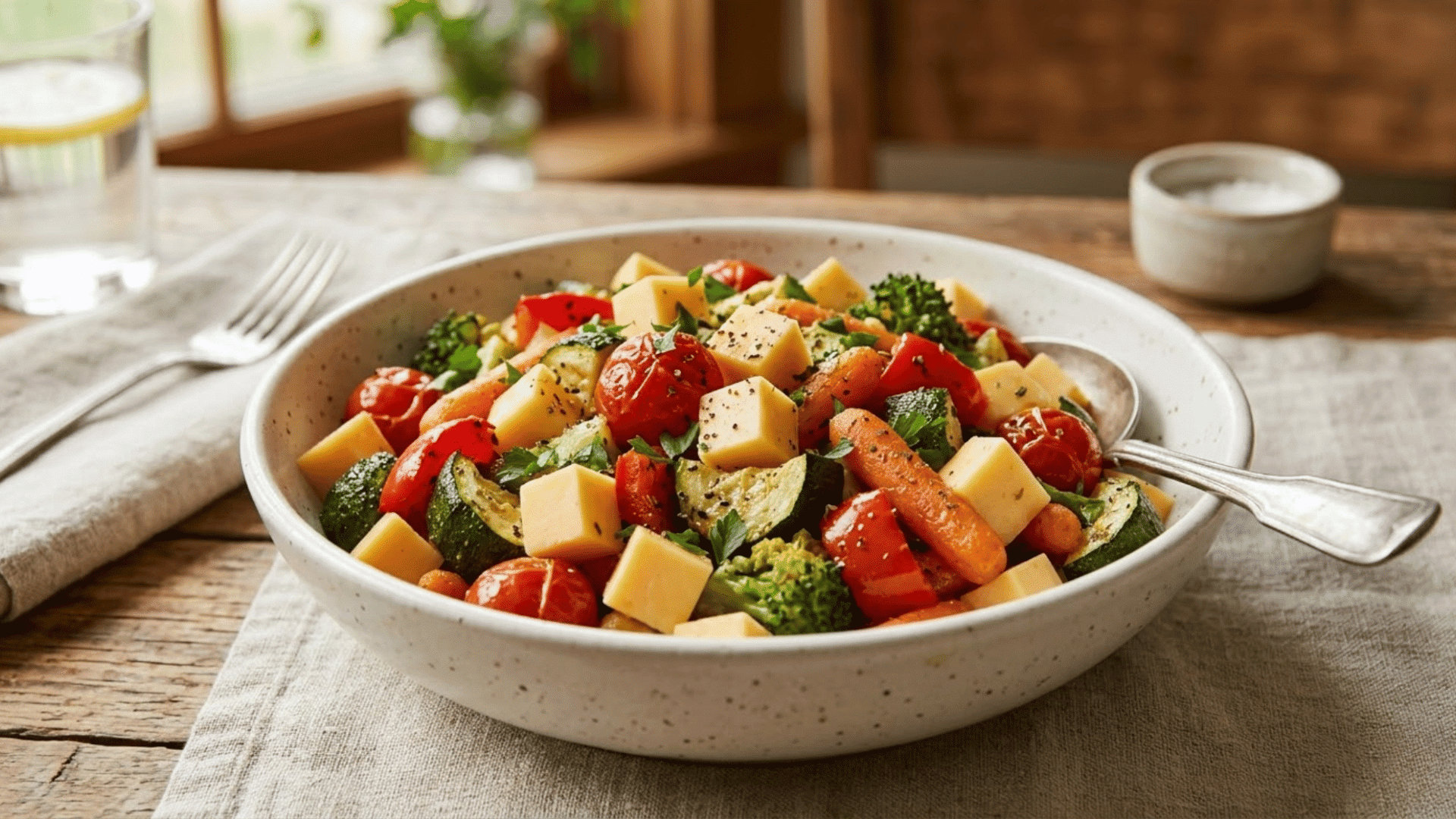
This snack adds both protein and variety. Cheese is easy to handle, while soft veggies like steamed carrots, zucchini, or broccoli bring in extra nutrients.
Cut everything into very small, manageable pieces. If your toddler is new to veggies, pair them with cheese to make them more appealing.
9. Mini Veggie Muffins (Hidden Veggies)
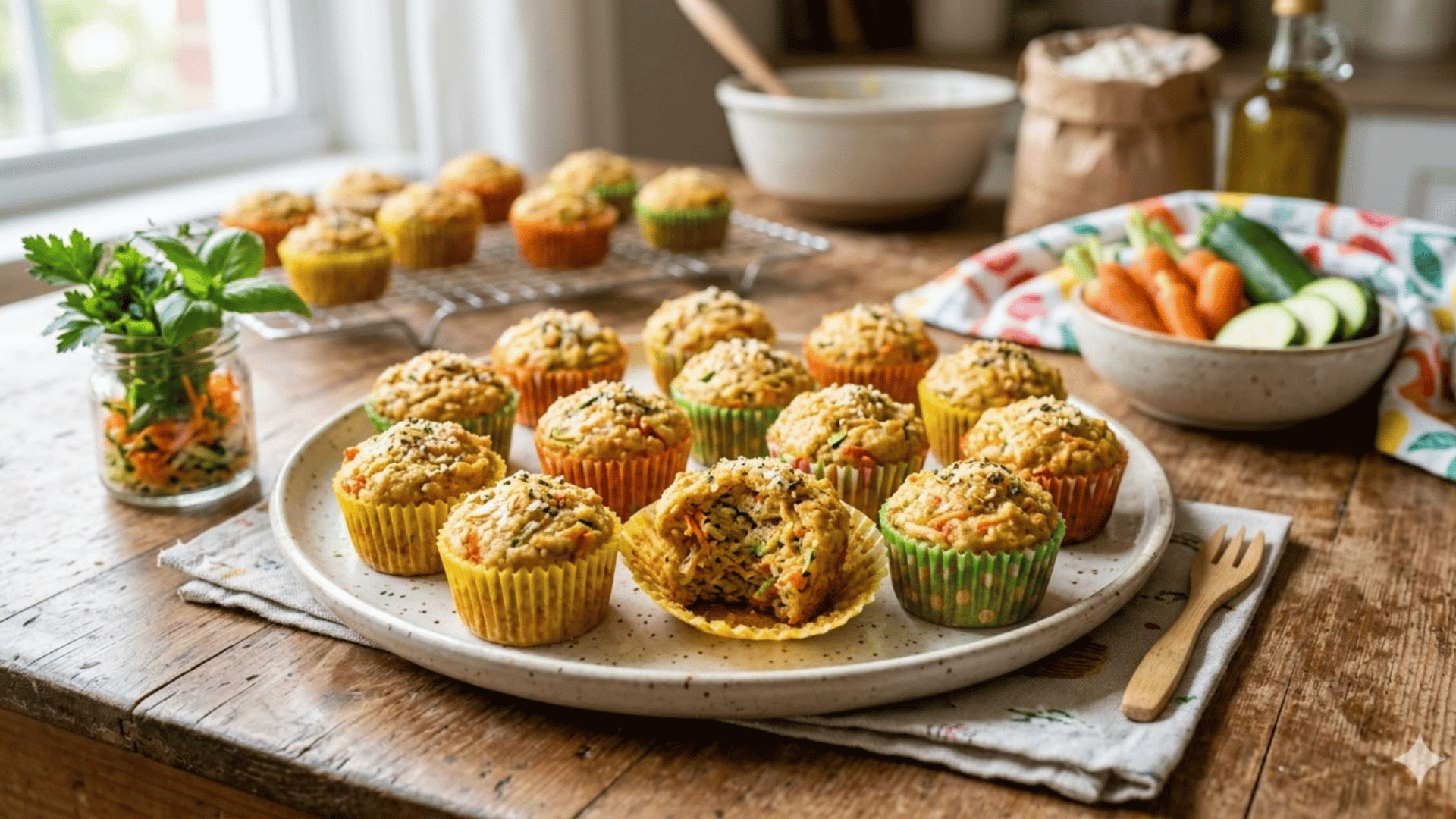
These are helpful when your child refuses vegetables in their usual form. You can mix grated zucchini, carrots, or even spinach into the batter.
Keep them soft and moist. They’re also easy to store and carry, making them a good on-the-go option.
10. Hummus with Soft Pita or Steamed Veggies
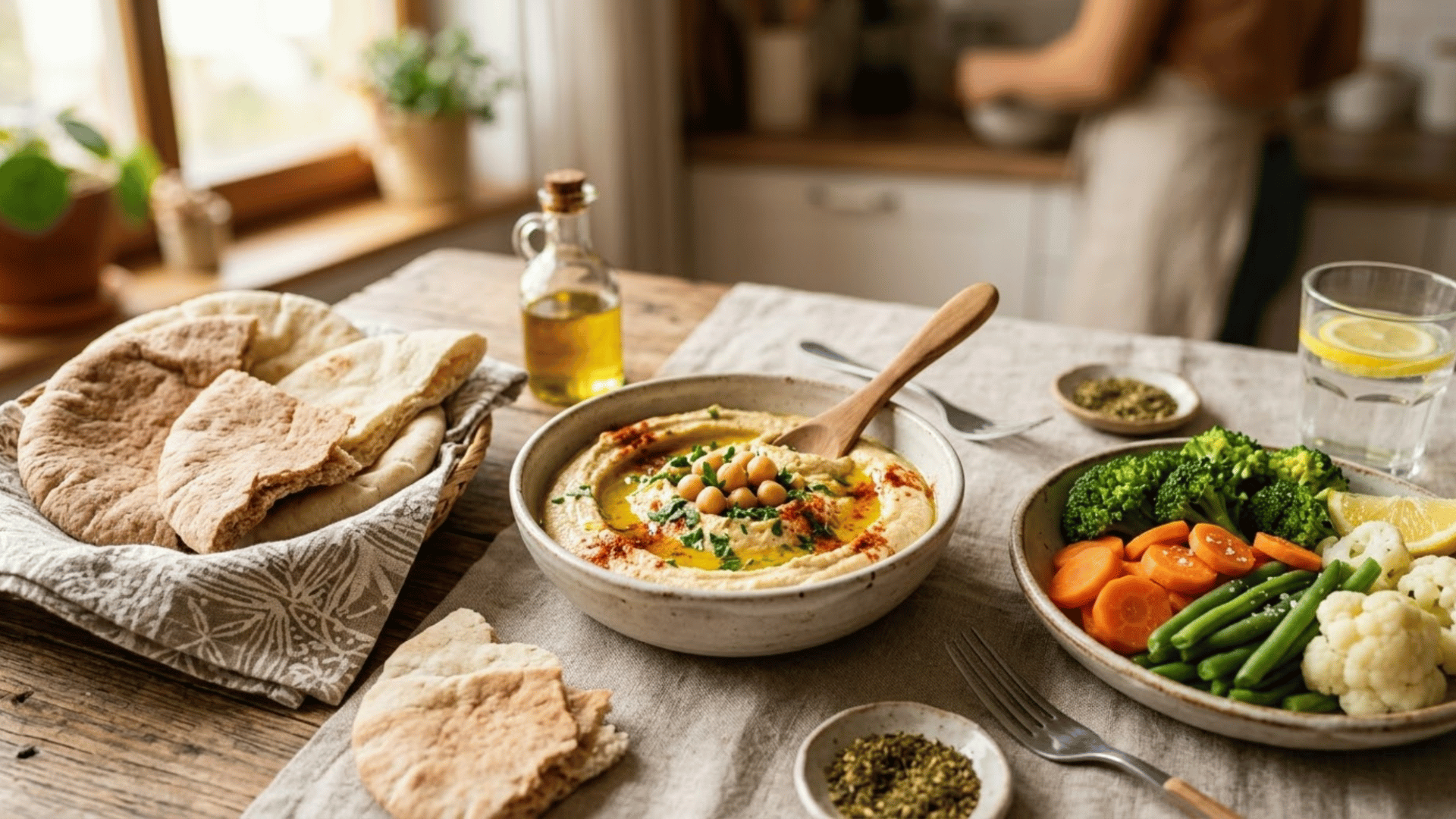
Hummus is a great plant-based option that provides protein and iron. It also introduces new flavors early on. Serve it with soft pita bread or well-cooked veggies.
Make sure everything is soft enough to chew easily and cut into small pieces.
11. Peanut Butter on Banana Slices
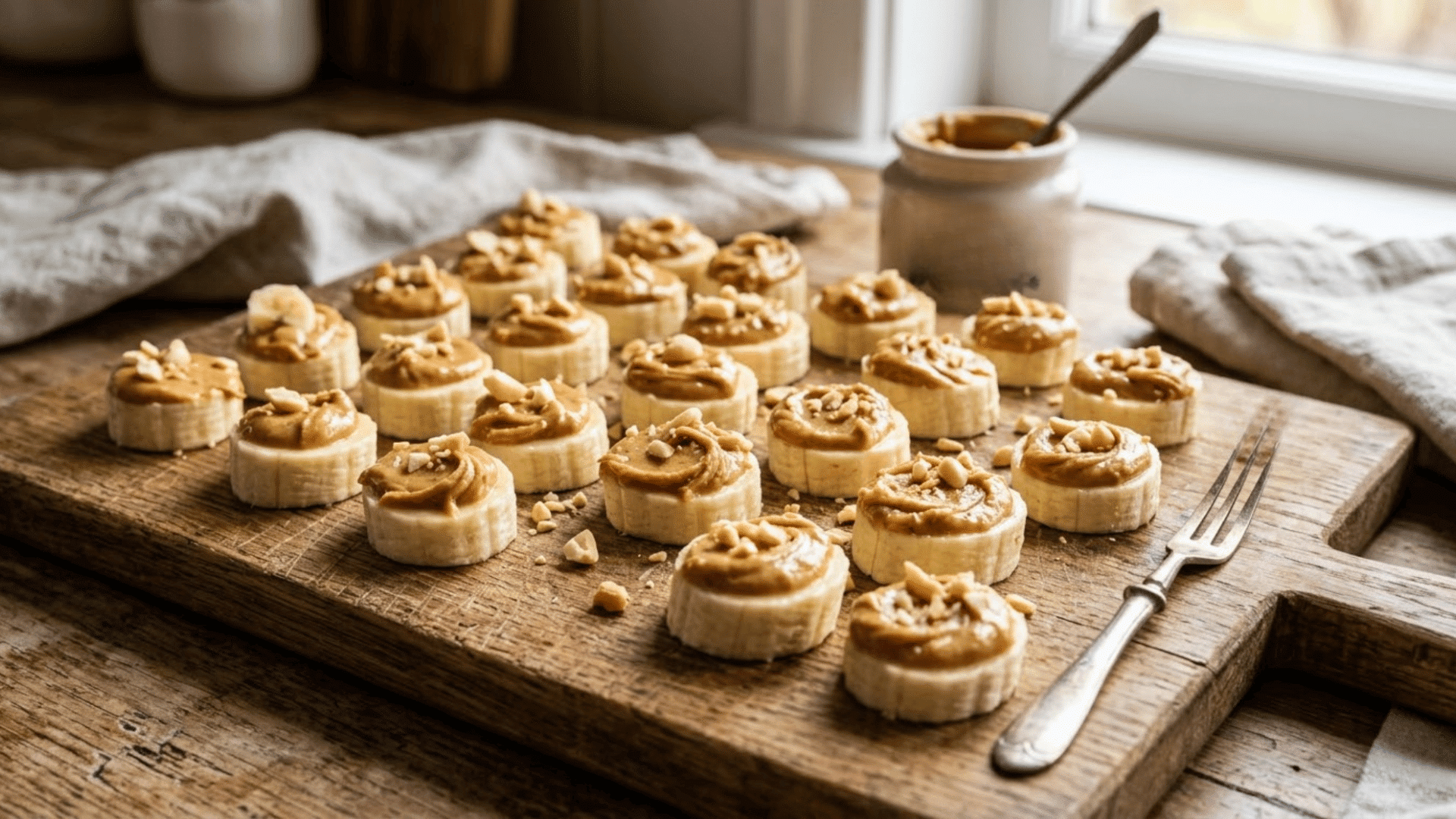
This snack combines healthy fats and potassium. Spread peanut butter very thinly to reduce the risk of choking.
If you’re introducing peanuts for the first time, start with a small amount and watch for any reactions. You can also mix peanut butter with yogurt to thin it out.
12. Oatmeal with Applesauce
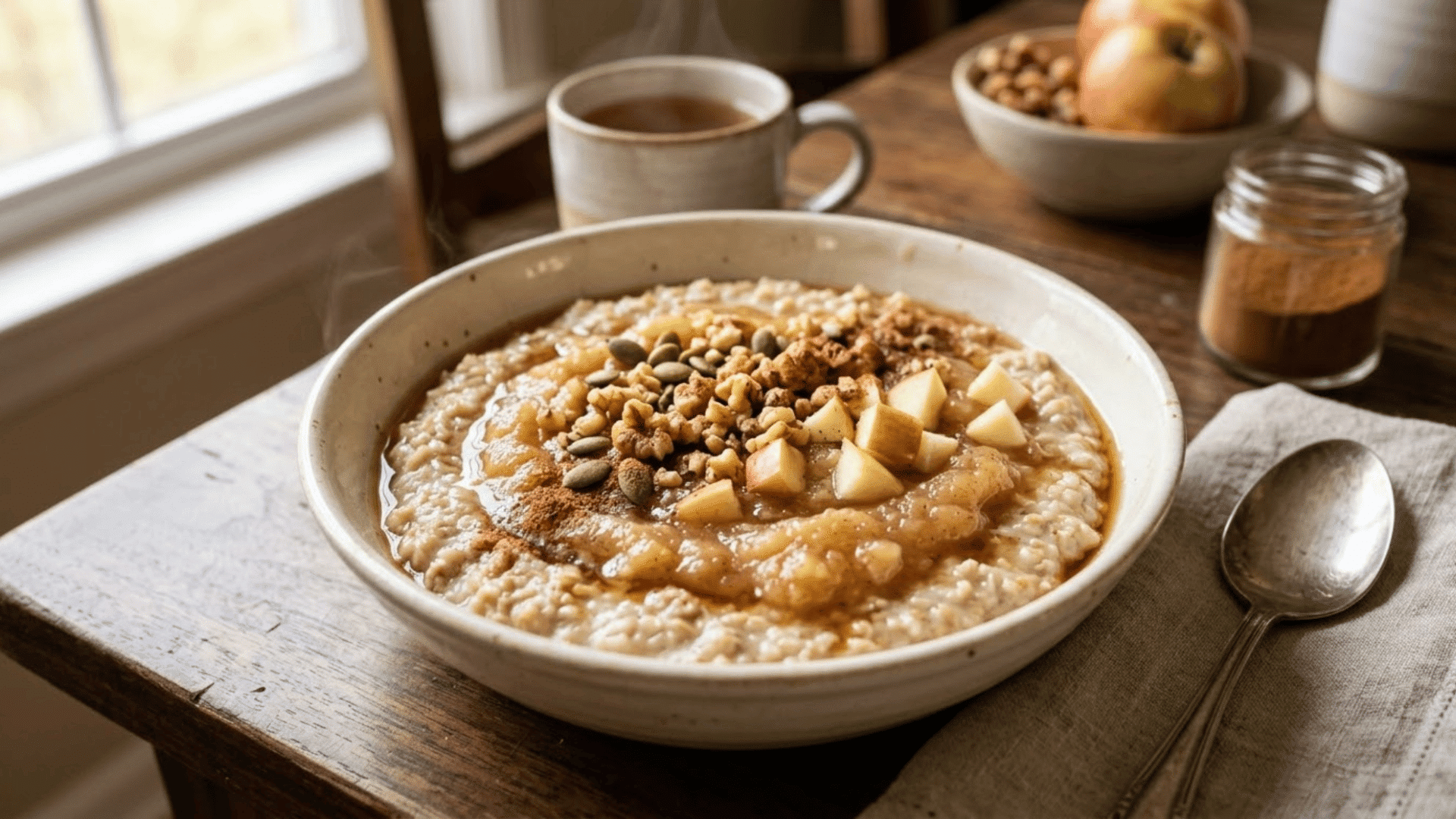
Oatmeal is filling and works well as a snack, especially between longer gaps in meals. Adding unsweetened applesauce gives natural sweetness and extra fiber.
Keep the texture smooth and slightly loose for easier swallowing.
13. Soft Pasta with Olive Oil & Veggies
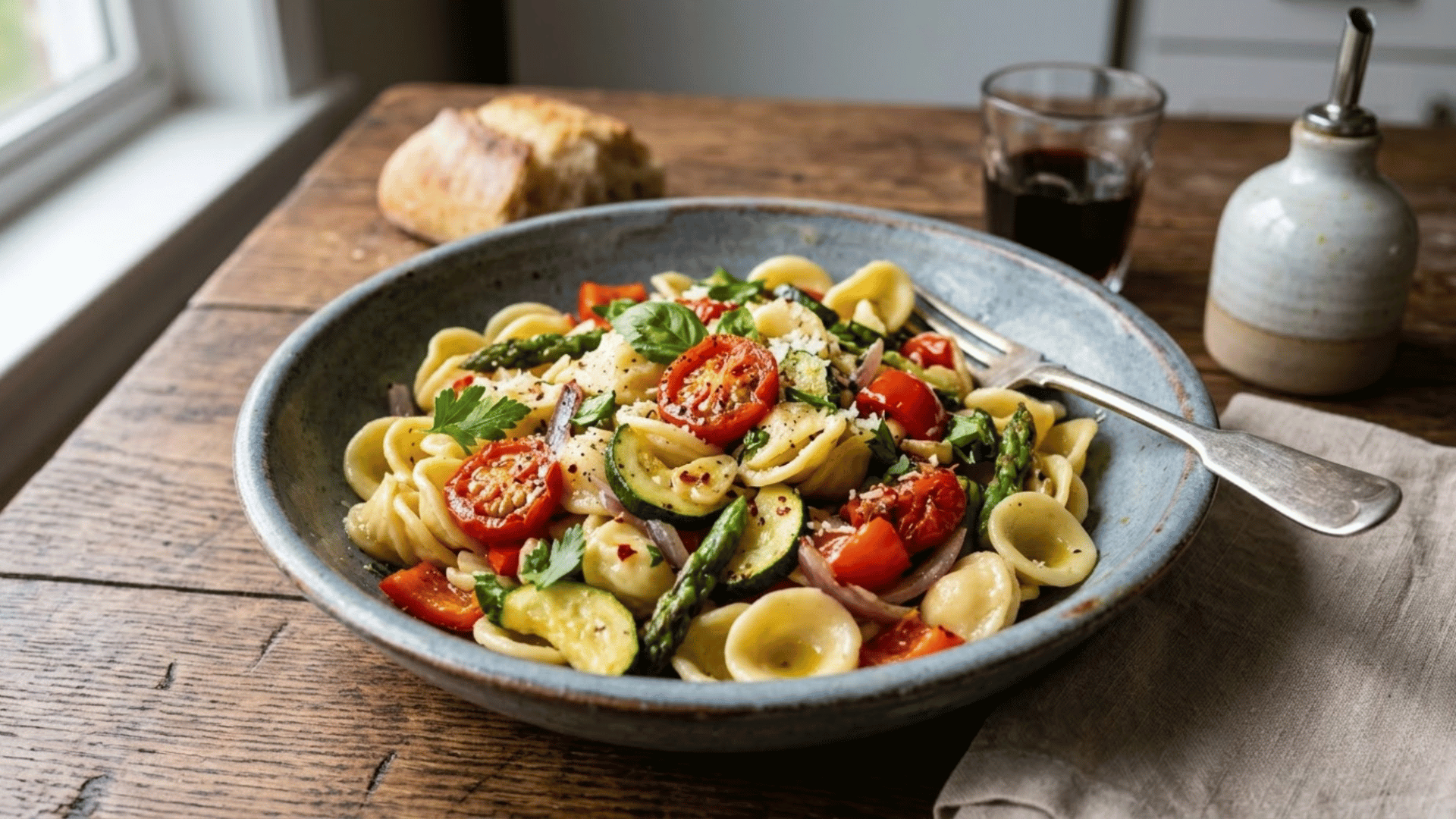
Pasta is familiar and easy for toddlers to eat. Use small shapes, such as shells or spirals, and cook them until very soft.
Toss with olive oil and finely chopped veggies. This helps introduce vegetables in a more familiar format.
14. Chia Pudding (Milk-Based)
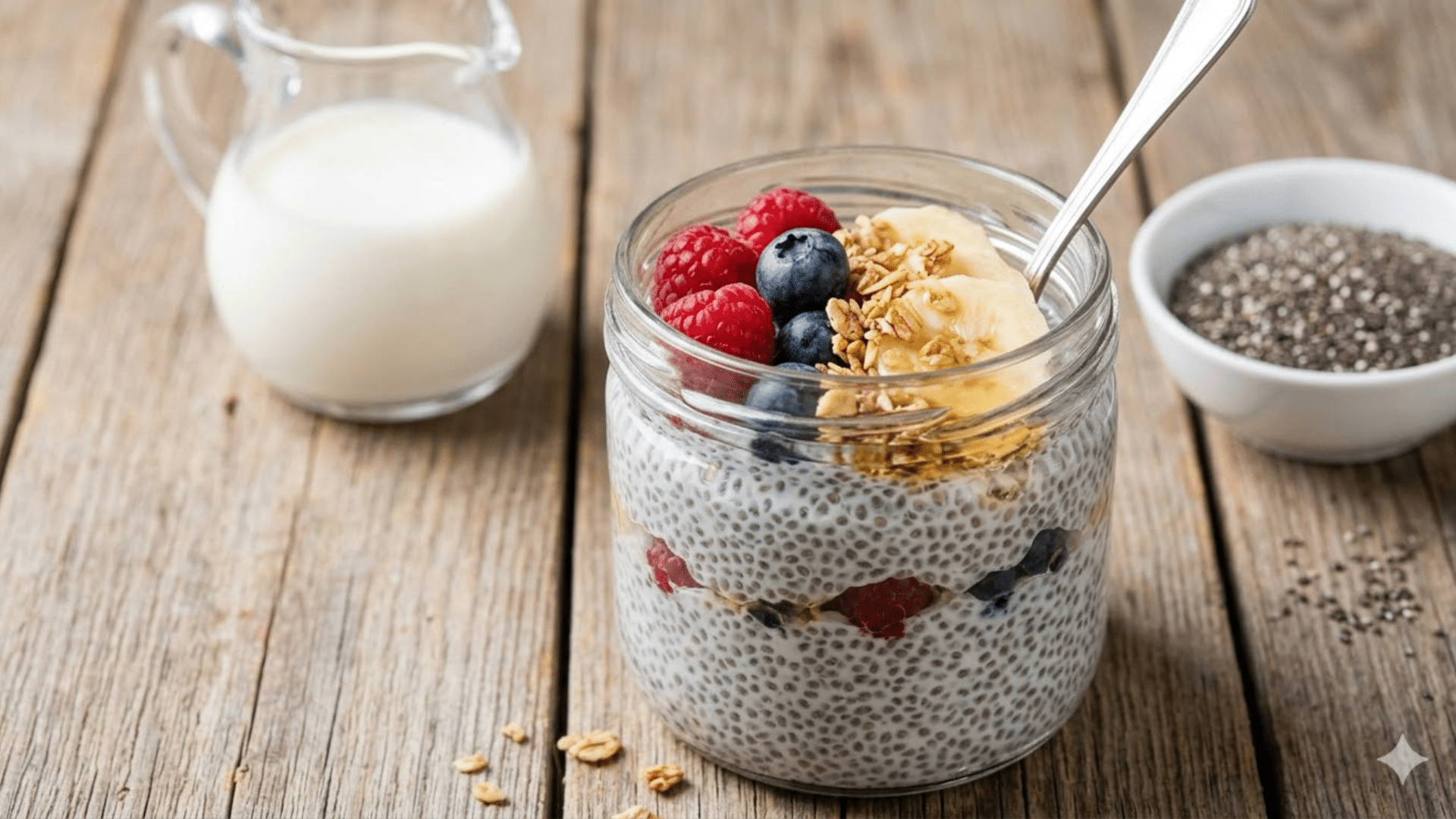
Chia seeds are rich in fiber and healthy fats, but they must be soaked properly. Let them sit in milk long enough to fully soften.
You can add mashed fruit for flavor. Always check the texture before serving to make sure it’s safe.
15. Homemade Fruit Popsicles (No Added Sugar)
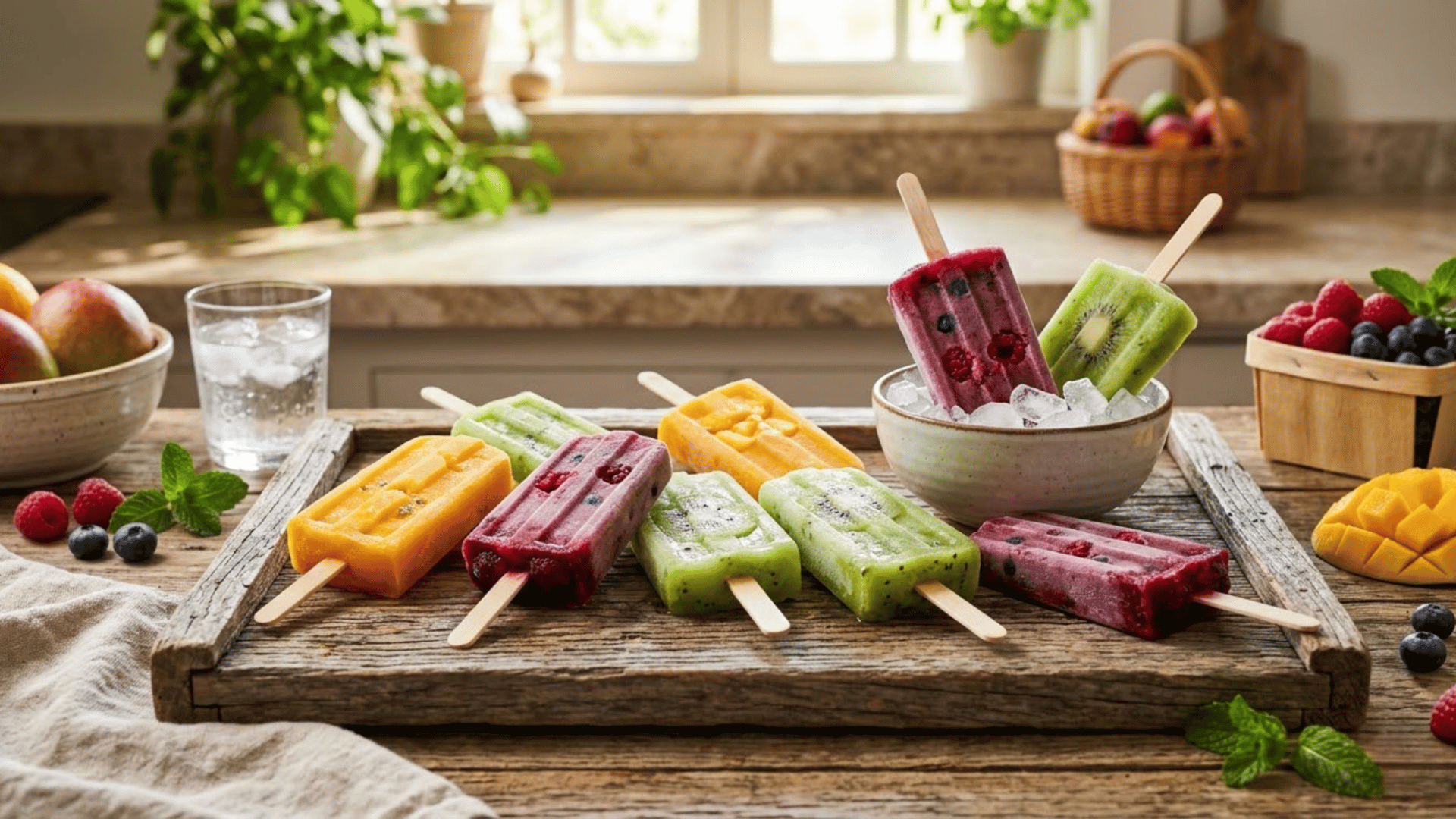
These are especially helpful during teething or warm weather. Blend fruits with yogurt or milk, then freeze in small molds.
They’re refreshing and free from added sugar. Just make sure the texture is smooth and not icy or hard.
Snack Ideas by Age Group (1–3 Years)
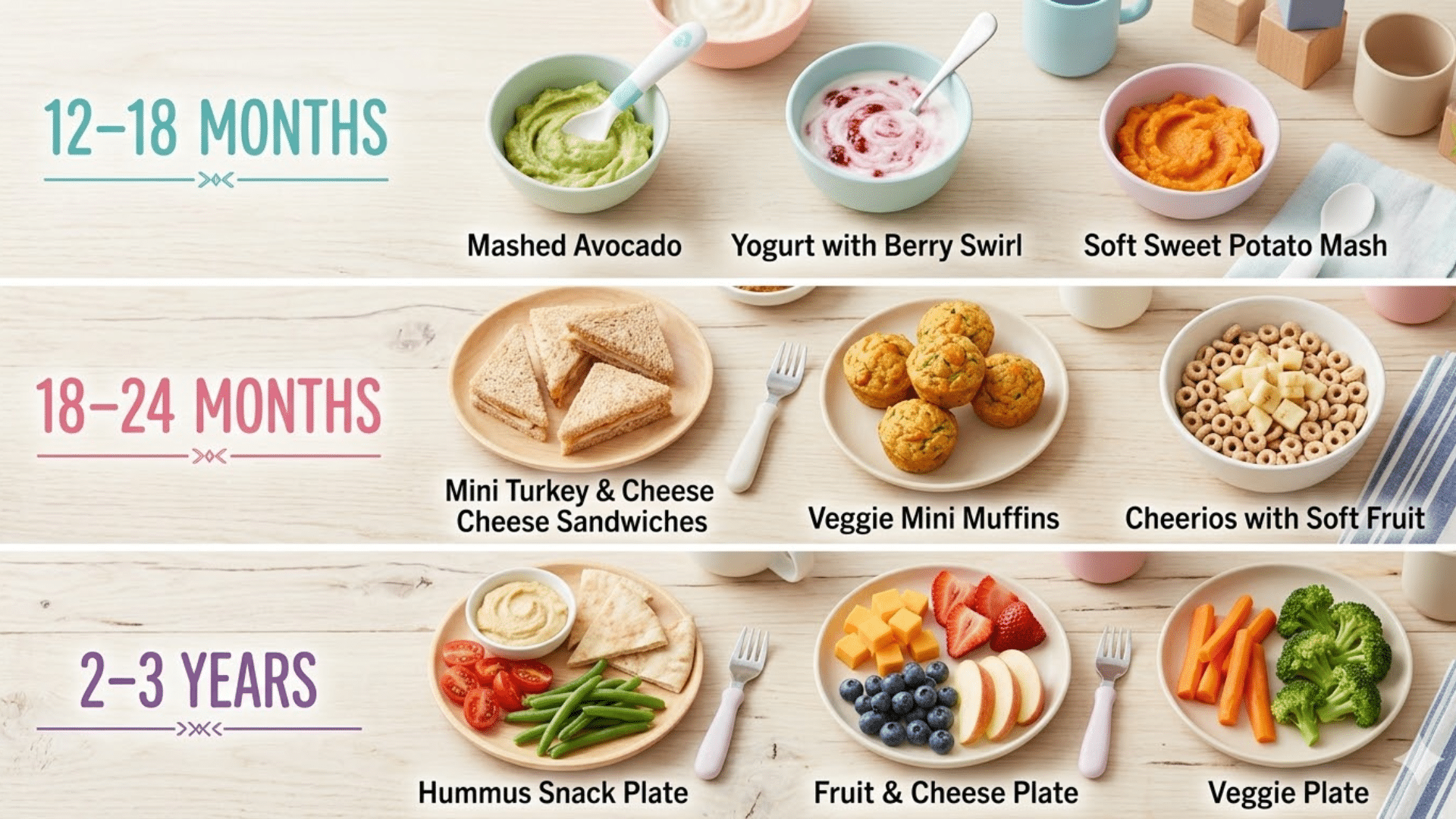
As your child grows, their eating skills and preferences change significantly. So, snack choices should shift too, not just in what you offer, but how you serve it.
| Age Group | Texture Focus | Snack Ideas | Goal |
|---|---|---|---|
| 12–18 Months | Soft, easy-to-chew | Mashed avocado, soft fruits, well-cooked veggies, yogurt | Safe eating and basic chewing skills |
| 18–24 Months | Mixed textures | Mini sandwiches, veggie muffins, fruit with cheese | Introduce variety and balanced eating |
| 2–3 Years | Independent eating | Hummus with pita, cheese cubes, fruits, snack boxes | Encourage self-feeding and choice |
Common Mistakes to Avoid
It’s easy to fall into a routine with toddler snacks, but a few small habits can affect nutrition and safety more than you might think.
- Relying too much on packaged “toddler snacks.”: Many store-bought options are highly processed and low in real nutrients, even if they’re marketed for kids.
- Delaying allergen introduction: Waiting too long to introduce common allergens like peanuts or eggs may increase the risk of allergy, so follow pediatric guidance.
- Serving large or hard pieces: Big chunks or hard foods can be a choking risk, so always cut food into small, soft pieces.
- Adding salt or sugar for taste: Toddlers don’t need extra seasoning, and early exposure can shape unhealthy preferences.
- Skipping variety: Repeating the same snacks can limit nutrient intake and make picky eating worse over time.
- Forgetting hydration: Snacks should be balanced with water or milk, not sugary drinks.
Conclusion
When it comes to feeding toddlers, simple and whole foods often work best. You don’t need complicated recipes, just a mix of nutritious options offered regularly.
Variety matters, and so does patience. It can take multiple tries for a child to accept a new food, and that’s completely normal.
Keep rotating different options to build balanced eating habits over time. These healthy snacks for 1-year-old kids are meant to make your routine easier while supporting steady growth.
Start with 2–3 of these snacks this week and rotate them to see what your child enjoys most.