
So your little one is babbling away like they’re giving a very important press conference, but you can’t understand a single word. Totally normal, and honestly pretty hilarious.
But at some point, every parent starts wondering: when does all that adorable gibberish actually turn into real, clear speech? When will you finally decode what they’ve been trying to tell you this whole time?
It’s one of those questions that lives rent-free in every parent’s brain. Don’t worry, you’re not alone in asking it!
Let’s break down exactly what age kids start talking clearly and what to expect along the way!
At What Age Should a Child Start Talking Clearly?
Children do not start talking clearly all at once, as speech develops gradually over time.
At around 2 years old, a child’s speech is usually about 50% understandable, and parents can often understand more than others.
By age 3, speech becomes clearer and about75% understandable to most people, even though some mispronunciations are still common.
As children grow, they begin forming longer sentences and expressing their thoughts more easily. By age 4, most children speak clearly enough to be understood by strangers and can communicate with more confidence.
Speech clarity improves as their vocabulary expands and they gain better control over sounds.
Every child develops at their own pace, so some may reach clarity earlier while others may take a little longer.
Why Some Children Speak Clearly Earlier Than Others?
Children develop speech at their own pace, and differences are completely normal. Several factors influence how quickly a child begins to speak clearly.
- Natural Personality Differences: Some children talk more, while others observe and listen first.
- Home Interaction Levels: Regular conversations help children learn words and improve clarity faster.
- Bilingual Environment: Learning two languages may slow early clarity but supports long-term skills.
- Hearing and Development: Speech clarity depends on hearing ability and overall growth.
- Focus on Other Skills: Children may prioritize walking before improving speech.
Speech Clarity Milestones by Age
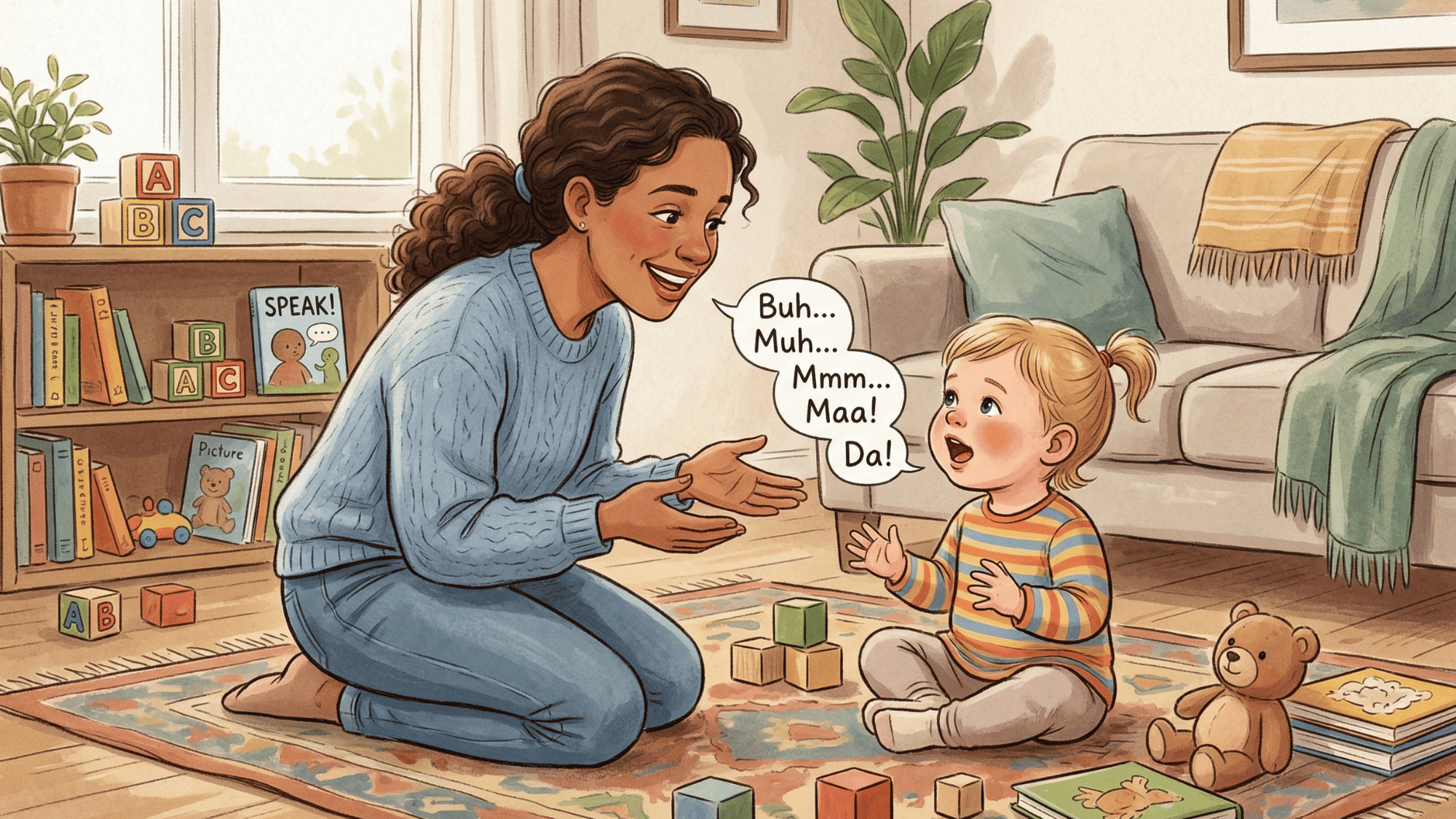
Speech clarity develops gradually, and each stage builds on the previous one.
| Age Range | Speech Development Stage | What to Expect | Key Focus |
|---|---|---|---|
| 12–18 Months | Early words with low clarity | Uses simple words, gestures, and sounds | Communication over clear speech |
| 18–24 Months | Growing vocabulary | 20–50+ words, two-word phrases, unclear speech | Building vocabulary |
| 2–3 Years | Sentence formation begins | Short sentences, about 50% understandable | Improving consistency and expression |
| 3–4 Years | Clear and structured speech | Longer sentences, mostly understandable speech | Clarity and complete communication |
Signs Your Child is on the Right Track
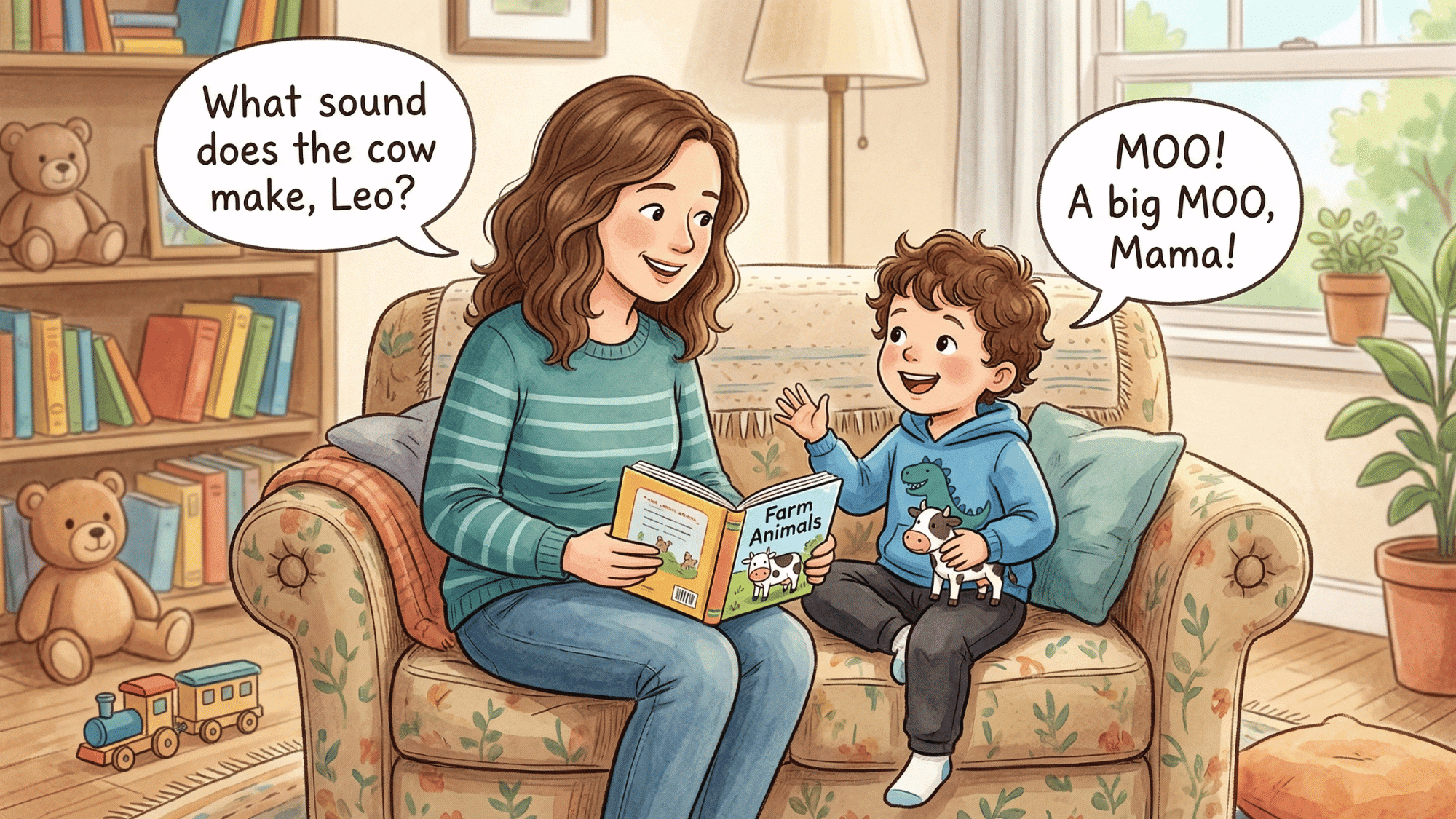
There are several positive signs that show your child’s speech and language skills are developing well.
- Tries to Communicate Often: Your child makes efforts to express needs through sounds, words, or gestures.
- Copies Sounds and Words: Imitating what they hear shows active learning and listening skills.
- Uses Gestures Along with Speech: Pointing, waving, or nodding helps support communication.
- Understands Simple Instructions: Following basic commands demonstrates strong comprehension.
- Shows Interest in Talking: Your child enjoys interacting with others and responding to them.
- Responds to Name And Voices: Turning or reacting when called is a good developmental sign.
- Uses Facial Expressions and Eye Contact: These help support early communication and connection.
When Should You be Concerned About Speech Clarity?
While variation is normal, certain signs may need attention. If a child is not saying any words by 18 months, it may be worth discussing with a doctor.
If speech is very hard to understand by age 3, further evaluation can help. Not combining words by age 2 or not responding to sounds may also be signs to watch.
A sudden loss of speech or communication skills should always be checked. Early support can make a big difference if there is a delay.
It’s also important to notice if your child avoids eye contact or shows little interest in interacting with others. Difficulty understanding simple instructions or a lack of progress over time can be additional signs.
Trusting your instincts as a parent is important, and seeking guidance early can provide clarity and support.
Trusted Expert Advice for Speech Development
Experts agree that simple daily interaction and early support play a key role in helping children develop clear speech.
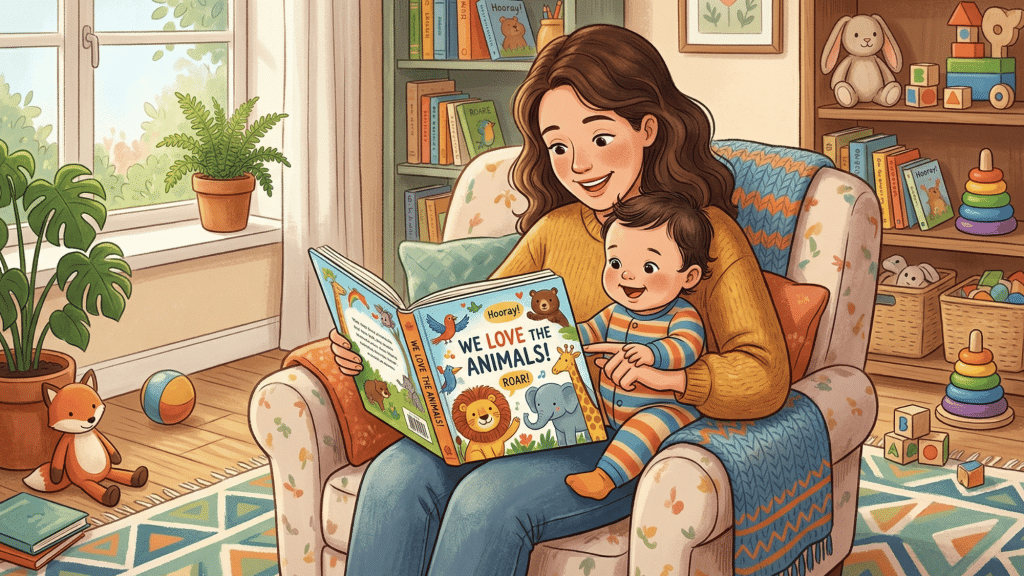
Read and share books with your child from an early age, because regular read-aloud time supports speech, language, and early literacy growth. – Healthy Children
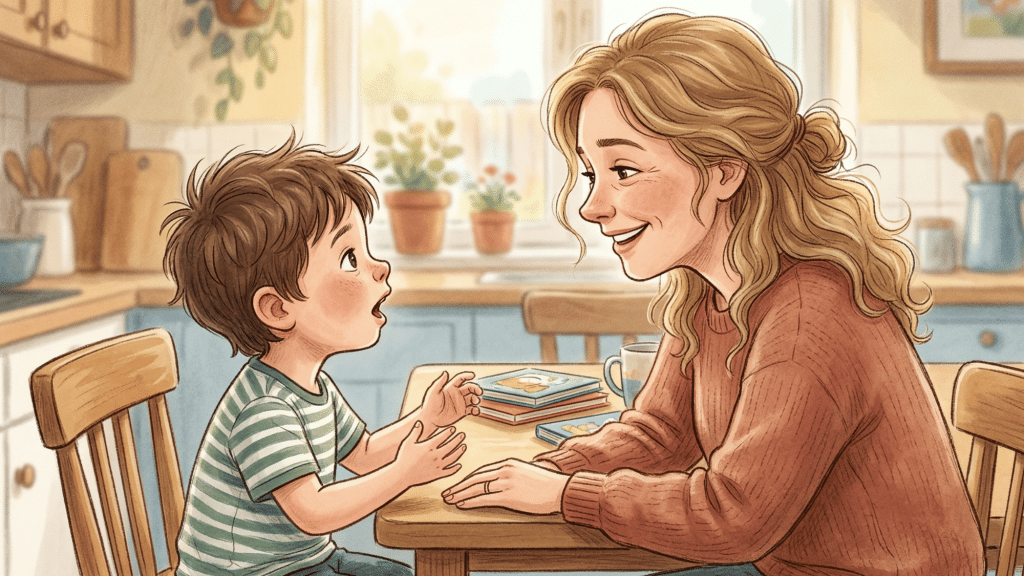
Talk with your child during everyday routines and name what they see or do, since simple back-and-forth conversation helps children learn to understand and use words. – ASHA
Focus on milestones as a guide, not a strict deadline, because children learn to speak at different speeds and speech does not follow one exact schedule. – Mayo Clinic
Help your child learn through daily interaction, play, songs, and talking, because real-life communication builds language better than passive listening. – NHS
If you are worried about speech or development, act early by tracking milestones and talking to your child’s doctor, since early support can make a real difference. – CDC.gov
Simple Ways to Help Your Child Speak Clearly
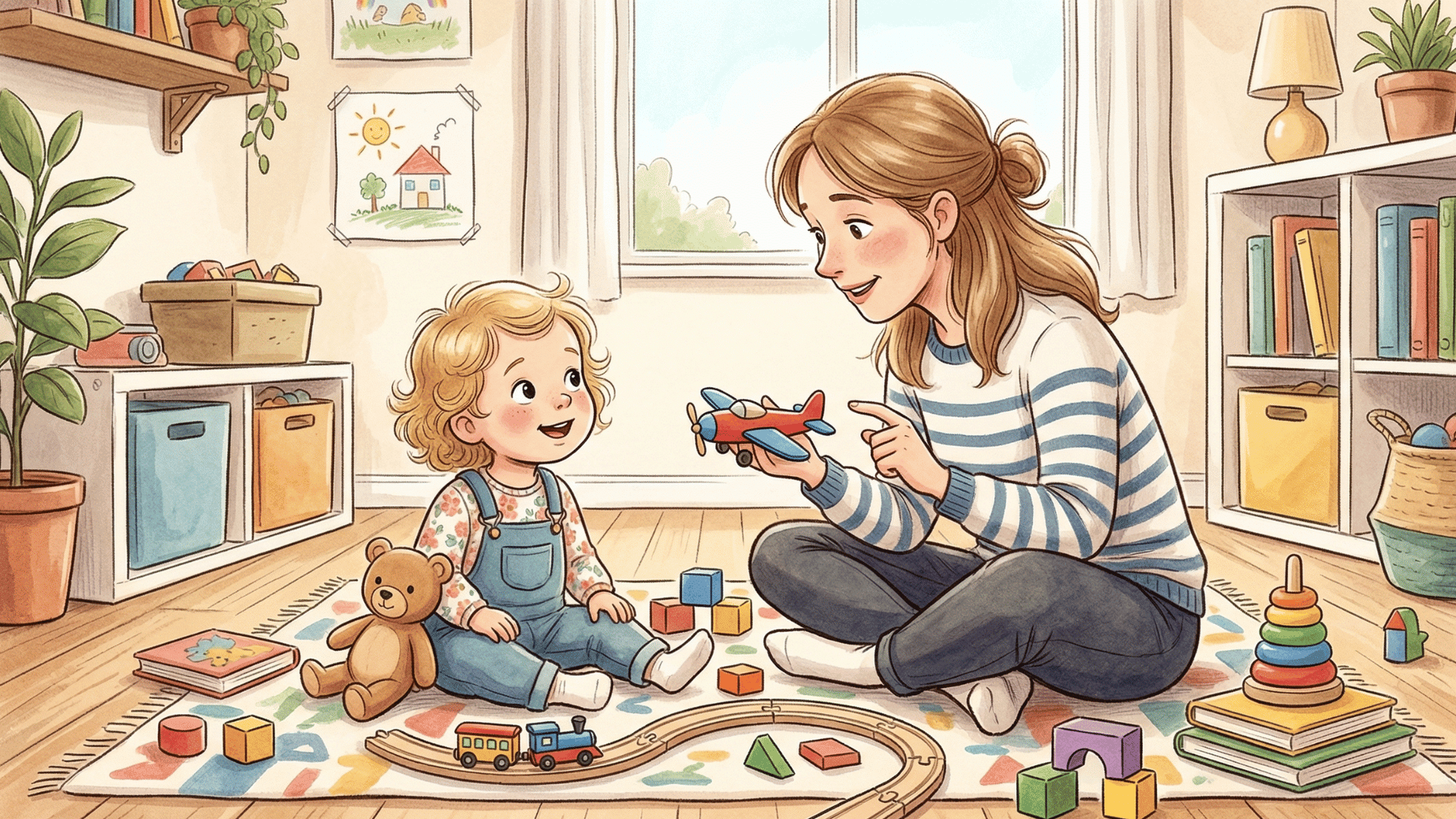
Helping your child speak clearly doesn’t require anything complicated; simple daily habits can make a big difference.
- Talk Slowly and Clearly: Speaking at a steady pace helps your child hear and copy sounds better.
- Read Books Daily: Reading introduces new words and improves listening skills.
- Repeat and Expand Words: If your child says a word, repeat it and add more to build learning.
- Encourage Conversation: Ask simple questions and give your child time to respond.
- Limit Screen Time: Less screen time means more real interaction and better speech growth.
- Praise Attempts to Speak: Encouragement builds confidence and motivates your child to try more.
- Use Songs and Rhymes: Simple songs help children learn rhythm, sounds, and new words in a fun way.
- Use Gestures Along with Words: Combining actions with speech helps your child better understand and remember words.
Wrapping It Up
Every child finds their voice at their own pace, and that is perfectly okay. Some kids are chatting your ear off by age two, while others are perfectly happy keeping you guessing a little longer.
As long as your child is growing, engaging, and trying to express themselves, you are already winning at this parenting thing.
Keep reading to them, talking to them, and responding to every little babble like it’s the most fascinating thing you’ve ever heard.
Because to them, it is! And before you know it, you’ll be wishing for just five minutes of quiet. Careful what you wish for, parents!