

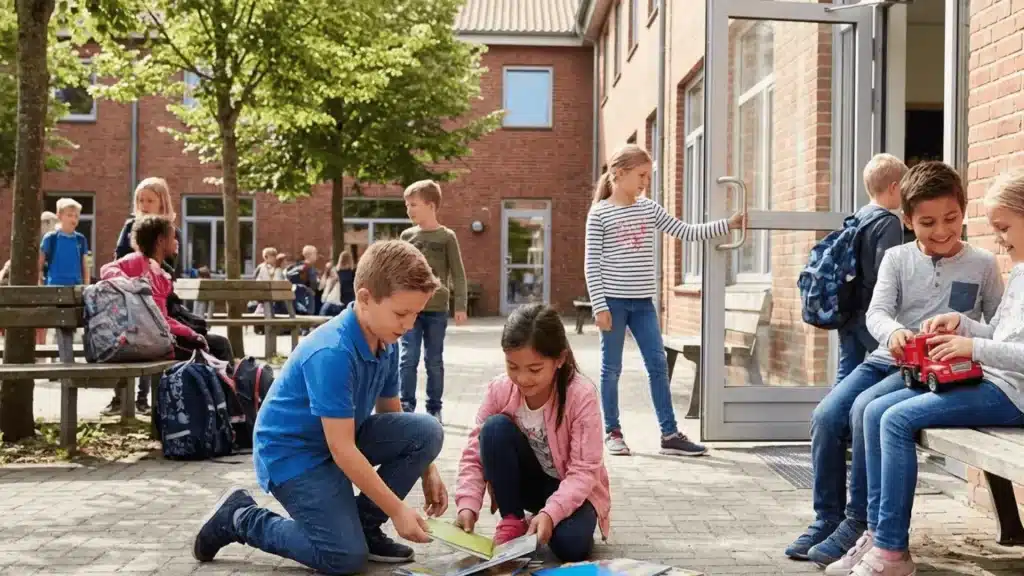
Kindness is one of the first social skills children can learn, and it often begins with small everyday choices. When kids understand how their actions affect others, they start to build empathy, respect, and stronger relationships.
Teaching kindness does not require big lessons. Simple habits practiced daily can help children recognize opportunities to help, encourage, and support people around them.
These acts of kindness for kids can appear in many forms, from thoughtful words to helpful actions at home, school, or in the community.
Here, you will find practical ideas, activities, challenges, and stories that make kindness easy for children to practice in real life. Let’s start by understanding what kindness looks like for kids.
What Are Acts of Kindness for Kids?
Acts of kindness for kids are simple things children can do to show care, respect, and support for others. These actions fit into everyday life and help kids learn how their choices affect the people around them. Even small steps can help children build good habits and make their day, and someone else’s day, a little brighter.
Kindness means doing something helpful or thoughtful without being asked. It can be shown through words, actions, or small gestures that make someone feel seen and valued.
Small acts often have the strongest impact. One kind moment can change how someone feels, even if it only takes a few seconds. When children learn this early, they begin to see how their choices matter and how they can help build a positive environment wherever they go.
Why Teaching Kindness to Kids Matters
Teaching kindness early helps children understand how their actions affect others. Small daily habits can shape how kids treat people at home, in school, and in their community.
- Helps children build empathy: Kindness encourages kids to notice how others feel. When they pay attention to emotions, they become better at understanding and supporting people around them.
- Improves social and communication skills: Children who practice kindness learn how to work with others. They listen more carefully, communicate clearly, and build stronger friendships.
- Encourages positive behavior and respect: Kind actions show children how to treat others with care. This supports respectful behavior and helps create a calmer environment at home and school.
- Builds confidence and emotional well-being: When kids do something kind, they often feel proud of themselves. These moments help improve mood and strengthen a healthy sense of self.
When kindness becomes part of everyday behavior, children grow into more thoughtful, respectful, and socially aware individuals. Even small acts can make a lasting difference.
Simple Acts of Kindness Kids Can Try
Simple acts of kindness help kids learn how small choices can make others feel happy and valued. These ideas are easy to practice at home, school, and in the community.
- Smile at someone to brighten their day.
- Say thank you when someone helps you.
- Give a compliment to make someone feel good.
- Share toys or snacks with friends.
- Hold the door open for someone behind you.
- Help someone pick up something they dropped.
- Invite someone to join a game so they feel included.
- Let someone go ahead in line to be polite.
- Say good morning to start the day kindly.
- Offer encouragement to a friend who needs support.
Helping Family Members
Kids can show kindness by helping with everyday tasks at home.
- Set the table for meals to help your family prepare dinner.
- Help cook dinner by assisting with small tasks.
- Clean your room without being asked to show responsibility.
- Help a sibling with homework when they need support.
- Feed or care for a pet so they stay happy and healthy.
Showing Appreciation at Home
These simple actions help kids show gratitude and appreciation to family members.
- Write a thank-you note for parents to show gratitude.
- Make a card for grandparents to share love.
- Give a compliment to each family member.
- Help with household chores to support the family.
- Leave encouraging notes for family members to brighten their day.
Kindness Toward Classmates
Kids can make school a friendlier place by supporting their classmates.
- Help a classmate with homework if they are struggling.
- Share school supplies when someone forgets theirs.
- Invite someone new to sit with you at lunch.
- Encourage a friend when they are having a tough day.
- Help a friend carry books if they have too many.
Kindness Toward Teachers and School Staff
Showing kindness to teachers and school staff teaches children respect and appreciation.
- Write a thank-you note to a teacher for their help.
- Help clean the classroom after activities.
- Leave a kind message for the janitor to show appreciation.
- Help organize classroom materials when needed.
- Volunteer to assist with classroom tasks.
Acts of Kindness for Kids in the Community
Children can also practice kindness outside their home and school.
- Help a neighbor with yard work if they need help.
- Carry groceries for someone who needs assistance.
- Walk a neighbor’s dog if they are busy.
- Help water plants for a neighbor.
- Offer to collect mail for someone who is away.
- Donate toys to charity so other kids can enjoy them.
- Donate books to a library for others to read.
- Pick up trash in parks to keep the area clean.
- Write cards for seniors to help them feel remembered.
- Donate clothes or school supplies to those in need.
Random Acts of Kindness for Kids
These small surprises can brighten someone’s day in unexpected ways.
- Leave a kind note in a library book for someone to find.
- Leave coins in a vending machine for the next person.
- Give flowers to someone unexpectedly.
- Leave encouraging messages on sticky notes.
- Surprise someone with a handmade card.
Kindness Activities for Kids
Fun activities can help children practice kindness in creative ways.
- Create a kindness jar filled with helpful ideas.
- Make kindness rocks and leave them for others to find.
- Write thank-you letters to people who help you.
- Create kindness bookmarks and donate them to libraries.
- Build care packages for community helpers.
- Start a kindness calendar with daily good deeds.
Creative Kindness Crafts for Kids
Craft projects allow kids to create thoughtful gifts they can share with others.
- Make kindness cards to give to friends or family.
- Create friendship bracelets to share with others.
- Paint kindness rocks with positive messages.
- Build compliment chains with kind words.
- Make handprint hug cards to send to loved ones.
- Create kindness collages using pictures and kind messages.
Acts of Kindness for Different Age Groups
Kids understand kindness differently as they grow. Simple actions work best for younger children, while older kids can take on more responsibility and help others in bigger ways.
- Toddlers: share toys, say please and thank you, give gentle hugs, help pick up toys.
- Preschoolers: help clean up, draw pictures for others, help set the table, sit with a friend who feels left out.
- Elementary school kids: help classmates with schoolwork, write thank-you notes, volunteer for classroom tasks, support school or neighborhood events.
Choosing age-appropriate acts of kindness helps children practice thoughtful behavior in ways that match their skills and daily routines.
30-Day Kindness Challenge for Kids
A kindness challenge helps children build positive habits through small daily actions. Each week focuses on a different area of life, giving kids simple ways to practice kindness at home, at school, and in their community.
| Week | Focus Area | What Kids Practice |
|---|---|---|
| Week 1 | Kindness at Home | Kids begin with simple actions that help family members feel cared for and supported in daily routines. |
| Week 2 | Kindness at School | Children practice helping classmates, listening to teachers, and showing respect to school staff. |
| Week 3 | Kindness in the Community | Kids learn how their actions can help neighbors, local helpers, and people in their community. |
| Week 4 | Random Acts of Kindness | Children try spontaneous kind actions that brighten someone’s day without being asked. |
Tracking progress during the challenge helps kids stay motivated and see how their small actions add up over time.
Tips for Parents and Teachers for Teaching Kindness to Kids
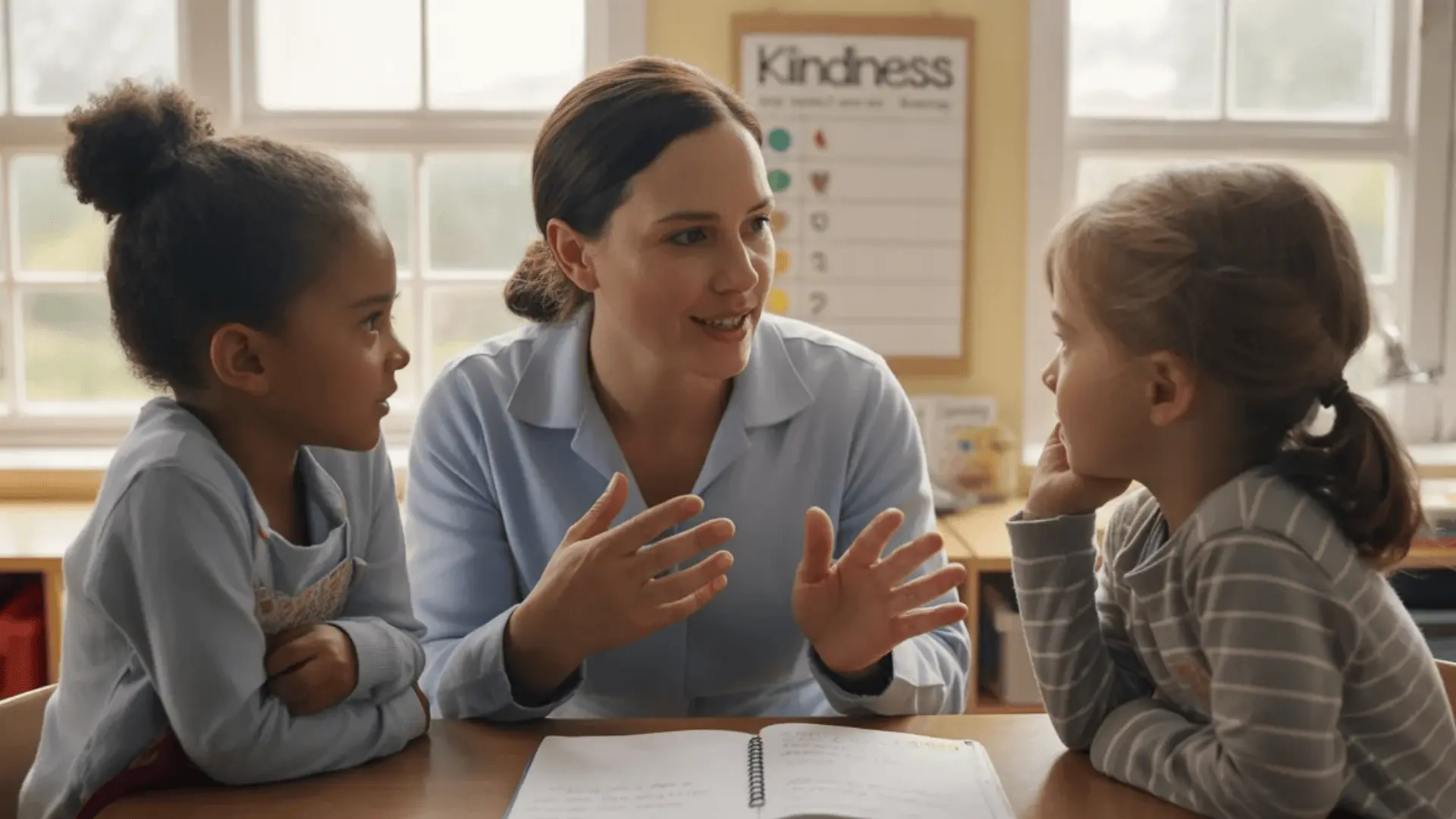
Kids learn kindness through daily habits. When they see and feel kindness often, it becomes part of how they choose to act. These simple tips help parents and teachers guide children in the right direction.
- Lead by example
- Talk about empathy and feelings
- Praise kind behavior
- Encourage gratitude
- Use kindness charts or journals
Consistency is key. When kindness is part of everyday life, kids learn to carry it with them wherever they go.
Books, Movies, and Stories that Teach Kindness
Stories are a simple way to help children understand feelings and see kindness in action. Books, movies, and short stories can show kids how thoughtful choices make a difference. These examples show how caring actions, empathy, and friendship can make a difference.
Books About Kindness for Kids
Books can help kids see how characters handle tough moments with care. These books help children see how characters use kindness in everyday situations.
- Have You Filled a Bucket Today? by Carol McCloud – A simple story that teaches kids how small acts of kindness make others feel happy.
- Kindness Is My Superpower by Alicia Ortego – Shows kids how kindness can help them build strong friendships.
- The Invisible Boy by Trudy Ludwig – A story about including others and noticing children who feel left out.
- Enemy Pie by Derek Munson – Teaches kids how kindness can turn conflict into friendship.
- Be Kind by Pat Zietlow Miller – A thoughtful book about what kindness looks like in everyday moments.
- The Kindness Book by Todd Parr – Uses simple ideas to show many ways children can be kind.
Movies and Shows that Encourage Kindness
Movies and shows can help kids notice kind actions in everyday scenes. These movies and shows show teamwork, sharing, and helping others.
- Daniel Tiger’s Neighborhood – A gentle show that teaches empathy, patience, and kindness.
- Bluey – Shows caring family moments, sharing, and problem-solving with kindness.
- Paddington – A movie about kindness, acceptance, and helping others.
- Wonder – A story that highlights empathy, kindness, and standing up for others.
- My Little Pony: Friendship Is Magic – Focuses on friendship, teamwork, and supporting one another.
- Toy Story – Shows loyalty, caring for friends, and helping others when they need it.
Stories that Teach Empathy and Friendship
Short stories can introduce kids to feelings and perspectives. These stories help children understand feelings and build stronger friendships.
- Stone Soup (folktale) – A classic story about sharing and helping others in a community.
- The Lion and the Mouse (Aesop’s fable) – Shows how kindness can come back when someone least expects it.
- The Rainbow Fish by Marcus Pfister – Teaches sharing and friendship through a colorful story.
- Stick and Stone by Beth Ferry – A story about helping others and building strong friendships.
- A Sick Day for Amos McGee by Philip C. Stead – Shows how caring friends support one another.
- The Boy Who Grew Flowers by Jen Wojtowicz – A story about accepting differences and showing kindness.
Conclusion
Teaching kindness is not about one big moment but about many small choices children make each day.
When kids notice how their actions influence others, they begin to build empathy, responsibility, and stronger social connections.
Practicing acts of kindness for kids helps create habits that shape how children interact with family, classmates, and their community. Over time, these simple behaviors can influence how children solve problems, build friendships, and support others.
The ideas, activities, and stories can help make kindness a natural part of everyday life. Try a few of these ideas with your child or students today and see how one small act can inspire many more.


