
Staying inside with kids can feel overwhelming, especially when the weather is bad or everyone is a little restless.
The good news is that indoor days don’t have to be boring or stressful. With a few simple ideas, you can turn any slow day at home into a mix of fun, learning, and calm moments.
This guide walks you through easy indoor activities for kids of all ages.
Whether it’s a rainy afternoon or a quiet weekend, these ideas will help you make the most of your time indoors.
What Kids Need on Indoor Days
Kids need a little structure on indoor days so they don’t bounce between boredom and extra energy.
- A balance of active and quiet play
- Clear rules and simple routines
- Easy activities that match their age and energy
- A few supplies ready to go
These small steps make a big difference, especially when everyone is stuck inside.
Fun Indoor Activities for Kids
A good indoor day doesn’t need a lot of prep or fancy supplies. Sometimes the simplest ideas bring the most joy and keep kids entertained without stress.
Zero-Prep Indoor Activities for Kids
Some days you need activities you can start in seconds. These ideas use items you already have at home and work well for all ages.
1. Simon Says
This classic game helps kids listen, move, and laugh. Call out fun actions like “Simon says hop like a frog” or “Simon says stretch to the sky.” Add a few commands without “Simon says” to keep everyone alert. It’s a quick, no-supply activity that works anytime.
Best for: Ages 3–10, low-prep moments, quick energy reset.
2. Freeze Dance
Turn on a kid-friendly playlist and have everyone dance until the music stops. When it pauses, kids must freeze in place, which leads to lots of giggles. It’s a fun way to help them burn energy indoors without needing much space.
Best for: Ages 3–12, high-energy bursts, small spaces.
3. Would You Rather?
Ask silly, kid-friendly “Would you rather?” questions like “Would you rather be a giant cat or a tiny dinosaur?” It sparks imagination and friendly conversation. This simple game keeps kids busy even when you’re tired or need a quiet moment.
Best for: Ages 5–12, calm play, car rides, or cozy afternoons.
4. Animal Charades
Kids choose an animal and act it out without speaking, while others guess. It’s quick, silly, and perfect for breaking up boredom. You can make it harder by adding time limits or letting kids create sound-free clues.
Best for: Ages 4–10, group play, active imagination.
5. 20-Item Treasure Hunt
Call out a quick list of simple items – like “something red,” “a soft toy,” or “a book with animals” – and let kids collect them. It keeps them busy and moving without creating chaos. You can shorten or extend the list depending on available time.
Best for: Ages 4–12, quick indoor movement, siblings.
6. Reverse Hide-and-Seek (Sardines)
Instead of everyone hiding, one person hides and the others search. When someone finds the hider, they quietly join them until everyone is packed into the hiding spot like “sardines.” It’s simple, funny, and a nice twist on the classic game.
Best for: Ages 6–12, groups, playful afternoons.
7. Pillow Island
Place a few pillows or cushions around the room and call them “islands.” Kids must jump from one to another without touching the “water.” You can change the layout to adjust difficulty. It’s active, fast to set up, and great for burning energy safely.
Best for: Ages 3–9, small rooms, low-mess movement.
8. Shadow Puppets
Turn off the lights, grab a flashlight, and let kids make shadow animals on the wall using their hands. They can also create simple stories or short puppet shows. It’s a calm, imaginative activity that works well at night or during quiet time.
Best for: Ages 3–10, calm play, bedtime wind-down.
High-Energy Fun Indoor Activities for Kids
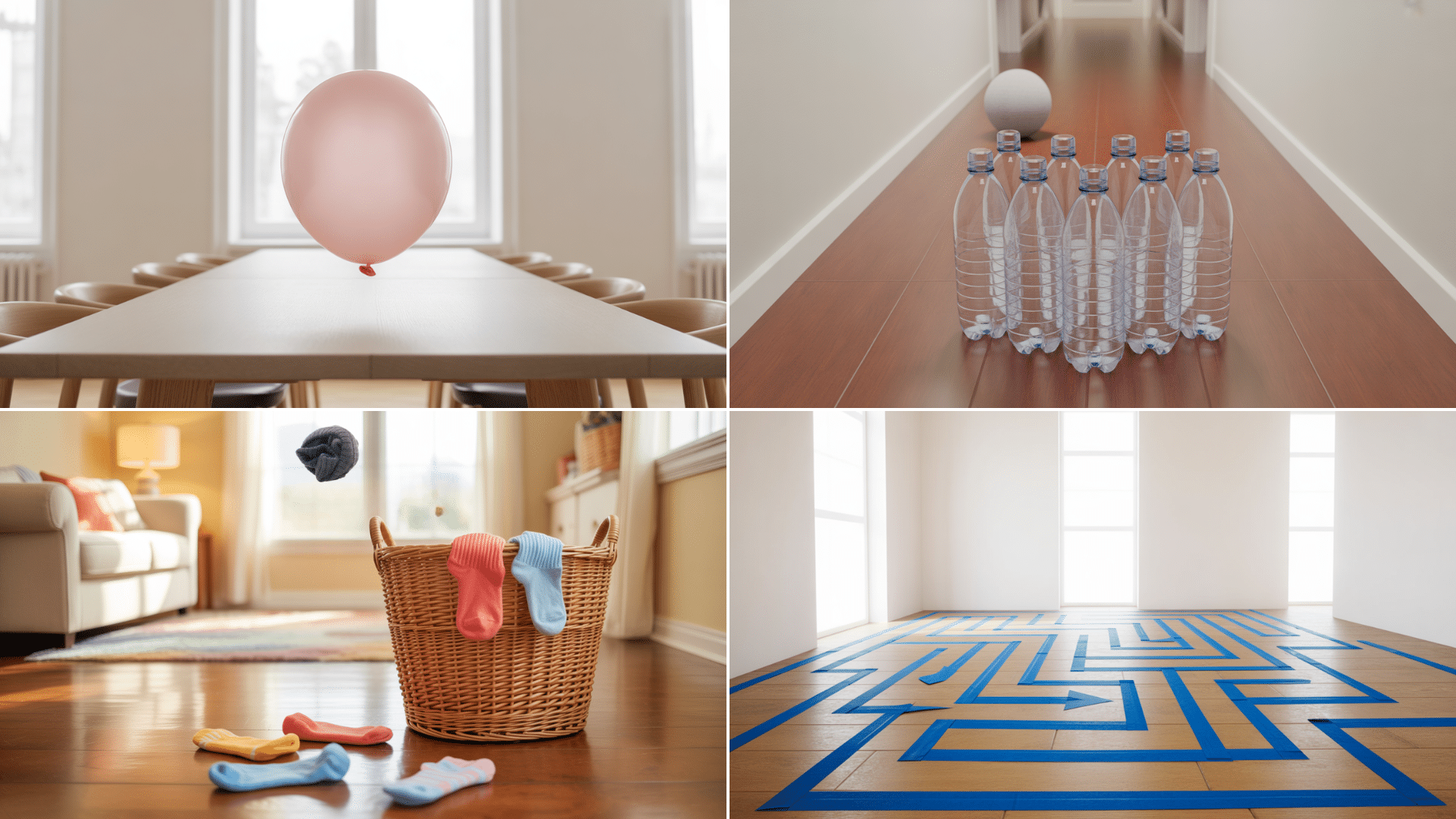
These ideas are perfect for mornings when kids feel restless or afternoons when you need a quick energy release.
9. Living-Room Obstacle Course
Set up a simple path using pillows, chairs, tape lines, or blankets. Kids can crawl under tables, hop over cushions, or walk a balance line. You can time each run or create different “levels” for more fun. It’s active, creative, and keeps kids busy without much cleanup.
Best for: Ages 4–10, high-energy play, small to medium spaces.
10. Balloon Volleyball
Blow up a balloon and use a couch or string as the “net.” Kids tap the balloon back and forth, trying to keep it from hitting the floor. It’s gentle enough for indoor play and gets everyone moving without breaking anything.
Best for: Ages 3–12, small spaces, low-mess activity.
11. Hallway Bowling
Use empty plastic bottles and a soft ball to create a simple bowling lane. Kids love setting up the pins and trying different rolling styles. The game teaches coordination and gives them an easy challenge to repeat again and again.
Best for: Ages 4–12, long hallways, friendly competition.
12. Laundry Basket Basketball
Place a laundry basket at one end of the room and let kids throw soft toys or rolled socks into it. You can change distances to make it harder or add levels like “trick shots.” It’s an easy way to channel indoor energy.
Best for: Ages 3–9, indoor movement, low-supply homes.
13. Jumping Dice Game
Write simple actions like “jump 5 times,” “spin,” or “crawl like a crab” on a sheet and number them. Kids roll a dice and perform the matching action. It feels like a workout disguised as a game and keeps kids active in a fun way.
Best for: Ages 4–10, rainy-day energy, active learning.
14. Tape Floor Maze
Use painter’s tape to create a maze, zigzag path, or hopscotch on the floor. Kids can follow the line, hop across spaces, or complete timed challenges. The tape removes easily and lets you change the design anytime.
Best for: Ages 3–8, apartments, creative movement.
15. Balloon Paddle Tennis
Tape paper plates to sticks or wooden spoons and hand one to each child. Use a balloon as the tennis ball and let them rally back and forth. It’s playful, safe, and great for hand–eye coordination.
Best for: Ages 5–11, sibling play, open living rooms.
16. Action Story Adventure
Tell a simple story like “We’re learning about the jungle,” and add movements – jump over vines, crawl under branches, tiptoe past animals. Kids act out each part as the story unfolds. It’s energetic, silly, and sparks imagination.
Best for: Ages 3–8, creative movement, mixed-energy groups.
Screen-Free Creative Play Ideas Indoors
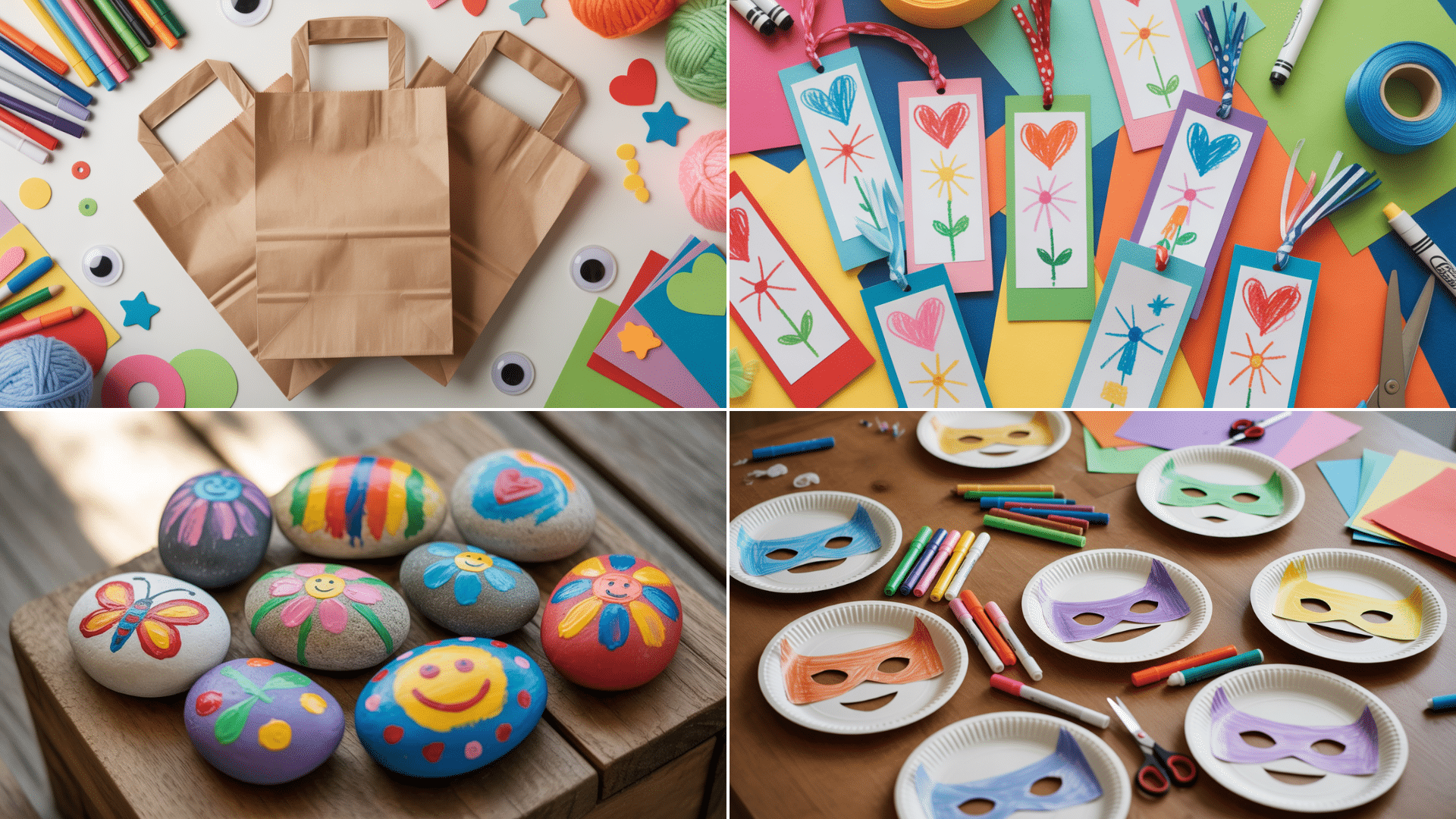
Creative play gives kids a break from screens while letting their imagination take the lead. These activities use simple items you already have at home and help kids stay focused and calm.
17. Paper Bag Puppets
Kids can turn paper bags into characters using markers, scraps of paper, or stickers. They can create animals, superheroes, or silly monsters and then use them in a puppet show. It encourages storytelling and creativity without making a big mess.
Best for: Ages 4–9, quiet time, simple craft sessions.
18. Recycled Box Creations
Collect small boxes, toilet paper rolls, and bottle caps, and let kids build anything they imagine – robots, houses, or tiny cities. It’s a fun way to reuse materials while teaching kids how to design and problem-solve.
Best for: Ages 5–12, longer creative play, and budget-friendly craft time.
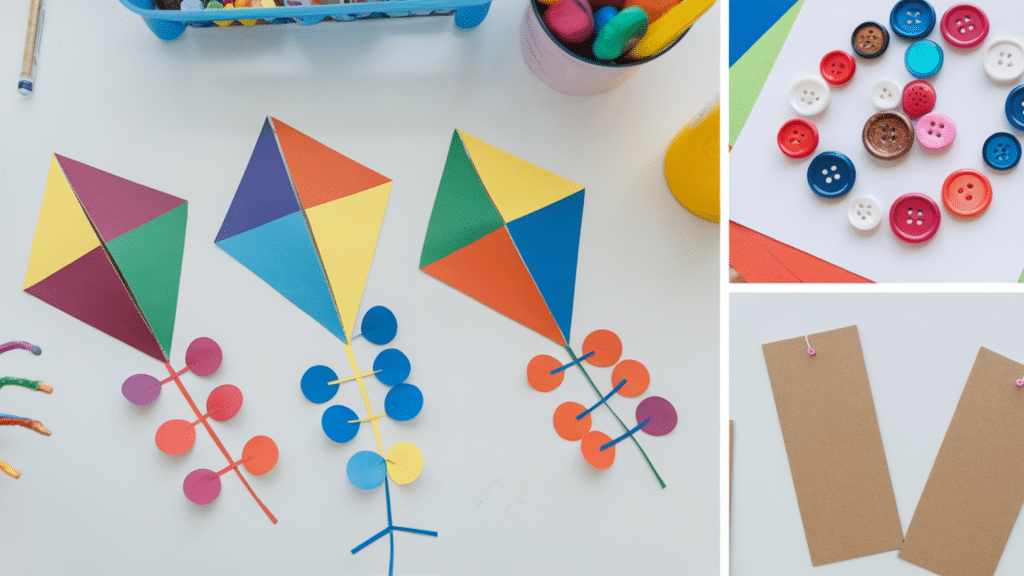
19. DIY Bookmarks
Give kids cardstock, ribbon, stickers, or markers to create their own personalized bookmarks. They can design themes like animals, space, or favorite characters. It’s simple, calming, and encourages reading later on.
Best for: Ages 6–12, calm creativity, reading lovers.
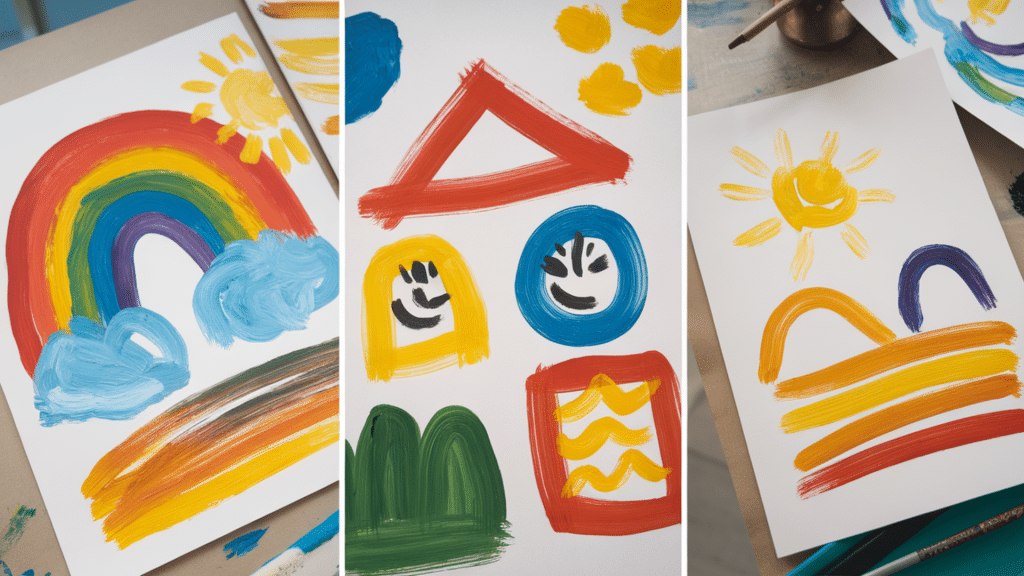
20. Rock Painting
Provide smooth rocks and paint or markers. Kids can make patterns, faces, animals, or inspirational words. Once dry, they can place them around the house or use them as paperweights. It’s relaxing and encourages slow, thoughtful creativity.
Best for: Ages 6–12, artsy kids, low-tech afternoons.
21. Magazine Collage Art
Let kids cut out pictures, letters, and patterns from old magazines to glue into creative collages. They can create dream boards, funny faces, or themed pages. It’s a great way to boost imagination while practicing fine motor skills.
Best for: Ages 7–12, quiet craft time, minimal supplies.
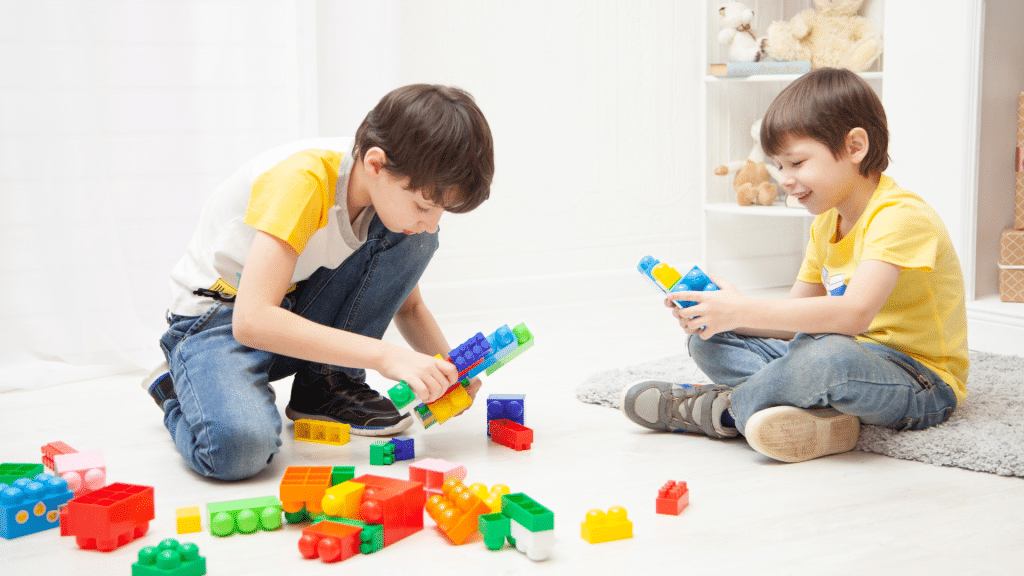
22. LEGO Challenge Cards
Write simple challenges like “build a bridge,” “design a pet habitat,” or “make a rocket.” Kids pick one card and build their creation. It keeps LEGO time fresh and encourages problem-solving.
Best for: Ages 5–10, STEM-inspired play, and independent activity.
23. Marshmallow and Toothpick Structures
Kids use marshmallows and toothpicks to build towers, cubes, or creative 3D shapes. They learn about balance and structure as they experiment. It’s a great indoor STEM idea that feels like play.
Best for: Ages 6–12, hands-on builders, rainy-day projects.
24. Paper Plate Masks
Give kids paper plates and basic craft supplies to create fun masks. They can make animals, superheroes, or silly faces, then use their masks for pretend play. This activity combines art and imagination in one.
Best for: Ages 4–9, pretend play, quick crafts.
25. Story Cubes
Create cubes with images or words on each side. Kids roll the cubes and use the results to tell a short story. It helps build creativity, confidence, and language skills while staying screen-free.
Best for: Ages 5–10, family storytelling, quiet evenings.
26. Sticker Scene Sheets
Give kids a blank sheet of paper and a pack of themed stickers – animals, vehicles, nature, etc. They arrange the stickers to create imaginary worlds or scenes. It’s simple, mess-free, and keeps kids focused for a long stretch.
Best for: Ages 3–7, low-mess creativity, younger siblings.
27. Sock Puppet Show
Kids can turn old socks into funny puppets using buttons, yarn, or markers. Once done, they can perform a short puppet show with a simple storyline. It’s playful, imaginative, and great for family bonding.
Best for: Ages 4–10, storytelling fun, DIY pretend play.
28. Homemade Board Game
Kids create their own board game using paper, markers, and small objects as game pieces. They invent rules, obstacles, and goals, which makes the game feel personal and exciting.
Best for: Ages 7–12, creative thinkers, long afternoon projects.
Learning-Focused Inside Play Ideas
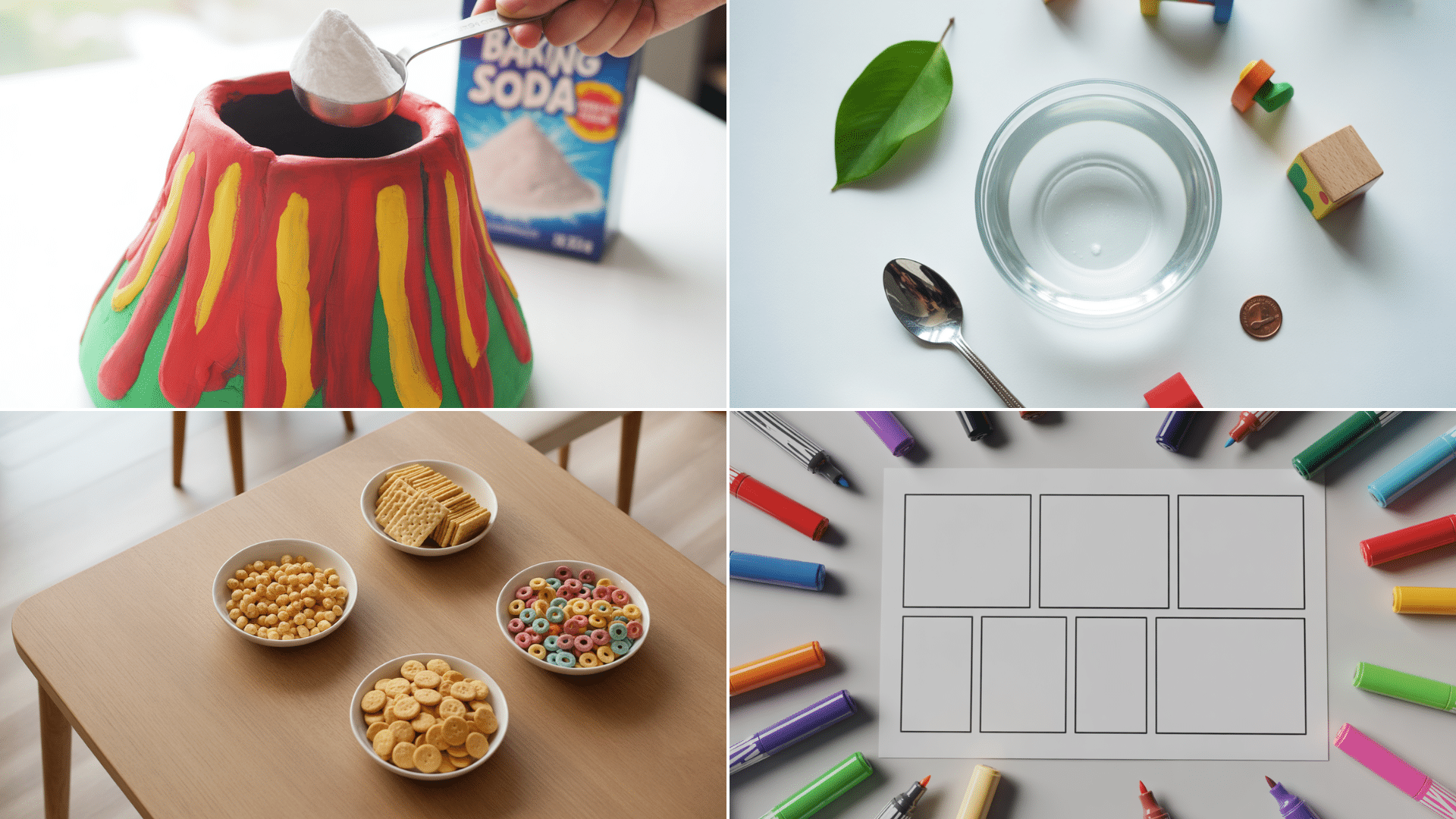
Learning at home doesn’t have to feel like schoolwork. Thes
e activities mix fun with skill-building so kids stay curious and engaged.
29. Fizzy Volcano Experiment
Use baking soda, vinegar, and food coloring to make a small “volcano” eruption. Kids pour vinegar over the baking soda and watch the colorful fizz bubble up. It’s a fun way to learn simple science reactions and spark curiosity about how things work.
Best for: Ages 5–10, beginner science fun, quick learning activity.
30. Sink or Float Test
Fill a bowl with water and gather a few small household items. Kids guess whether each item will sink or float, then test their predictions. It builds early science thinking while keeping the activity simple and hands-on.
Best for: Ages 4–8, curiosity builders, easy science play.
31. Color Mixing Jars
Fill clear cups with water and add drops of primary colors. Let kids mix them to create new colors and see how shades change. It helps kids understand cause and effect.
Best for: Ages 4–9, quiet science time, calm creativity.
32. Roll-and-Add Dice Game
Give kids two dice and a simple chart to write down results. They roll, add the numbers, and record their total. It’s a playful way to practice math skills without feeling like a lesson.
Best for: Ages 6–9, early math practice, quick table activity.
33. Snack Sorting
Use cereal, crackers, or fruit pieces and have kids sort them by shape, size, or color. You can turn it into a challenge by timing them or asking them to count each group.
Best for: Ages 3–6, toddler-friendly learning, easy prep.
34. Word Hunt Around the House
Hide simple words on sticky notes around the room. Kids search for them and read them aloud or match them to pictures. It helps build reading confidence in a fun, active way.
Best for: Ages 5–8, early readers, active learning.
35. Comic Strip Creation
Give kids blank paper to draw a short comic based on a simple story idea. They add speech bubbles and create characters, which helps build writing and storytelling skills.
Best for: Ages 7–12, creative writers, quiet afternoons.
36. Mini Bookmaking
Kids fold paper to create small books where they can write and illustrate their own stories. It teaches sequencing and encourages kids to express their ideas clearly.
Best for: Ages 6–10, early writers, calm creativity.
37. Measuring During Baking
Let kids help measure ingredients when baking muffins or cookies. They learn math skills like counting, fractions, and comparing amounts while staying involved in a real-life task.
Best for: Ages 4–12, life skills learning, hands-on activity.
38. DIY Weather Journal
Kids draw or write about the daily weather, including temperature, cloud shapes, or moods. Over time, they see patterns and learn basic observation skills.
Best for: Ages 6–10, daily routine activity, simple science.
39. Map-Making Adventure
Kids draw a map of their room, house, or an imaginary world. They can label landmarks and add paths or “secret spots.” It helps develop spatial awareness and creativity at the same time.
Best for: Ages 7–12, geography basics, artistic learning.
40. Household Jobs Challenge
Turn simple chores into playful learning – sorting laundry, setting the table with patterns, or organizing books by size or color. Kids learn responsibility while practicing math and decision-making.
Best for: Ages 4–10, helpful tasks, simple home routines.
Tips for Different Indoor Moments
Indoor days don’t always look the same, so having different ideas ready can make things much easier.
- Rainy-Day Rescue Plan: Rainy days often feel long and slow, so having a simple flow helps keep kids busy and happy. Start with a movement activity, shift into a creative project, then wrap up with something cozy.
- Low-Energy Days or Sick Days: Gentle days call for soft, comforting ideas that don’t drain energy. Choose quiet activities that allow rest, calm focus, and a sense of ease.
- Sibling-Friendly Group Games: When siblings play together, activities that build teamwork help reduce arguments. Pick games with shared goals, simple rules, and lots of cooperation.
- Solo Play Ideas for Busy Parents: Some days, kids need to play on their own while you handle tasks or take a breather. Independent ideas build confidence, focus, and a sense of responsibility.
These quick pointers help you adjust activities based on mood, energy level, and what the day brings.
Conclusion
Indoor days don’t have to feel stressful or overwhelming. With a few simple activities ready to go, you can turn long afternoons into fun, creative, and meaningful moments with your kids.
The key is keeping things flexible, mixing movement with quiet time, and choosing ideas that fit your child’s energy and interests.
Even small activities can make the day feel smoother and more enjoyable for everyone.
Remember, you don’t need fancy supplies or complex plans. A little structure and a few go-to options can make all the difference.