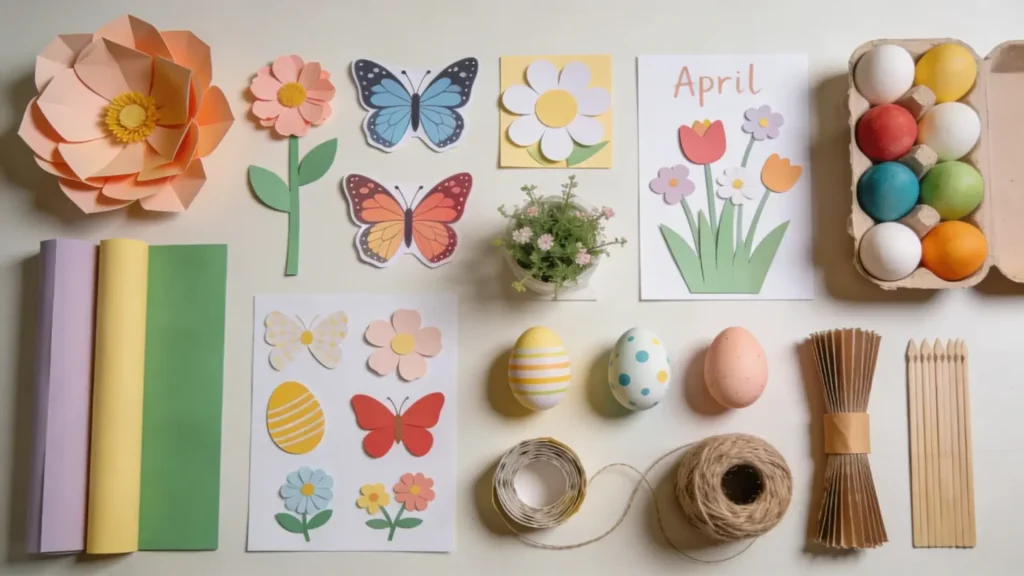
Montessori parenting has become a popular choice for parents looking for a calmer and more balanced way to raise their children.
It shifts the focus from constant instructions to meaningful everyday learning.
In this blog, you’ll get a clear understanding of what Montessori parenting really means, how it differs from traditional styles, and simple ways to apply it at home.
The goal is to make this approach feel practical, easy, and doable in your daily routine.
What is Montessori Parenting?
Montessori parenting is inspired by the Montessori method, which focuses on child-led learning and independence. It encourages you to create an environment where your child can learn and grow at their own pace.
The main idea is to support your child’s natural curiosity while giving them freedom to make choices. You guide their actions while allowing space for independent thinking.
This balance helps your child feel capable and trusted, which encourages them to take initiative. It also builds a strong sense of responsibility from an early age.
- A child learns through real-life activities
- Focus on independence and responsibility
- Parent acts as a guide, not a controller
How It Differs from Traditional Parenting
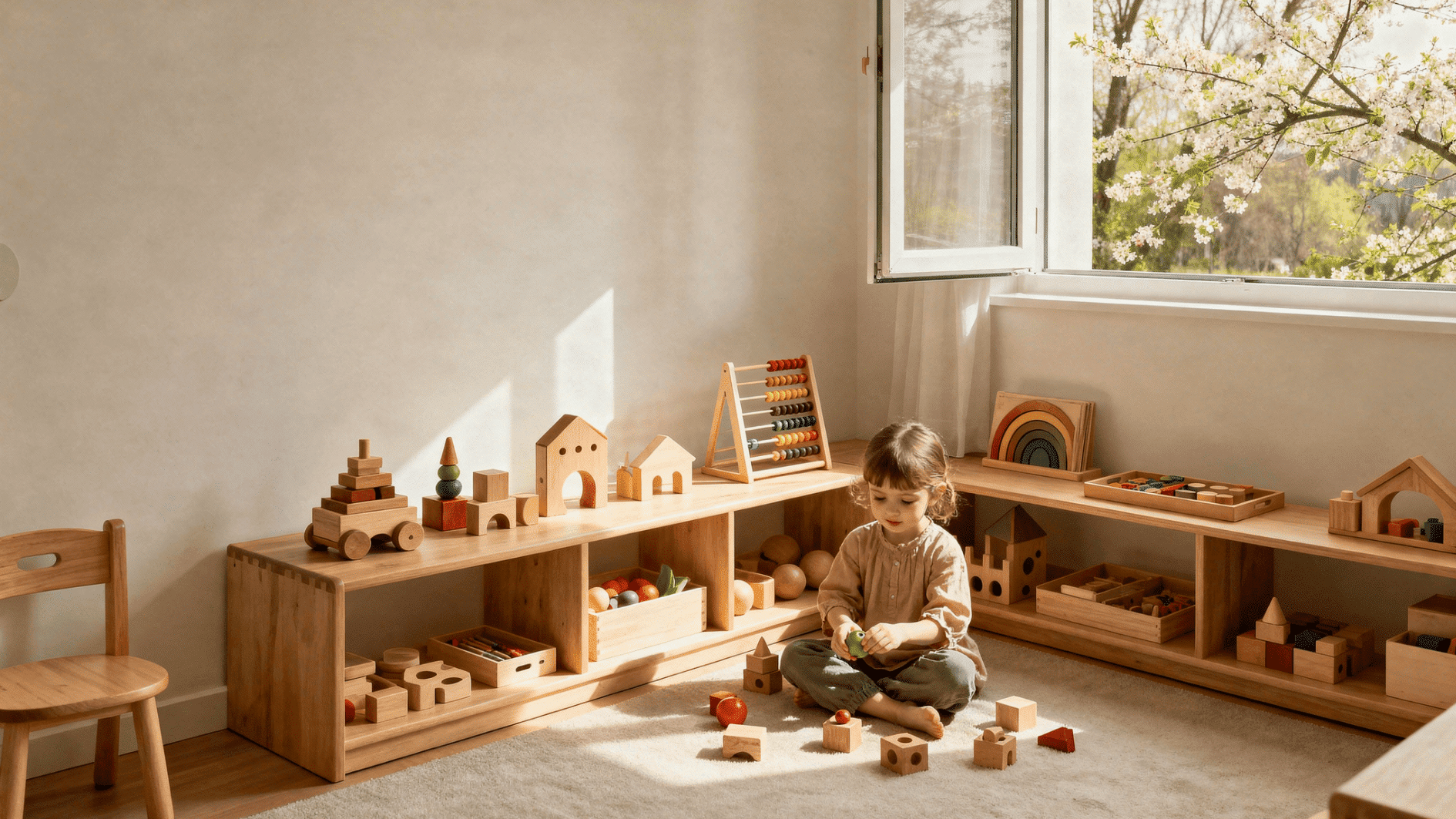
Montessori parenting takes a different approach compared to more structured or authority-based styles. It focuses less on control and more on guidance.
This shift allows your child to learn through doing rather than simply following instructions. It creates a more active and engaging learning environment.
| Aspect | Montessori Parenting | Traditional Parenting |
|---|---|---|
| Learning Approach | Child-led learning based on interests and pace | Parent-led decisions with structured direction |
| Role of Parent | A guide and observer who supports learning | An authority figure who directs and instructs |
| Focus | Building independence and self-confidence | Maintaining control and discipline |
| Teaching Method | Hands-on activities and real-life experiences | Instruction-based learning and verbal guidance |
| Decision Making | Child encouraged to make simple choices | The parent makes most decisions for the child |
| Skill Development | Emphasis on practical life and problem-solving | Focus on academic and rule-following skills |
Core Principles of Montessori Parenting
These principles form the foundation of Montessori parenting and guide your daily interactions with your child. They help create a balanced and respectful environment.
By consistently following these ideas, you support your child’s natural development while building important life skills.
- Respect for the child: Treat your child as an individual with thoughts and feelings
- Independence: Encourage your child to complete tasks on their own
- Prepared environment: Create spaces that support learning and movement
- Freedom within limits: Allow choices while setting clear boundaries
- Hands-on learning: Focus on real-life experience
Benefits of Montessori Parenting
Montessori parenting supports your child’s growth in both emotional and practical ways. It helps them become more confident and capable in daily life.
Over time, this approach builds important skills that support long-term development and independence.
This method encourages children to take initiative and better understand their surroundings. It also strengthens their ability to think independently.
- Builds confidence and self-esteem
- Encourages problem-solving skills
- Develops responsibility
- Improves focus and concentration
- Strengthens emotional understanding
How to Practice Montessori Parenting at Home
You don’t need special tools or a complex setup to follow Montessori parenting. Small changes in your daily routine can make a big difference.
By fostering the right environment and habits, you can naturally support your child’s independence.
1. Set Up a Child-Friendly Environment
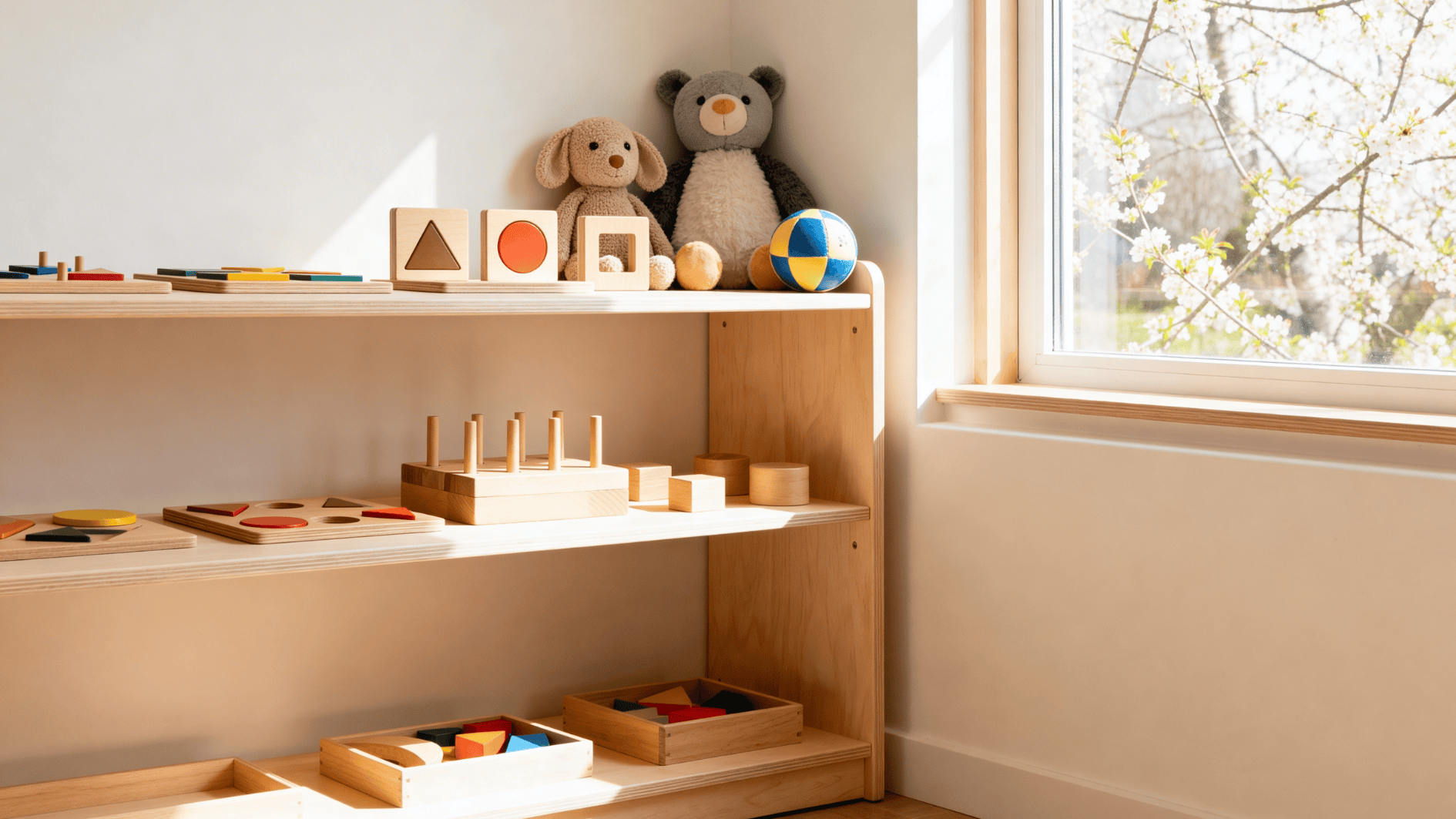
Your home should allow your child to move freely and access things easily. This helps them feel confident and capable in their surroundings.
A simple and organized space also encourages your child to take responsibility for their actions.
- Keep items within your child’s reach
- Use simple and safe furniture
- Organize toys neatly
2. Encourage Daily Life Skills

Everyday tasks are valuable learning opportunities for your child. These activities help build independence and confidence.
By involving your child in simple chores, you teach responsibility in a natural way.
- Let your child dress themselves
- Involve them in household tasks
- Encourage cleaning up
3. Follow Your Child’s Pace
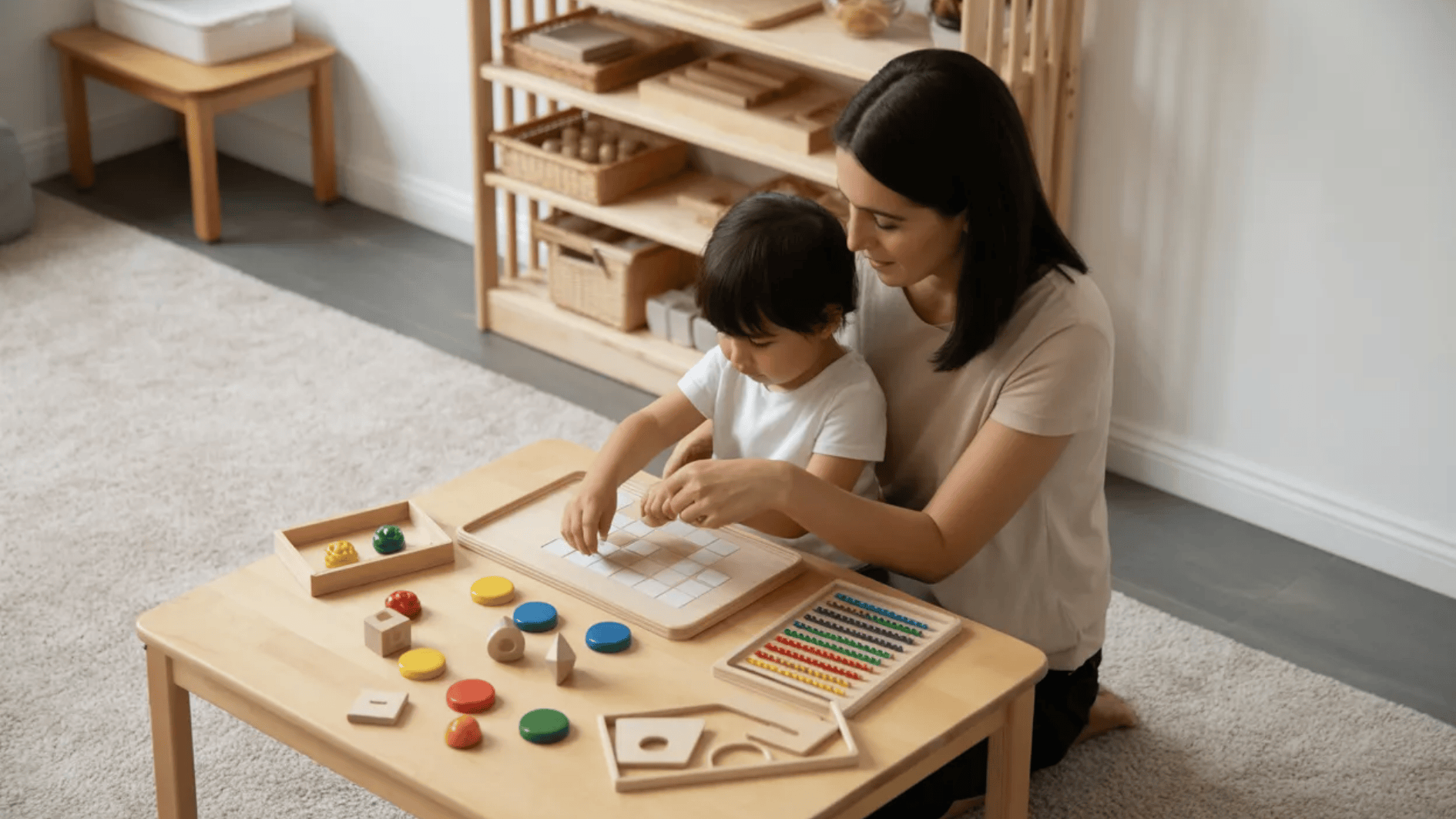
Each child learns at their own speed, and patience is key in this approach. Giving your child time helps them feel less pressured.
When you observe and support rather than rush, your child develops confidence in their abilities.
- Avoid rushing activities
- Observe interests
- Allow time to complete tasks
Montessori Parenting vs. Other Parenting Styles
Comparing Montessori parenting with other styles helps you understand its unique approach. It focuses more on independence and guidance.
This comparison gives you a clearer idea of how different styles influence your child’s development.
| Aspect | Montessori | Authoritative | Permissive |
|---|---|---|---|
| Control | Low control with clear limits set calmly | Balanced control with rules and expectations | Low control with minimal rules |
| Independence | High focus on self-learning and decision-making | Moderate independence with guidance | High independence but less direction |
| Structure | Moderately structured with flexible routines | Highly structured with consistent rules | Low structure with few boundaries |
| Learning Style | Hands-on learning through real-life tasks | Guided learning with instructions and support | Flexible learning with little guidance |
Tips to Stay Consistent with Montessori Parenting
Consistency plays a key role in helping your child understand expectations. It supports steady learning and behavior development.
By keeping your approach simple and clear, you make it easier for your child to follow and learn.
Staying consistent does not mean being strict; it means being steady in your actions. Small efforts repeated daily make a big difference.
- Set clear and simple rules
- Be patient with progress
- Let your child try tasks independently
- Encourage effort over perfection
Common Misconceptions About Montessori Parenting
There are several misunderstandings about Montessori parenting that can make it seem difficult. In reality, it is flexible and practical.
Understanding these myths can help you approach this style with more confidence.
| Aspect | Myth | Reality |
|---|---|---|
| Usage | It’s only for schools | It can be practiced at home |
| Cost | It requires expensive materials | Simple items are enough |
| Rules | Children have no rules | There are clear boundaries |
| Structure | It’s too structured | It allows flexibility |
Challenges You May Face
Montessori parenting can take time to adjust, especially if you are used to a more directive style. It asks you to shift your role from controlling to guiding, which may feel unfamiliar at first. With time and consistency, these initial difficulties become easier to manage.
- Takes time to see results: Progress may not be immediate, as this approach focuses on gradual learning and long-term development rather than quick outcomes.
- Requires consistent effort: You need to stay steady in your responses and routines, as inconsistency can confuse your child and slow their progress.
- May feel slow initially: Allowing your child to do tasks independently can take more time, especially in the beginning, but it builds important life skills.
- Needs routine adjustments: You may need to reorganize your home and daily schedule to support independence, which can take planning and effort.
- Letting go of control can be difficult: it may feel challenging to step back and let your child try, make mistakes, and learn at their own pace.
- Balancing freedom and limits: Giving your child independence while maintaining clear boundaries requires practice and thoughtful guidance.
Conclusion
Montessori parenting focuses on independence, respect, and learning through everyday experiences. By applying its principles, you can support your child’s growth in a simple and meaningful way.
This approach differs from other parenting styles by encouraging hands-on learning and self-direction. It allows children to develop confidence and responsibility naturally.
With small and consistent changes, you can create an environment that helps your child build strong life skills. Over time, these efforts support emotional growth and independence.