Talking about movies that carry strong feelings can be tricky, and Where the Wild Things Are fits that space well.
When someone looks for a Where the Wild Things Are review, they often want more than a simple thumbs-up or thumbs-down.
They want a sense of how the story handles emotions, how the world feels, and who the film is truly made for.
In this blog, I’ll walk through the mood of the movie, the way it handles tough moments, how it compares to the book, and what viewers should expect before watching.
Quick Take: Is Where the Wild Things Are Worth Watching?
If you enjoy movies that slow down and sit with messy feelings, this one will work for you. It’s great for adults who remember what it felt like to be young and overwhelmed. Teens who like emotional stories may enjoy it too.
If you want a fast, light movie, you might not like it. Young kids may struggle with the heavy mood and the tense moments.
- IMDb: 6.7/10
- Rotten Tomatoes: 73%
One-line verdict: It’s a thoughtful movie that hits hardest for older viewers who want something honest and emotional.
What the Movie is About: Quick Summary
The story follows Max, a kid who feels upset and alone at home.
After a bad day, he runs off and imagines a faraway place filled with huge creatures called the Wild Things. They treat him like a leader, and he tries to make everything perfect for them.
As Max spends more time there, he sees how hard it is to keep everyone happy. The Wild Things react just like real people do when they feel hurt or left out.
Max starts to understand his own feelings better, and that helps him see what he needs to fix in his real life. It’s a story about big emotions, growing up, and trying to find your place with the people you care about.
The Tone of the Movie

The movie has a soft and heavy feel from the very start. It moves slowly and gives you a lot of time to sit with Max’s emotions.
The world looks rough and calm at the same time, and the Wild Things talk and act in ways that feel real and raw. Nothing is rushed. The whole movie feels like stepping into someone’s private thoughts.
Why It Feels So Heavy
- Melancholic style: The film uses quiet moments, long shots, and sad expressions to show how Max feels inside. Even the fun scenes have a bit of weight to them.
- Slow pacing: The story doesn’t rush from one big moment to the next. It takes its time, which makes every feeling hit a little harder.
- Emotional dialogue: The Wild Things speak like real people who are hurt, confused, or scared. Their words are simple, but they carry a lot of meaning. You feel the tension in almost every talk.
Why Adults Connect with It More
- Themes of conflict: Adults see the way the characters argue and try to fix things. It feels familiar and true to life.
- Loneliness: The movie shows what it feels like to be misunderstood and alone. Many adults have felt this, so the story hits them in a deeper way.
- Growing up: Max learns hard lessons about responsibility, empathy, and the limits of escaping your problems. Adults often relate to these moments because they’ve lived them.
How the Movie Handles Childhood Feelings
The movie looks closely at the big emotions kids deal with, even when they don’t have the words to explain them. Max feels angry, scared, excited, and lonely all at once, and the Wild Things act out those same feelings in louder, sharper ways.
Watching them helps you understand what Max is going through. The story shows how hard it is for a kid to control his thoughts and how easy it is for things to spin out of place.
What Each Wild Thing Represents
| Character | What They Represent | Description |
|---|---|---|
| Carol | Max’s Anger & Fear | Wants everything to stay the same and becomes upset when life doesn’t go his way. |
| KW | Need for Comfort & Connection | Tries to care for everyone, even when she feels tired or stretched too thin. |
| Judith | High Expectations & Judgment | Quick to judge and slow to forgive, reflecting how Max sees others at times. |
| Ira | Quiet Support & Peace | Shows Max’s gentle side that wants calm but doesn’t always know how to create it. |
| Alexander | Feeling Ignored | Represents Max’s fear of being overlooked or not taken seriously. |
| The Bull | Hidden Emotions | Stays silent, carrying deep sadness Max doesn’t know how to express. |
Each creature carries a part of Max’s emotional world. Seeing them interact helps Max understand his own feelings and how they affect the people around him.
How the Movie Compares to the Book
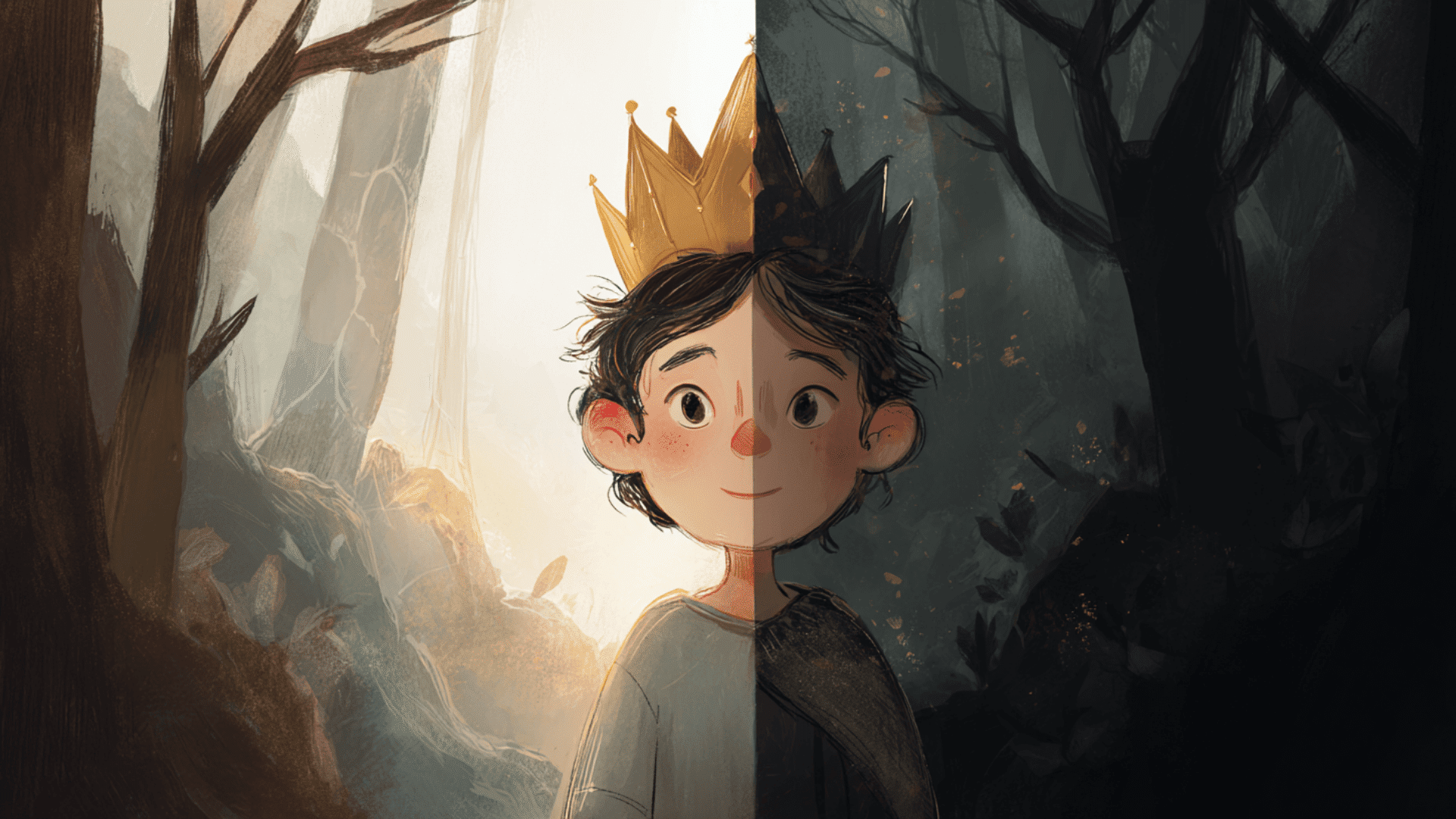
The book is short and straight to the point, while the movie adds a lot more depth. The film builds a full world around Max’s emotions and gives each creature a strong personality.
It leans into the rough parts of childhood and shows how confusing it can be when you feel too much at once. The heart of the story is still the same, but the movie stretches it into something bigger and more layered.
1. Why Max is Older in the Film
Max is slightly older in the movie so the story can cover stronger emotions. Older kids deal with bigger conflicts at home and in their friendships, and the movie uses that to show why Max feels lost. His age makes it easier to understand the pain behind his behavior.
2. How Spike Jonze Changed the Tone
The book feels warm and simple. The movie feels heavier and more emotional.
Spike Jonze chose to focus on the hard parts of childhood, like anger, confusion, and fear of losing the people you love. He kept the spirit of the book but added more realism and tension.
3. Maurice Sendak’s Thoughts on the Movie
Maurice Sendak supported the film. He liked that it didn’t turn into a goofy or safe story. He understood that childhood can be intense and believed the movie captured that truth.
His approval gave the filmmakers room to push the story into deeper emotional territory.
Visuals, Score, and World-Building
The movie creates a world that feels raw and real. The Wild Things look alive, and the landscape feels like a mix of dream and memory. The music ties everything together and brings out Max’s emotions.
Here’s what stands out:
- The creature design uses real suits and puppetry, so the Wild Things feel heavy and grounded.
- Their faces move in soft, detailed ways, which makes their emotions easy to read.
- Karen O’s score adds warmth and quiet tension. It rises and falls with Max’s mood.
- The world looks wide and lonely, with forests, sand, and empty open spaces.
- Everything feels handmade, natural, and slightly rough, which matches the emotional tone.
What the Movie Gets Right and Wrong
The movie has powerful moments, but it also has parts that may not work for everyone. Here’s a quick side-by-side look to help you see both sides at once:
| Strengths | Weaknesses |
|---|---|
| Honest look at anger, sadness, and loneliness | Slow pacing that can feel stretched |
| Natural, believable acting | Heavy tone that may confuse viewers expecting something light |
| Wild Things feel real thanks to puppetry | Younger kids may struggle with the emotional tension |
| Handmade world that looks raw and full of feeling | Some character actions feel harsh or unclear |
| Music matches Max’s mood well | Wild Things’ behavior isn’t always explained |
| Focus on feelings gives the story depth | Tone jumps from calm to intense quickly |
| Treats childhood emotions seriously | Loose plot may leave some scenes feeling unfocused |
Why the Movie Was Controversial
This movie surprised a lot of people when it came out. Many expected a light family film, but the story went in a heavier direction. That led to mixed reactions from parents, critics, and fans of the book.
Here are the main reasons it was controversial:
- It was marketed like a kids’ adventure movie, but the tone is quiet and emotional.
- Some scenes feel tense or sad, which made parents question if it was right for younger kids.
- The Wild Things act out anger, fear, and conflict in a very real way.
- The pacing is slow, which confused viewers who wanted a faster story.
- The movie expanded a short picture book into a long emotional film, and not everyone wanted that shift.
Is the Movie Good for Kids: Honest Breakdown
This movie may look like a regular family film, but the tone is heavier than most kids expect. Some children will enjoy the creatures. Others may find the emotions and arguments too intense.
Is It Okay for Younger Kids?
Usually no. The mood is serious, and the Wild Things act out anger, sadness, and fear in loud ways. Kids who are sensitive or easily overwhelmed may struggle with it.
Is It Okay for Older Kids or Teens?
Mostly yes. Kids around 10 and up tend to understand Max’s feelings better. They can follow the emotional story without getting confused or scared by the stronger moments.
What Parents Should Know
- The movie deals with anger, loneliness, and emotional conflict.
- Some scenes get loud or tense when the Wild Things argue.
- A few moments may feel scary because the creatures are big and intense.
- The pacing is slow, which may lose the attention of younger kids.
- The story focuses more on feelings than action.
Scenes That Might Feel Too Intense
- Carol’s emotional outbursts
- Arguments between the Wild Things
- Moments where Max feels unsafe or overwhelmed
Parent-Friendly Verdict: It’s not a simple kids’ movie. If your child likes deep emotional stories, the film can be meaningful. If they prefer light, fun movies, this one may feel too heavy.
Wrapping Up
Talking about this film brings up the reasons it hits so differently from other family movies.
A Where the Wild Things Are review often focuses on the emotional weight, but there’s also something steady and honest in how the story handles growing up.
It leaves you thinking about how feelings shape the way kids see the world and how adults move through their own rough moments.
If you like movies that slow down and say something real, this one stays with you in a quiet way. Take a moment to watch it and see how it lands for you.