
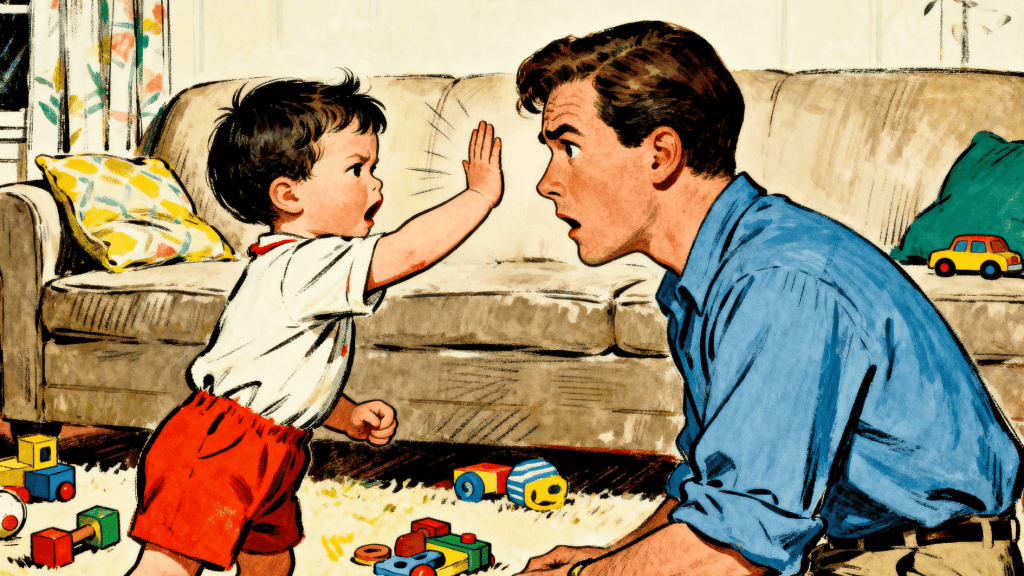
When your toddler hits, it can leave you feeling confused, frustrated, and unsure of what to do next. You may wonder if it’s just a phase or something that needs immediate correction.
This behavior can be difficult to handle, especially when it happens suddenly or in front of others. It often raises questions about what your child is trying to communicate and how you should respond.
Understanding the reasons behind toddler hitting can help you respond calmly and guide your child toward better behavior.
With the right approach, you can handle these moments more effectively.
Understanding Toddler Hitting Behavior
When your toddler hits, it is usually linked to their developmental stage rather than intentional harm. At this age, your child is still learning how to manage emotions, control impulses, and respond to different situations.
Toddler hitting often happens because toddlers act on feelings quickly without thinking about the consequences. Since their ability to express themselves verbally is still developing, physical actions may become their way of reacting.
It also helps to clearly identify what counts as hitting. Behaviors such as slapping, pushing, kicking, throwing objects at people, or pulling hair are forms of physical expression that need guidance.
These actions can occur during play, frustration, excitement, or when your toddler feels overwhelmed.
Common Reasons: Why Do Toddlers Hit
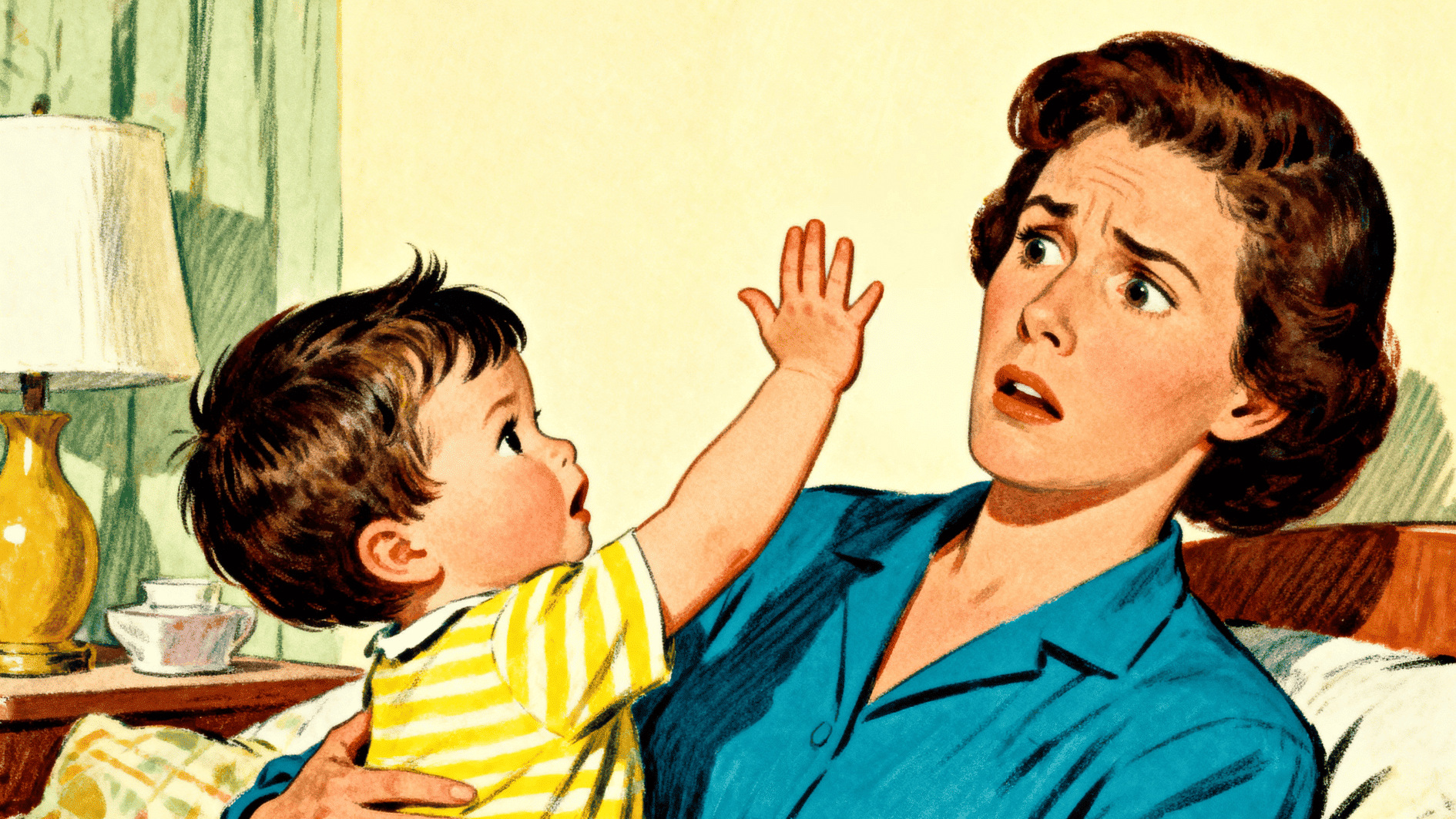
Your toddler isn’t trying to hurt others intentionally. There is always a reason behind the action, even if it’s not clear at first.
| Reason | What Your Toddler Feels | What You Might Notice |
|---|---|---|
| Frustration | “I can’t do this!” | Hitting when struggling with tasks |
| Limited speech | “I can’t say it.” | Using actions instead of words |
| Attention-seeking | “Notice me” | Hitting when you’re occupied |
| Overstimulation | “Too much happening.” | Meltdowns in busy environments |
| Imitation | “I saw this before.” | Copying behavior from others |
| Testing limits | “What happens now?” | Watching your reaction closely |
Situations That Trigger Hitting
Certain everyday situations can increase the chances of a toddler hitting. Recognizing these triggers helps you step in early.
- Transitions: Moving from play to bedtime can cause resistance
- Sharing struggles: Difficulty taking turns with toys
- Tiredness: Low energy reduces patience
- Hunger: Irritability increases when your child needs food
- Crowded places: Too much noise or activity can overwhelm
When you notice patterns, you can adjust routines or prepare your toddler in advance, which reduces outbursts.
Emotional Development and Hitting
Your toddler’s brain is still growing, especially the parts responsible for emotional control. This explains why reactions can feel sudden and intense.
Big Feelings, Small Skills
Your child experiences strong emotions but doesn’t yet know how to handle them. Feelings like anger, excitement, or jealousy can quickly become overwhelming, leading your toddler to react without thinking.
In these moments, hitting may feel like an immediate way to release intense emotions.
The Role of Impulse Control
Impulse control develops gradually, not instantly, which is why your toddler often acts before pausing to think. They are still learning how actions connect to consequences, and this understanding takes time.
With repetition and gentle guidance, your child slowly builds self-control, making this stage more about teaching than strict discipline.
How You Should Respond in the Moment
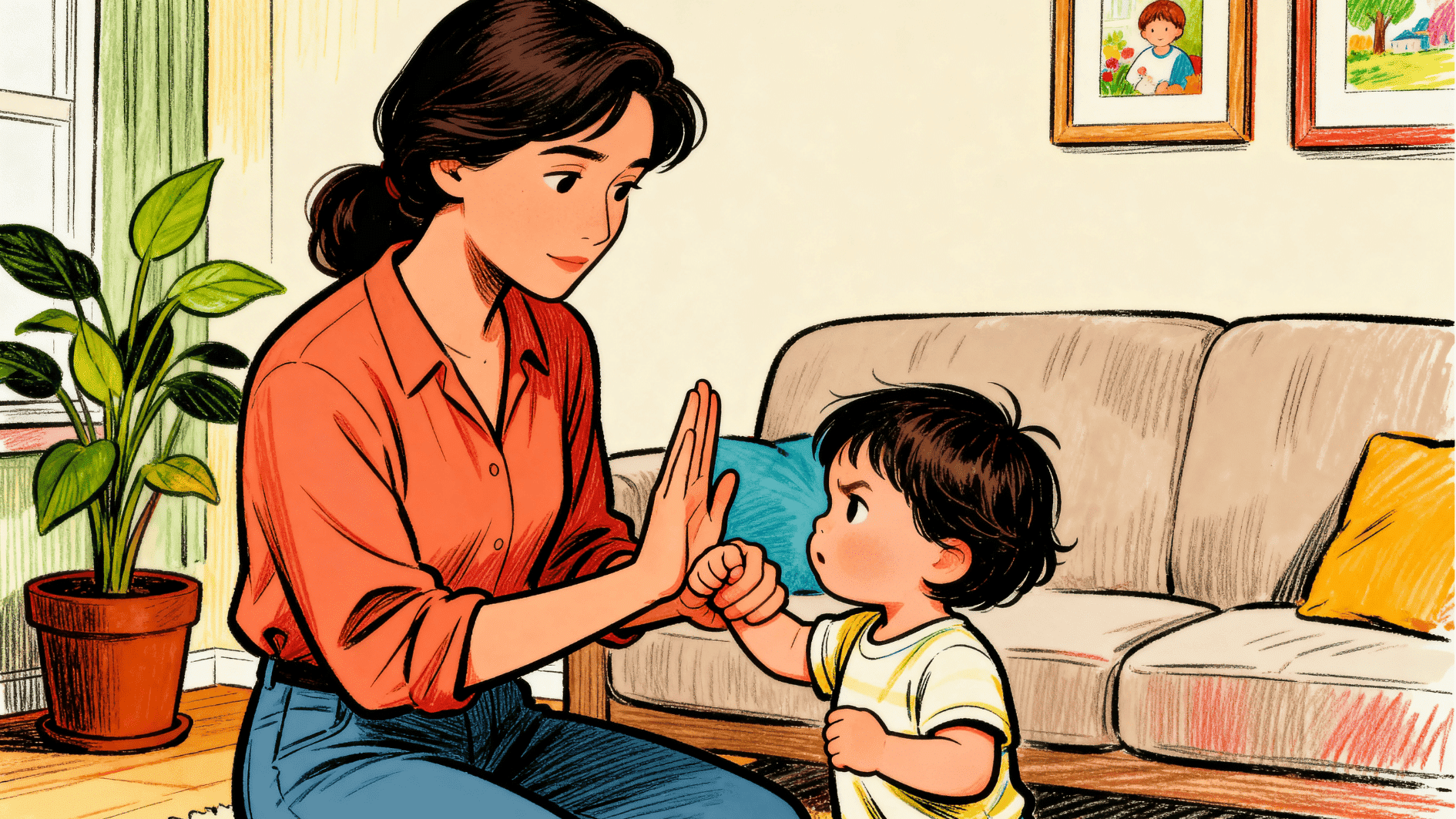
Your response in the moment plays a key role in shaping your toddler’s behavior. How you react teaches your child what is acceptable and how to handle strong emotions.
Staying calm and clear helps your toddler feel safe and understand that hitting is not okay.
Immediate Steps to Take
When hitting happens, keep your response simple and calm.
- Gently stop your toddler’s hand
- Say clearly: “No hitting.”
- Move them away from the situation if needed
- Comfort the person who was hurt
This shows your toddler that hitting is not okay while also modeling care.
What to Avoid
Some responses may unintentionally reinforce the behavior.
- Avoid yelling or reacting harshly
- Don’t hit back to “teach a lesson.”
- Avoid long explanations that your toddler can’t understand
Staying calm helps your child feel secure and more open to learning.
Teaching Better Alternatives
Your toddler needs to learn what to do instead of hitting. You can guide them toward safer ways to express feelings.
| Situation | Instead of Hitting | Teach This |
|---|---|---|
| Angry | Hitting | Say “I’m mad.” |
| Frustrated | Throwing | Ask for help |
| Excited | Rough actions | Use gentle hands |
| Needs attention | Hitting | Tap or call your name |
Building Communication Skills
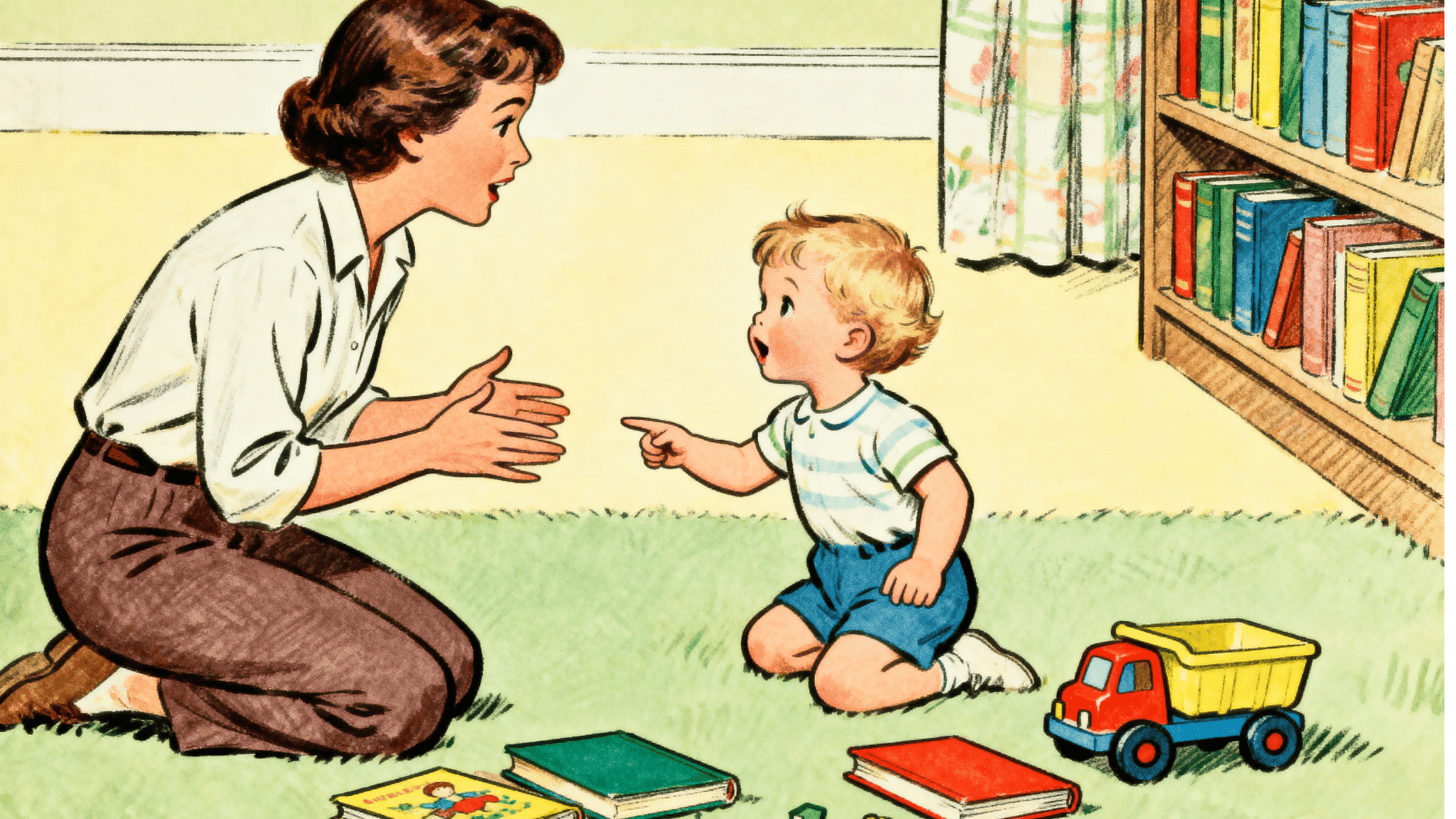
When your toddler can express needs clearly, hitting often decreases. Communication reduces frustration and confusion.
Simple Ways to Encourage Speech: You can support your toddler’s language growth through everyday interactions. Try naming emotions like “You look upset,” using short and clear phrases, reading books about feelings, and pairing words with gestures.
Modeling Calm Communication: Your toddler learns a lot by watching how you react in different situations.
When you speak calmly during stressful moments, show polite ways to ask for things, and express your own feelings clearly, you set a strong example.
Over time, your child begins to adopt this calm, respectful way of communicating.
Preventing Hitting Before It Starts
Prevention can reduce many challenging moments. A supportive environment helps your toddler stay regulated.
- Set clear rules: Use simple language like “Hands are for helping.”
- Maintain routines: Predictable schedules make your child feel safe.
- Offer choices: Giving options reduces frustration and power struggles.
- Provide physical outlets: Activities like running or squeezing toys release energy.
- Watch early signs: Step in when you notice tension building.
These steps don’t remove all challenges, but can reduce their frequency.
Supporting Your Toddler’s Growth Over Time
Behavior change takes patience, and your toddler learns step by step with your consistent support.
Your role is to guide rather than control, helping your child slowly understand emotions, boundaries, and appropriate behavior.
By staying consistent in your responses, praising gentle actions, keeping expectations realistic, and acknowledging small improvements, you create a positive learning environment.
Over time, these steady efforts help your toddler build better habits and healthier ways to express themselves.
When You Should Be Concerned
If your toddler’s hitting becomes frequent or intense, it may need closer attention. Some patterns can signal that your child needs extra support and guidance.
Signs to Look Out For
Watch for behaviors that seem persistent or intense.
- Hitting continues beyond age 3–4
- Your toddler doesn’t respond to guidance
- Aggression increases over time
- Injuries become frequent
Seeking Support
If concerns grow, support is available.
- Speak with your pediatrician
- Consult early childhood specialists
- Connect with parenting communities
Getting guidance early can make a positive difference.
Conclusion
Helping your toddler stop hitting requires patience, understanding, and consistent guidance. When you recognize the reasons behind the behavior, you can respond in ways that teach rather than punish.
By staying calm, setting clear boundaries, and showing better ways to express emotions, you support your child’s development in a meaningful way.
Over time, with steady effort and simple strategies, you can manage hitting behavior and help your toddler build healthier ways to communicate and interact.