

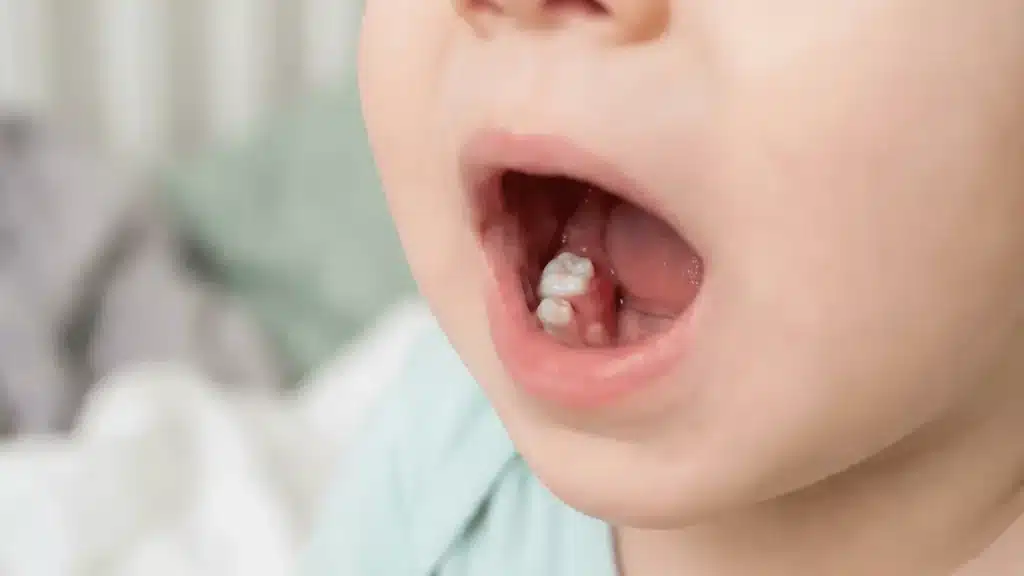
Molar teething can catch many parents off guard. It often feels more intense than earlier teething stages, and the signs are not always easy to read.
Understanding toddler molars symptoms early can help you respond calmly instead of guessing what is wrong.
In my experience, this stage is less about reacting and more about knowing what to expect before it begins.
This guide breaks down when molars appear, why they cause more discomfort, how symptoms show up, and what is considered concerning.
Once you see the pattern, managing this phase becomes far less stressful. Let’s start with the basics.
What are Molars?
Most parents pay more attention to the front teeth, but molars at the back of the mouth play an equally important role.
These are large, flat teeth built for chewing and breaking food down into smaller, easier-to-swallow pieces.
Toddlers develop two sets of primary molars as part of their complete set of baby teeth. Because molars are wider and have a larger surface area, they take more effort to push through the gums.
This is why they often cause more noticeable discomfort compared to smaller front teeth. As a result, this stage can feel more intense for both toddlers and parents.
When Do Molars in Toddlers come?
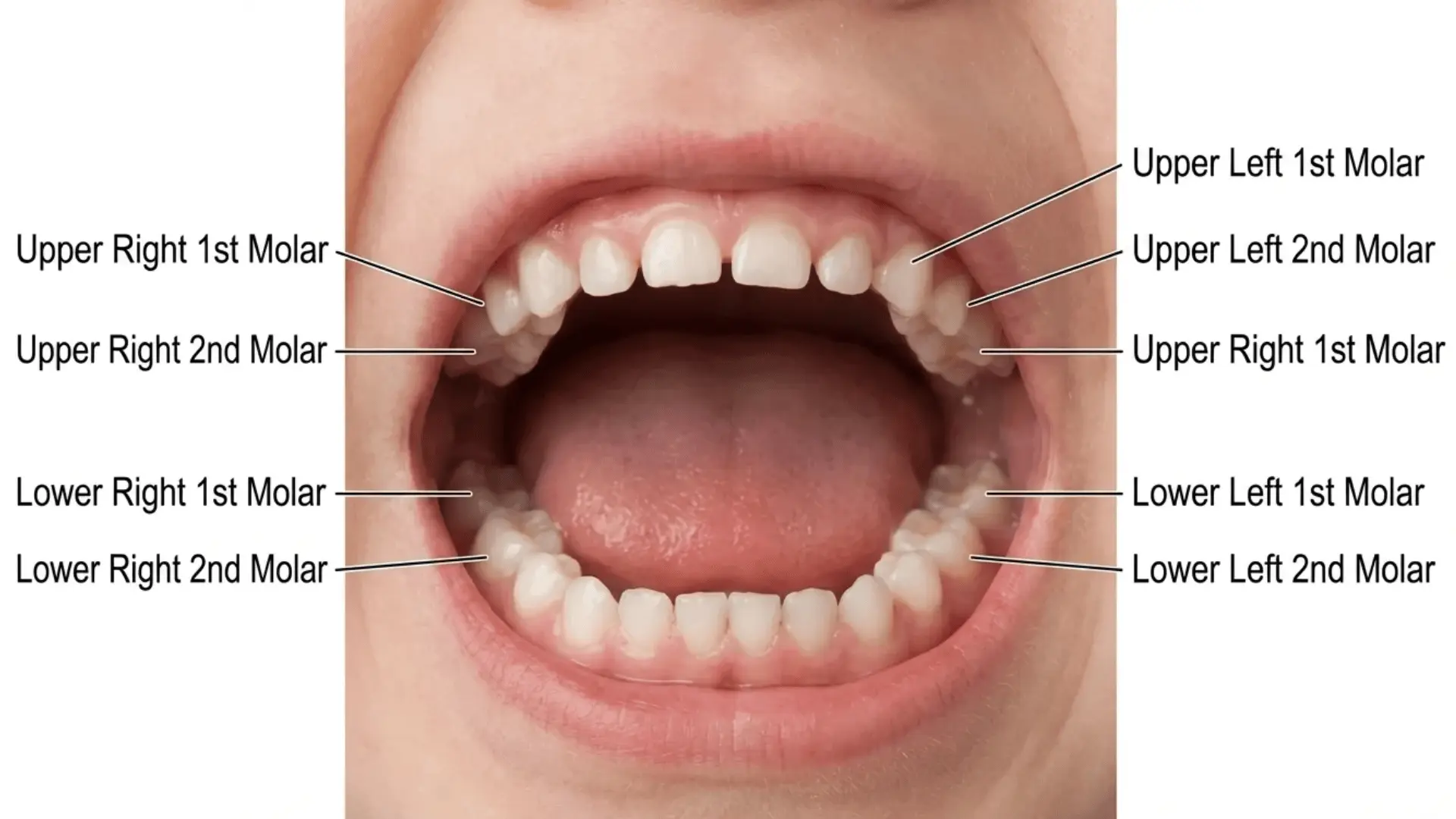
Molar eruption follows a general timeline, but every child develops at their own pace. Knowing what to expect helps you stay informed without worrying unnecessarily.
First Molars
First molars typically appear between 13 and 19 months. They usually emerge in both the upper and lower jaw around the same time, though the lower molars often come in slightly earlier than the upper ones.
These are the first large teeth your toddler will develop, and they can cause noticeable discomfort as they push through the gum tissue.
Second Molars
Second molars generally come in between 23 and 33 months. By the time your child reaches age three, they should have a full set of primary teeth, including all four molars.
Upper second molars may appear slightly later than lower ones, but the difference is usually only a few weeks.
How Molars Break Through the Gums
A molar starts forming beneath the gum line long before it becomes visible. It slowly pushes upward through the tissue until the tip breaks through the surface.
This process can take days or even weeks. The pressure and movement under the gum is what causes the soreness and irritability many toddlers experience during this stage.
Why Timing Can Vary
Not every child follows the same teething schedule, and that is completely normal. Genetics, nutrition, and individual development all play a role in when molars appear.
Some children teethe earlier, some later, and both are generally fine. A slight delay in molar eruption is rarely a cause for concern on its own.
Common Misconception: Late Teething is Not Always a Problem
Many parents worry when their child’s molars are late to appear. In most cases, a few extra weeks or even months outside the typical range is not a sign of any underlying issue.
If your child is well past the expected window with no signs of eruption, a quick check with your pediatric dentist can provide reassurance and rule out any rare concerns.
Why Toddler Molars Cause More Pain than Other Teeth
Molars are wider and flatter than front teeth, which means a much larger surface area has to push through the gum tissue. This causes more inflammation and discomfort than most parents expect.
The pressure activates more nerve-rich tissue at once, sending stronger pain signals than smaller front teeth do. Molars also sit at the back of the mouth, making them harder to reach with teething rings or gum massage.
That said, pain intensity varies from child to child. Many toddlers move through this stage with minimal fuss, so molar teething is not universally painful for every child.
Understanding why molars cause more discomfort helps you respond with the right tools rather than feeling caught off guard. Knowing what to expect makes the experience easier to manage for both you and your toddler.
Common Symptoms of Molar Teething (and What Causes Each One)
Molar teething symptoms can appear in different ways and at varying intensities, depending on the child. Knowing what to expect and why each symptom happens makes it easier to respond calmly.
1. Gum-Related Symptoms
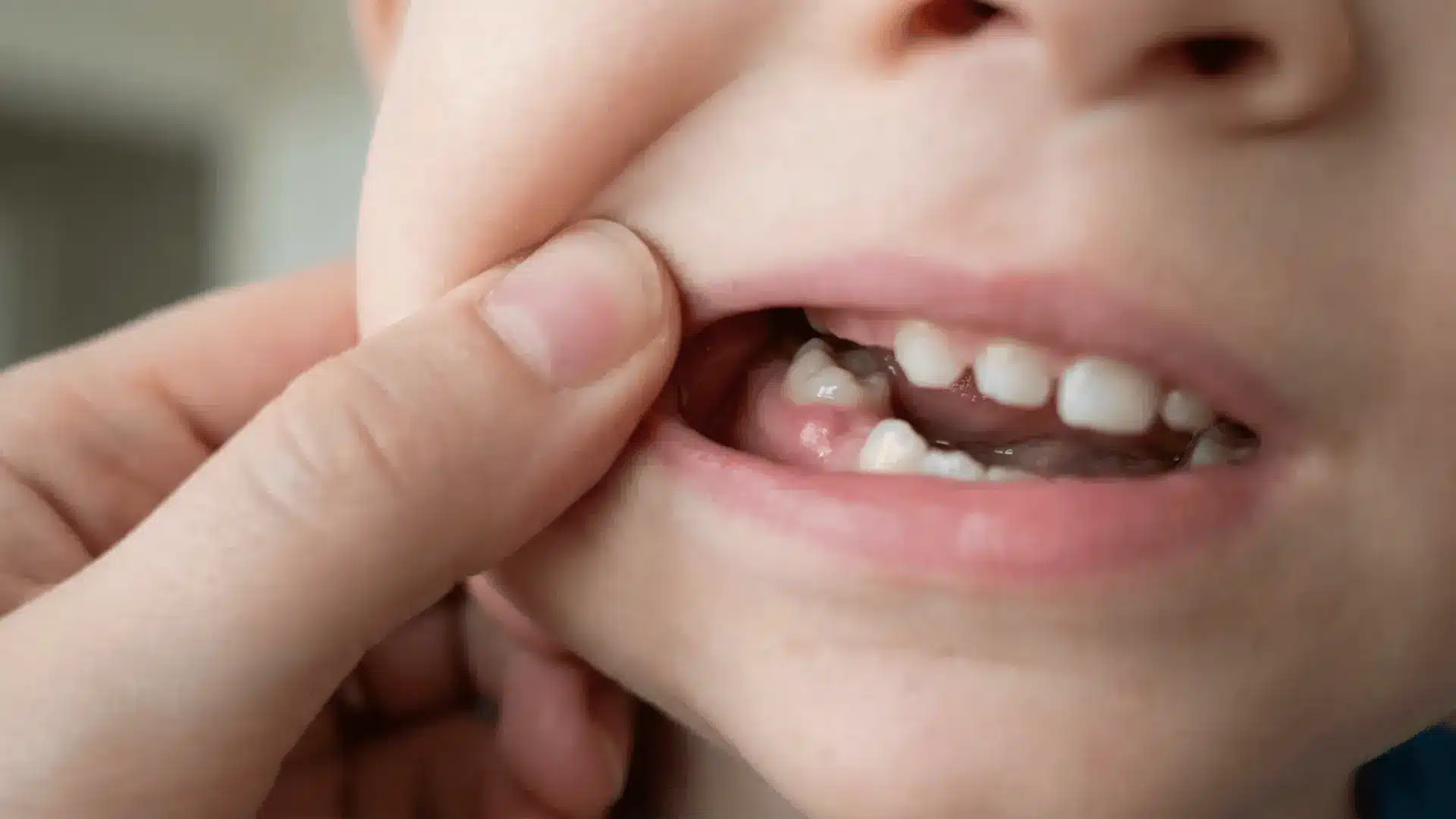
The gums are usually the first place where teething shows up. As the molar pushes upward, the surrounding tissue responds with visible changes.
- Red, swollen gums: Direct pressure from the emerging tooth triggers inflammation in the surrounding gum tissue.
- Tenderness: Increased nerve sensitivity in the area makes the gums feel sore and uncomfortable to touch.
These gum changes are the most reliable early sign that a molar is on its way.
2. Behavioral Changes
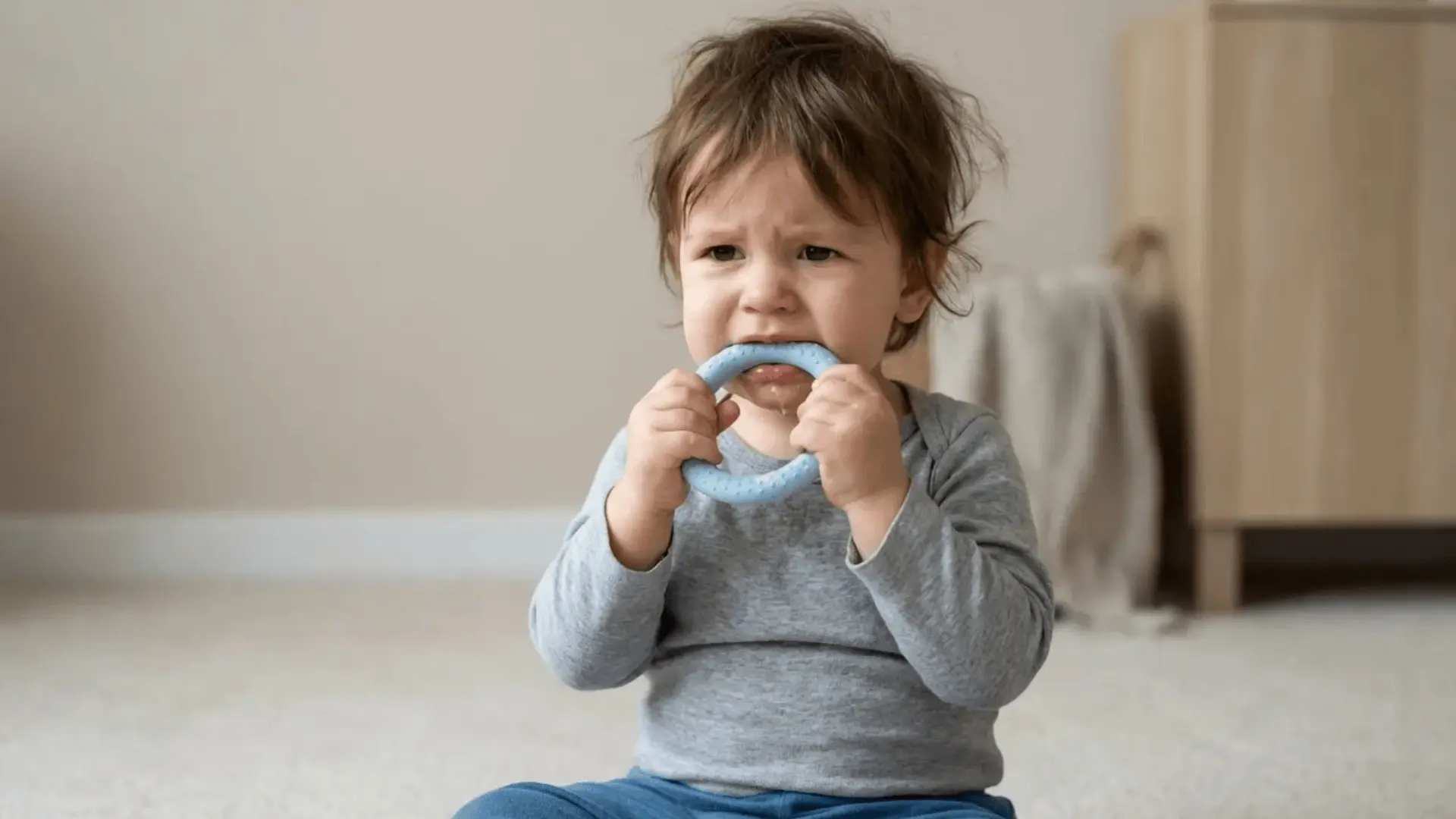
Teething discomfort does not stay in the mouth. It often affects how a toddler acts throughout the day.
- Irritability: Ongoing discomfort sends continuous signals to the brain, making toddlers harder to settle and easier to upset.
- Chewing on objects: Applying counter-pressure to the gums temporarily reduces the pain sensation, which is why toddlers chew on anything they can find.
These behavioral shifts are a normal response to discomfort and usually settle once the tooth breaks through.
3. Saliva and Skin Changes
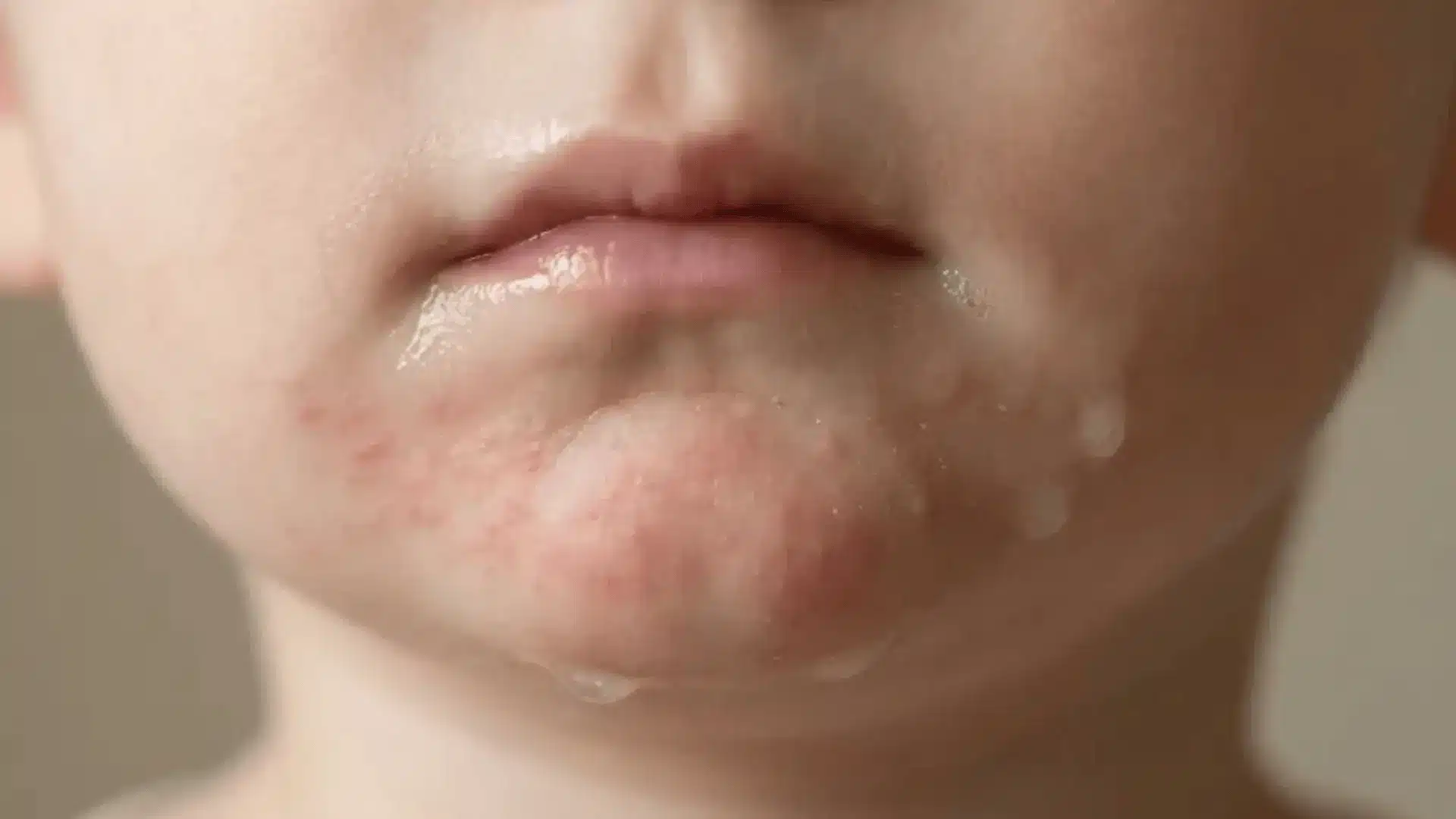
Nerve stimulation during teething affects more than just the gums. It also triggers physical changes that are easy to spot on the outside.
- Drooling: Stimulated nerves signal the salivary glands to produce more saliva than usual.
- Chin rash: Constant moisture from drooling irritates the delicate skin around the mouth and chin.
Keeping the chin area dry and clean can help reduce skin irritation during this stage.
4. Sleep and Mild Systemic Effects

Teething can affect sleep and even cause mild physical symptoms that go beyond the mouth. These are usually short-lived but can be tiring for both toddlers and parents.
- Disrupted sleep: Pain tends to feel more intense at night when there are fewer distractions, making it harder for toddlers to settle.
- Low-grade fever: A mild rise in temperature can occur as the body’s natural inflammatory response to the eruption process.
It is important to note that symptoms often come in waves rather than staying constant. High fever or severe illness is not a typical sign of teething.
If your toddler develops a high temperature or seems seriously unwell, it is worth checking with a doctor to rule out other causes.
How Long Do Molar Teething Symptoms Last?
Most molar teething symptoms last anywhere from a few days to a few weeks per tooth. The intensity tends to peak right before the tooth breaks through the gum surface.
As the molar pushes upward, pressure builds gradually in the surrounding tissue. Once the tooth finally breaks through, that pressure is released, and discomfort usually reduces fairly quickly.
Symptoms do not always stay constant throughout the process. The eruption often occurs in a stop-start pattern, meaning discomfort can come and go in waves rather than staying steady from start to finish.
If a toddler seems unwell or uncomfortable for an extended period without improvement, it is worth checking with a doctor to rule out other causes.
What is Normal vs. Not Normal During Molar Teething
It can be hard to know when teething discomfort crosses into something that needs attention. Understanding the difference helps you respond with confidence and avoid unnecessary worry.
Normal Signs
Most molar teething symptoms are mild and stay close to the mouth and gum area. These are the signs that fall within the normal range during eruption.
- Drooling: Increased saliva production triggered by nerve stimulation in the gums.
- Chewing on objects: A natural response to counter-pressure reducing gum discomfort.
- Mild gum swelling: Localized inflammation directly around the emerging tooth.
- Irritability and mood changes: Short-term behavioral shifts caused by ongoing discomfort.
- Disrupted sleep: Pain that peaks at night, making it harder to settle.
- Low-grade fever: A mild temperature rise as part of the body’s local inflammatory response.
These symptoms are temporary and typically improve once the tooth breaks through the gum surface.
Not Typical and Needs Attention
Teething causes localized inflammation in the gum area. It does not cause systemic illness, which means anything beyond mild, mouth-related symptoms should be taken seriously.
- High fever: A temperature significantly above normal is not due to teething and requires medical attention.
- Persistent diarrhea or vomiting: These are signs of illness, not teething, and should not be dismissed.
- Severe swelling or pus: Unusual swelling beyond the gum line or any sign of infection requires a dental or medical check.
Teething does not make toddlers seriously sick, and assuming it does can delay important care.
If your toddler shows any of the symptoms listed above, it is always better to check with a doctor or dentist rather than waiting it out.
Why Molar Teething is Often Mistaken for Behavioral Phases
Second molars come in between ages two and three, which is also the peak period for toddler tantrums.
This timing overlap makes it difficult to separate teething discomfort from typical behavioral changes. When a toddler is in pain, their emotional tolerance drops, making them more reactive and harder to settle.
Both can happen at the same time, and a toddler going through a developmental phase while teething will show more intense behavior.
Checking the gums when behavior suddenly worsens is a simple but worthwhile step, as red or swollen gums may be driving the reaction more than development alone.
Wrapping Up
Molar teething is a phase that feels tough in the moment but becomes much easier once you understand how it works.
The key is not just recognizing toddler molars symptoms, but knowing which ones are normal and which need attention. When you can read your child’s signals clearly, you stop second-guessing and start responding.
Every child handles this stage differently, so staying flexible matters more than following a strict approach. Keep things simple, stay patient, and trust what you observe. If something feels off, it is always worth checking.
For more helpful guides like this, explore more blogs on the website and keep your toddler healthy.


One Response