

Sleep safety can feel overwhelming, especially when advice seems to vary. One question many parents ask is “when can babies safely sleep with a blanket?”
The truth is, this decision is tied to both safety recommendations and your child’s development.
In this article, I’ll explain the minimum safe age, why some experts suggest waiting longer and how to recognize real signs of readiness.
By the end, you’ll have a clearer understanding of when introducing a blanket makes sense for your child.
When Can Babies Safely Sleep with a Blanket?
Most experts agree that babies should not sleep with a blanket before 12 months of age.
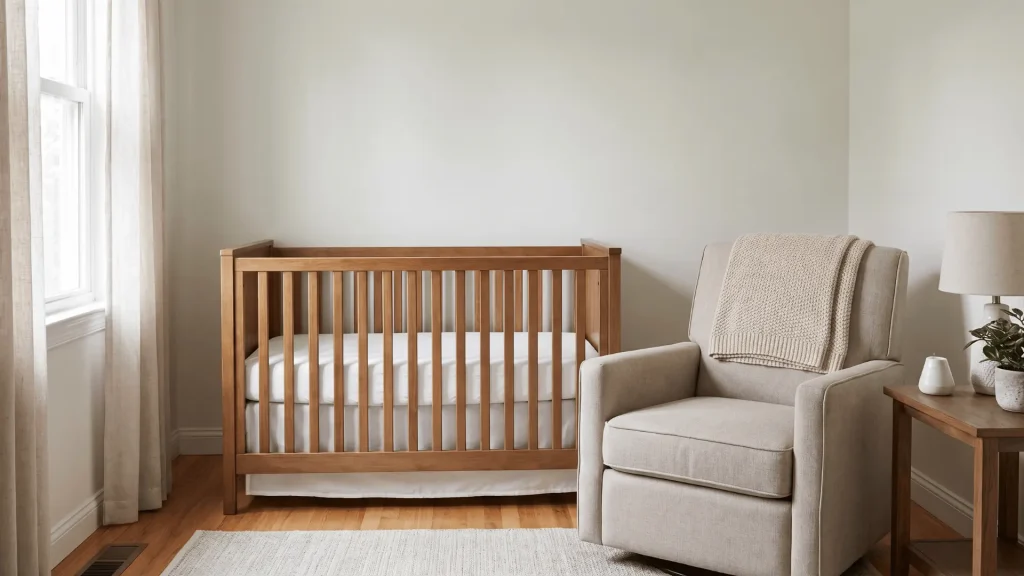
According to the American Academy of Pediatrics, a safe sleep environment means keeping the crib free of loose items like blankets during the first year to reduce suffocation and SIDS risk.
This recommendation is supported by the American Academy of Pediatrics (AAP), which advises keeping the crib free of loose items during the first year to reduce the risk of suffocation and Sudden Infant Death Syndrome (SIDS).
While 12 months is considered the minimum safe age, many pediatricians and sleep specialists suggest waiting until around 18 months for added safety.
By this stage, toddlers typically have stronger motor skills and better coordination, making it easier for them to manage loose bedding.
Ultimately, readiness depends on a child’s motor abilities, such as repositioning during sleep and removing objects from their face, ensuring a safer transition to using a blanket.
Why Blankets Are Unsafe Before 12 Months
Blankets can be risky for babies under 12 months because they can move during sleep and cover the baby’s nose or mouth.
Young babies may wiggle or roll, but they usually cannot move a blanket away on purpose every time.
| Risk | Why It Matters |
|---|---|
| Blocked Airway | A blanket can cover the nose or mouth during sleep. |
| Suffocation | Babies may not be able to move loose bedding away. |
| SIDS Risk | Loose blankets are linked to unsafe sleep conditions. |
| Overheating | Blankets can make babies too warm during sleep. |
For safer sleep, use a wearable sleep sack instead of a loose blanket. Keep the crib simple with only a firm mattress and fitted sheet.
What Changes Around 12 to 18 Months?

The period between 12 and 18 months marks an important developmental transition. These changes make it safer for toddlers to manage loose bedding during sleep.
Key Developmental Changes:
- Can remove objects from their face
- Can reposition during sleep
- Responds to discomfort
- Has better control of arms and body
Twelve months is considered the minimum guideline for introducing a blanket.
By this age, the risk of Sudden Infant Death Syndrome (SIDS) decreases significantly, and most babies have developed basic motor skills to manage loose bedding. However, readiness varies from child to child.
The risk of SIDS declines after the first year as babies gain better head control and mobility, improving their ability to respond to breathing challenges during sleep.
Why Some Babies Aren’t Ready at 12 Months
Some children may still lack the necessary skills for safe blanket use. Signs that a baby may not be ready include:
- Limited ability to remove objects from their face
- Frequent or uncontrolled movements during sleep
- Delayed motor development
- Becoming easily tangled in bedding or clothing
- Difficulty responding to discomfort
While 12 months serves as a general guideline, many pediatricians and parents choose to wait until closer to 18 months, when developmental skills are typically more consistent.
Why Many Parents Wait Until 18 Months or Later
While expert guidelines state that blankets can be introduced after 12 months, many parents choose to wait until 18 months or later.
This cautious approach reflects a desire for additional safety and confidence in their child’s developmental readiness.
Many parents feel safer waiting longer before introducing a blanket, as it provides extra reassurance about sleep safety.
Although 12 months is the minimum recommendation, many pediatricians view 18 months as a more comfortable milestone because toddlers typically have stronger motor skills and better coordination.
Waiting until around 18 months allows for clearer signs of readiness, such as:
- Consistent ability to reposition during sleep
- Strength to remove objects from the face
- More stable and predictable sleep patterns
Anecdotal experiences do not guarantee safety. Each child develops at a different pace, so decisions should be based on individual readiness rather than comparisons.
Many parents delay introducing a blanket until 18 months or later to gain additional peace of mind. This approach aligns with developmental readiness and provides an extra margin of safety during early childhood.
Signs a Baby May Be Ready

While age offers a helpful guideline, developmental readiness provides a clearer indication of when it is safe to introduce a blanket.
| Signs That Support Readiness | Signs They’re Not Ready Yet |
|---|---|
| Can remove objects from the face | Rolls unpredictably or frequently |
| Sleeps in stable positions | Gets tangled in clothing or bedding |
| Shows controlled movement during sleep | Doesn’t react quickly when uncomfortable |
| Responds to discomfort | Delayed motor development |
Age is a minimum guideline, not a guarantee of readiness. Some children develop the necessary skills soon after 12 months, while others may not be ready until closer to 18 months or later.
Conclusion
Deciding when to introduce a blanket is not just about reaching a birthday milestone.
While 12 months is the minimum recommendation, many families feel more secure waiting until closer to 18 months. The real key is developmental readiness, not age alone.
Watching your child’s motor skills, sleep patterns, and responsiveness gives you clearer guidance than the calendar ever could.
If you’re unsure about when babies can safely sleep with a blanket, speak with your pediatrician and trust steady progress over pressure. Make the safest choice for your child’s sleep today.
Frequently Asked Questions
Can a Baby Sleep with a Blanket Before 12 Months if Supervised?
No. Even with supervision, blankets remain unsafe before 12 months because suffocation can occur quickly, and caregivers cannot maintain constant monitoring throughout sleep periods.
Is a Small or Breathable Blanket Safer Earlier?
A small or breathable blanket may slightly reduce risk, but does not eliminate suffocation hazards. Experts still recommend avoiding all loose bedding for 12 months, regardless of material or size.
Why Do Some Parents Start Earlier Anyway?
Some parents introduce blankets earlier due to a misunderstanding of risks or observing short-term success. However, anecdotal experiences do not ensure safety, and developmental readiness varies significantly between children.


