

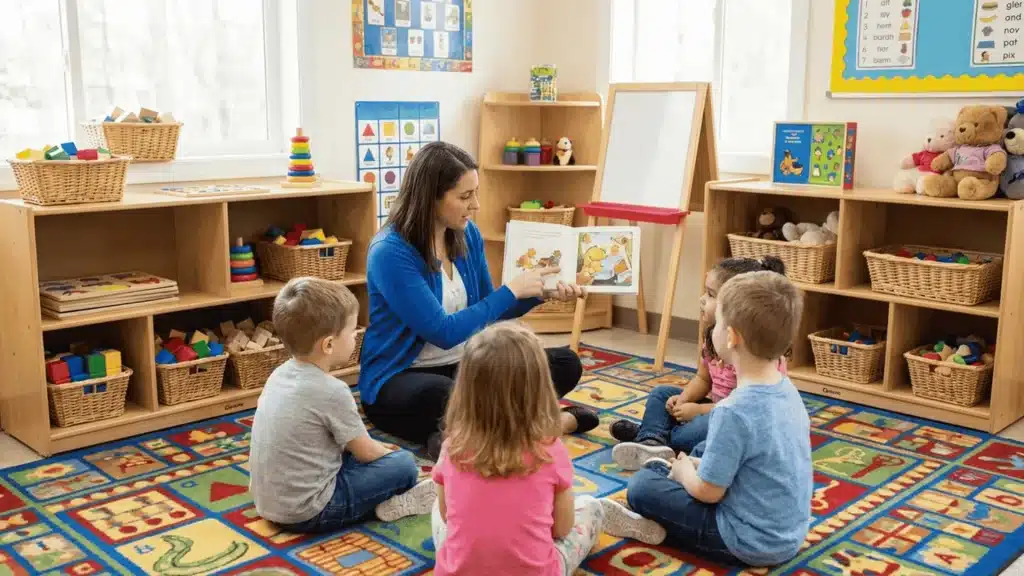
Wondering what your 3-year-old should know before starting preschool can feel confusing. There is a lot of mixed advice, especially around early learning and school readiness.
The truth is, readiness at this age is not about doing more. It is about being able to handle simple routines, interactions, and daily situations.
This guide helps you understand what actually matters for preschool readiness. If you’re also looking for simple ways to build these skills through everyday play, you can explore ideas that naturally support learning.
What Preschool Readiness Really Means at Age 3
When people ask what a 3-year-old should know, they often think about letters or numbers.
But preschool readiness is about how your child functions in a group, not what they have memorized.
At this age, readiness means participating in routines, following simple instructions, and handling basic tasks. The real question is not “What does my child know?” but “Can they manage in a classroom setting?”
A child who can listen, join activities, and act independently is more prepared than one who knows academics but struggles to interact. This shows the difference between knowing a skill and using it in real situations.
For example, counting at home is one thing. But, following instructions in a busy classroom is what truly matters.
Independence and social behavior play a bigger role than most parents expect. They help your child manage tasks, share space, and move through the day smoothly.
You can also build many of these skills through simple hands-on play, like hands-on activities that improve focus and coordination in a fun way.
Academic skills can help, but they are not the deciding factor. Preschool readiness is about how everyday abilities come together
Core Skills a 3-Year-Old Needs to Function in a Preschool Setting
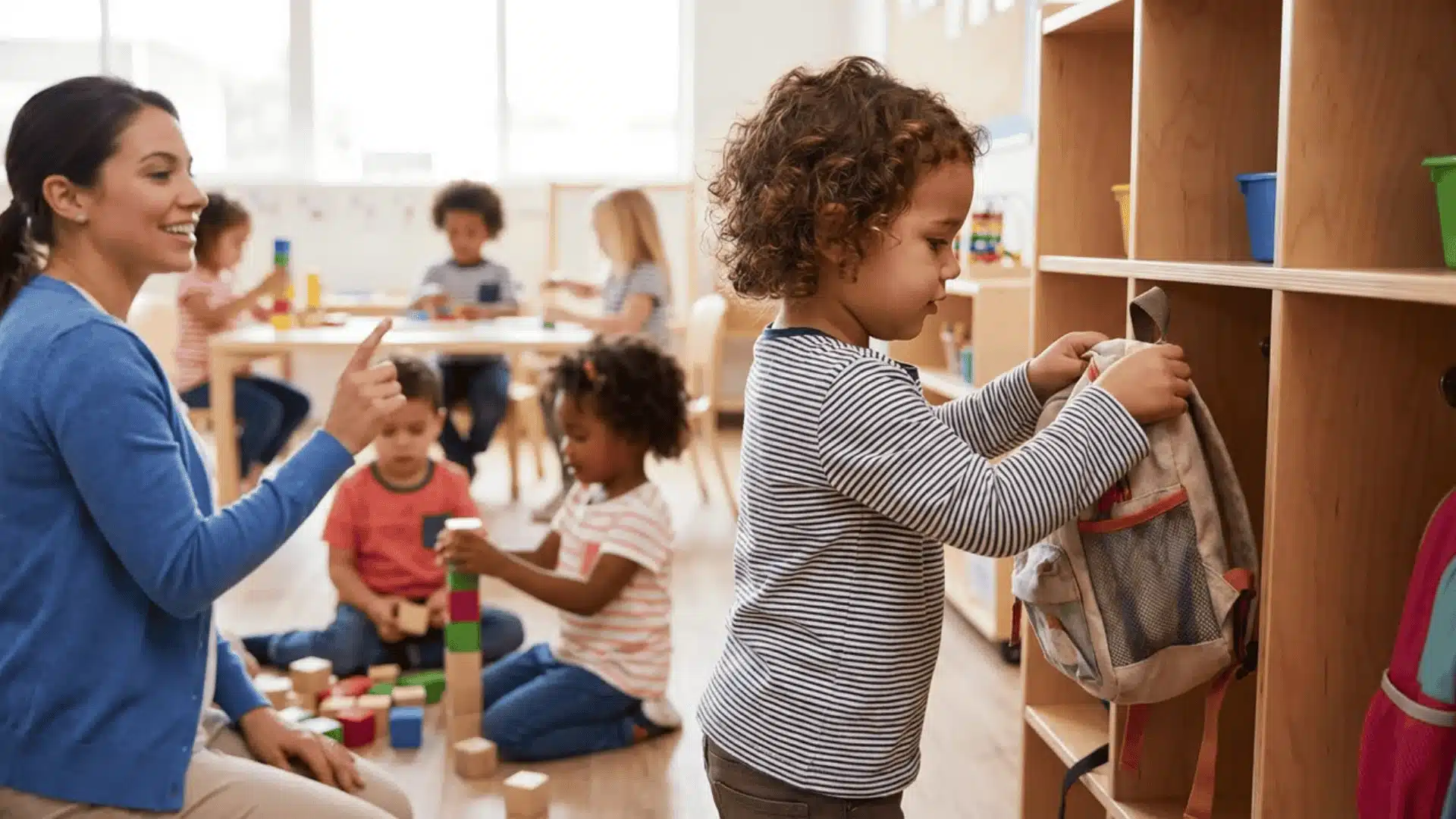
At preschool, your child is part of a group and does not receive one-on-one care. So, a few core skills matter most for handling daily routines smoothly.
1. Following Instructions in a Group Environment
Teachers give directions once to everyone. Your child needs to listen, remember, and act in order.
For example, “Put your bag away and sit down.”
A typical 3-year-old can follow simple 2-step instructions most of the time.
It becomes harder when they need repeated guidance or seem confused in group settings.
2. Basic Communication for Needs and Interaction
Your child should be able to express basic needs clearly. This includes asking for help, toilet needs, or simple discomfort.
Speech does not need to be perfect; it just needs to be understandable to others. Clear communication helps avoid frustration and keeps things moving.
Challenges arise when a child cannot explain needs or relies solely on crying or gestures.
3. Early Social Participation Skills
Preschool involves shared play and simple group rules. Your child should try to take turns, share space, and join activities.
These skills are built through watching and repeating what others do. They do not need to be perfect, just consistent enough to participate.
Concern arises if there is constant conflict, withdrawal, or difficulty following basic rules. These core skills help your child move through the day with less stress.
Independence Skills that Matter Most in Preschool
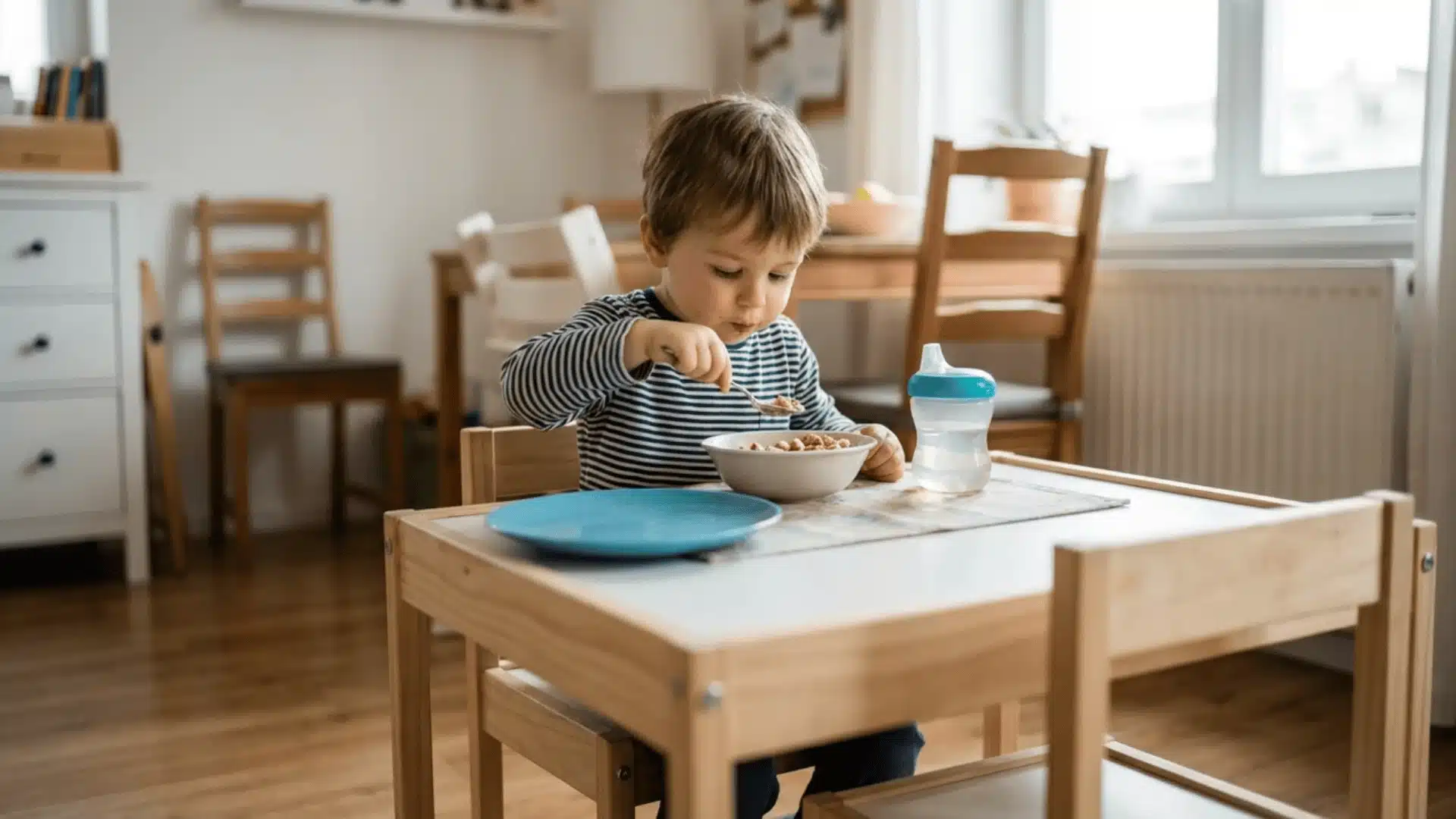
In preschool, simple self-care skills help your child keep up with daily routines without constant help.
- Teachers manage multiple children, so they cannot provide one-on-one help for every task
- Managing clothing means pulling pants up/down and attempting to put on simple shoes with some help
- Repetition of dressing routines builds confidence and reduces hesitation
- Eating independently allows your child to finish meals without relying on adults
- Using basic utensils or hands helps them stay included during group snack time
- Toileting readiness means telling an adult when needed and cooperating during the process
- Regular practice of daily routines builds habit-based independence
- Dependence on adults can lead to delays, frustration, and missing group activities
Small, consistent practice at home makes these everyday skills easier and helps your child adjust smoothly to preschool life.
Attention Span and Task Engagement Expectations
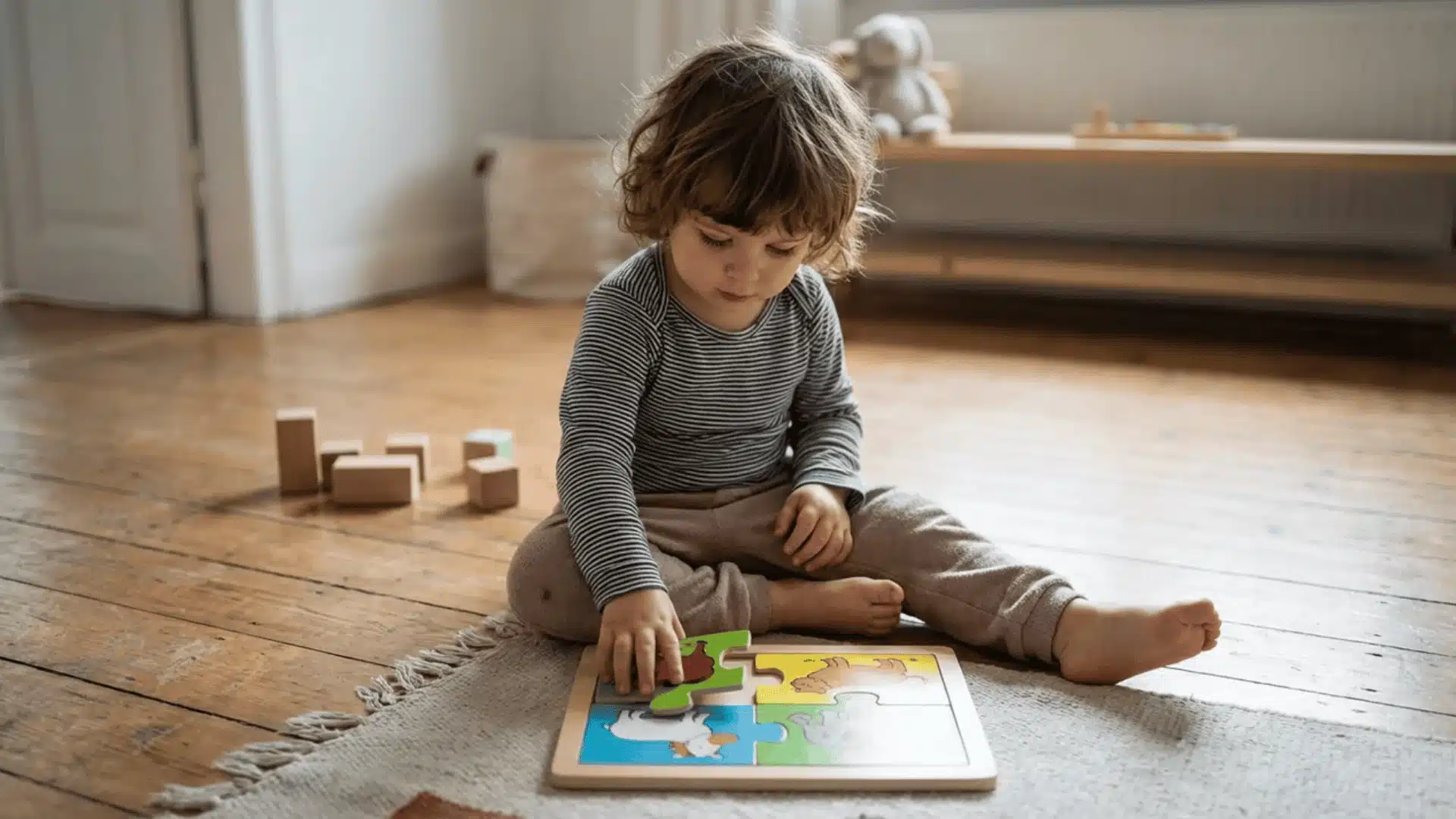
At age 3, attention span is still short and developing. Most children can focus on one activity for about 5 to 10 minutes.
This is enough to sit briefly for group time or complete simple tasks. They engage, then naturally shift as their brain builds focus control.
Movement breaks are still needed to reset energy and attention. Short bursts of focus work better than long sitting periods.
Concern arises when a child cannot remain engaged, even briefly. Expecting sustained focus at this age is unrealistic.
What Skills Do NOT Matter as Much as Parents Think
Many parents focus on early academics, but these are not the most important skills for preschool readiness.
- Knowing letters and numbers is not required to start preschool
- Memorizing information does not mean a child can use it in real situations
- Functional skills like listening, following directions, and basic independence matter more
- A child who can count but cannot follow instructions will struggle more in a classroom
- Social and communication skills have a bigger impact on the daily preschool experience
Focusing on how your child functions, not just what they know, makes a bigger difference in how well they adjust to preschool.
Signs Your Child May Struggle and How to Build Preschool Readiness at Home
Some challenges arise when a child struggles to function in a group setting. The good part is that many of these can be improved with simple practice at home.
- Cannot clearly communicate basic needs like toilet, hunger, or help
- Does not respond to name or simple instructions consistently
- Avoids other children or shows frequent hitting, grabbing, or conflict
- Cannot stay with any activity, even for a short time
Early support helps because young children learn quickly through routine and repetition. If these challenges continue, it is helpful to speak with a teacher or pediatrician.
You can build readiness at home using simple daily habits.
- Practice real-life routines like cleaning up toys and following small instructions
- Encourage independence through dressing, eating, and making simple choices
- Use play to teach social skills like turn-taking and role play
- Create short “classroom moments” by sitting together for quick activities
Small, consistent practice makes these skills easier and helps your child adjust more comfortably to preschool.
Quick Preschool Readiness Checklist for a 3-Year-Old
This quick check helps you see if your child can handle basic preschool routines. Focus on overall ability, not perfection.
Your child can follow simple instructions and communicate basic needs. They can ask for help, food, or the toilet in simple words.
They show some independence in daily tasks and short activities. They also try to interact with other children, even if not perfectly.
Partial ability is normal; not every skill needs to be fully developed.
Conclusion
Getting your child ready for preschool is less about teaching and more about building everyday comfort. When your child can handle simple routines and interact with others, they are already on the right track.
You don’t need to rush or compare progress. Small, daily moments like following instructions, playing together, and doing basic tasks slowly build real readiness.
Start with one or two simple habits at home and stick to them consistently. Over time, these small steps will help your child walk into preschool with more ease and confidence.
Frequently Asked Questions
Does my child need to know the ABCs and numbers?
No, knowing the ABCs and numbers is not required for preschool. Basic exposure helps, but focus more on communication, following simple directions, and comfort in group settings.
What if my child cries at drop-off?
Mild crying at drop-off is common and expected. Most children settle within a short time as they adjust, especially when routines stay consistent, and caregivers respond calmly.
Is it okay if my child still needs help with everything?
Some level of help is completely normal at this age. Over time, children should begin doing small tasks independently, such as eating, following instructions, and putting things away.


