

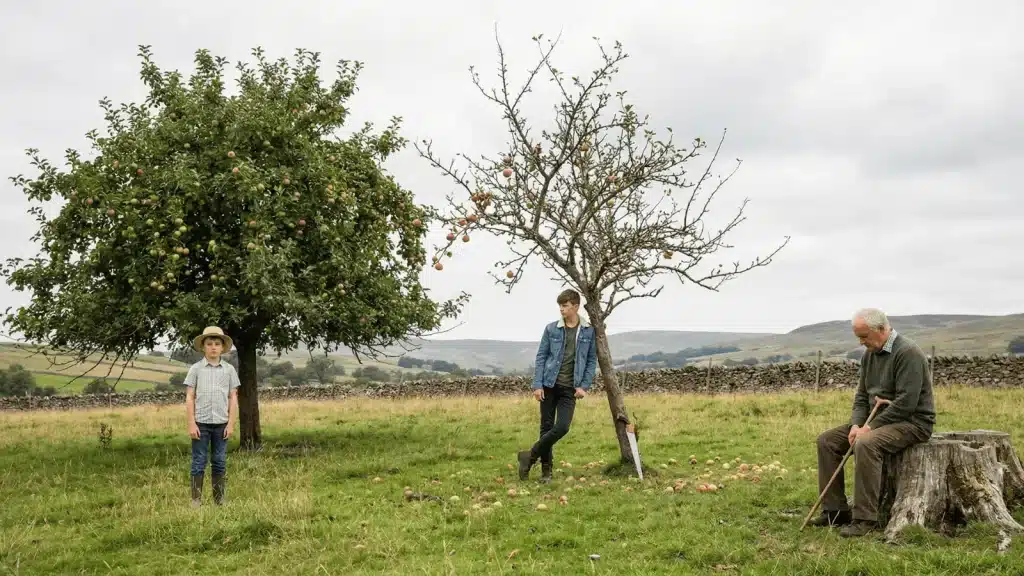
Few books spark as much debate as The Giving Tree. On the surface, it looks like a simple story about love and generosity.
But something about it doesn’t sit right, and many readers can’t explain why. If you’ve ever felt uneasy after reading it, you’re not alone. That discomfort is worth exploring.
This blog breaks down The Giving Tree summary in a way that goes deeper than the usual “it’s about giving.” You’ll look at the psychology behind the tree’s behavior, the boy’s unchanging pattern, and what the relationship really says about love, limits, and burnout.
By the end, you’ll have a clearer lens for reading this story, and maybe for recognizing similar patterns in real life.
You can read a full breakdown of the story, its themes, and meaning here. It’ll give you the right context before going deeper.
Why The Giving Tree Feels Emotionally Uncomfortable
Most children’s books leave you with warmth. This one leaves you unsettled. The discomfort in The Giving Tree isn’t accidental.
It comes from watching something deeply familiar, someone giving everything they have, over and over, without ever being asked to stop. You feel sad, but not in a clean way.
There’s an unease underneath it. Something feels off about the relationship, even if you can’t name it right away.
That unease comes from the imbalance. The tree gives. The boy takes. And that cycle never breaks.
What makes it harder to process is that the tree doesn’t resist. There’s no pushback, no hesitation, no moment where giving slows down. The sacrifice just keeps going, automatically, quietly, completely.
By the end, readers are left with a real question: Is this what love looks like, or is this what harm looks like wearing love’s face?
That’s what separates this story from a typical happy children’s book. Most of those end with resolution. This one ends with a pattern still running, unchanged, unchallenged, and unresolved.
The Psychological Pattern Behind the Tree’s Behavior
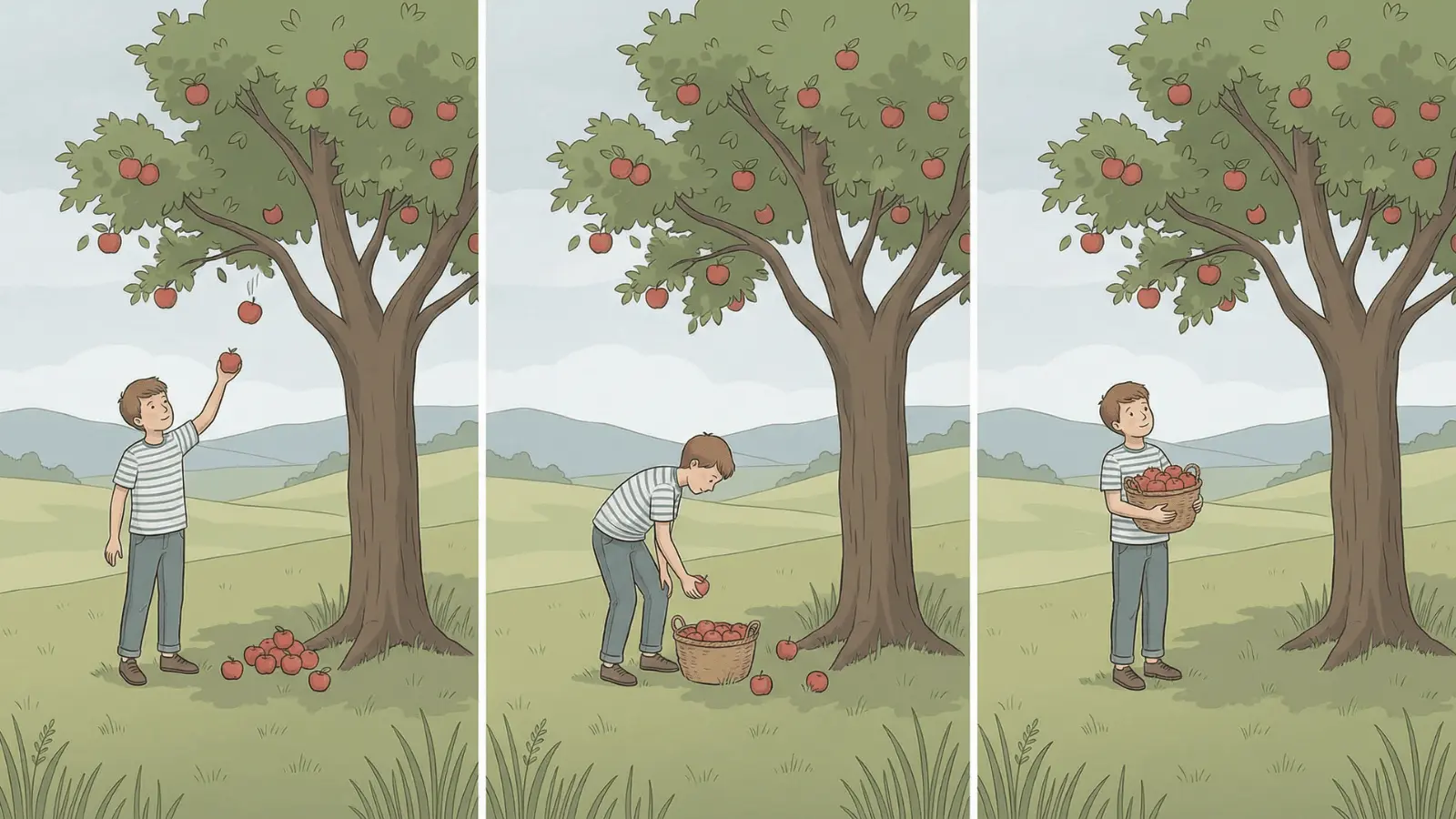
The tree doesn’t give because it’s generous. It gives because giving is the only way it knows how to exist. Its entire identity is built around being needed.
When the boy is happy, the tree is happy. When the boy doesn’t visit, the tree waits. Its sense of worth isn’t internal; it’s completely dependent on what it can offer someone else.
That’s the core of the pattern. Self-worth tied entirely to giving, not to being. This means the tree has no way to stop, even as it loses more and more of itself.
This isn’t unique to fiction. It shows up in real life, often in:
- Parent-child dynamics: where a parent can’t separate their identity from their child’s needs
- Caregiving roles: where the caregiver prioritizes the other person’s comfort above their own well-being
- Long-term friendships: where one person carries the emotional weight of both sides
The most damaging part of this pattern is its failure mode. Even when the giving causes real harm to the giver, the behavior continues.
There’s no internal alarm that says “enough.” The pattern overrides self-preservation entirely.
Why the Boy’s Behavior Doesn’t Change Over Time
The boy grows older. His needs change. But how he treats the tree never does. Every visit follows the same structure: he arrives, he needs something, the tree gives it, and he leaves.
There’s no moment of reflection. No gratitude that deepens over time. No awareness that what he’s receiving has a cost.
The reason this pattern holds is simple; it’s never been challenged. Each time the boy takes, nothing happens. No consequence. No resistance.
The tree just gives again. That response teaches him, repeatedly, that taking has no relational weight.
Some readers assume the boy is selfish by nature. But that’s not quite right. He’s not evil, he’s unchallenged.
There’s a difference. A person who’s never been asked to give back, never faced the discomfort of a limit, never experienced the cost of one-sided taking, that person doesn’t grow.
Not because they can’t, but because nothing has required it. The story deliberately avoids showing the boy feeling guilt or awareness.
That’s not a flaw in the writing; it’s a choice. It keeps the focus on the pattern, not on individual blame.
The Breaking Point: When Giving Turns Into Self-Erasure
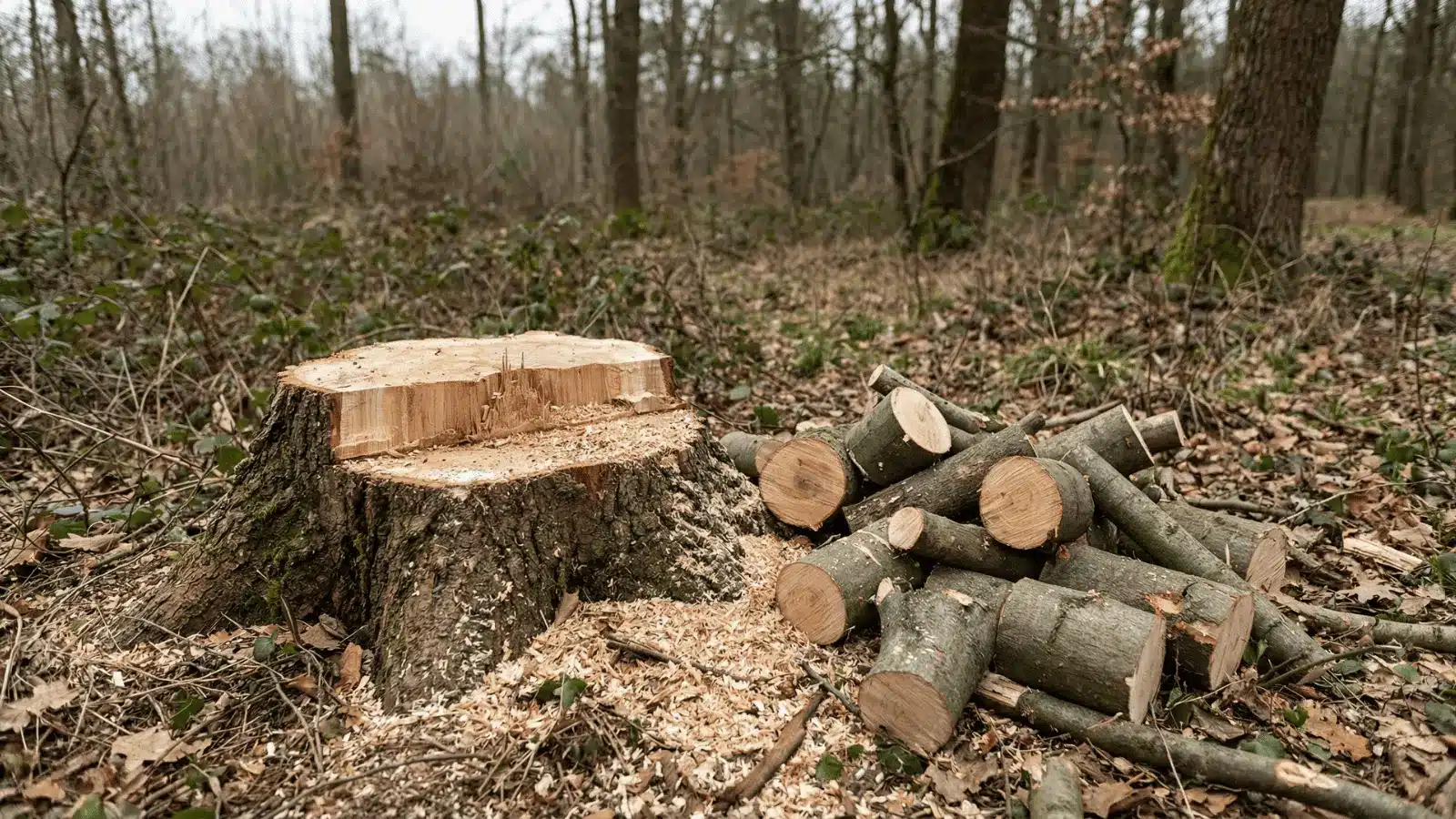
There’s a moment in the story where giving stops being an act of love and becomes an act of destruction. It happens gradually.
First, the tree shares what it has: apples, branches, shade. These are things it can offer without losing itself. But then the asks get bigger.
The tree gives its trunk. It gives until there’s almost nothing left. That shift, from sharing to sacrifice to depletion, is where the story crosses a line.
What’s lost isn’t just physical. The tree loses its form, its function, its presence in the world.
It can no longer provide shade. It can no longer grow. It exists only as a remnant. That’s not giving anymore. That’s erasure.
The trunk moment is the true turning point. Not because it’s the most dramatic moment, but because it’s the point of no return. After that, the tree cannot rebuild. The loss is permanent.
This maps directly onto what burnout looks like in one-sided relationships. It’s not a single moment of breaking down. It’s a slow loss of self, boundaries disappearing one at a time, until the person giving has nothing left to recover from.
Is This Love or Codependency? A Clear Distinction
The story presents the tree’s giving as love. But love and codependency can look identical from the outside. Here’s how to tell them apart.
What Healthy Giving Looks Like
Healthy giving exists within a relationship where both sides contribute. The giver has limits they’re aware of and willing to maintain. They can say no without guilt. They give from a place of choice, not compulsion. And critically, they preserve something for themselves.
What Codependency Looks Like in the Story
The tree shows every marker of a codependent pattern:
- The emotional investment is entirely one-sided
- Giving continues long after it causes harm to the giver
- There are no boundaries, no moment where the tree says, “I can’t give that.”
- There’s no pushback, no renegotiation, no self-advocacy
The relationship only flows in one direction. And even as the tree diminishes, it keeps going.
Why the Story Blurs the Line
The confusing part is that the tree says it’s happy. That one word, happy, does a lot of work in this story. It makes the giving feel acceptable, even admirable.
But happiness isn’t the same as health. Someone can feel fulfilled by a dynamic that is quietly destroying them. The tree’s happiness doesn’t confirm the relationship is good; it raises the question of whether the tree ever learned to want anything for itself.
Readers have to do the interpretive work here. The story doesn’t answer this. It just leaves the happiness on the page and lets you decide what to make of it.
Why the Ending Feels Wrong to Some Readers
The ending doesn’t resolve anything. That’s the problem for many readers, and the source of its controversy.
The boy returns as an old man. The tree, now just a stump, offers him a place to sit. He accepts. The story says the tree was happy.
The same pattern that ran through the entire book is still running in the final scene. The boy arrives needing something. The tree gives it. That’s not a conclusion, it’s a continuation.
For some readers, there’s a kind of peace in that. The relationship endured. The tree is still there. The boy came back. There’s something quiet and even tender about it.
But for others, the ending feels empty. Or worse, tragic. Because nothing changed. The boy never acknowledged what the tree gave up.
The tree never received anything in return. The relationship ends exactly as it began, just with less of the tree left.
What This Story Teaches About Real-Life Relationships
The story isn’t just a metaphor. It reflects patterns that show up in real relationships, and it’s worth taking those seriously.
If you’re teaching this story, it also helps to see how to turn these ideas into real classroom activities in this practical teaching guide.
Unchecked giving leads to burnout: When one person consistently gives without receiving, they don’t just get tired. They lose parts of themselves, their energy, their identity, their ability to engage. That’s not sustainable, no matter how willing the giver seems.
Boundaries make relationships last: A relationship without limits isn’t deeper, it’s more fragile. Limits protect both people. They create space for the relationship to exist without consuming one side of it.
Helping and enabling are not the same thing: Helping someone addresses a real need and encourages growth. Enabling removes every obstacle and removes the need to develop. The tree helped the boy in the early years. By the end, it was enabling a pattern that never asked him to become more than he was.
There are situations where significant sacrifice is appropriate, in crisis, in caregiving, in genuine need. The difference is context and reciprocity over time.
The question to ask is: Does this giving serve the relationship, or is it slowly replacing the person doing the giving?
The tree’s situation didn’t happen all at once. It was gradual. That’s how it works in real life, too. The earlier you notice a one-sided pattern, the more options you have.
Key Takeaway: How to Read The Giving Tree More Critically
The Giving Tree is not a straightforward story about kindness. It’s a portrait of what happens when giving has no floor.
The tree gives without limit. And the story frames that as love. But when you look at what the tree loses, its form, its function, its future, you have to ask whether that framing holds.
The tree’s happiness is real. But it’s worth questioning whether that happiness was ever informed by a sense of self, or whether it was simply the only response the tree knew how to have.
Reading this story critically doesn’t mean reading it cynically. It means being willing to sit with the discomfort it produces and asking what that discomfort is pointing to.
Evaluate the relationships in this story, and in your life, not by how much sacrifice is present, but by whether both people are still whole at the end of it.
Conclusion
The Giving Tree summary reveals more than a story about generosity. It shows what happens when giving has no limits, and what that costs the one doing all the giving.
Take a moment to reflect on the relationships in your own life. Are they balanced? Is there room for both people to give and receive?
The discomfort this story creates is actually useful. It’s a signal worth paying attention to, in fiction and in real life.
Remember: love that erases the giver isn’t the goal. Healthy relationships leave both people whole.
If this gave you something to think about, explore more of our blogs on relationships, storytelling, and the lessons hidden in everyday life. There’s always more worth reading.


