

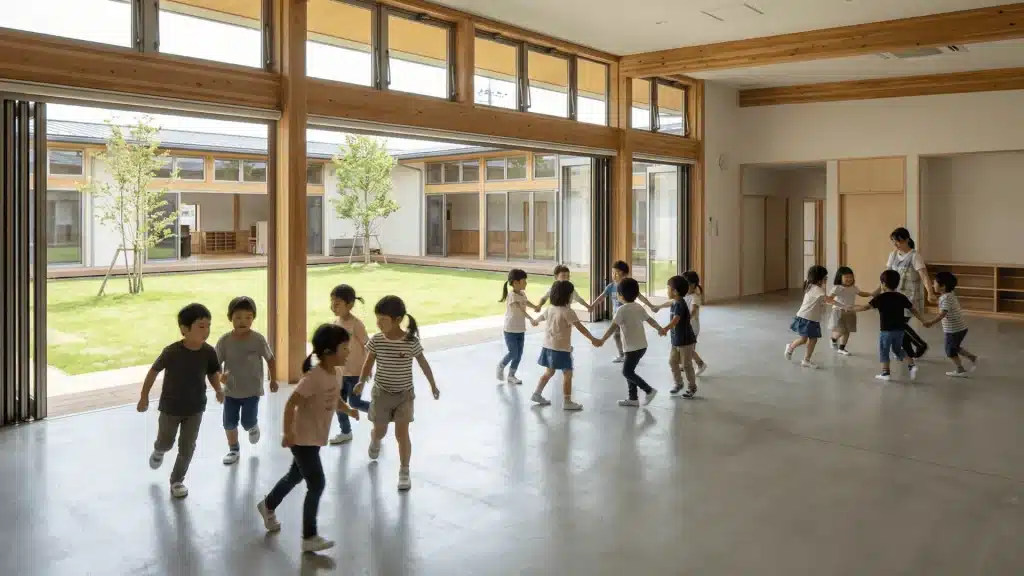
Keeping kids engaged in a group can feel challenging, especially when attention drops quickly. The right activities can make things easier and more fun at the same time.
Here, you will find a wide mix of group games for kids that are simple to set up and easy to run.
Whether you are planning for a classroom, party, or outdoor play, these ideas help you keep everyone involved without confusion.
The focus here is on games that work in real situations, so you can start playing without overthinking the setup.
How to Run Group Games for Kids
A group game works only when the setup is clear. Most issues come from poor setup, not the game itself. A few simple steps keep things smooth and controlled.
- Choose based on group size, age, and space. Large groups need active games, small groups can handle turns. Younger kids need simple rules; older kids can manage teams. Indoor needs control, outdoor allows running.
- Explain the rules before the game starts. Keep them short and direct. Show a quick demo if needed. Ask one child to repeat the rules.
- Keep each round around 10–15 minutes. End while energy is still high. Restart with small changes instead of stretching one round.
Fix Common Problems Before They Grow:
- Confusion → Pause and Re-Explain
- Idle Kids → Switch to Active Games
- Overcrowding → Reduce Space or Split Groups
- Loss of Control → Use Signals Like Claps or Countdowns
Quick fixes keep the game running. Ignoring them leads to bigger disruptions that stop the game.
Group Games for Kids
This section gives you games you can start right away. Each one includes setup, how to play, and how it ends so you can run it without confusion.
High-Energy Games
These games keep kids moving the whole time. They work best when you need to release energy and keep attention high.
1. Freeze Dance
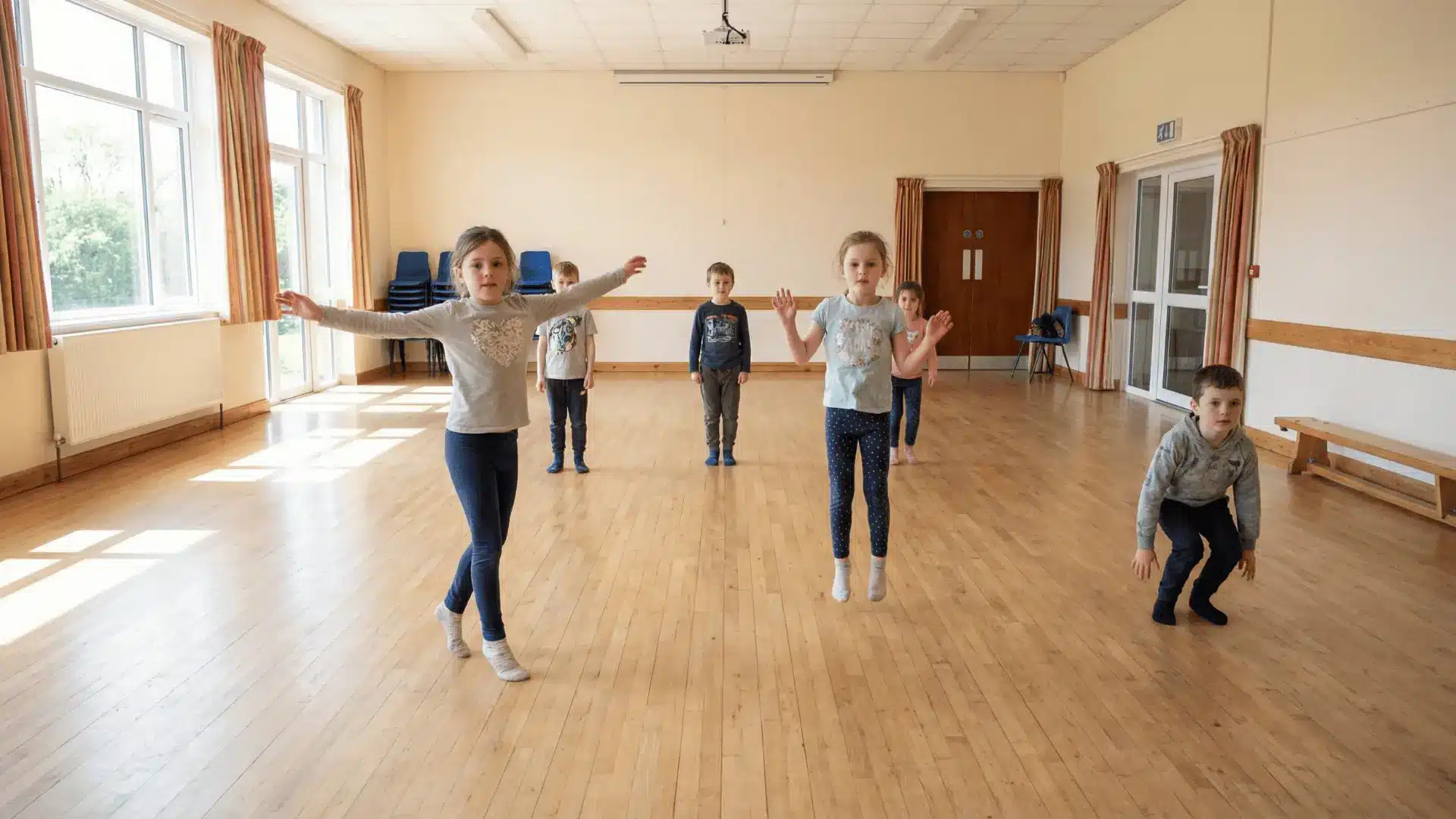
Play music and keep enough open space for movement. Kids spread out so they don’t bump into each other.
They dance while the music plays. The moment it stops, they must freeze. Anyone still moving is either out or does a quick fun task like a jump or spin. The game ends when one player remains or you can keep restarting rounds.
This works because it mixes movement with control, so kids stay alert. It fails when kids ignore the freeze. Fix this by enforcing instant penalties or restarting quickly.
2. Zombie Tag
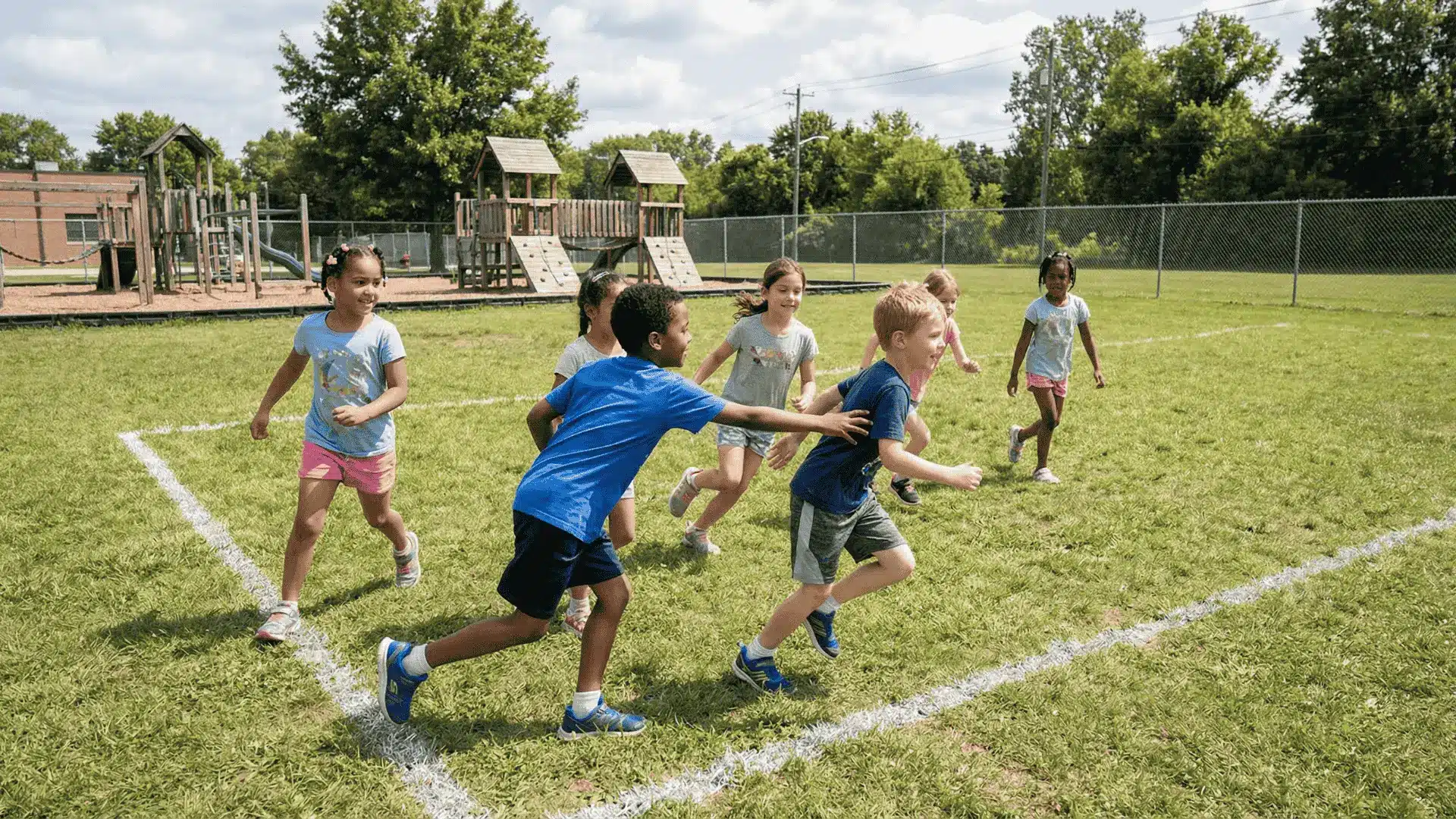
Start by choosing one zombie and marking clear boundaries. The rest are runners.
The zombie chases and tags others.
Once tagged, a player becomes a zombie and joins the chase. The number of zombies keeps growing. The game ends when everyone becomes a zombie.
This works because the pressure increases as more players switch roles. It fails when the game ends too fast. Fix this by adding safe zones or starting with fewer zombies.
3. Hula Tag
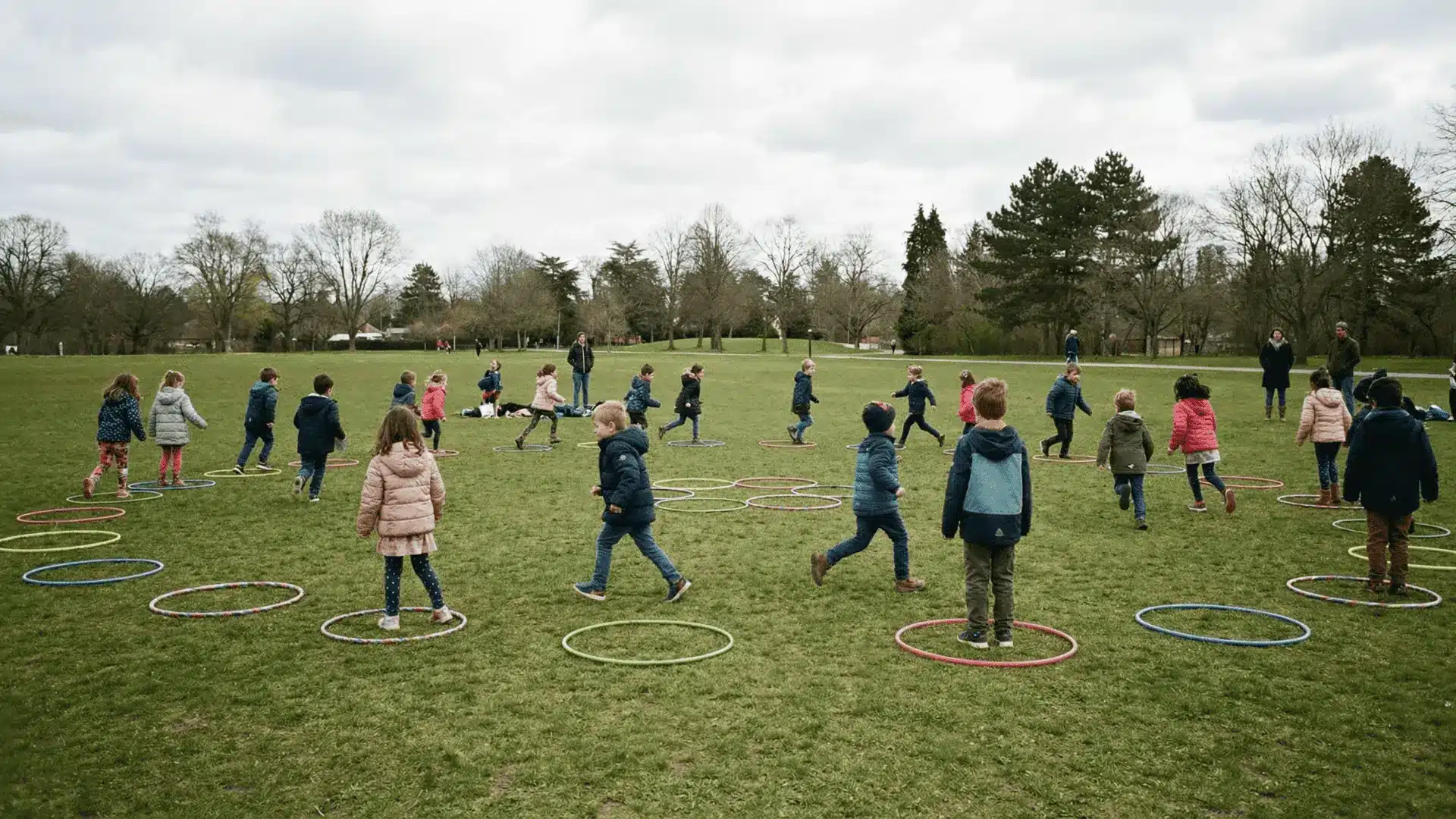
Place a few hoops or mark safe spots across the area. These act as temporary safety zones.
Players run to avoid the tagger.
They can step into a hoop for safety, but only for a few seconds. After that, they must move again. The game ends when only one player remains untagged or after a set time.
This works because it adds strategy, not just running. It fails when kids crowd inside safe zones. Fix this by limiting how long they can stay inside.
4. Red Light, Green Light
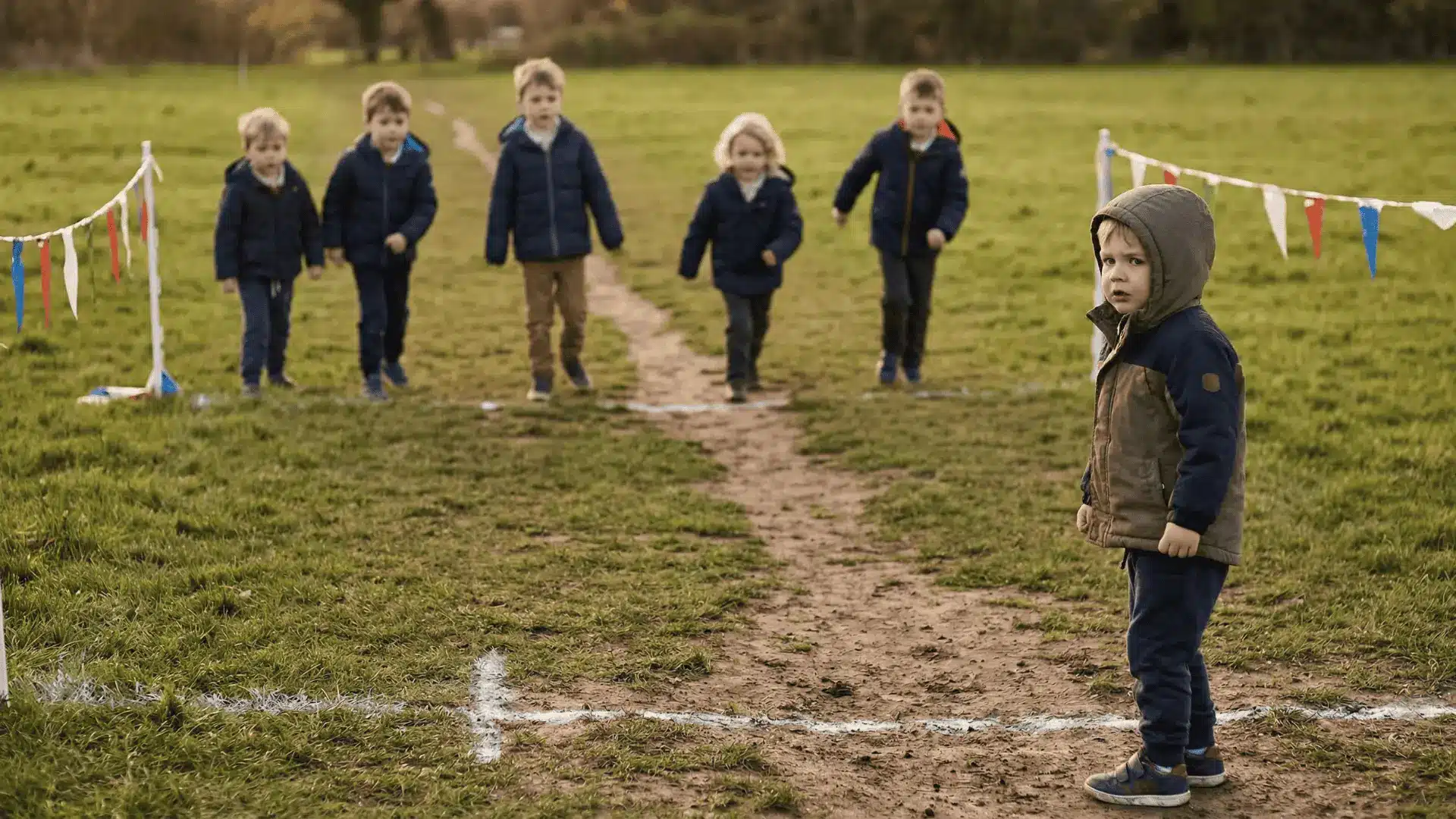
Mark a clear start and finish line. One player stands at the front and gives commands.
Players move forward on “green light” and must freeze on “red light.” If caught moving, they go back to the start or a checkpoint. The game ends when one player reaches the front.
This works because it combines movement with control and listening. It fails when kids cheat or move early. Fix this by resetting them immediately so rules stay strict.
5. Balloon Pop Run
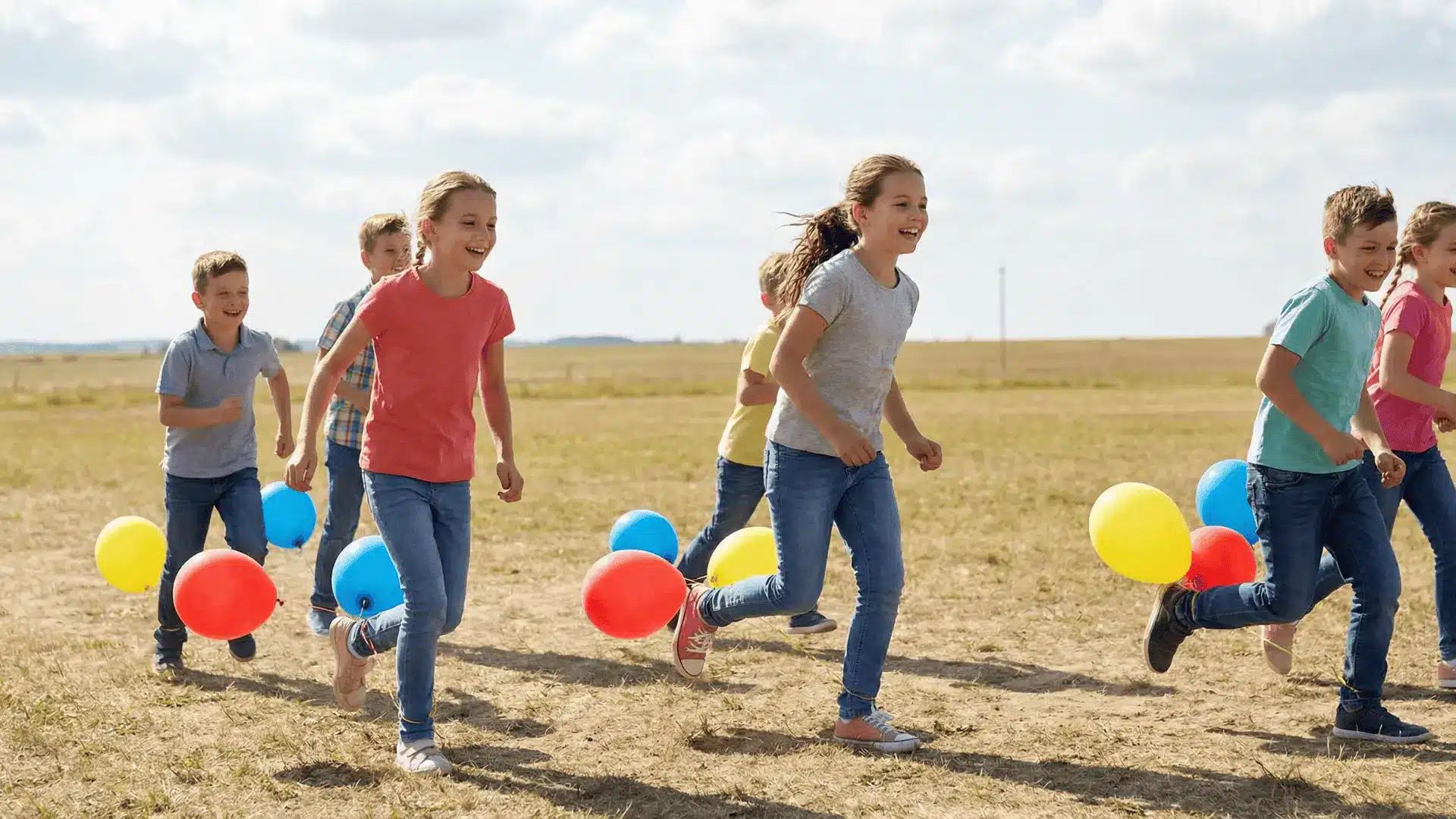
Tie one balloon to each player’s ankle using a string. Make sure the space is clear and safe for running.
Players move around trying to pop others’ balloons while protecting their own. The game ends when only one player has an un-popped balloon.
This works because it mixes attack and defense. It fails when play becomes rough. Fix this by setting strict no-pushing and no-grabbing rules before starting.
6. Sharks and Minnows
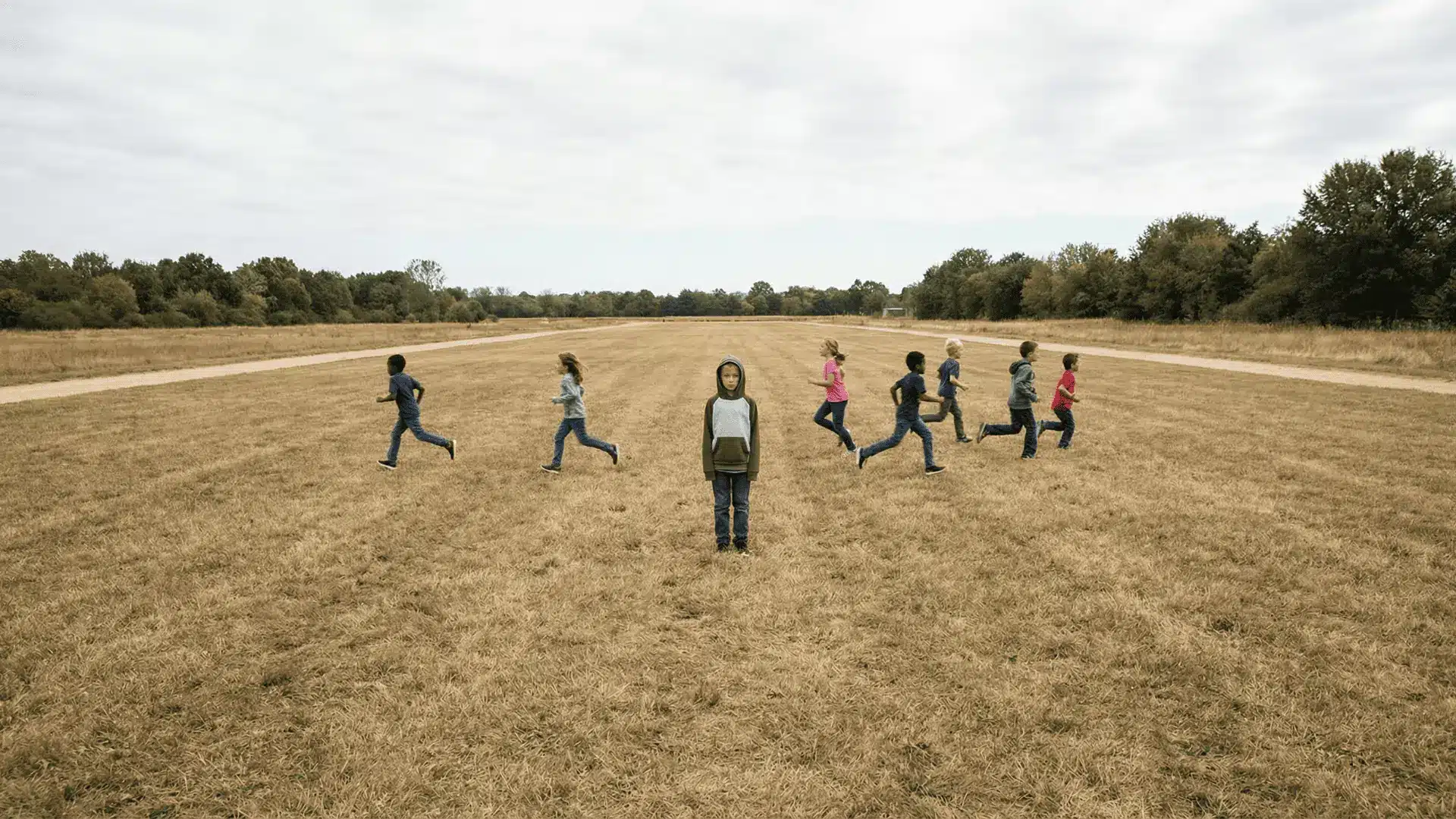
Choose one shark and place them in the middle. The rest are minnows standing on one side.
Minnows must run across to the other side without getting tagged. If tagged, they become sharks. The game ends when only one minnow remains.
This works because each round becomes harder as more sharks join. It fails when too many sharks appear too quickly. Fix this by restarting roles or limiting how many can tag at once.
7. Relay Race Variations
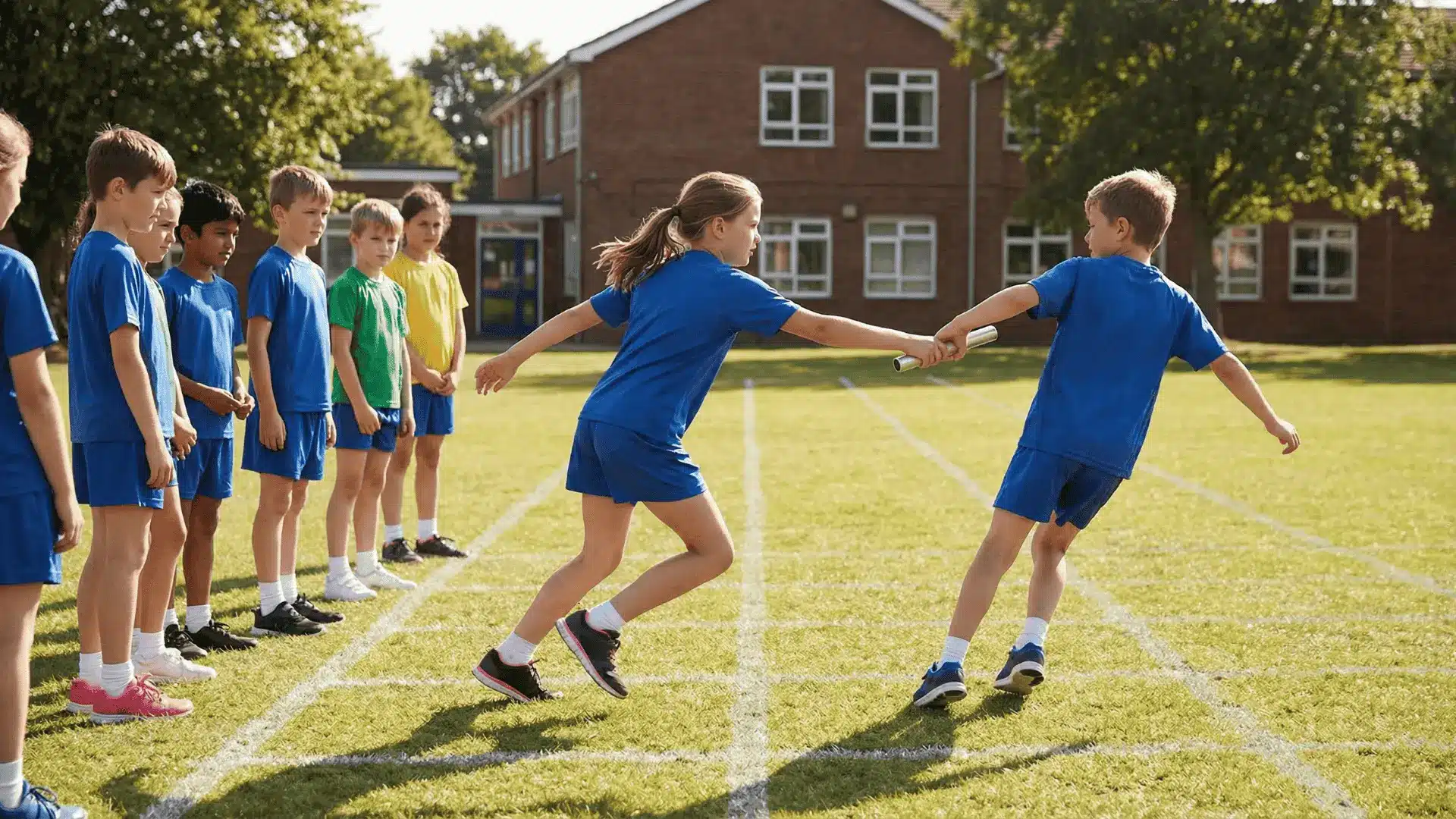
Divide players into equal teams and set a clear path or distance.
Each player completes a task like running, hopping, or carrying an object, then tags the next teammate. The game ends when one team completes all turns first.
This works because it keeps everyone involved in turns. It fails when teams are uneven or tasks are too slow. Fix this by balancing teams and keeping tasks short.
Team-Based Games
These games focus on teamwork and coordination. They help kids work together instead of playing individually.
8. Cup Stacking Challenge
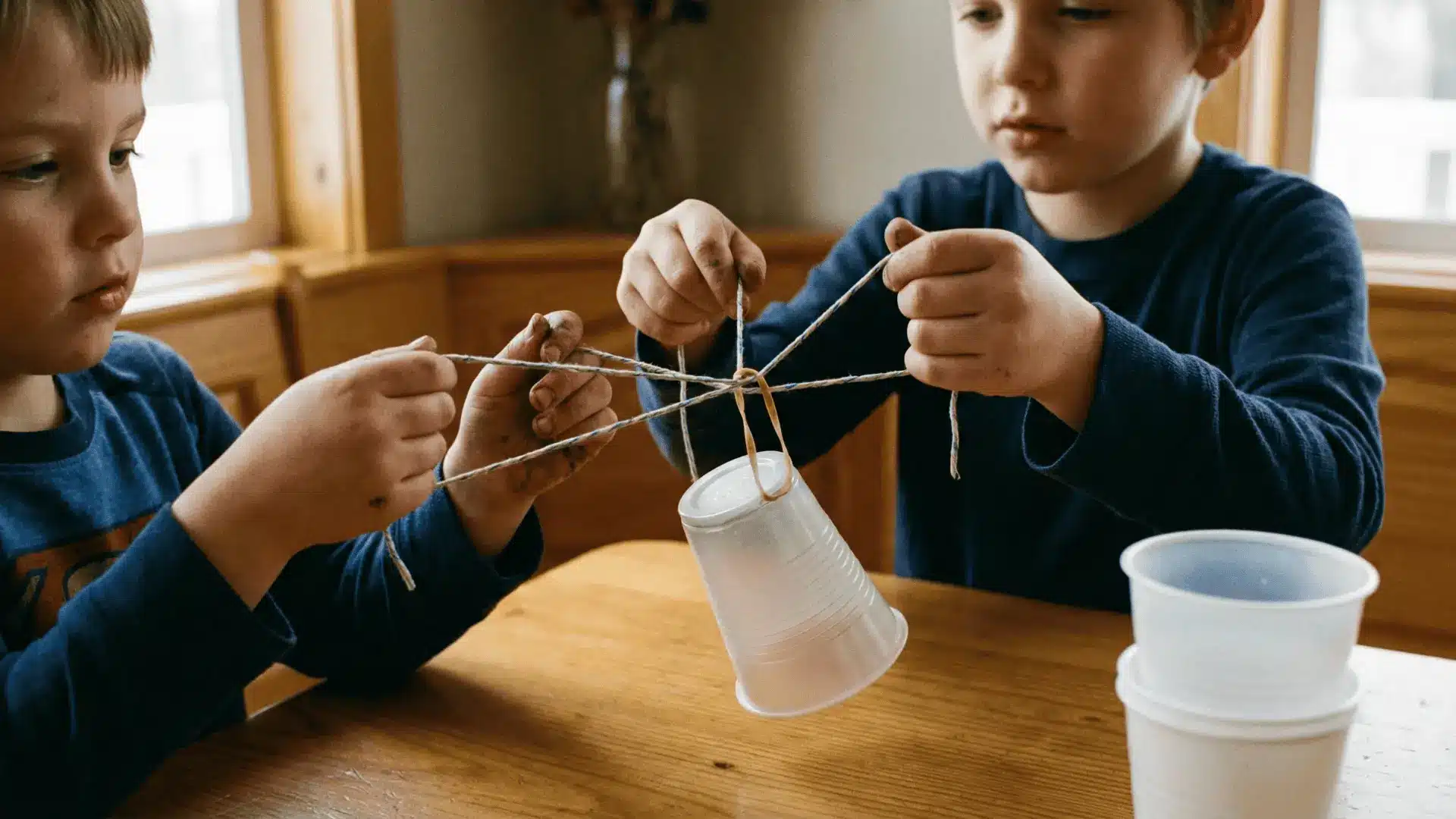
Give each team cups, a rubber band, and strings attached to it.
Players hold the strings and work together to stretch the rubber band, grab cups, and stack them without using hands. The game ends when one team completes the stack first.
This works because it forces teamwork and communication. It fails when one player takes control. Fix this by assigning roles so everyone participates.
9. Spaghetti Tower
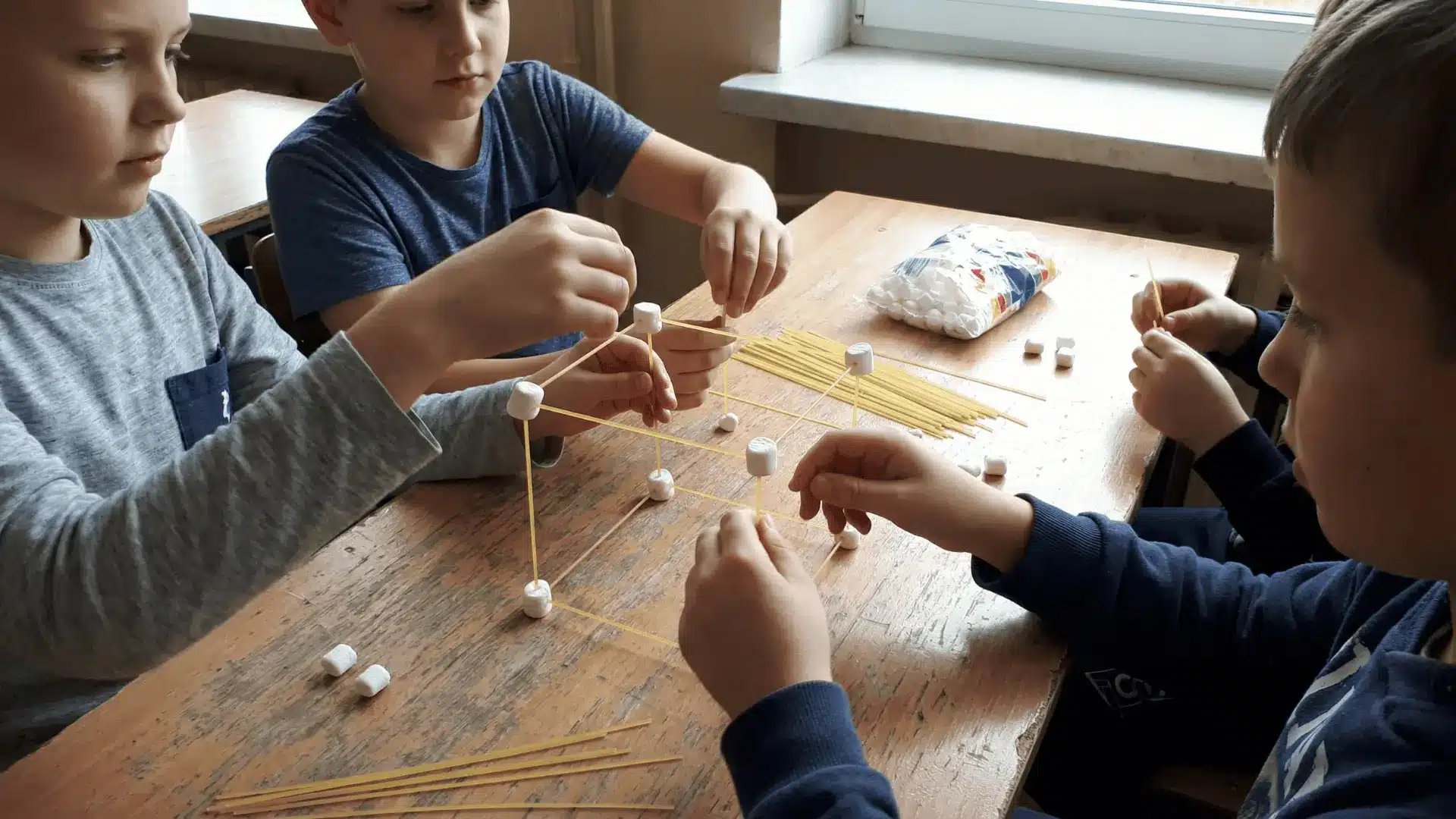
Give each team spaghetti sticks and marshmallows along with a flat surface.
Teams build the tallest structure within a set time using only these materials. The game ends when time runs out and the tallest stable tower wins.
This works because it pushes problem-solving under pressure. It fails when structures collapse repeatedly. Fix this by allowing quick rebuilds instead of stopping the round.
10. Tug Of War
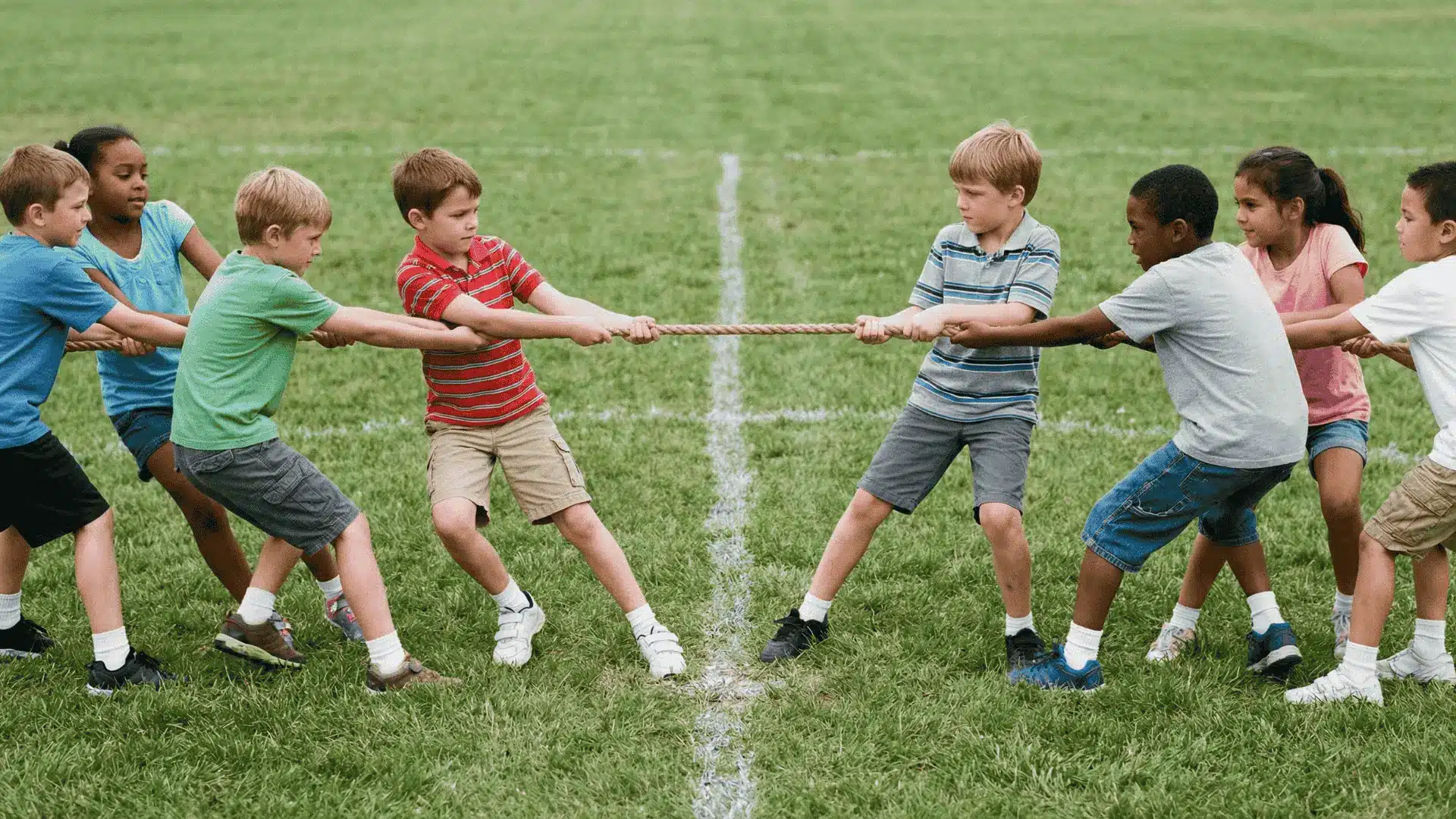
Divide players into two balanced teams and mark a center line with a rope in between.
Teams pull in opposite directions to drag the other side across the line. The game ends when one team crosses the mark.
This works because it is simple and competitive. It fails when teams are uneven in strength. Fix this by redistributing players before starting.
11. Blindfold Build
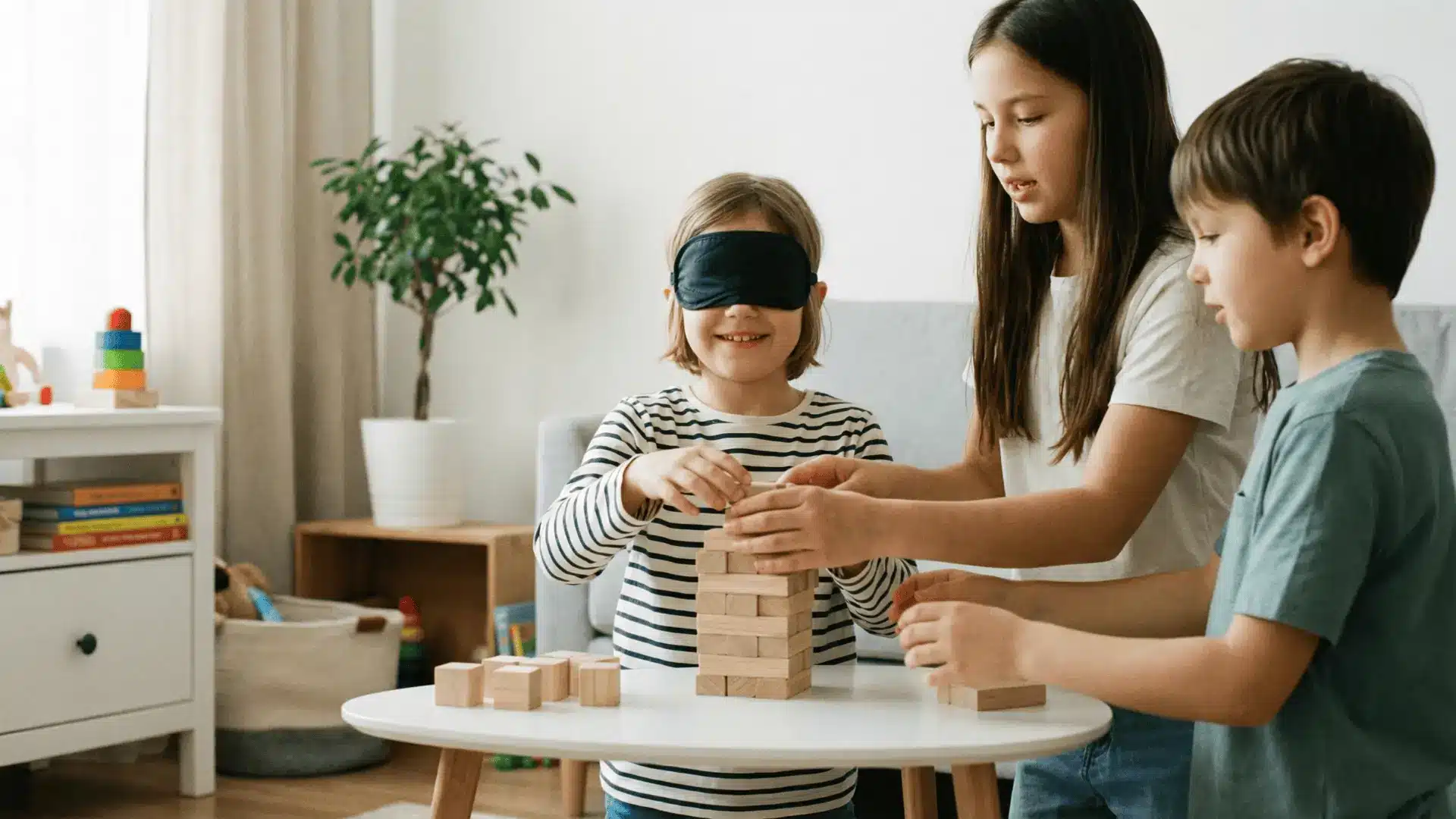
Each team selects one player to be blindfolded and gives them basic building items.
Teammates guide the blindfolded player using only verbal instructions to complete a structure or shape. The game ends when time is up or the best build is judged.
This works because it builds communication and trust. It fails when too many people give instructions at once. Fix this by allowing only one speaker per team.
12. Alligator Swamp
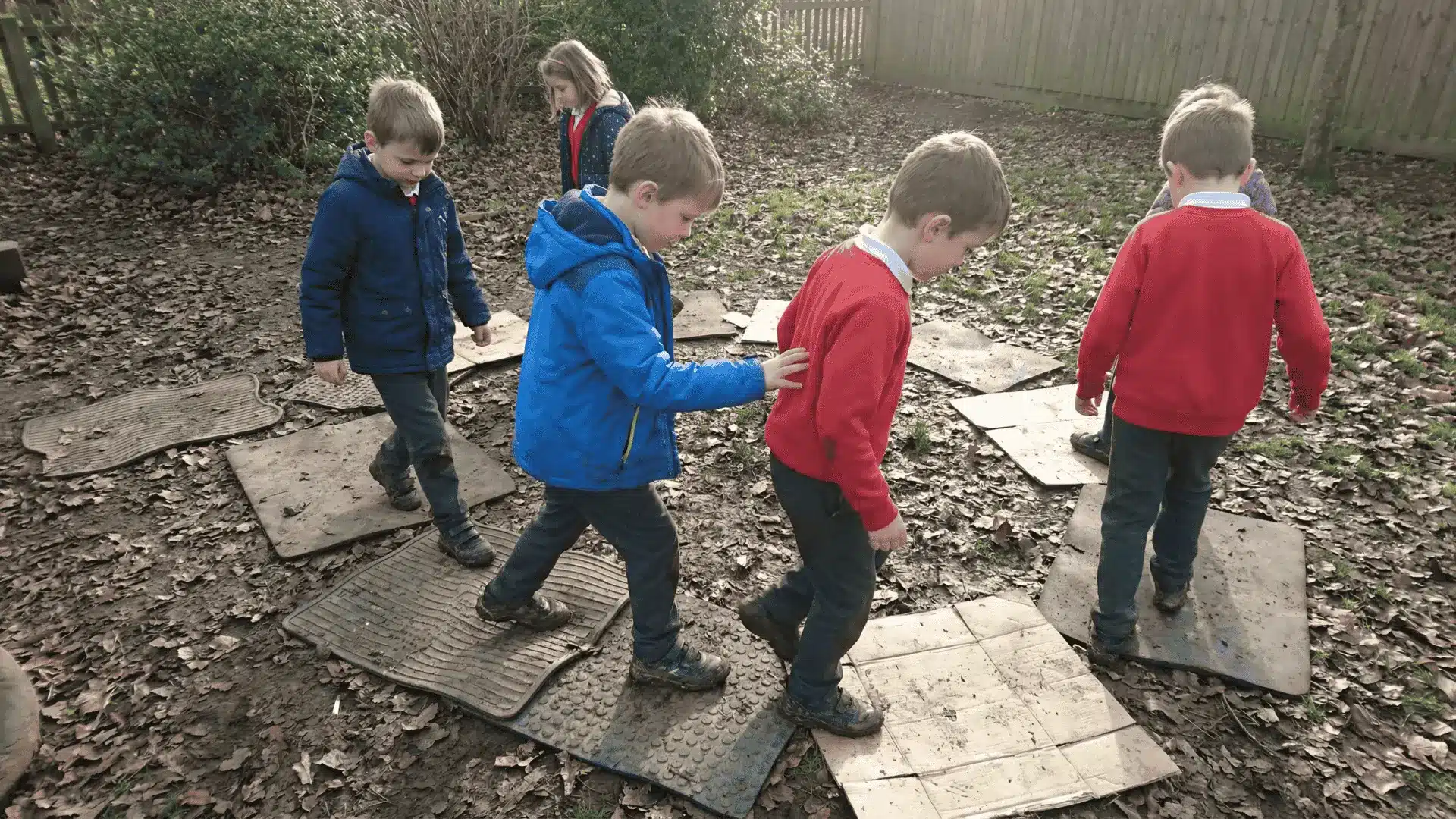
Mark an area as the “swamp” and give each team a few safe objects like mats or papers.
Teams must move across without touching the floor, using only those objects. The game ends when a team successfully reaches the other side.
This works because it requires planning and coordination. It fails when teams get stuck with no moves left. Fix this by allowing one extra object or reset.
13. Team Ball Pass
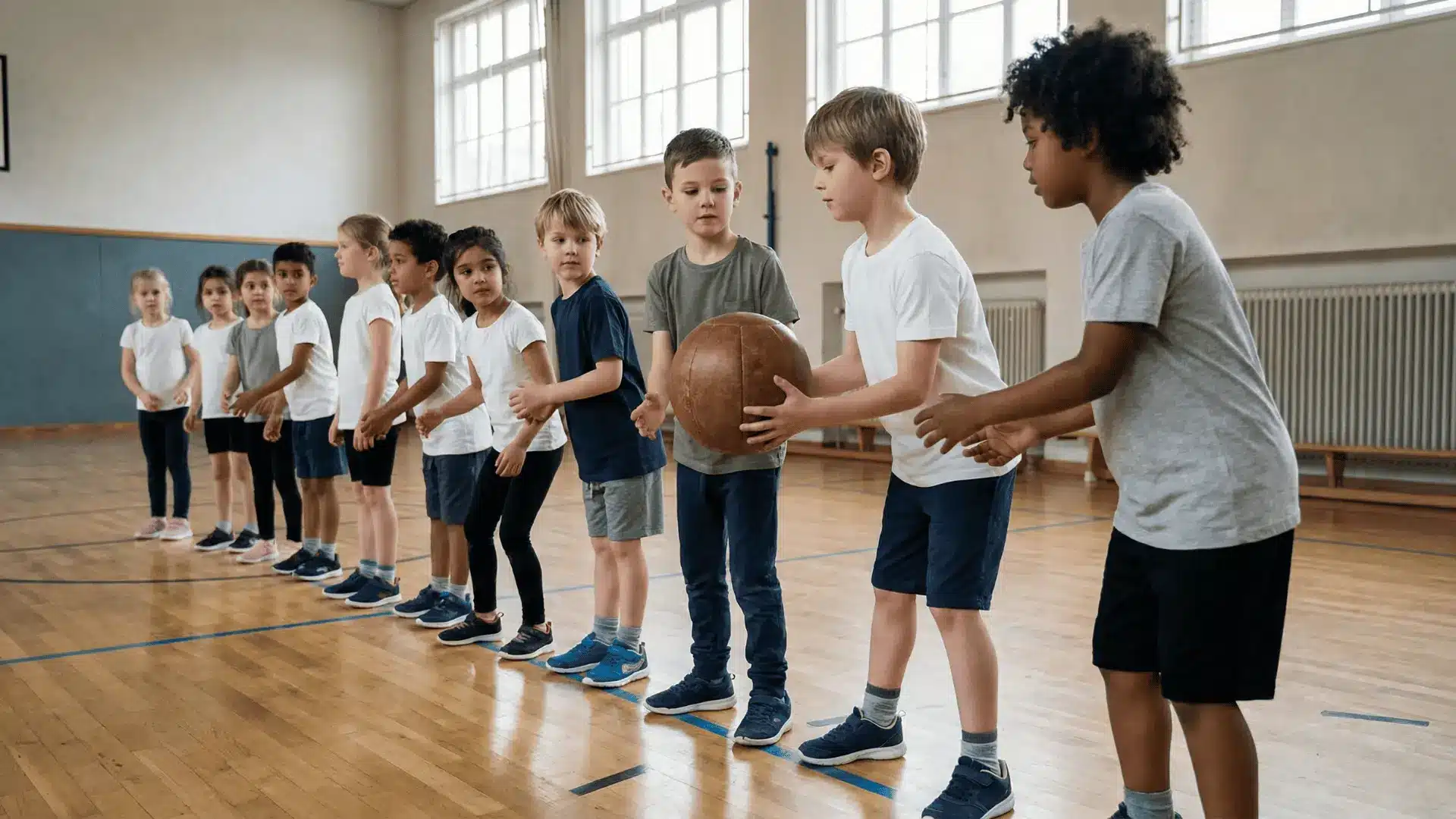
Divide players into teams and give each team a ball with a passing rule such as no hands or specific positions.
Players pass the ball across all teammates following the rule. The game ends when one team completes the sequence first.
This works because it builds coordination across the group. It fails when drops slow the pace. Fix this by simplifying the rule or restarting quickly.
14. Capture The Flag (Simple Version)
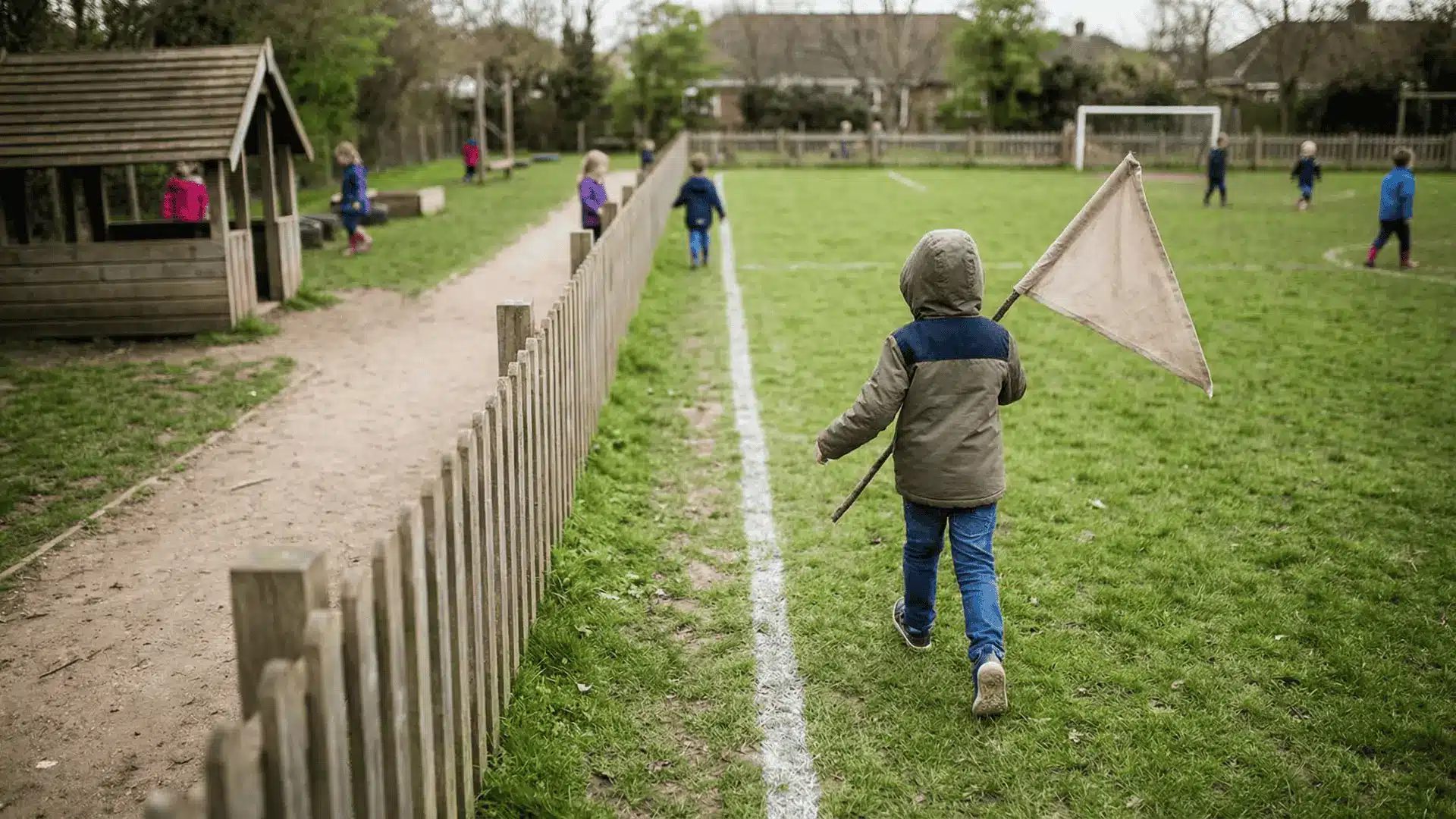
Split the area into two zones and place a flag in each. Divide players into two teams.
Players enter the opposite zone, grab the flag, and return without getting tagged. The game ends when a team captures the flag successfully.
This works because it combines strategy and movement. It fails when rules are unclear. Fix this by keeping boundaries and tagging rules simple.
Indoor Games
These games are easy to run in limited space. They focus more on control, listening, and quick reactions.
15. The Floor Is Lava
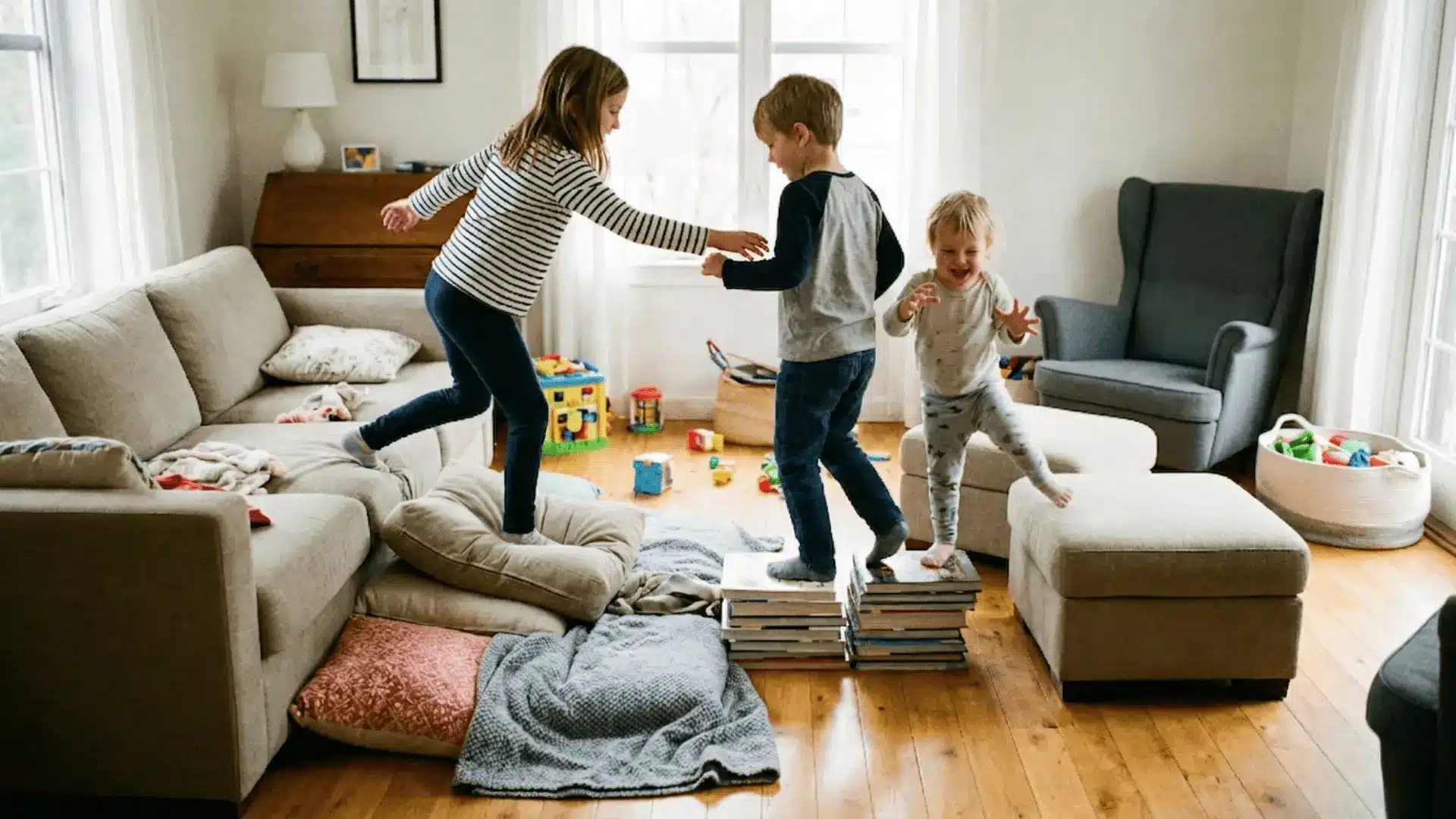
Place cushions, mats, or objects around the room as safe spots.
Players must move across the space without touching the floor by stepping only on these objects. The game ends when all players reach the other side or after timed rounds.
This works because it mixes movement with imagination. It fails when space is too tight. Fix this by rotating players or reducing group size.
16. Cold Wind Blows
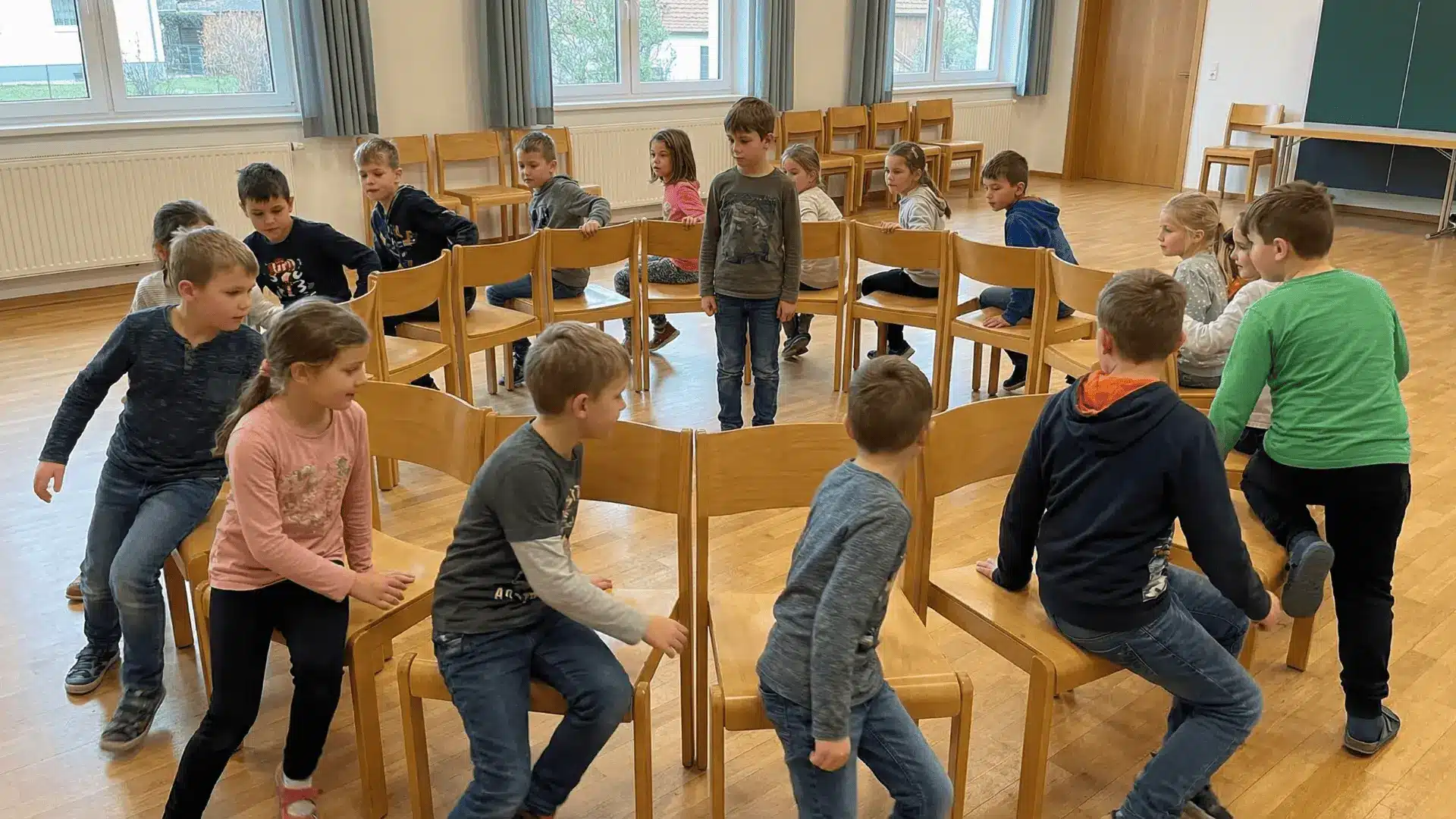
Arrange chairs in a circle with one less chair than players. One player stands in the center and calls out a trait. Players matching that trait must switch seats.
The game continues in rounds with a new center player each time.
This works because it keeps everyone alert and moving. It fails when players rush and collide. Fix this by controlling speed and spacing.
17. Look At Me Game
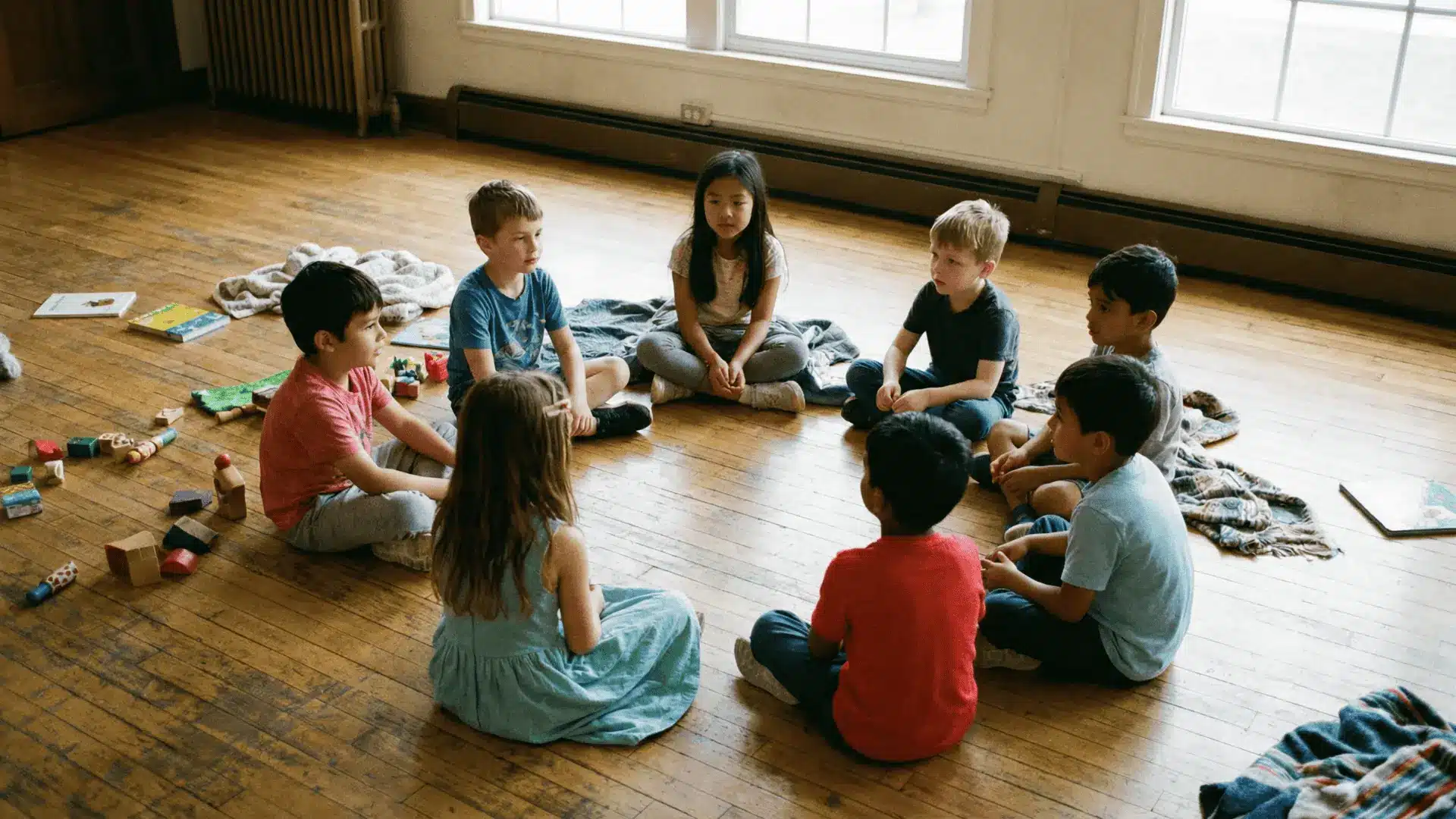
Have players sit or stand in a circle facing inward. On a signal, players look at someone in the circle.
If two players make eye contact, they are out. The game ends when only one player remains.
This works because it creates quick reactions and fun tension. It fails when rounds feel slow. Fix this by speeding up signals.
18. Musical Chairs
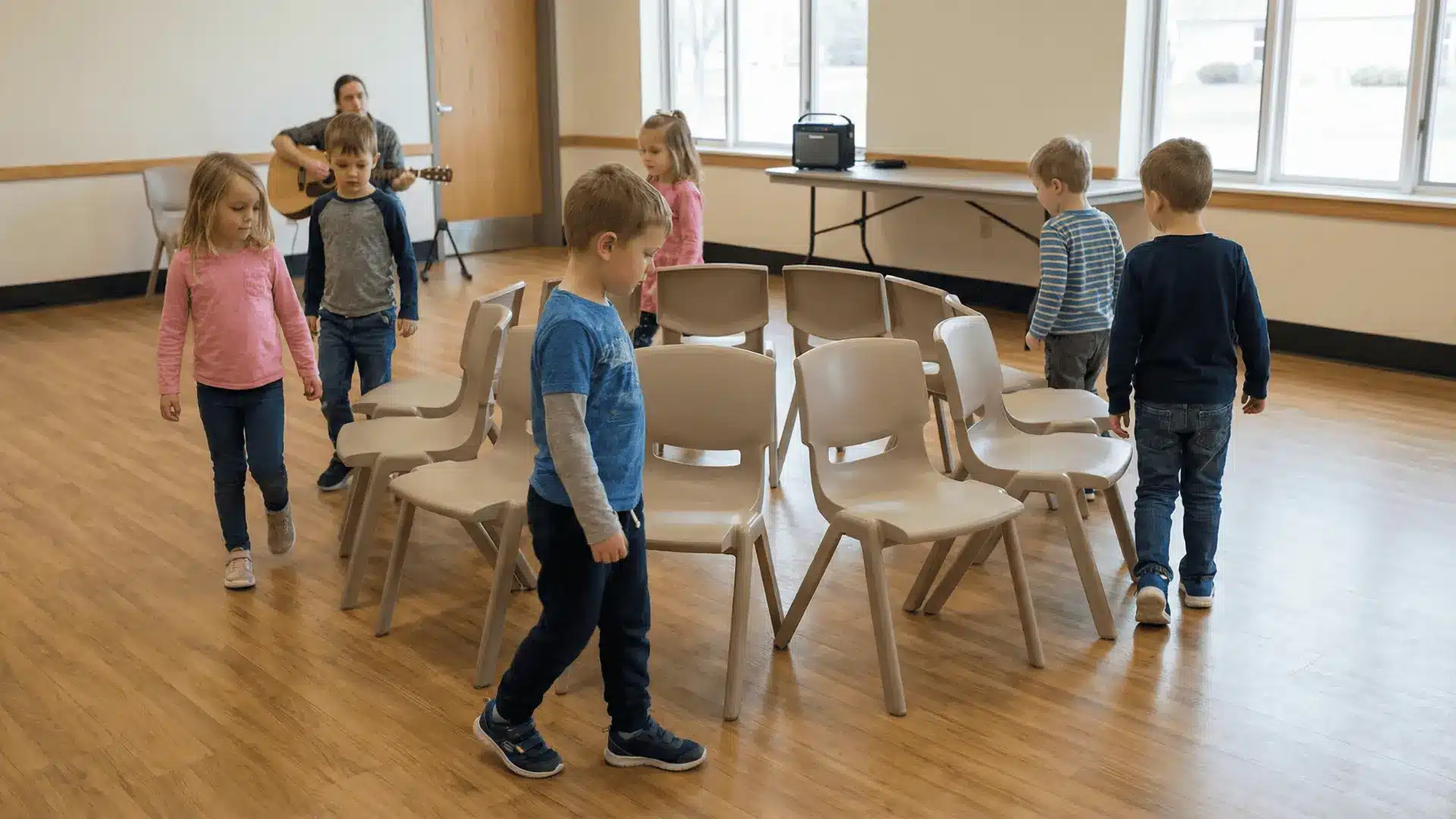
Place chairs in a circle with one fewer chair than players and play music.
Players walk around the chairs while music plays and sit when it stops. One player is left out each round. The game ends when one player remains.
This works because it is simple and fast-paced. It fails when pushing happens. Fix this by setting a strict no-contact rule.
19. Pass The Parcel
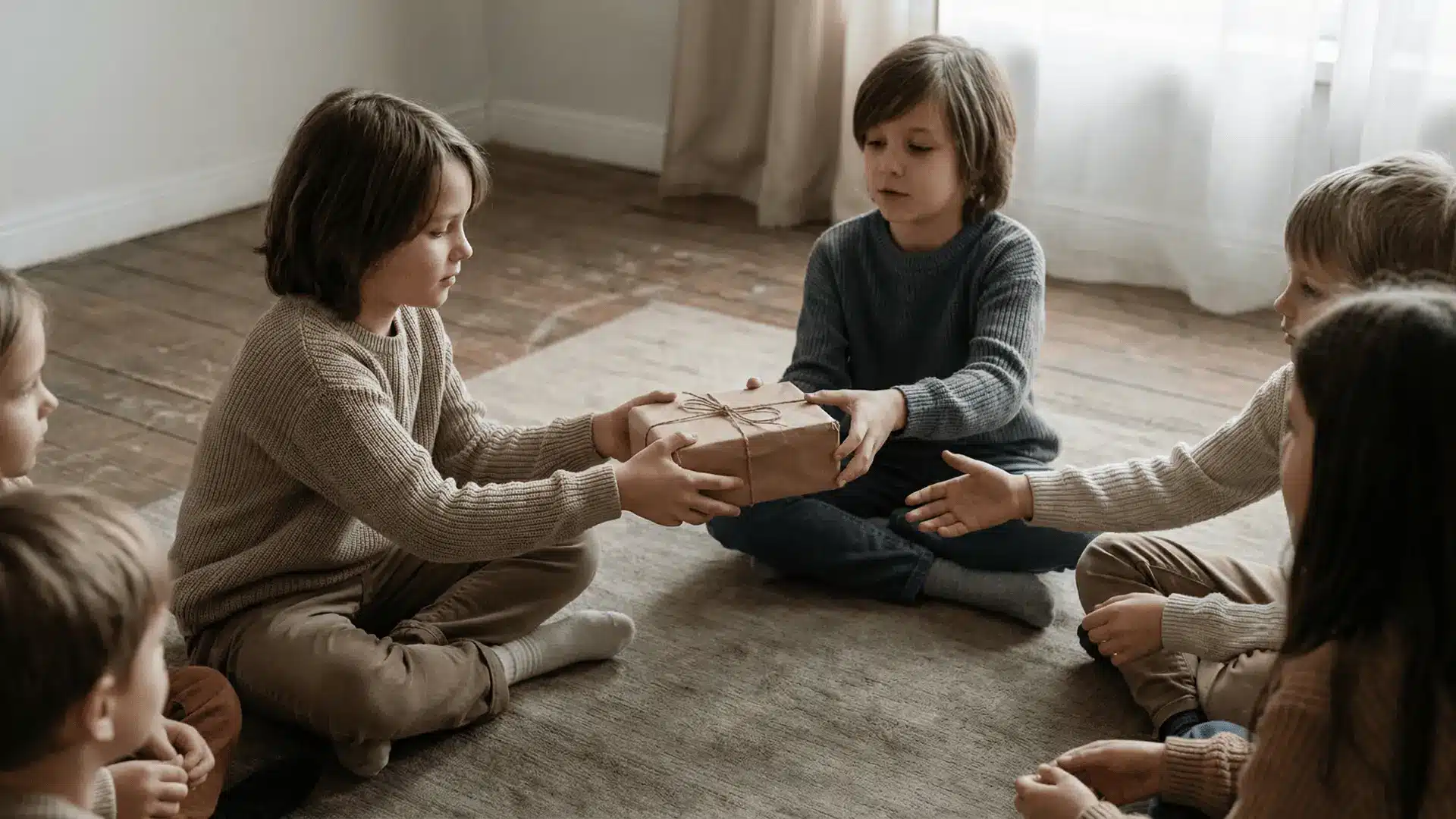
Wrap a small item in multiple layers and play music. Players pass the parcel around. When the music stops, the holder removes one layer. The game ends when the final layer is opened and the prize is revealed.
This works because it builds anticipation. It fails when rounds drag. Fix this by reducing the number of layers.
20. Simon Says
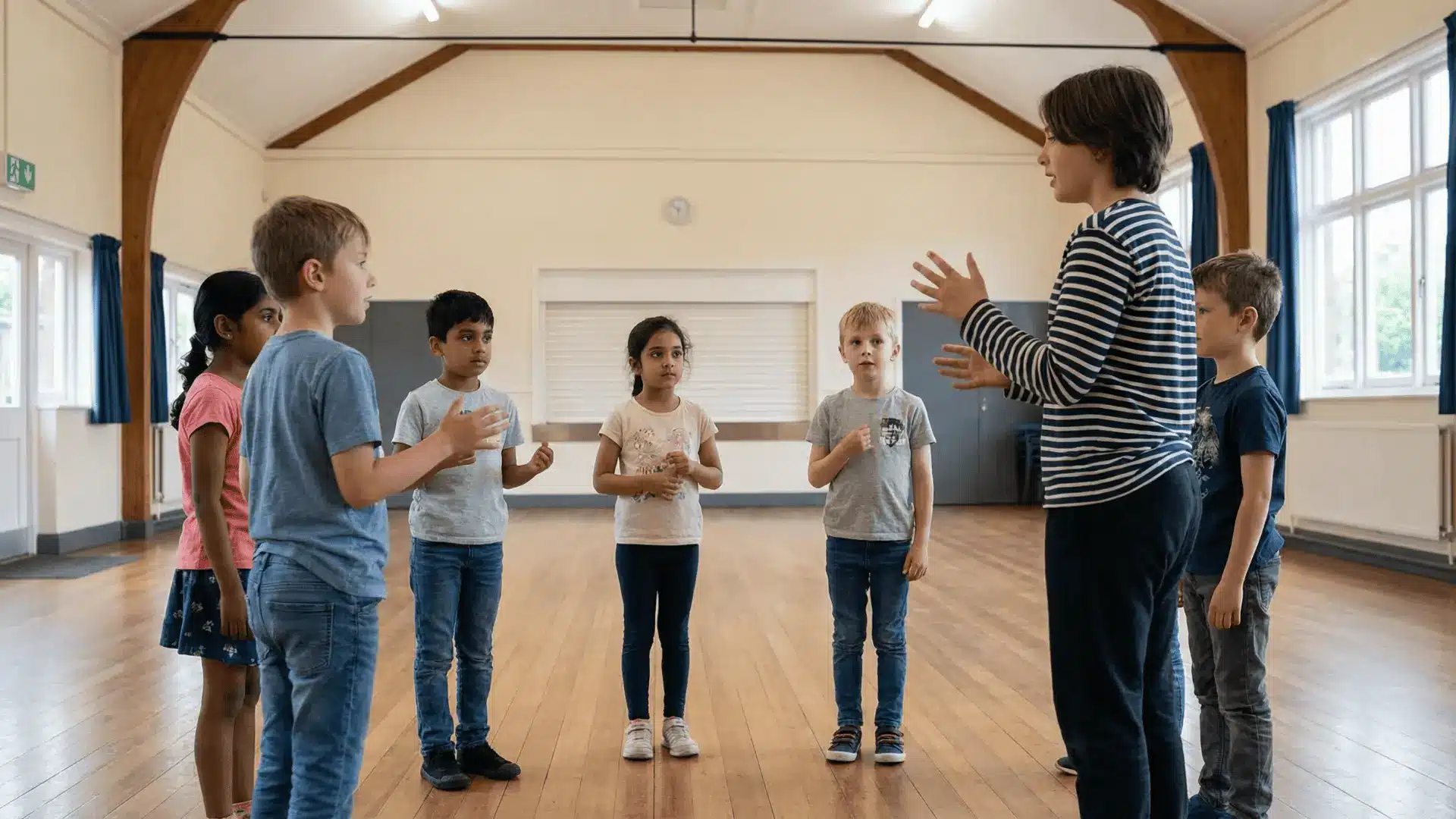
Choose one player as the leader. No setup is needed. Players follow commands only if they begin with “Simon says.” The game ends when one player remains or after several rounds.
This works because it tests listening and focus. It fails when commands become predictable. Fix this by mixing fast and tricky instructions.
21. Wink Murder
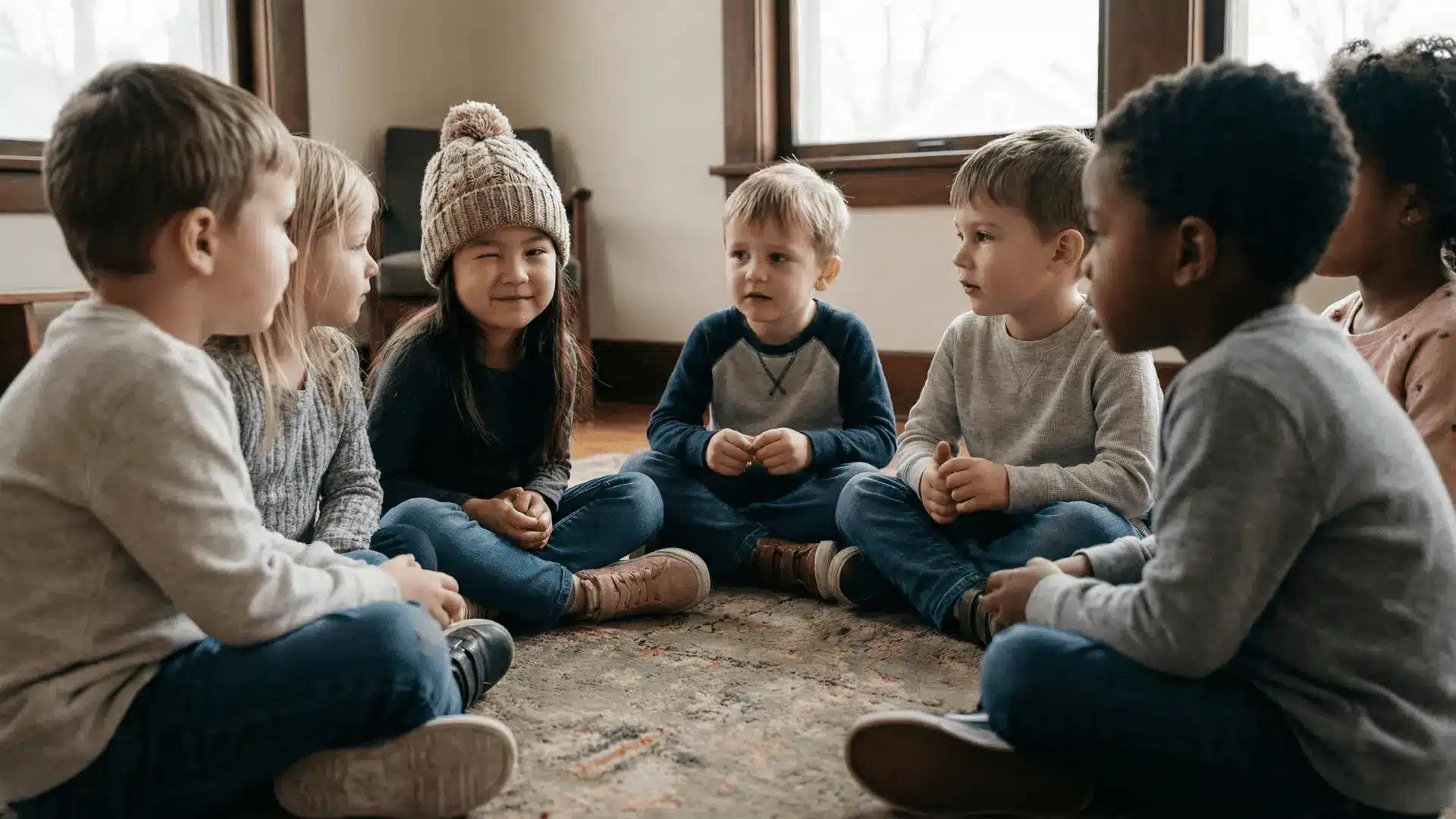
Assign one player secretly as the “murderer” and one as the detective.
The murderer eliminates players by winking without being noticed. The detective tries to identify them. The game ends when the murderer is caught or all players are out.
This works because it adds mystery and observation. It fails when roles are unclear. Fix this by explaining rules clearly before starting.
Large Group Games (10+ Kids)
These games are designed to handle bigger groups without leaving kids waiting or sitting out.
22. Mannequin Tag
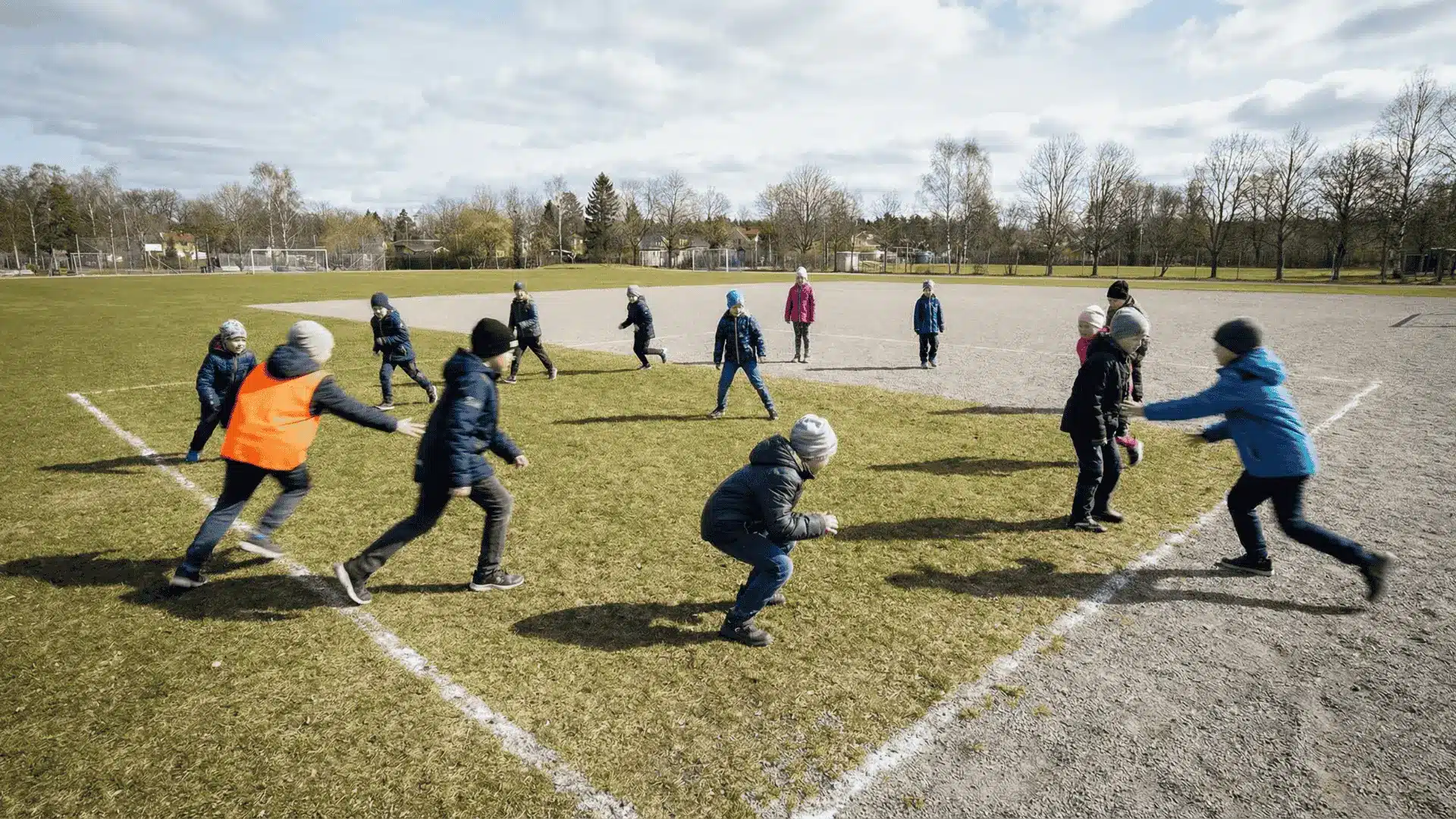
Mark a large play area and choose one or two taggers. When a player is tagged, they freeze like a mannequin.
Other players can free them by tagging them. The game ends after a set time or when most players are frozen.
This works because many players stay involved at once. It fails when too many players freeze. Fix this by adding more taggers or rescuers.
23. Fishbowl Game
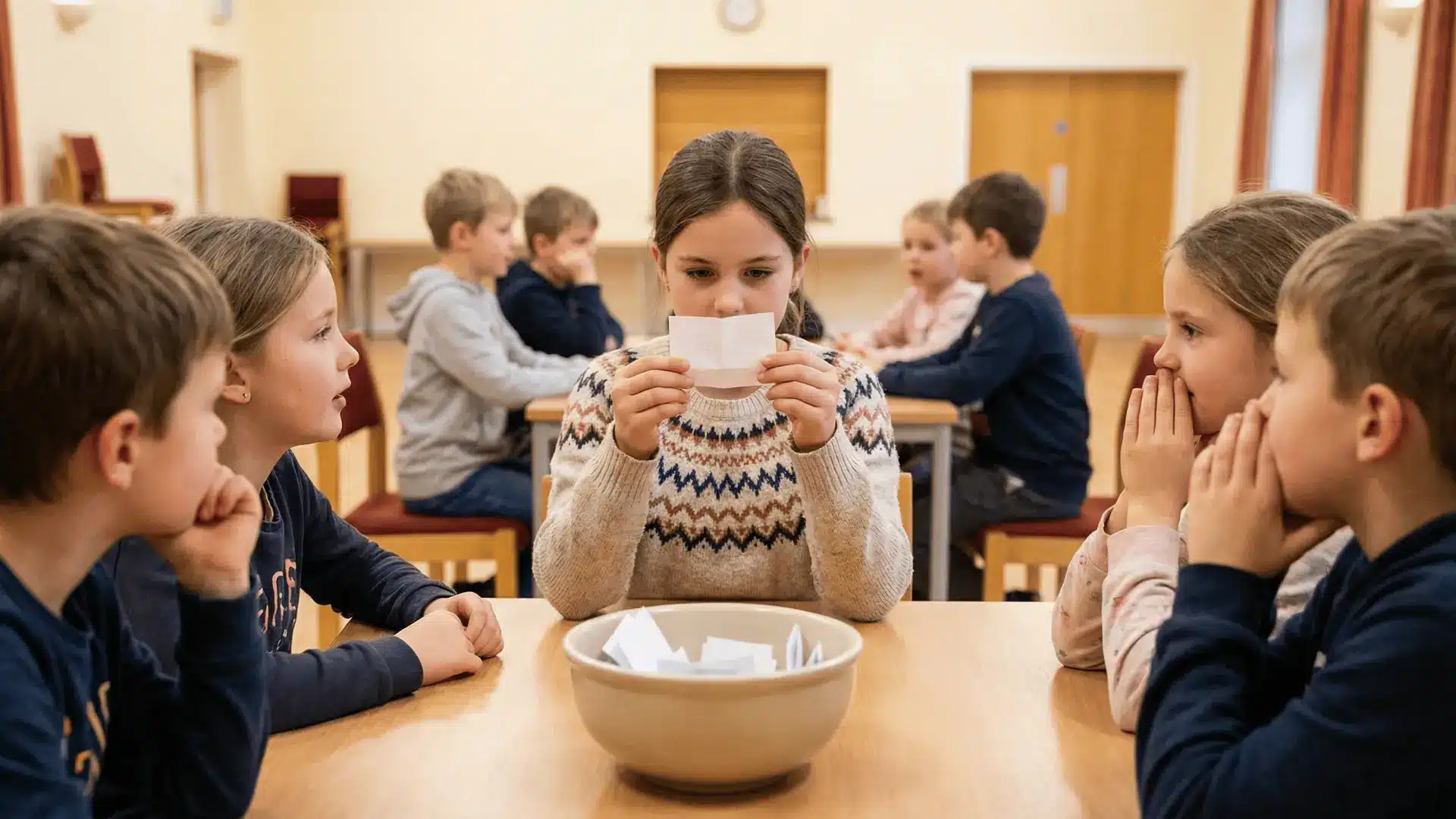
Write words on small slips and place them in a bowl. Divide players into teams.
Players take turns picking a word and helping teammates guess it through clues or actions. The game ends when all words are used, and the team with the most correct guesses wins.
This works because it mixes thinking and teamwork. It fails when rules are unclear. Fix this by explaining each round before starting.
24. Team Ball Race
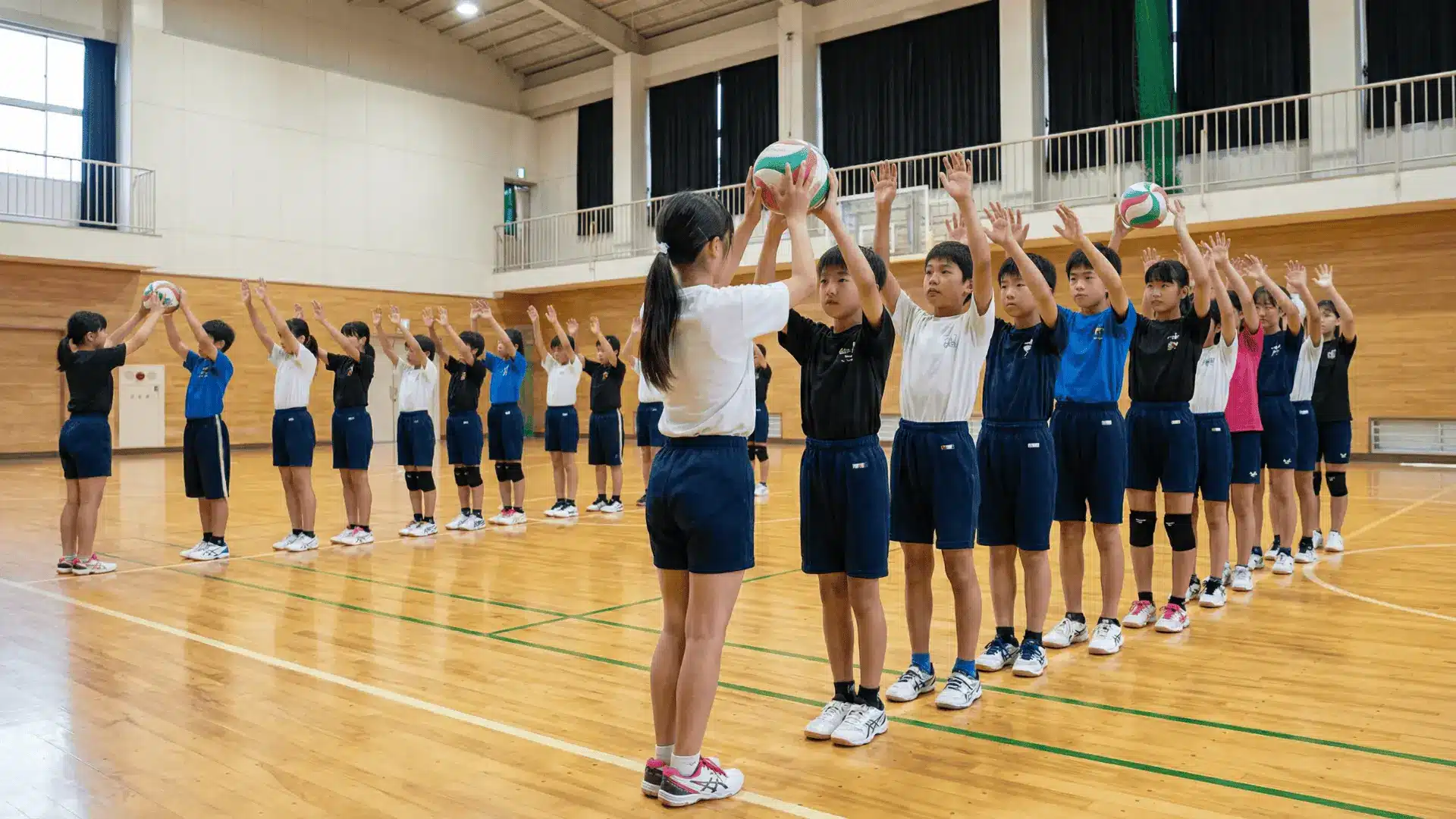
Divide players into teams and give each team a ball. Teams must pass the ball from one end to the other using a fixed rule like overhead or between legs.
The game ends when one team completes the sequence first. This works because it keeps everyone involved. It fails when teams are uneven. Fix this by balancing group sizes.
25. Sardines
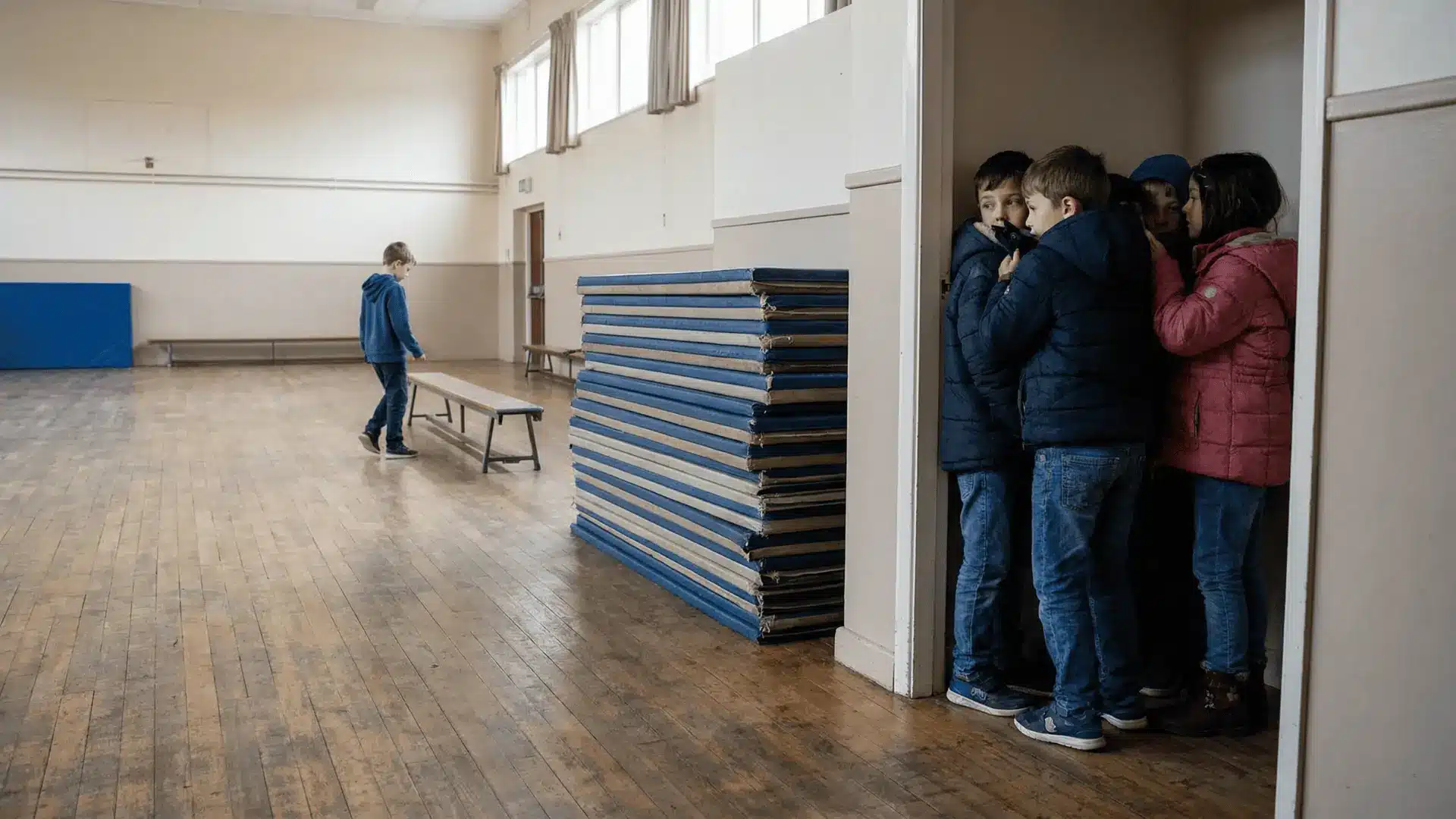
Define a large but controlled play area. One player hides while others count. Players search for the hidden person and quietly join them when found.
The game ends when the last player finds the group. This works because tension builds as space fills. It fails when the area is too big. Fix this by limiting boundaries.
26. Human Knot
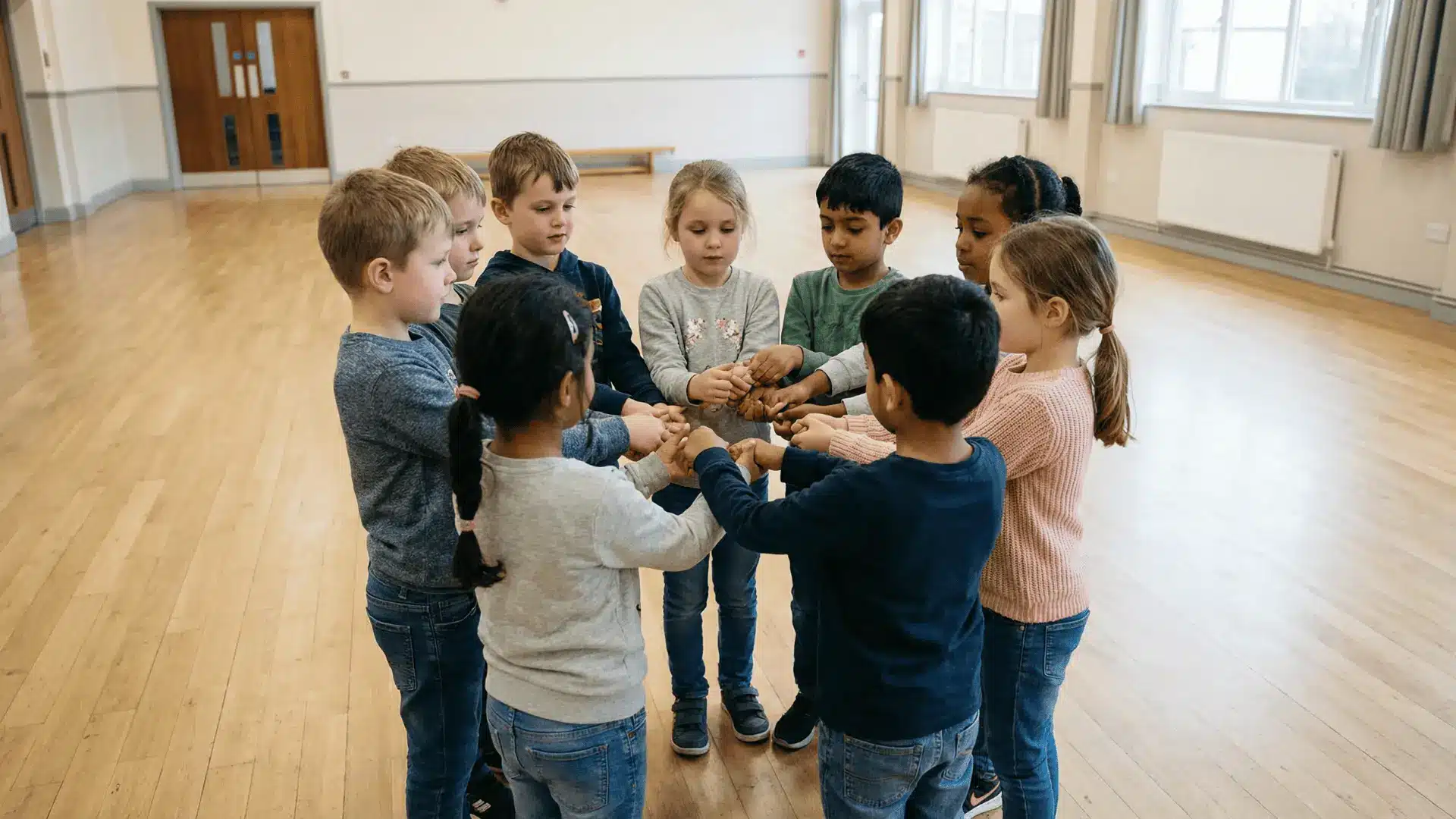
Have players stand in a circle and grab random hands from different people. The group must untangle themselves without letting go of hands.
The game ends when the knot is fully untangled. This works because it requires coordination and patience. It fails when it becomes too complex. Fix this by allowing one reset if needed.
27. Circle Dodgeball
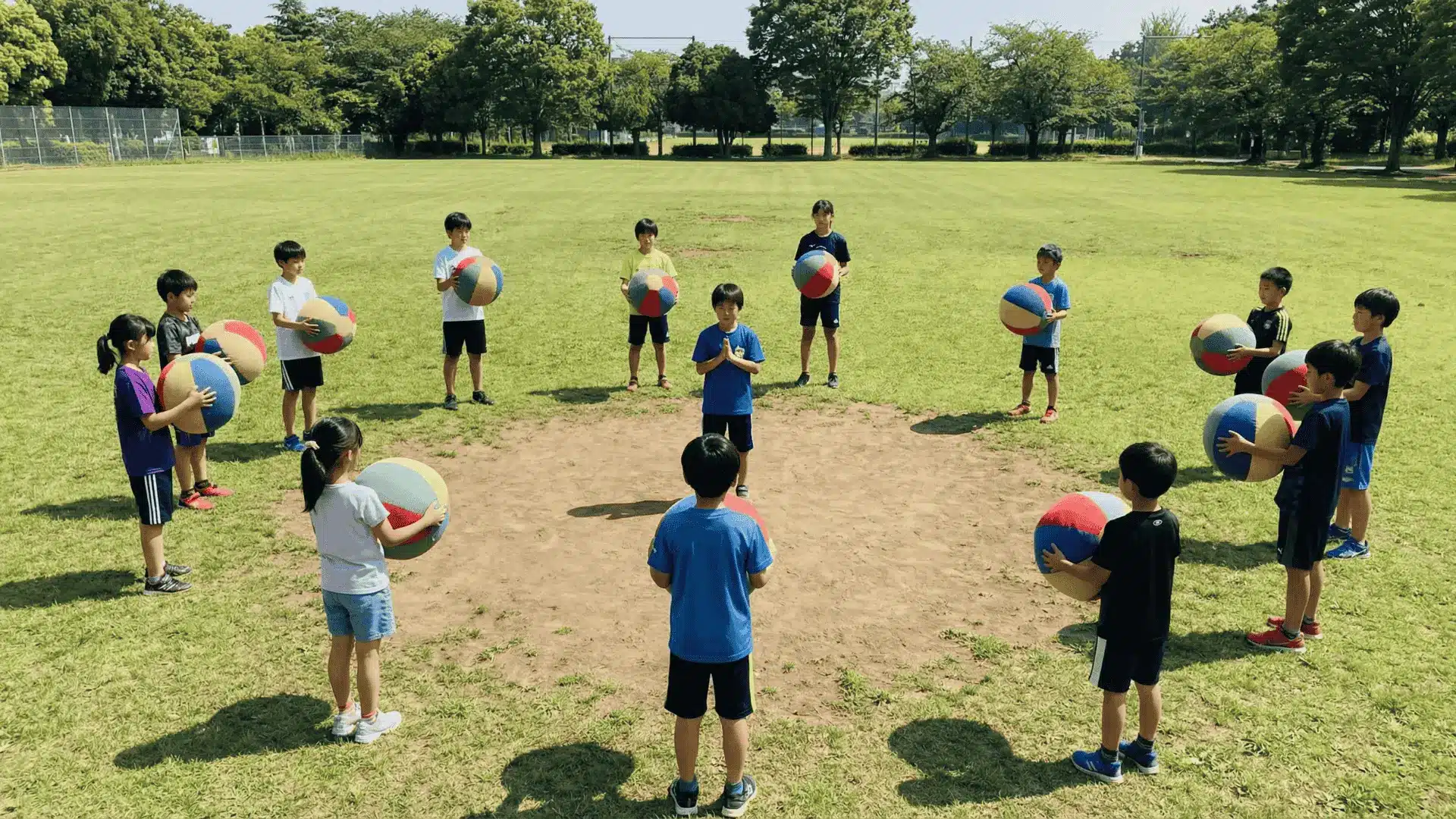
One player stands in the center while others form a circle around them with a soft ball. Players in the circle try to hit the center player below the waist. The game ends when the center player is hit or after a time limit.
This works because many players stay active. It fails when the game becomes too fast. Fix this by using softer throws and spacing.
28. Follow The Leader Race
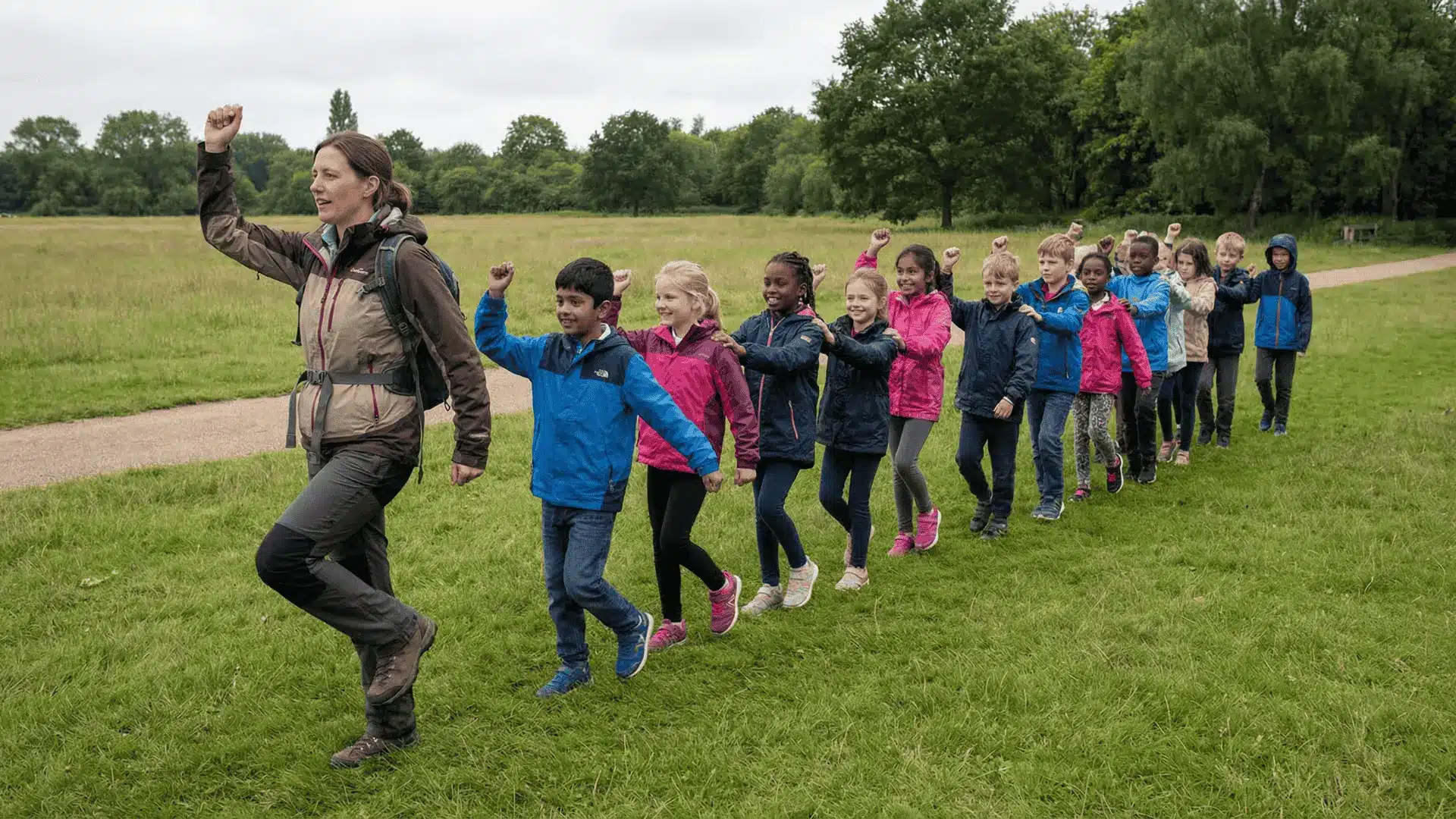
Players form a line behind a leader. Mark a path or space. The leader performs actions like jumping or turning, and everyone must copy.
The game ends when players fail to follow correctly or after timed rounds.
This works because it keeps the whole group moving together. It fails when it becomes repetitive. Fix this by rotating leaders often.
No-Equipment Games
These games need no setup or materials. You can start them anytime with just the group.
29. Four Corners
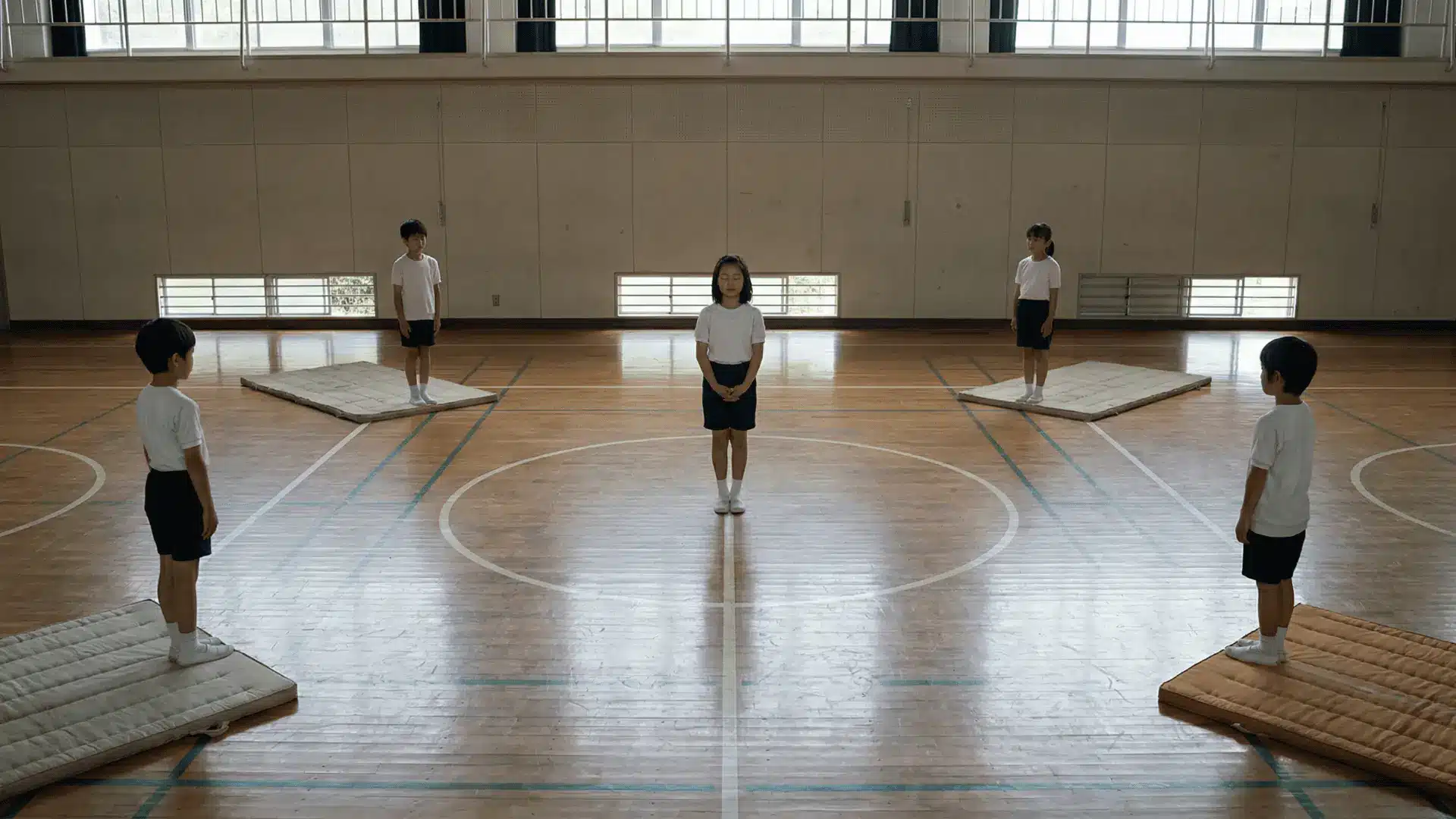
Mark four corners and choose one player to stand in the center with eyes closed. Other players pick a corner. The center player calls a number.
The center player calls out a corner number (1–4). Players in that corner are out. All players in that corner are out or switch roles depending on how you run it.
The game continues until only one player remains. This works because it builds suspense. Fix noise or late movement by enforcing strict rules.
30. Statue Game
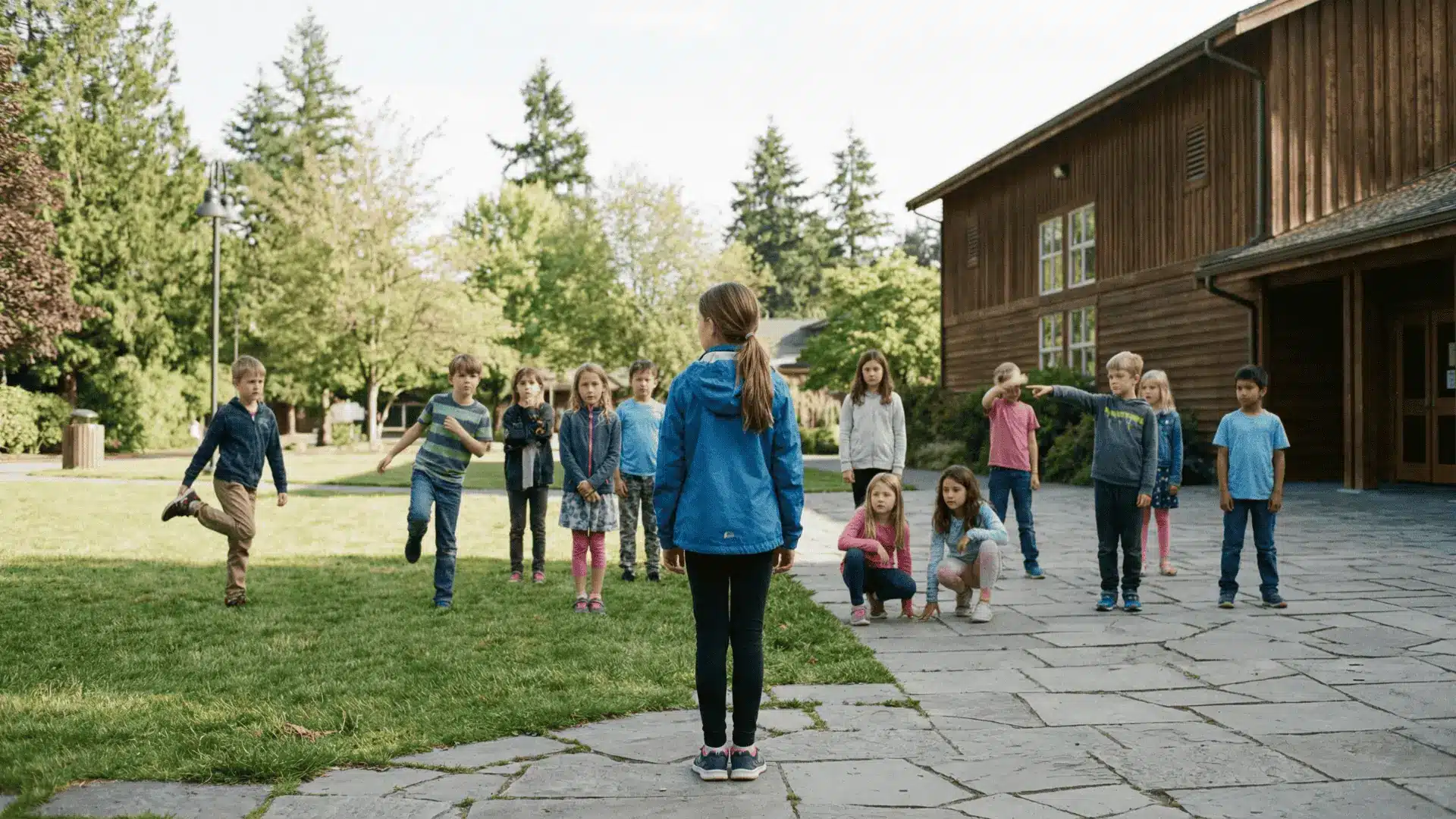
Use an open space with one leader. Players move freely until the leader calls “freeze.” Everyone must hold their position. Anyone who moves is out or does a quick task.
The game ends when one player remains or after rounds. This works because it combines movement with control. It fails when players don’t take it seriously. Fix this by enforcing quick consequences.
31. Clap And Change
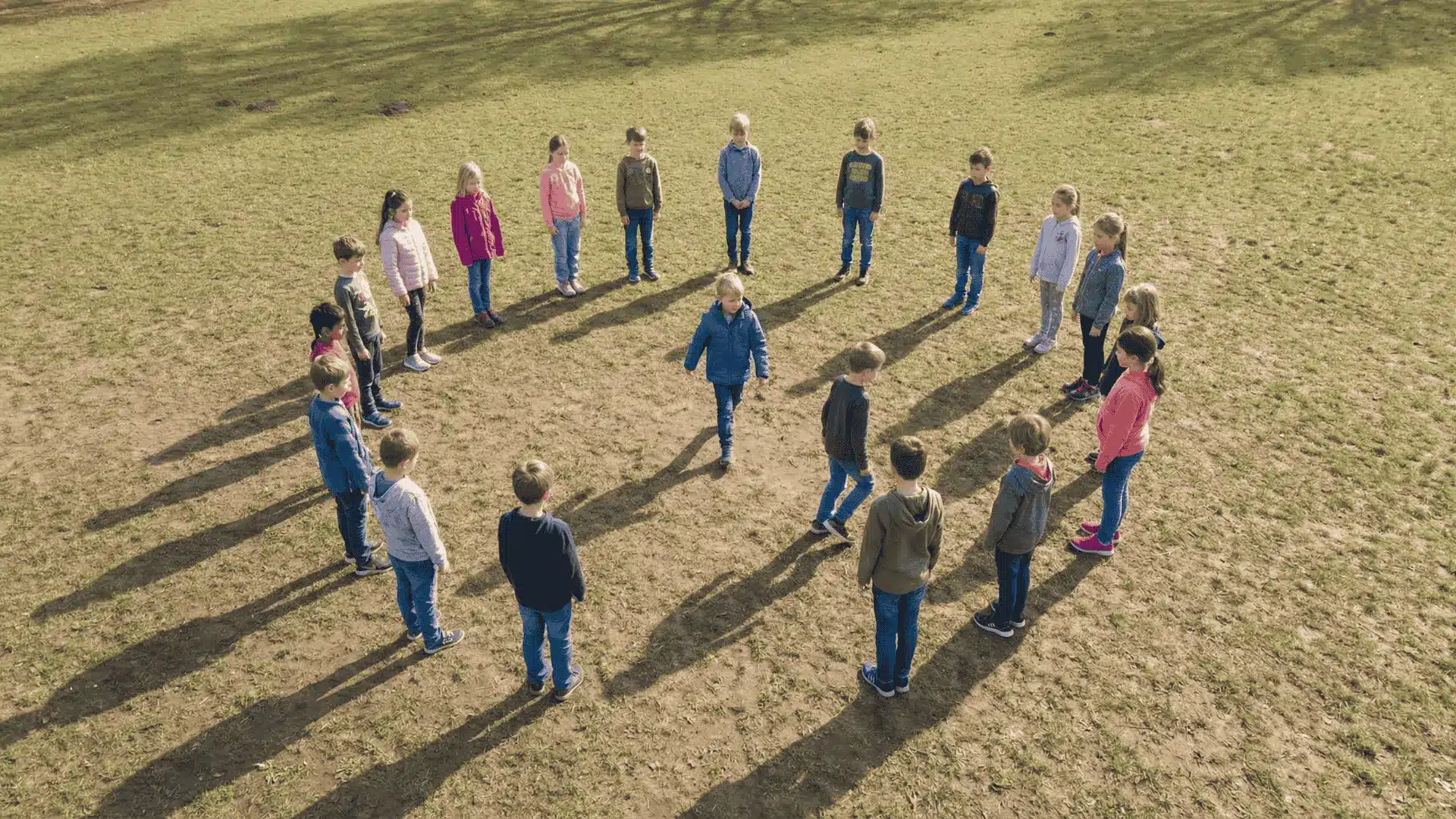
Have players stand in a circle. One player stands in the center. On a clap or signal, players must switch places while the center player tries to take a spot.
The game continues with a new center each round. This works because it keeps everyone alert. It fails when signals are unclear. Fix this by using consistent cues.
32. Numbers Game
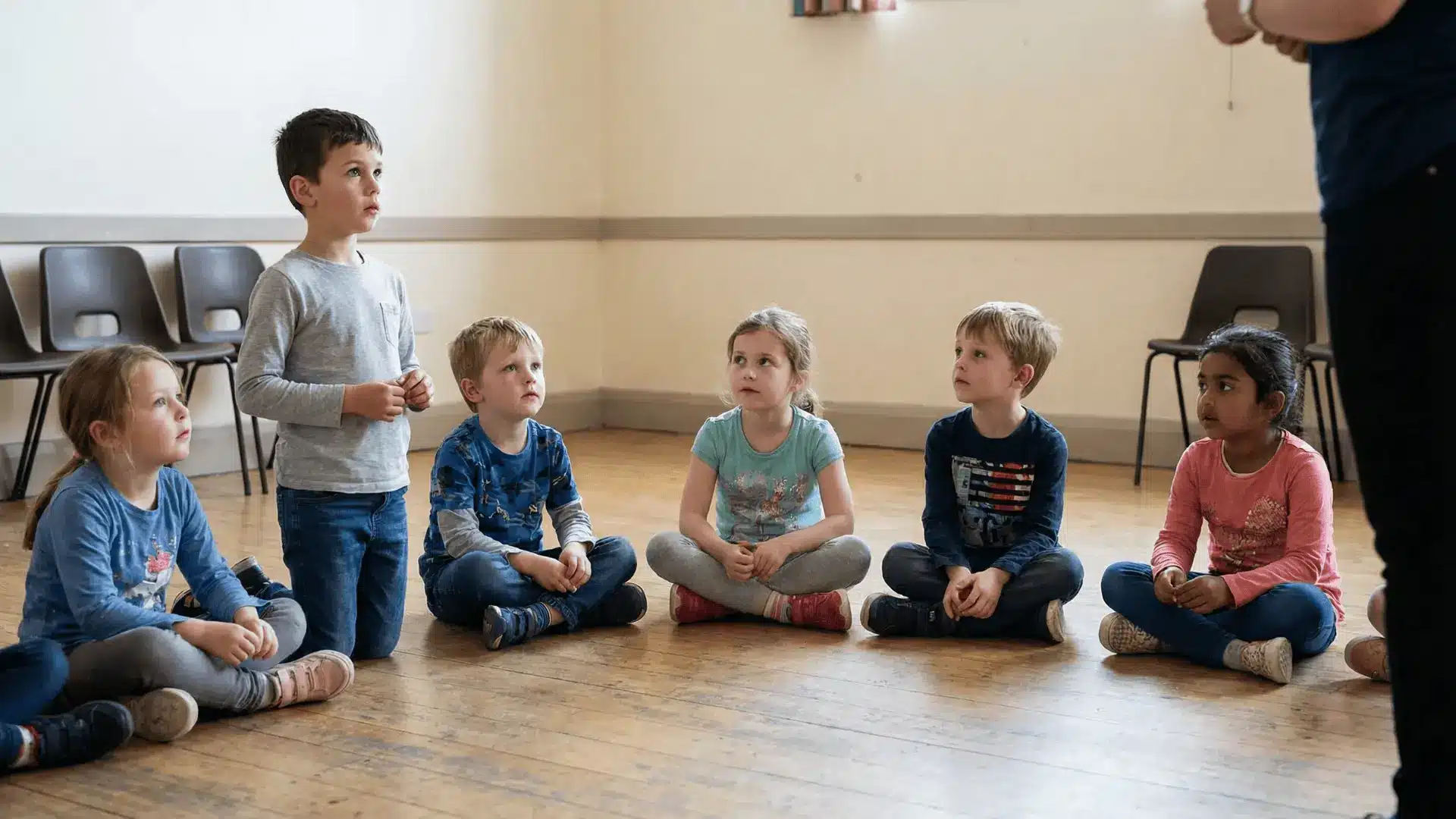
Assign each player a number. One leader calls out numbers or combinations. Players must quickly respond or perform a task when their number is called.
The game ends after rounds or when only a few players remain. This works because it keeps attention high. It fails when pacing is slow. Fix this by calling numbers faster.
33. Mirror Game
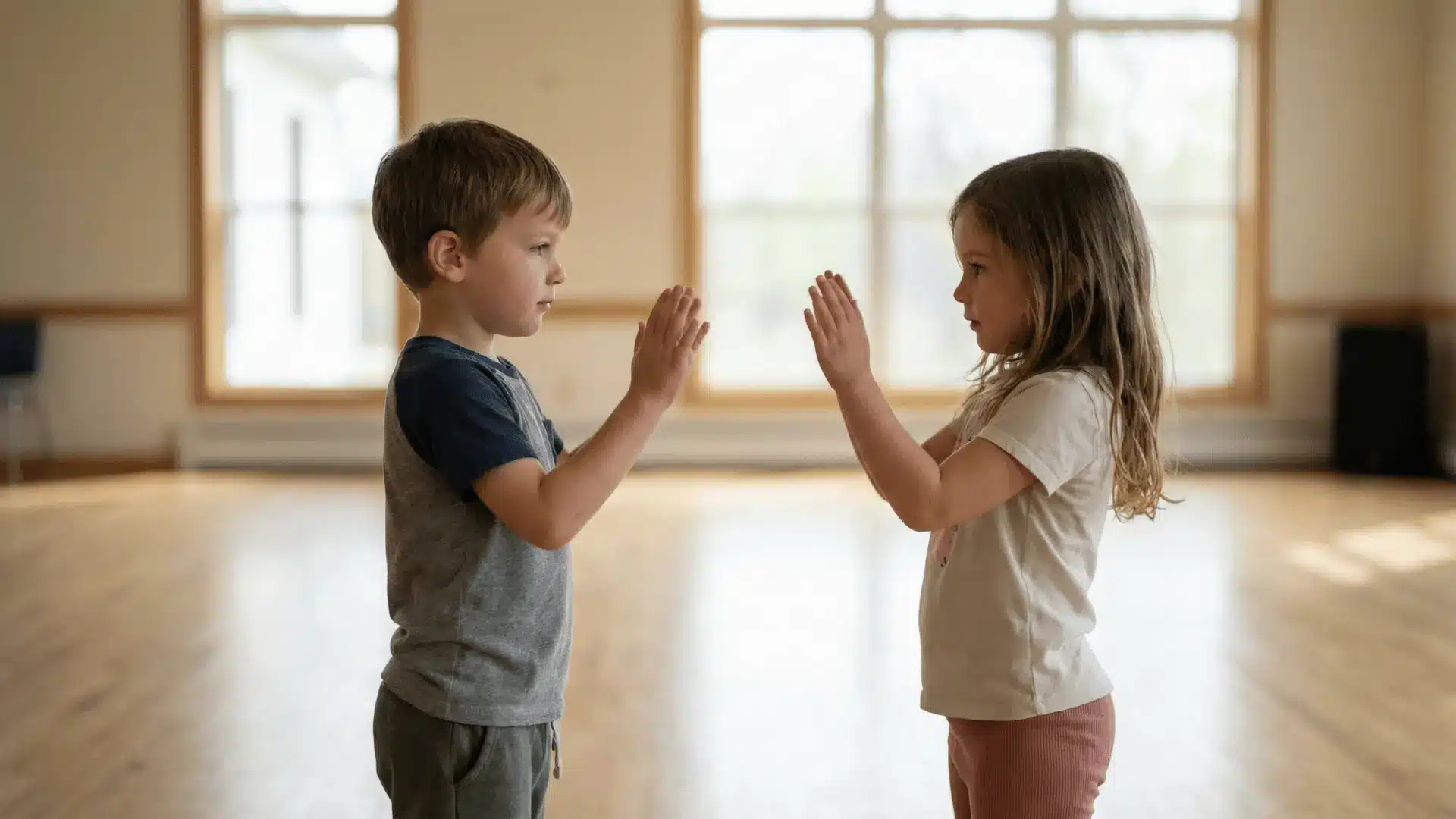
Pair up players and have them face each other. One player moves while the other copies exactly like a mirror. After a while, switch roles.
The game ends after timed rounds or when pairs are judged. This works because it builds focus and coordination. It fails when it becomes repetitive. Fix this by switching partners often.
34. Who Am I?
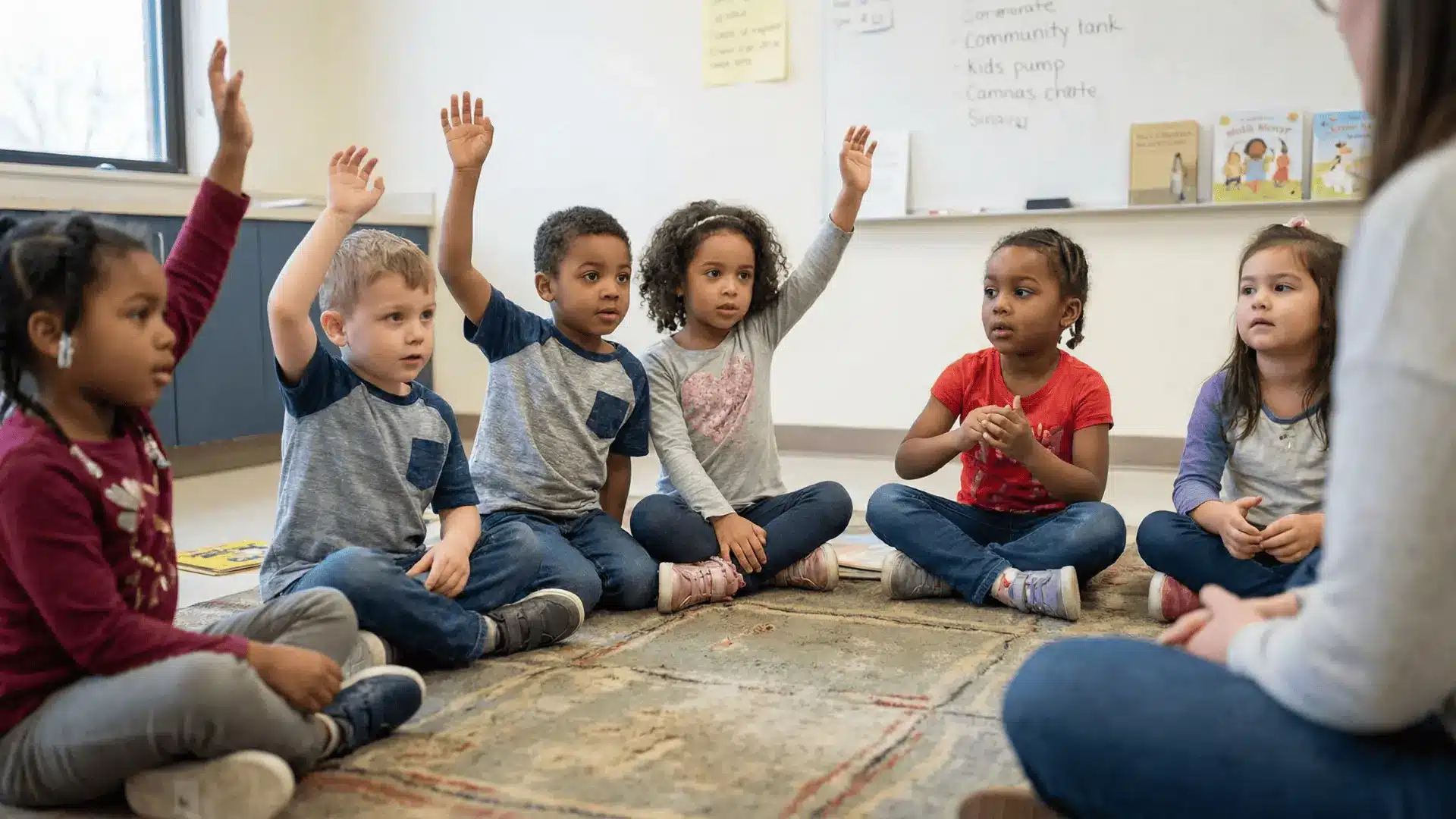
Assign each player a character or object silently. Players ask yes or no questions to guess their identity. The game ends when someone guesses correctly or after a set time.
This works because it encourages thinking and interaction. It fails when it becomes too difficult. Fix this by giving hints.
35. Action Chain Game
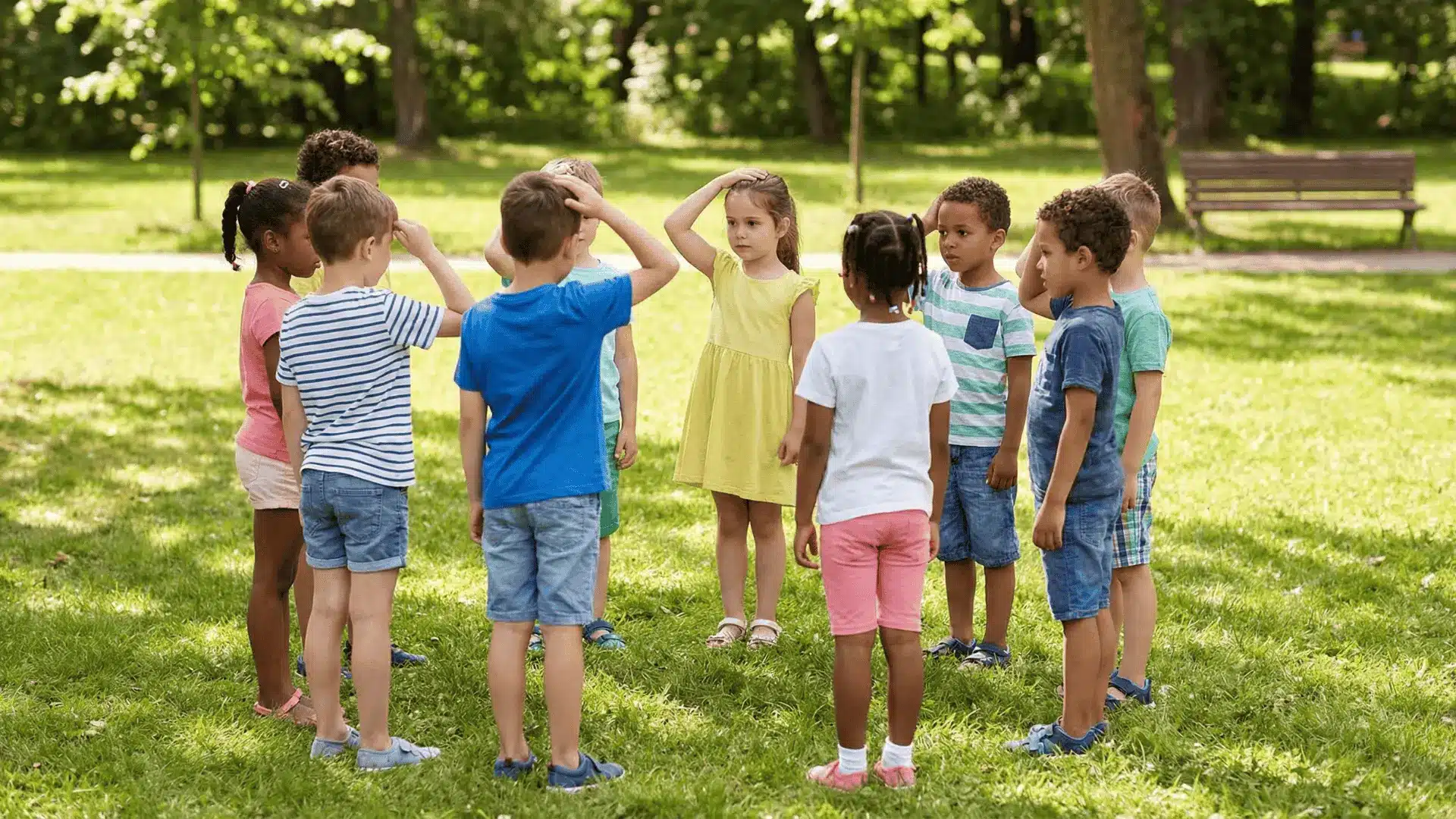
Have players sit or stand in a circle. One player starts with an action. Each player repeats all previous actions and adds a new one. The game ends when someone forgets the sequence or after rounds.
This works because it builds memory and attention. It fails when the chain gets too long. Fix this by resetting after a few rounds.
Conclusion
Group activities work best when they are simple, active, and easy to manage. The key is choosing the right game for your group and running it with clear rules and quick pacing.
These group games for kids help keep everyone involved while avoiding common issues like boredom or confusion.
When setup and flow are handled well, even basic games become enjoyable for the whole group.
Try a few games from this list and see what works best for your group. Adjust as needed and keep things flexible.
Frequently Asked Questions
How do you keep kids engaged in group games?
Keep games short and active so kids stay involved. Use simple rules, quick rounds, and avoid long waiting time. Active participation and fast pacing help maintain energy and prevent boredom during play.
Which games work best for large groups?
Games like tag variations and team challenges work best for large groups. They allow many kids to play at once, reduce waiting time, and keep everyone moving, which maintains engagement and control.
What if kids lose interest quickly?
Switch games quickly or add small changes like time limits or challenges. Keeping the pace fast and introducing variety helps maintain interest and prevents kids from getting bored during group activities.


