

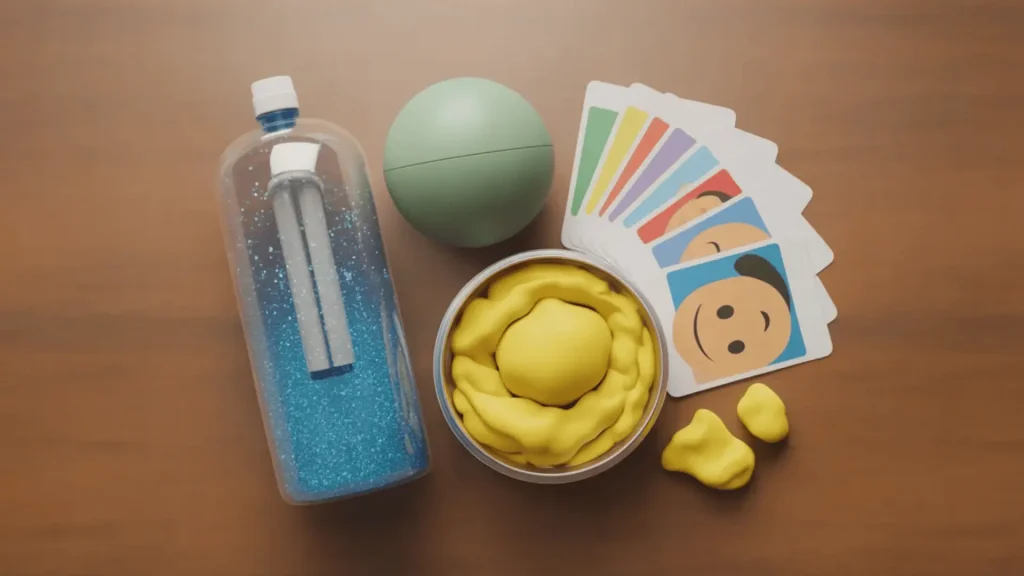
Every parent and teacher has watched a child completely fall apart over something small and felt completely lost about what to do next. You’re not alone, and it’s not about bad parenting or bad behavior.
Kids simply aren’t born knowing how to handle big emotions. That’s a skill they need to be taught.
These Emotional regulation activities for kids give you practical, easy-to-use tools that actually work, at home, in the classroom, and everywhere in between.
In this blog, you’ll find activities grouped by type, emotional state, and timing. So if your child shuts down or explodes, there’s something here for them. Ready to find the right tool for your child?
What are Emotional Regulation Activities?
Emotional regulation activities are exercises and tools that help children manage and respond to their feelings in a healthy way. They teach kids how to calm down, express emotions clearly, and recover from difficult moments.
These activities are not just for children who struggle with big emotions. They build the foundation for better communication, focus, and behavior in every child.
Why These Activities Matter:
- Builds Self-Awareness – Helps children recognize emotions before those feelings become too overwhelming.
- Improves Communication Skills – Encourages kids to express frustration, sadness, or excitement more clearly.
- Supports Better Behavior – Gives children healthier ways to react during stressful or upsetting moments.
- Strengthens Social Skills – Helps kids handle conflicts, friendships, and teamwork more calmly.
- Boosts Confidence – Children feel more secure when they know how to manage difficult emotions.
Step-by-Step Activities Kids Can Use Right Away
These activities work best when practiced regularly, not just during difficult moments. The more familiar a child is with each tool, the easier it becomes to use when emotions run high.
Deep Breathing Games
Deep breathing calms the nervous system fast. Try the 4-count inhale, 2-count hold, and slow exhale method. Make it fun with Dragon Breath or Balloon Breath. Always practice during calm moments first.
1. Calm Down Bottle

A sealed bottle filled with water, glitter, and glue creates a slow swirling effect when shaken. It gives the child a visual focus point that reduces mental overload.
Step 1: Ask the child to shake the bottle.
Step 2: Watch the glitter settle slowly.
Step 3: Breathe slowly while watching.
This works best for overwhelmed or shutdown states. It may not engage children at a very high energy level, so pair it with movement first if needed.
2. Cozy Corner

A quiet, designated space where a child can go to reset. It must never be framed as a punishment.
Step 1: Guide the child to the corner calmly.
Step 2: Let them sit with soft items or fidget tools.
Step 3: Allow quiet time until they feel ready to re-engage.
If the child associates this space with consequences, they will resist it when they need it most. Always frame it as a personal choice.
3. Emotion Charades

A game where children act out feelings while others guess the emotion. It builds emotional awareness in a low-pressure, playful setting.
Step 1: One child acts out an emotion without words.
Step 2: Others guess the feeling.
Step 3: Name and discuss the emotion together.
Use this during calm group time, not during emotional peaks. The goal is to build a library of feelings children can recognize and label when it matters.
Sensory Activities That Calm the Body
Sensory tools give the body something physical to focus on, helping redirect the brain from emotional overload. They’re especially useful for kids who can’t calm down through words or breathing alone.
4. Fidget Tools
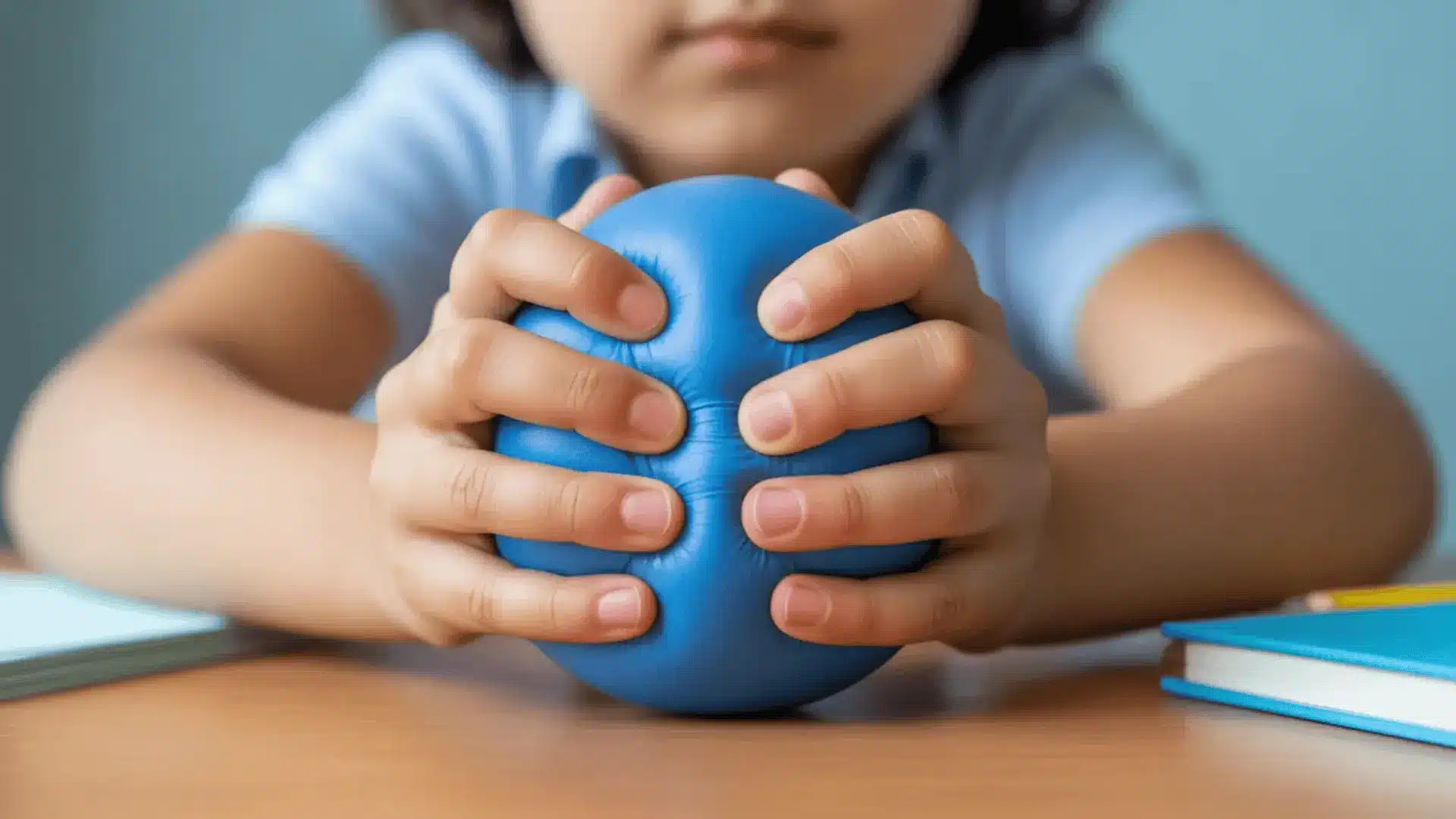
Squeezing a stress ball or fidget toy gives the hands something to do and pulls focus away from overwhelming emotions.
It is simple, quiet, and easy to use anywhere without drawing attention.
5. Play-Doh or Putty
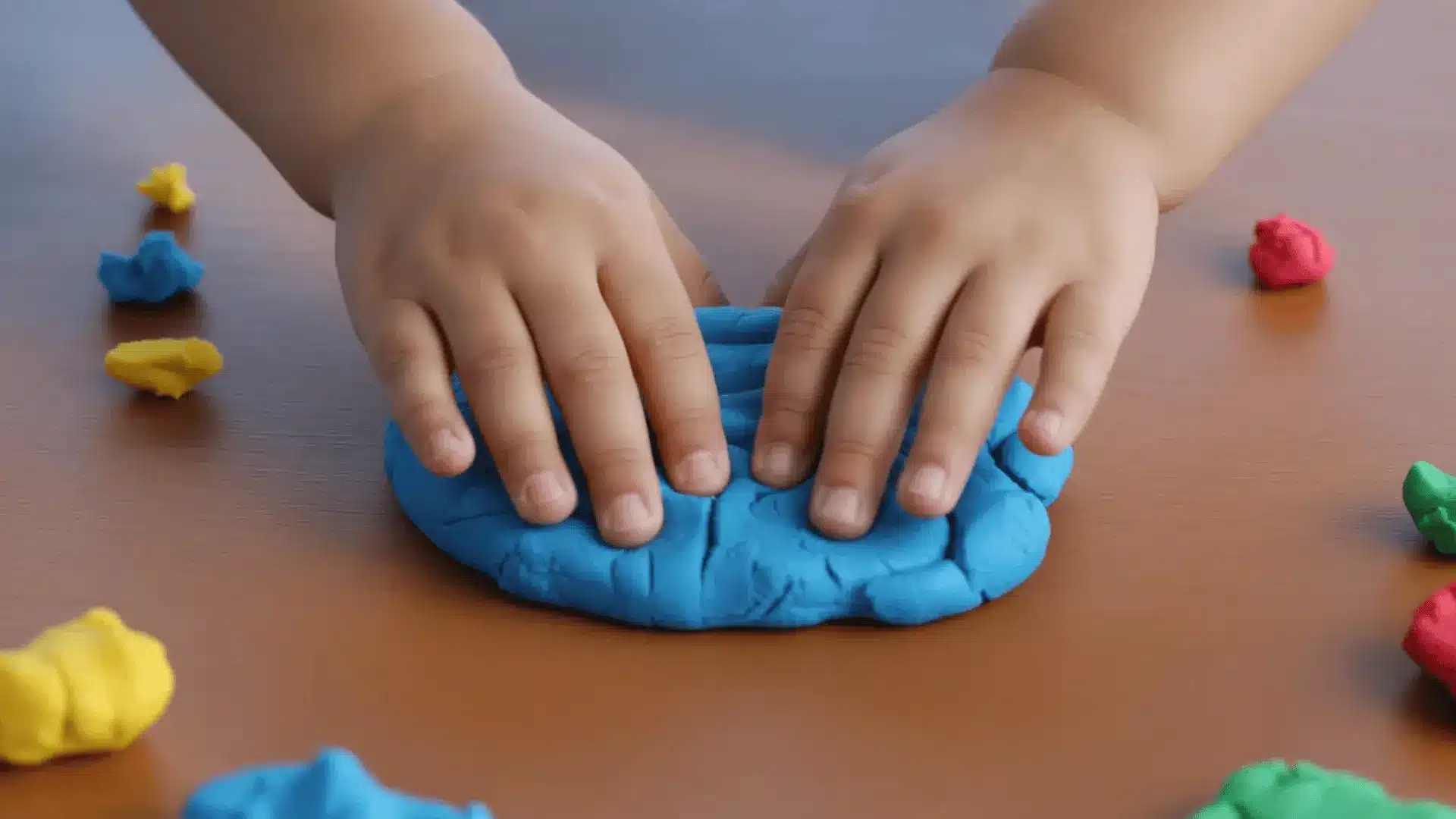
Pressing, rolling, and squeezing Play-Doh or putty sends steady physical input to the nervous system. This helps calm a child who feels activated or wound up without requiring them to talk or explain how they feel.
6. Crumpling Paper

Crumpling or tearing paper gives kids a safe, immediate way to release frustration or anger physically. It lets the feeling out of the body without hurting anyone.
No special tools needed, no setup required. It works in classrooms, at home, or anywhere in between. A few seconds is all it takes, making it one of the most accessible outlets for big emotions.
7. Tactile Play

Running fingers through sand, rice, or kinetic sand brings a child’s focus back to the present moment. The texture and sensation are naturally grounding, helping reduce the intensity of overwhelming emotions.
It’s not just a distraction; physical input gives the brain an alternative channel for processing feelings, making it easier to settle down and regain calm.
Movement Activities to Release Emotional Energy
Many kids need to move through emotions before they can talk about them. Controlled movement burns stress hormones and brings the body back to a stable state.
8. Rhythm Clapping or Repetitive Movements

Repetitive, rhythmic patterns give the brain something steady to follow, reducing feelings of chaos and overwhelm. Try clapping patterns, tapping a beat on a table, or rocking gently.
The repetition itself creates the calming effect. Even a simple pattern repeated a few times helps a child regain control when emotions feel too big to manage.
9. Simple Yoga or Stretching
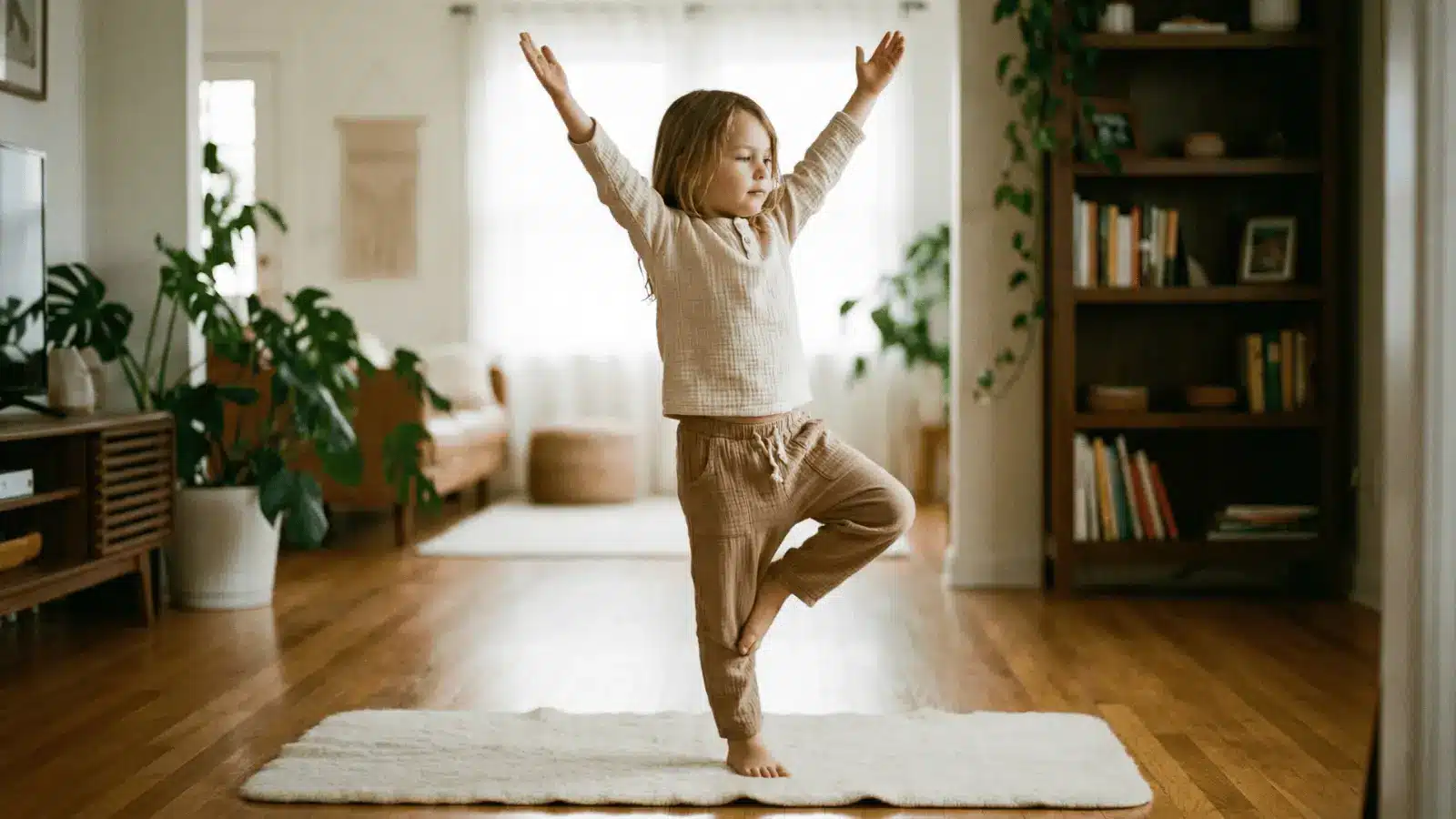
Emotions often live in the body as tension or restlessness that a child can’t put into words. Child-friendly poses like tree pose or butterfly stretch help release that stored tension and bring the child back into their body.
Even a few minutes of gentle stretching can noticeably shift how a child feels, especially for kids who struggle with breathing exercises alone.
10. Jumping or Stomping
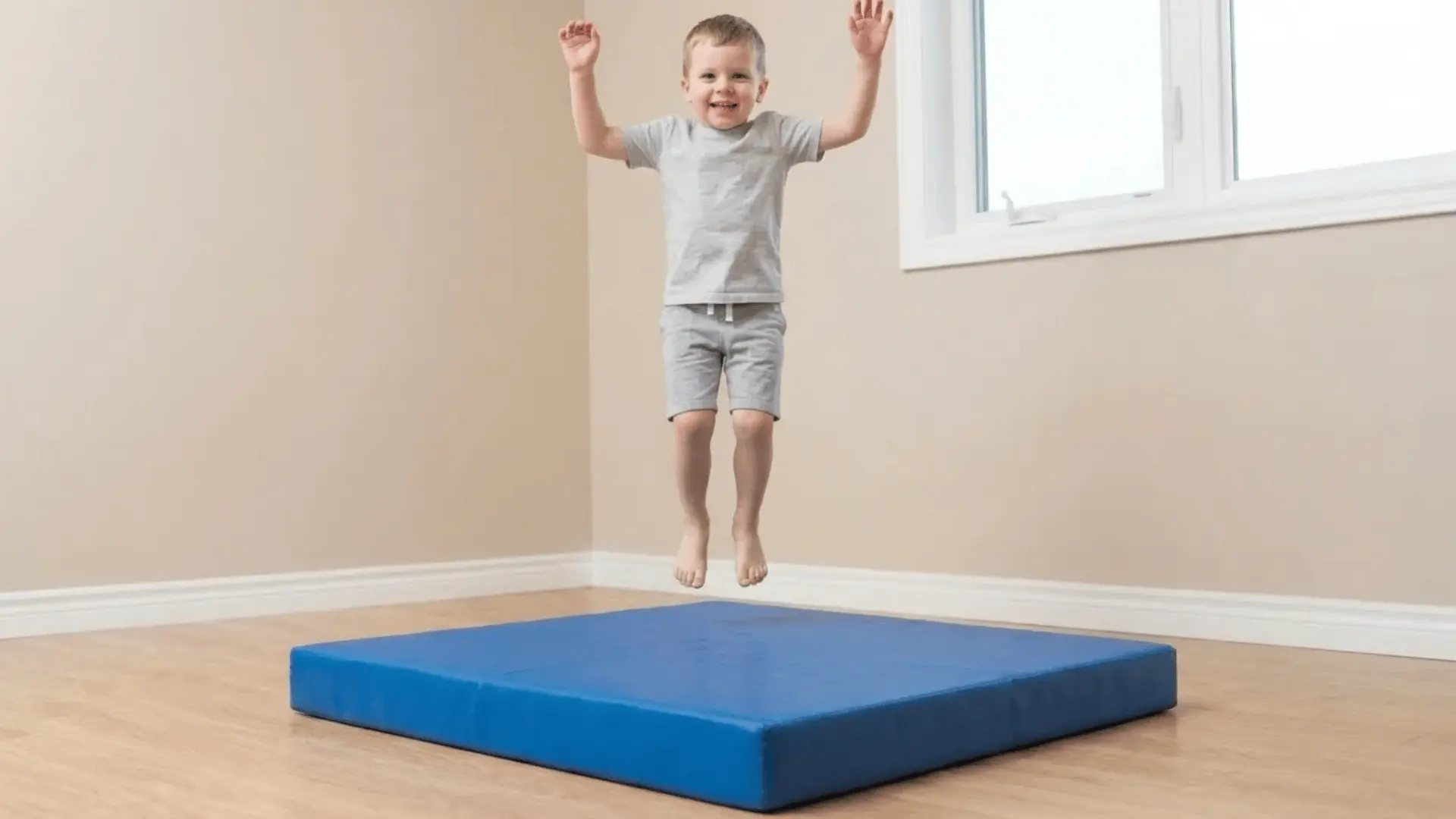
Jumping and stomping give kids a safe outlet for anger or frustration. Try jumping in place for thirty seconds or using a designated stomp pad.
Frame it as a release tool the child can choose, not a reaction to misbehavior. Avoid high-energy movement during peak dysregulation, as too much stimulation can escalate emotions rather than calm them.
Activities That Build Long-Term Emotional Awareness
These tools are not for use during meltdowns. They are practiced during calm moments to build the emotional vocabulary children need before situations escalate.
A common misconception is that kids naturally learn to understand their emotions as they grow. Emotional awareness needs to be taught and practiced just like any other skill.
11. Drawing Feelings
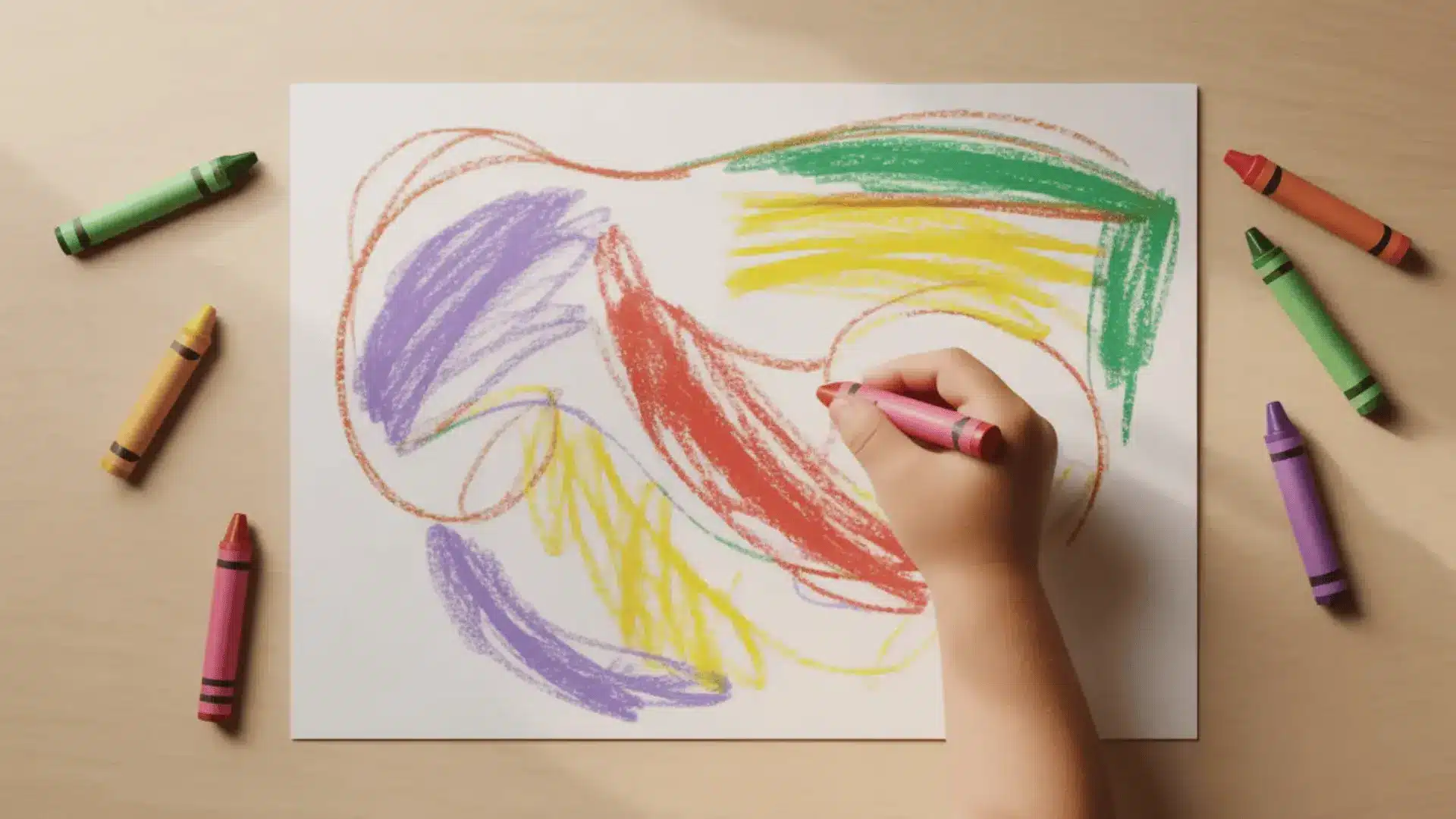
Ask children to draw how they feel using colors and shapes. Prompts like “draw what anger looks like in your body” remove the pressure of verbal expression and build a visual emotional vocabulary over time.
12. Journaling or Storytelling
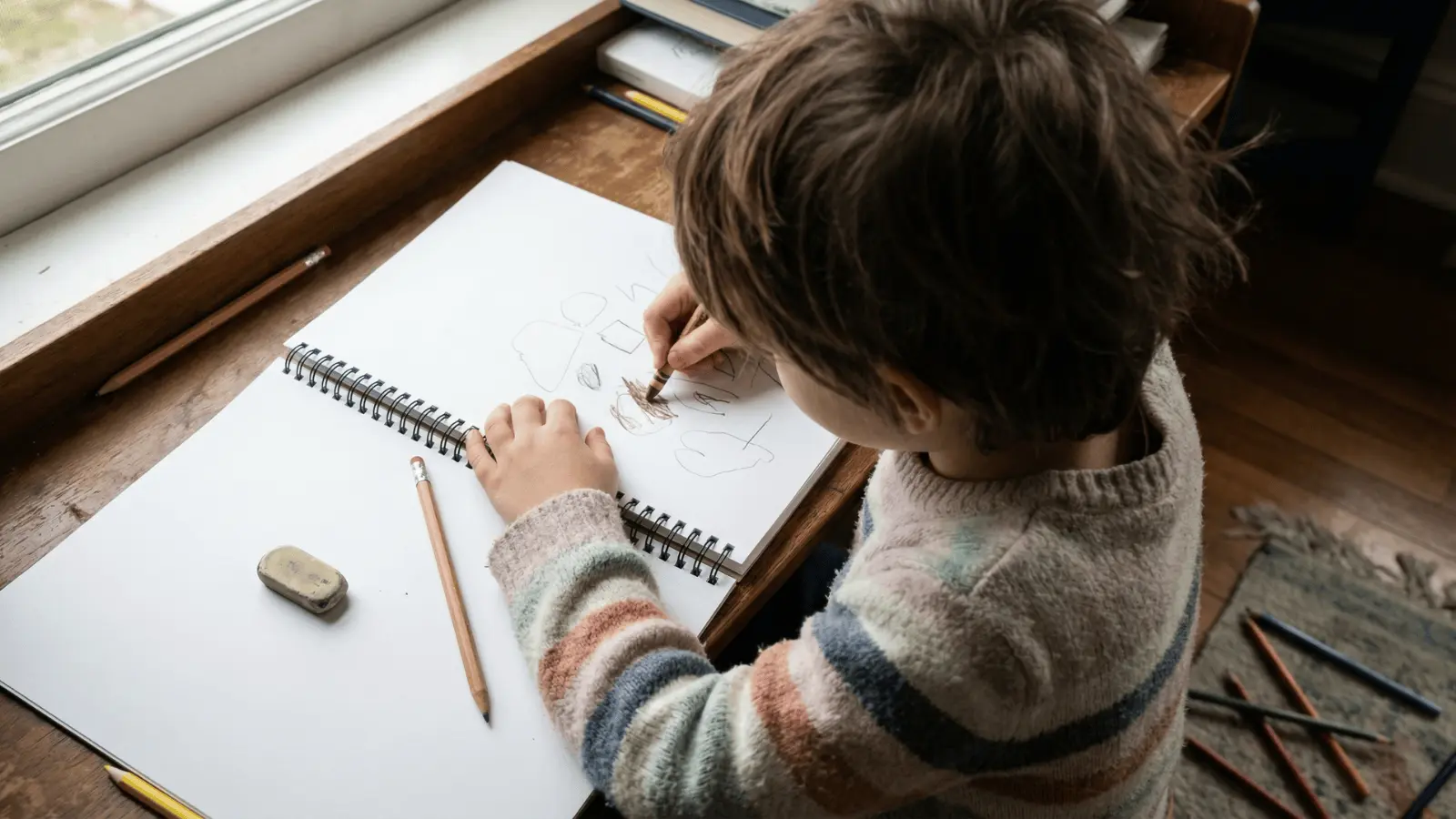
A feelings journal gives older children a private space to process emotions at their own pace without any pressure to share or explain.
For children who find emotional conversations uncomfortable, storytelling through a fictional character creates a safe distance from the real feeling while still allowing them to work through it.
Writing or telling a story about a character going through something similar helps children navigate difficult emotions in a way that feels manageable and low-pressure.
13. Emotion Cards and Sorting Games
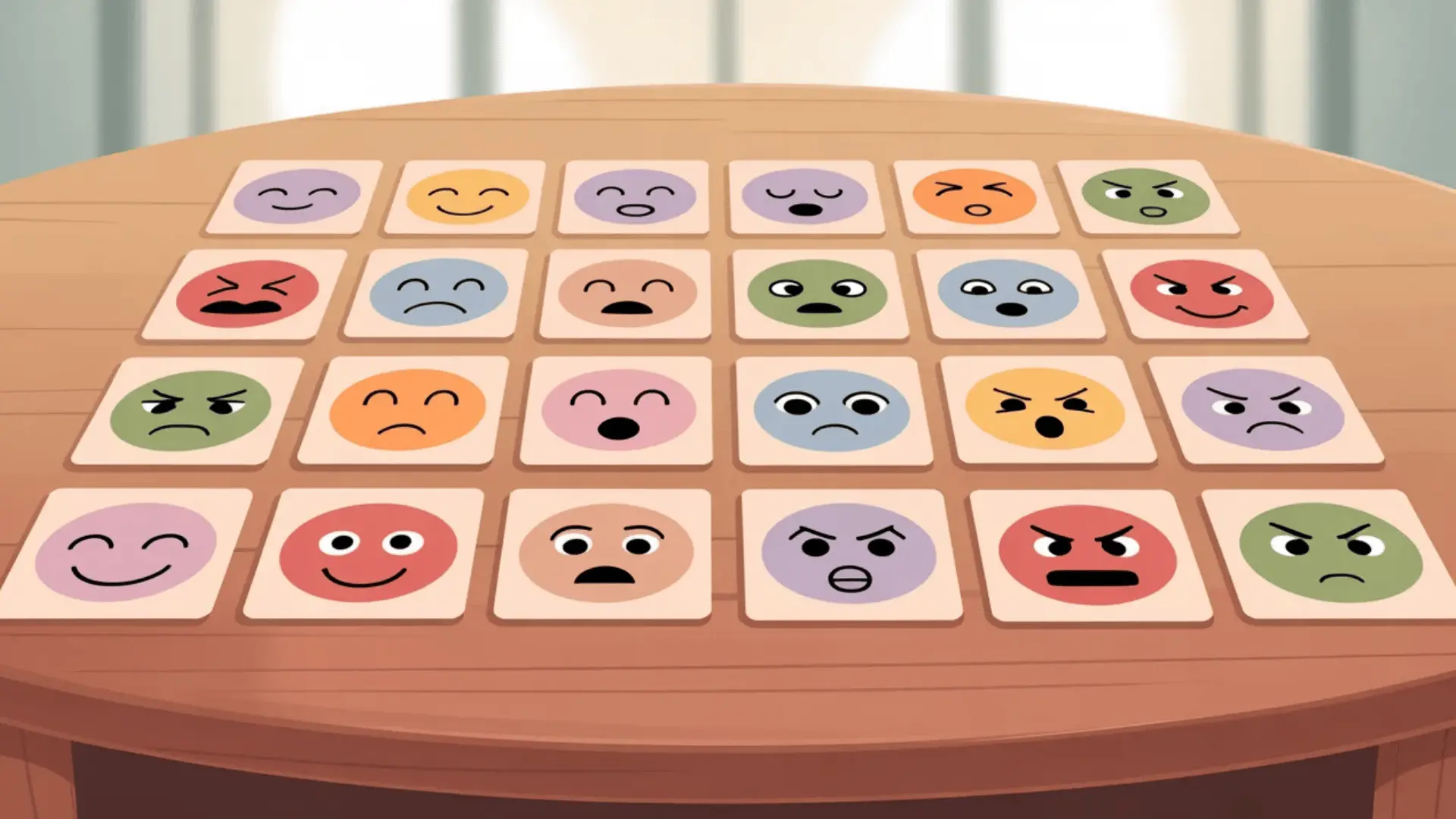
Emotion cards with facial expressions or feeling words can be matched, sorted, or used as daily check-ins. Ask the child to pick a card that matches how they feel each morning to build awareness as a daily habit.
Naming an emotion activates the thinking part of the brain and reduces its intensity. This is the foundation of long-term emotional regulation.
Verbal and Connection-Based Activities
These activities help children feel heard and supported. They work best when the child is calm enough to engage and respond.
14. Name and Validate Feelings

Say what you notice out loud using simple and clear words, such as “You look upset because the toy broke.” This removes pressure from the child to explain their feelings.
It shows that you are paying attention and understand what they are going through. When children feel heard and recognized, their emotional intensity often reduces naturally, making it easier for them to calm down without resistance.
15. Choice Giving

Offer two simple and safe choices, such as “Do you want to sit here or go outside for a minute?” This gives the child a sense of control during a moment when they may feel overwhelmed.
The decision does not need to be big. Even a small choice helps shift their focus away from the emotion and toward action, which can quickly reduce stress and create a sense of stability.
16. I Feel Sentences

Teach the child to say “I feel ___ because ___” when they are upset. This builds a clear connection between emotions and reasons. Over time, it helps children express themselves instead of reacting physically or shutting down.
With regular use, this becomes a natural habit. It also helps adults understand what the child is experiencing without needing to guess or interpret behavior.
17. Check-In Scale
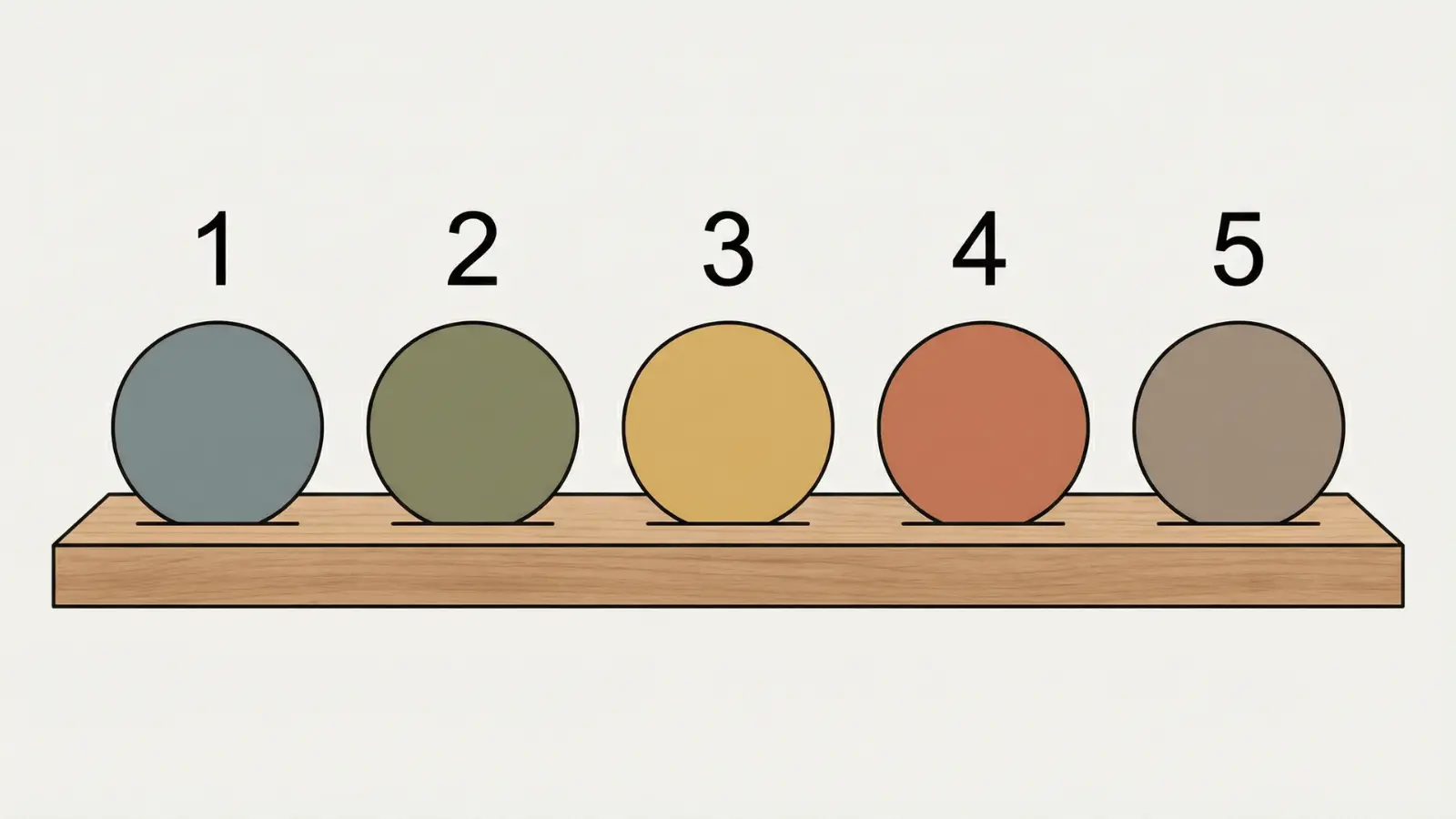
Use a simple number scale from one to five and ask, “How big is your feeling right now?” This helps children concretely measure their emotions.
It makes feelings easier to understand and track. Over time, children start to notice patterns in their emotions. This awareness helps them recognize when they are calming down or when they may need extra support.
Visual and Focus Activities
These tools help shift a child’s attention away from overwhelm. They are simple to set up and work well across a wide range of ages.
18. Watch a Timer or Lava Lamp

Give the child a visual object like a timer or lava lamp and ask them to watch it quietly. The slow and steady movement gives the brain something predictable to focus on.
This reduces racing thoughts and helps slow down the nervous system. It works especially well when a child feels overwhelmed and needs a simple, non-verbal way to begin calming down.
19. Color Sorting
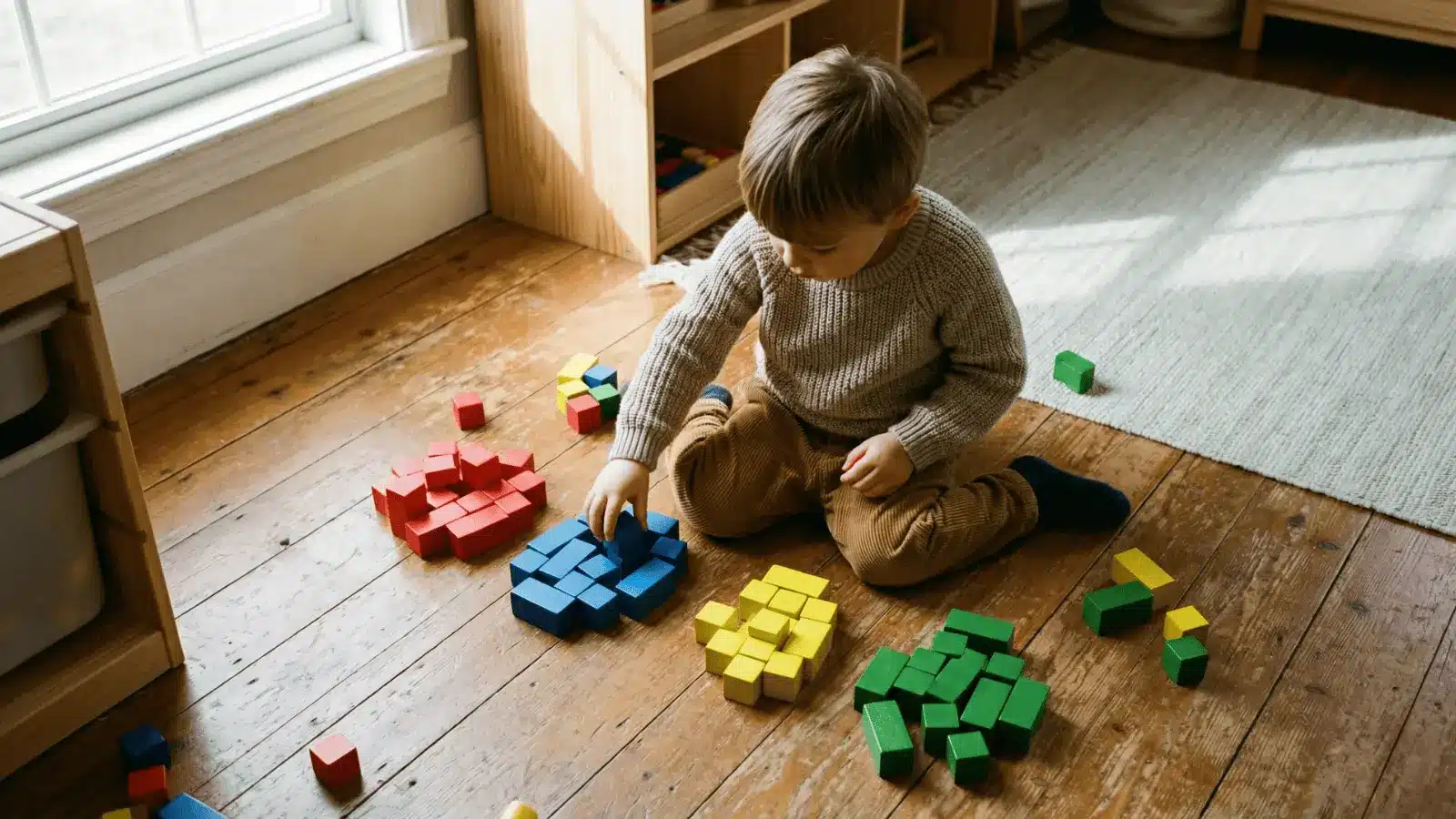
Provide colored blocks or objects and ask the child to sort them into groups. The repetitive nature of sorting helps shift attention away from overwhelming emotions.
It gives the child a clear and simple task that feels manageable. This activity works well for children who cannot sit still or focus on breathing exercises, as it keeps both the hands and mind engaged.
20. Spot Five Things

Ask the child to name five things they can see, four things they can feel, three things they can hear, two things they can smell, and one thing they can taste.
This grounding exercise pulls attention back to the present moment and away from whatever is causing the emotional spiral. It takes less than two minutes and can be done anywhere.
21. Puzzle Time
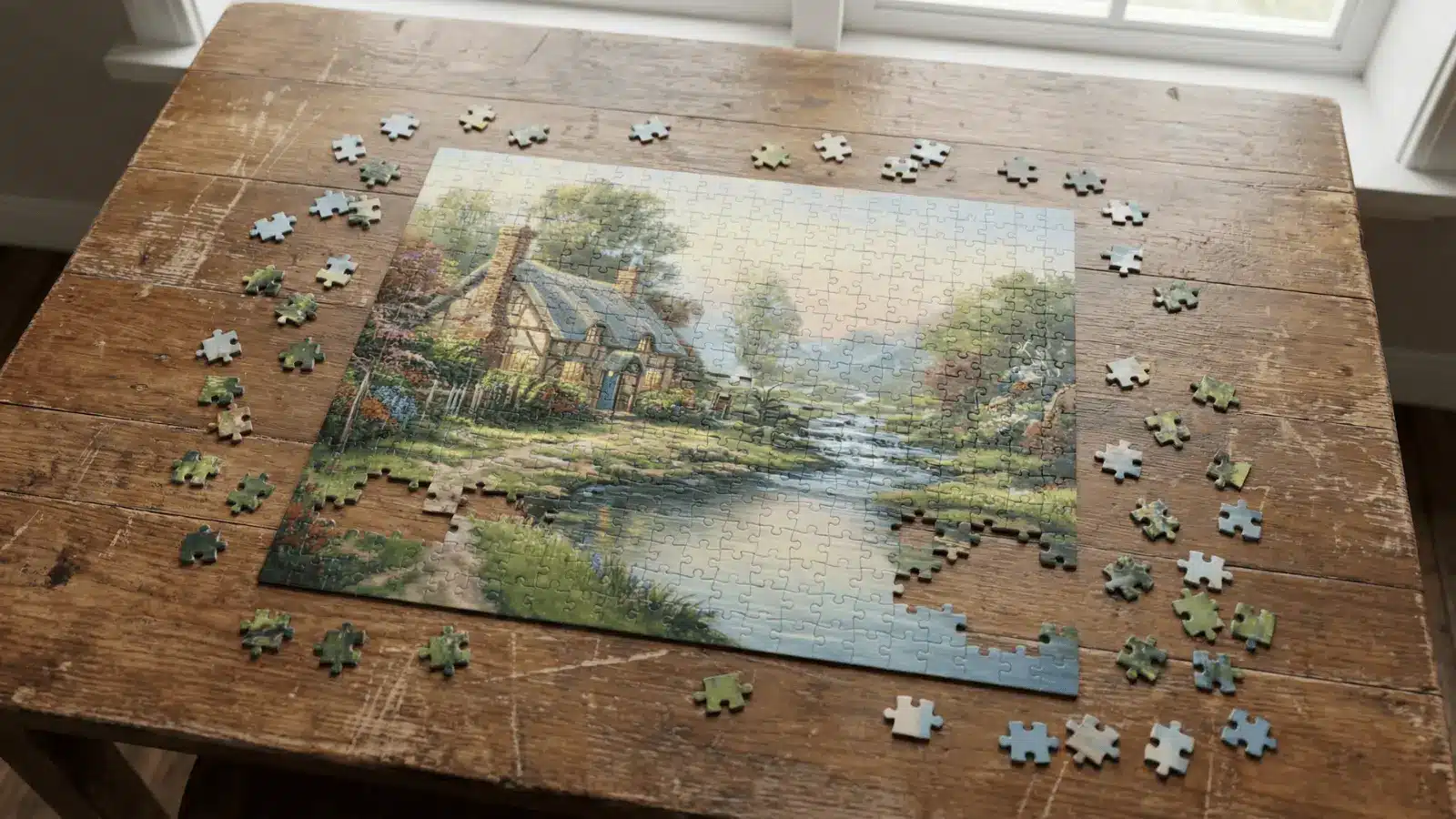
Give the child a simple puzzle to complete on their own or with light guidance. The focused, hands-on task reduces emotional noise by giving the brain a clear and achievable goal.
Finishing the puzzle also gives a small sense of accomplishment that can lift one’s mood slightly. It also gives adults a quick way to understand where the child is emotionally without a long conversation.
Breathing Variations
Different breathing styles keep practice fresh and engaging. Children stay more interested when breathing feels like a game rather than an exercise.
22. Star Breathing
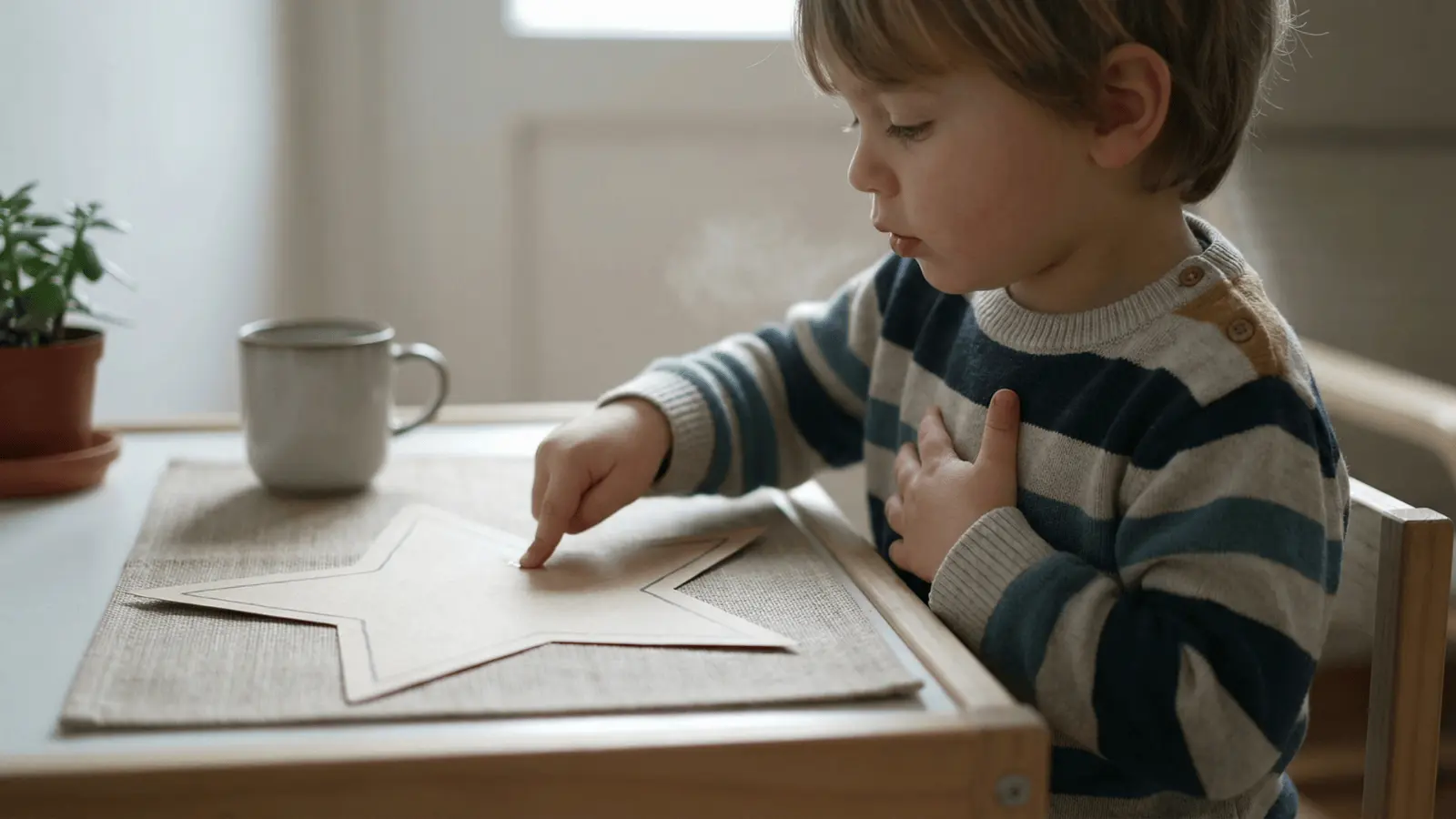
Ask the child to trace a star shape with their finger, breathing in on the way up each point and breathing out on the way down.
The hand movement gives the body something to do while guiding the breath naturally. It works well for younger children who struggle to focus on breathing alone.
23. Bunny Breaths
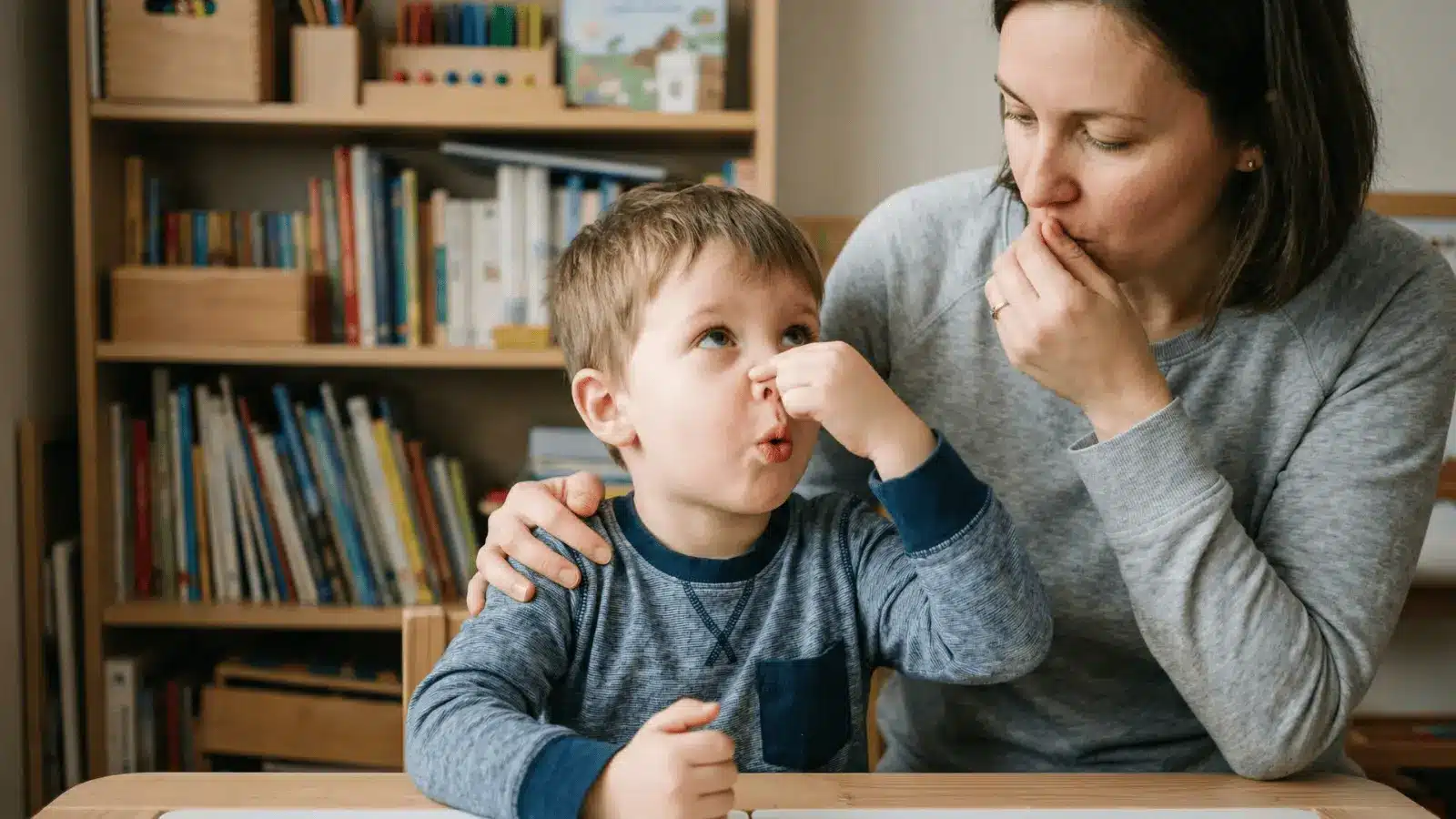
Guide the child to take three quick sniffs through the nose, followed by one long exhale through the mouth. The playful idea of breathing like a bunny keeps the activity engaging and light.
It is easy to remember and quick to do. This makes it useful as an early response when emotions are just starting to build but have not yet become overwhelming.
25. Candle Breathing

Ask the child to imagine blowing out candles slowly, one at a time. This encourages long and controlled exhales, which help calm the body.
The simple visual makes it easy for children to understand and follow. It does not require any setup and can be used anywhere.
Over time, it becomes a familiar tool that children can use on their own when needed.
Creative Expression Activities
These activities help children process feelings without any pressure to talk or explain. They are especially useful for children who shut down or withdraw when emotions get big.
26. Music and Movement
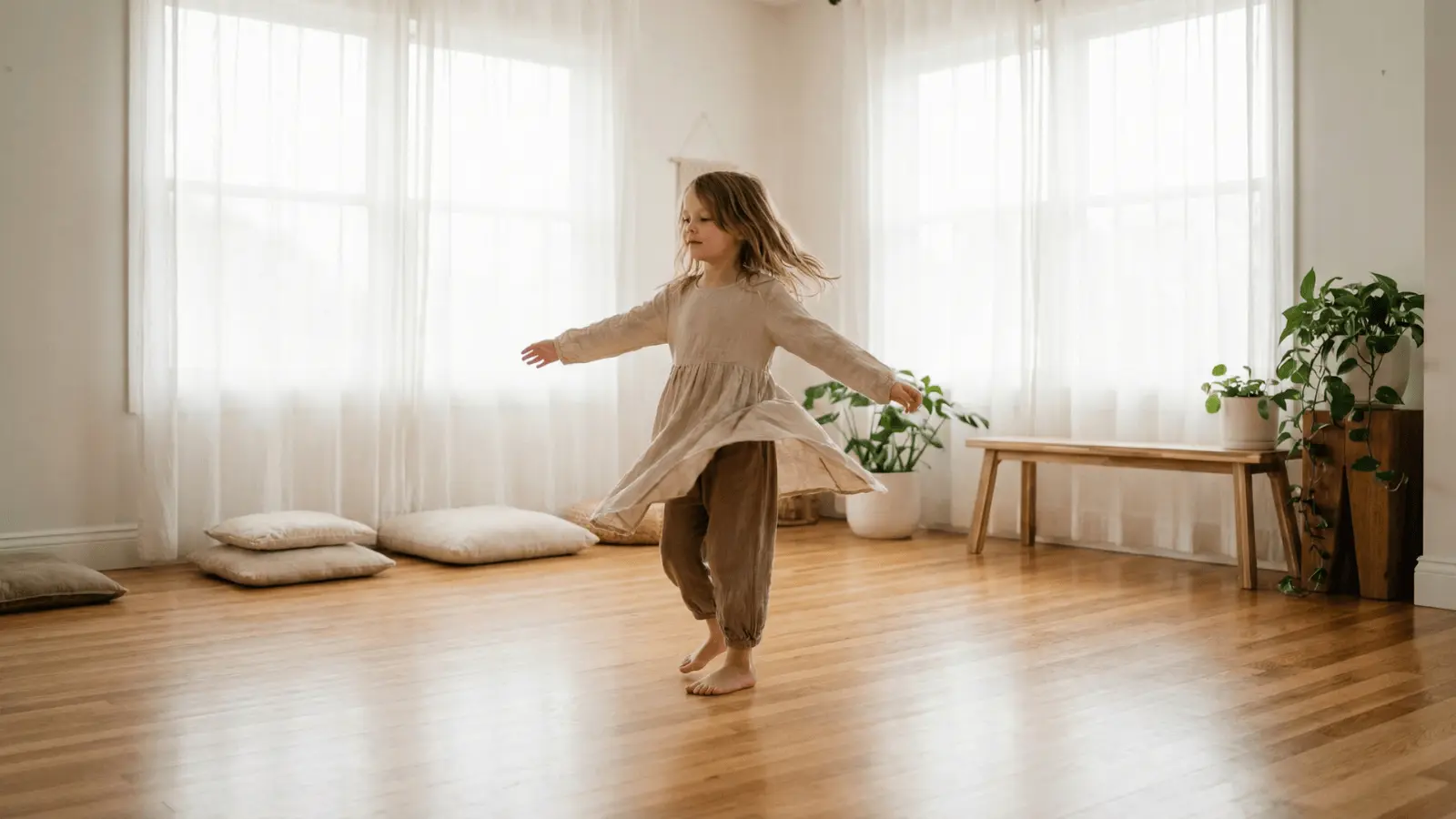
Play calm or rhythmic music and allow the child to move freely without instructions. Movement helps release built-up energy from the body.
Music also influences mood and can help shift emotional states. Even a few minutes of movement can make a noticeable difference.
This activity works well for children who struggle to sit still or express feelings through words.
27. Build With Blocks
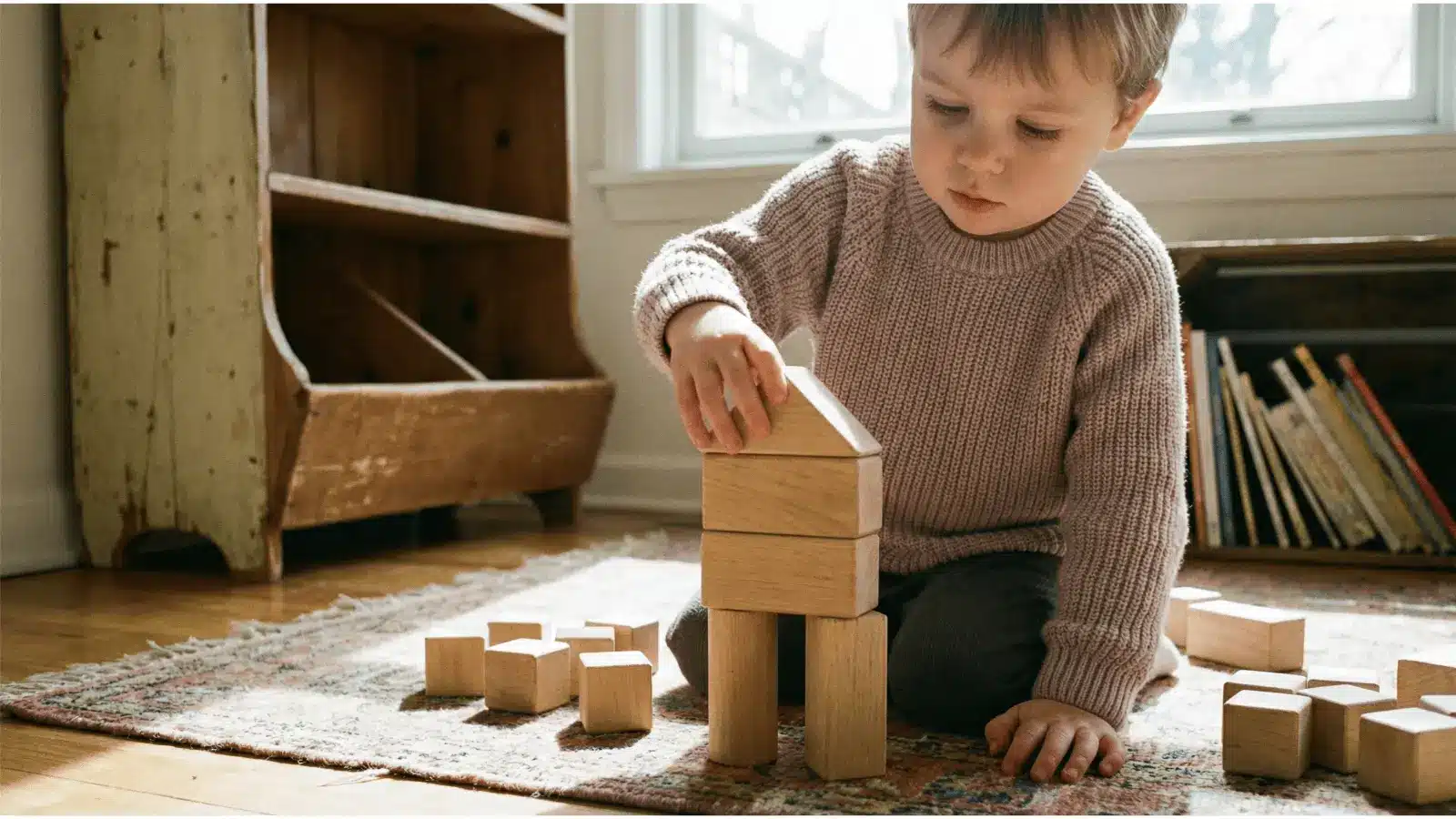
Give the child a set of blocks and let them stack or build simple shapes without any specific goal. Keeping the hands busy gives the brain something to focus on while the emotional intensity quietly settles in the background.
It is a low-pressure activity that most children will engage with naturally.
28. Role Play with Toys
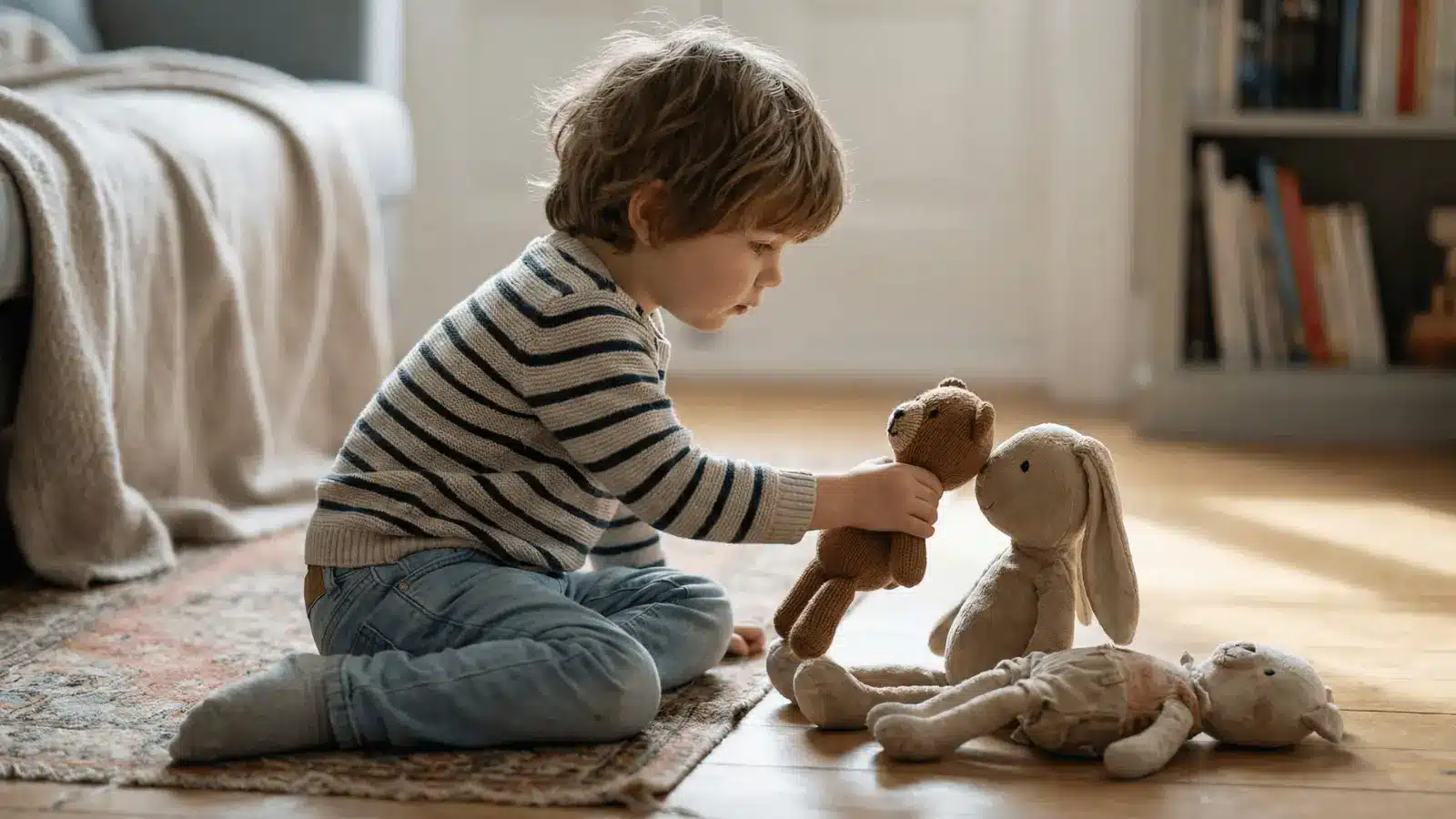
Use dolls, figures, or soft toys to act out different feelings and situations. Children often process and express emotions through play before they can put them into words.
Role play gives them a safe distance from the real feeling while still working through it.
Body Awareness Activities
These activities help children reconnect with their physical body when emotions feel too big to manage.
They are useful when a child is overwhelmed but not yet calm enough for talking or creative activities.
29. Body Scan
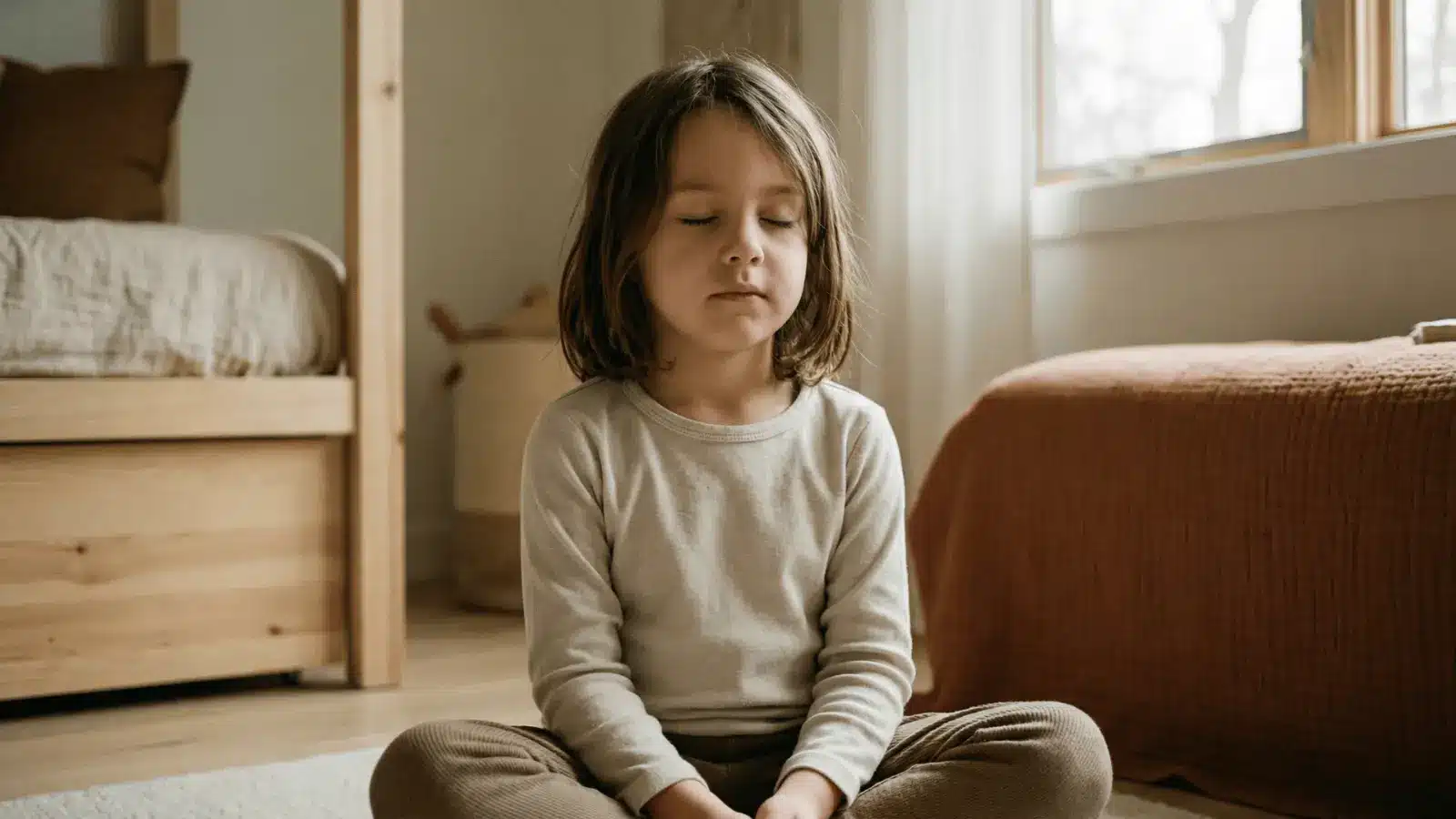
Ask the child to sit quietly and notice where they feel tight, heavy, or uncomfortable in their body. Simple prompts like “Where do you feel the upset right now?” help build awareness of how emotions show up physically.
This awareness is the first step toward being able to manage those physical sensations intentionally.
30. Wall Push
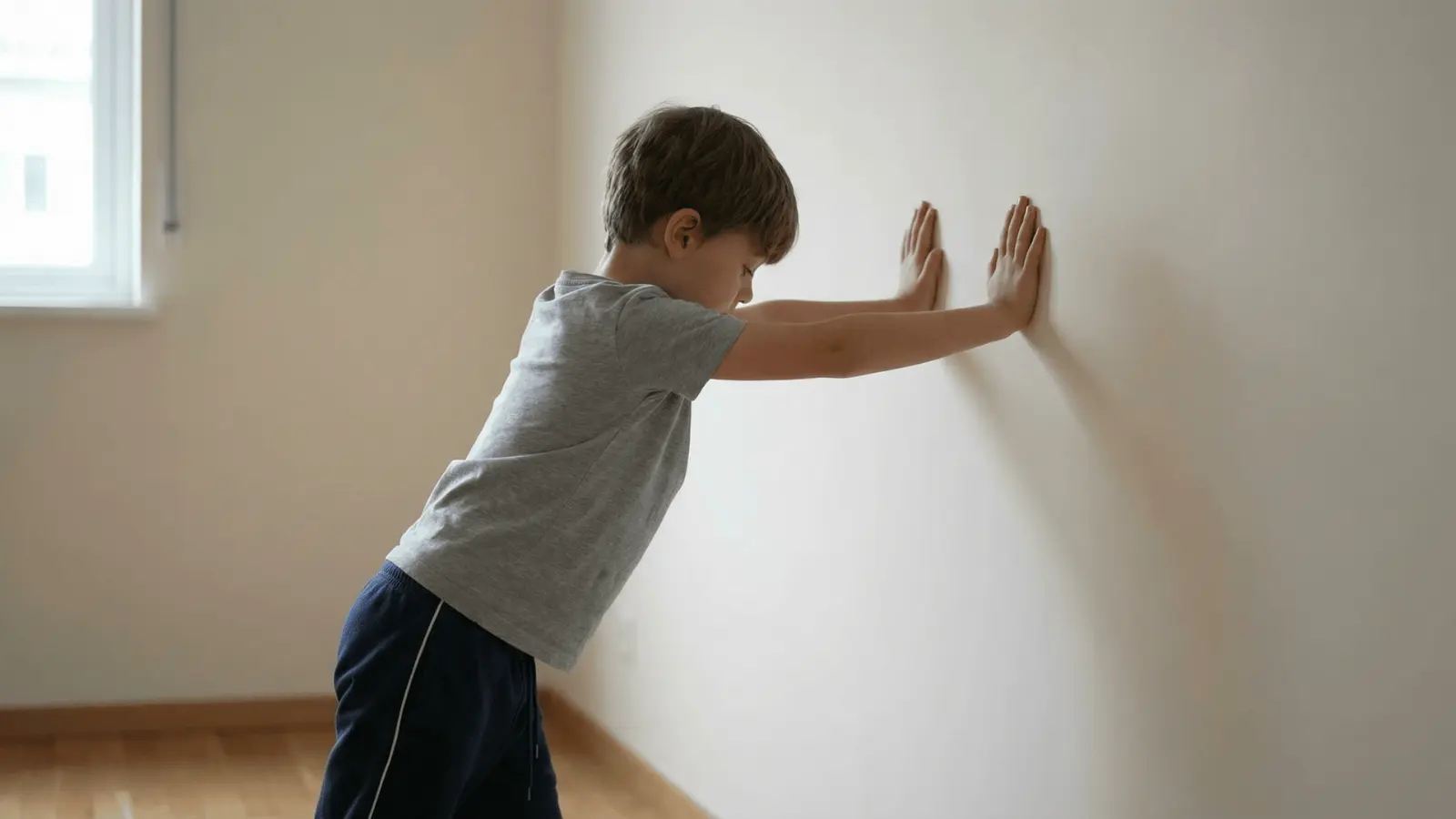
Ask the child to place both hands flat on a wall and push as hard as they can for ten seconds, then release. The strong physical input gives the nervous system a powerful grounding signal that helps release built-up tension quickly.
works especially well for children who are feeling angry or physically restless and need an immediate outlet.
How to Choose the Right Activity
Not every activity works for every emotional state. Using the wrong tool at the wrong time can make things worse.
| Emotional State | Signs to Look For | Priority | Activities to Try |
|---|---|---|---|
| Overstimulated or Overwhelmed | Covering ears, withdrawing, crying without cause, shutting down | Reduce stimulation, not add more | Cozy corner or quiet space, calm down bottle, slow breathing with no pressure to talk |
| Angry or Aggressive | Yelling, hitting, and throwing objects | Provide a physical outlet before any calm conversation | Jumping or stomping, crumpling paper, rhythm clapping |
| Anxious or Restless | Fidgeting, clinginess, visible worry | Ground the nervous system rather than stimulate it | Fidget tools or sensory play, simple stretching or yoga, emotion cards, or drawing |
Observe the child’s energy level first. Ask one simple question: Does this child need to release energy or reduce input?
When to Use Each Activity
Timing matters more than the activity itself. The same tool can work in one moment and completely fail in another.
- Before an outburst: This is the best time to teach and practice. Introduce breathing games, emotion cards, and yoga during calm moments so children can access them independently when needed.
- During an outburst, the thinking brain is largely offline. Use only simple, body-based tools with short, calm instructions. One or two words work better than full sentences.
- After an outburst: Once calm returns, reflect gently. Ask what the body felt like before the upset, which tool helped, and what to try next time. This builds awareness and reinforces the tools used.
Children cannot learn new skills while upset. Teaching during calm moments is what makes tools available during difficult ones.
Conclusion
Emotional regulation activities for kids don’t have to be complicated. The right tool, used at the right moment, can make a real difference in how your child handles big feelings. Start small, pick one activity, and practice it during calm moments first.
That’s when the real learning happens. Consistency matters more than perfection. Every time you show up with patience and a simple tool, you’re building something lasting.
Remember, these skills take time, and that’s okay. Want to keep learning? Check out our other blogs for more practical tips on supporting your child’s emotional growth.


