

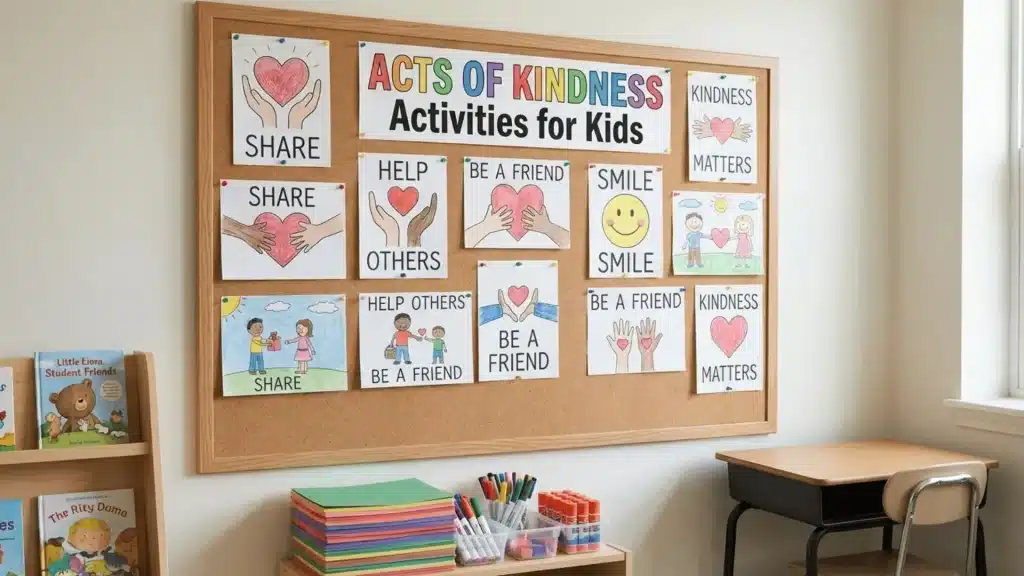
Classroom behavior is not shaped by rules alone. It often grows from daily habits that students practice without even noticing.
Kindness activities for kids offer a simple way to guide those habits in the right direction. Instead of correcting behavior after problems happen, these activities help prevent them by building awareness early.
Today, I’ll share practical ideas that fit easily into classroom routines, along with ways to make kindness a regular part of the school week.
When used consistently, even small actions can shift how students interact with each other.
Why Kindness Activities Matter in the Classroom
Kindness activities help students understand how their actions affect others. Over time, this helps reduce conflicts and encourages more cooperative behavior in the classroom, such as:
- Builds Positive Classroom Behavior: Kindness activities teach students to treat classmates with respect. Simple, kind actions reduce classroom conflicts.
- Strengthens Student Relationships: Kindness activities encourage teamwork among students. Students practice clear communication with classmates.
- Develops Social and Emotional Skills: Students learn empathy by thinking about others’ feelings. They also understand the value of respect and patience.
- Creates a Supportive Learning Environment: Kindness activities help build a positive classroom culture. Students feel included and comfortable sharing ideas. This makes the classroom a safe and respectful space.
These small actions support better behavior, stronger friendships, and a positive classroom atmosphere. Check out these acts of kindness for kids to build positive habits beyond classroom activities.
Kindness Activities for Kids to Try
Simple kindness activities can easily fit into daily classroom routines. These short moments help students practice respect, appreciation, and empathy.
Quick Activities for Daily Classroom Routines
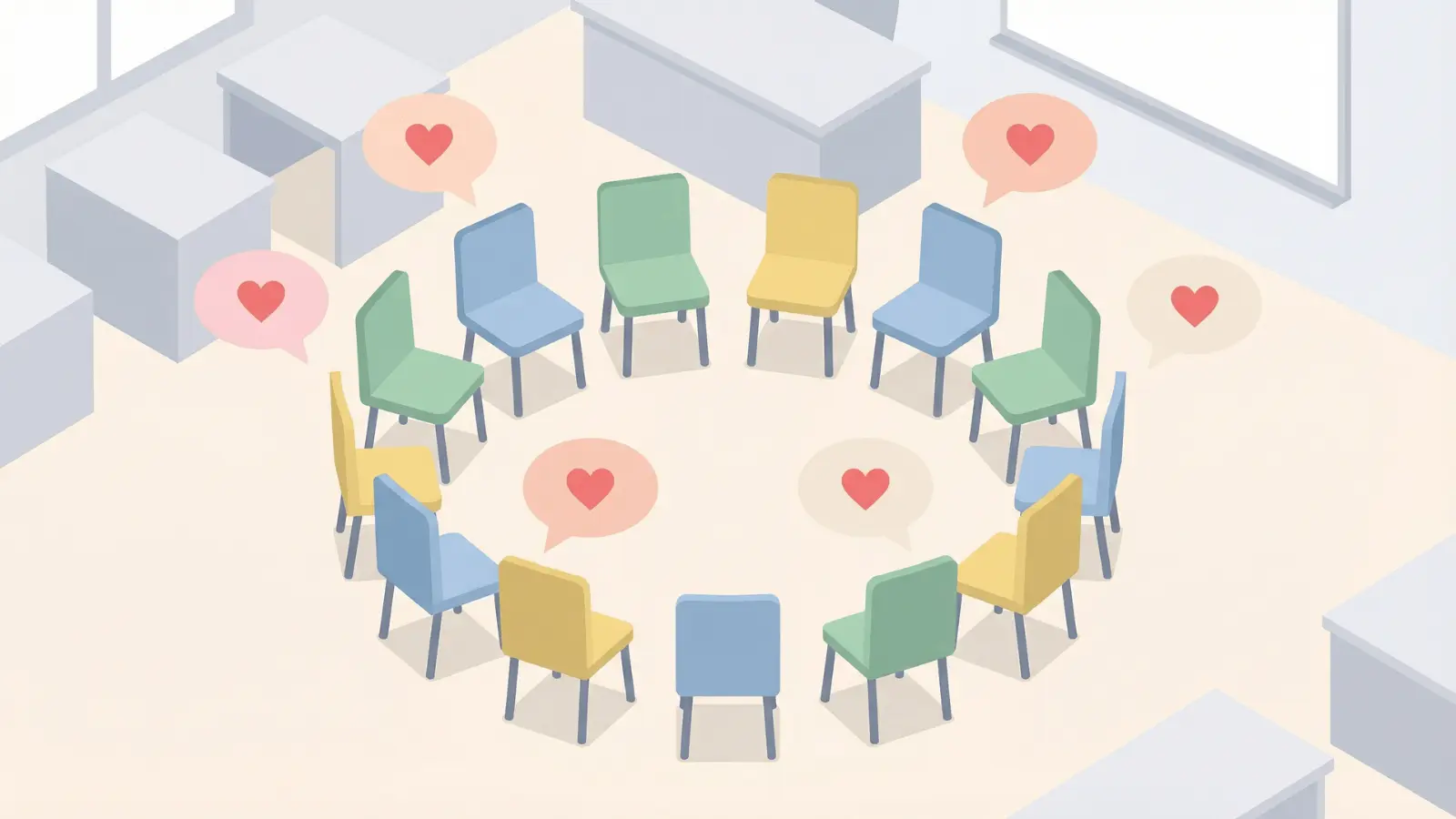
These activities fit easily into daily classroom schedules. Each activity takes only a few minutes and helps students practice positive behavior, supportive communication, and respect while interacting with classmates.
1. Compliment Circle
Students sit in a circle and give a compliment to the person beside them. Compliments can focus on effort, helpful behavior, or positive actions in class.
This activity encourages students to notice good qualities in others. It also builds confidence and promotes respectful communication among classmates.
2. Kindness Check-In
Start the day with a quick discussion about kind actions. Students share something kind they did or noticed recently.
This short conversation encourages students to think about helpful behavior from the beginning of the day. Over time, it helps kindness become a regular part of classroom interactions.
3. Morning Kindness Question
Ask a simple question such as, “How can you help someone today?” Students can answer aloud or write their ideas. The question encourages thoughtful behavior before the school day begins.
It also reminds students that small helpful actions can improve the classroom environment for everyone.
4. Share a Positive Word
Students take turns sharing a positive word that describes a classmate or the class mood. The word may relate to teamwork, kindness, or effort during lessons.
This activity encourages positive language. It also helps students recognize helpful behavior and strengthens relationships among classmates.
5. End-of-Day Gratitude Share
Before leaving the classroom, students share something they feel thankful for during the school day. It may be a class activity, a helpful classmate, or teacher support.
This reflection helps students notice positive moments. It also encourages appreciation for the people who contributed to their learning.
6. Partner Appreciation Moment
Students work with a partner and share one thing they appreciate about each other. The comment may relate to teamwork, effort, or supportive behavior.
This activity helps students practice respectful communication. It also helps classmates feel valued and builds stronger peer relationships.
Writing Activities

Writing activities allow students to think more deeply about kindness and appreciation. Students learn how to express gratitude and positive thoughts clearly while recognizing the importance of kindness in their classroom community.
7. Kindness Note Writing
Students write short notes to classmates or school staff members. The note may thank someone for helping or recognize supportive behavior.
This activity encourages thoughtful communication. It also teaches students that simple written messages can make others feel respected and appreciated.
8. Thank-You Letters for Teachers
Students write short letters thanking teachers or school helpers who support their learning. The letter can explain how the person helped them or why their work is important.
This activity encourages gratitude and helps students recognize the effort educators and staff put in every day.
9. Gratitude Journaling
Students spend a few minutes writing about something they feel thankful for at school. It may involve a lesson, a helpful classmate, or support from a teacher.
This activity helps students notice positive experiences. Regular reflection encourages a more supportive classroom mindset.
10. Kindness Story Writing
Students write short stories about helping others or showing kindness in everyday situations. The stories may include classmates, teachers, or community helpers.
Writing these stories helps students understand the effect of positive actions. It also supports creativity and thoughtful discussion.
11. Positive Message Cards
Students create small cards with encouraging messages for classmates. The cards may include kind words, reminders about effort, or appreciation for teamwork.
After writing the cards, students exchange them with their peers. This activity spreads encouragement and helps build supportive classroom relationships.
Classroom Projects
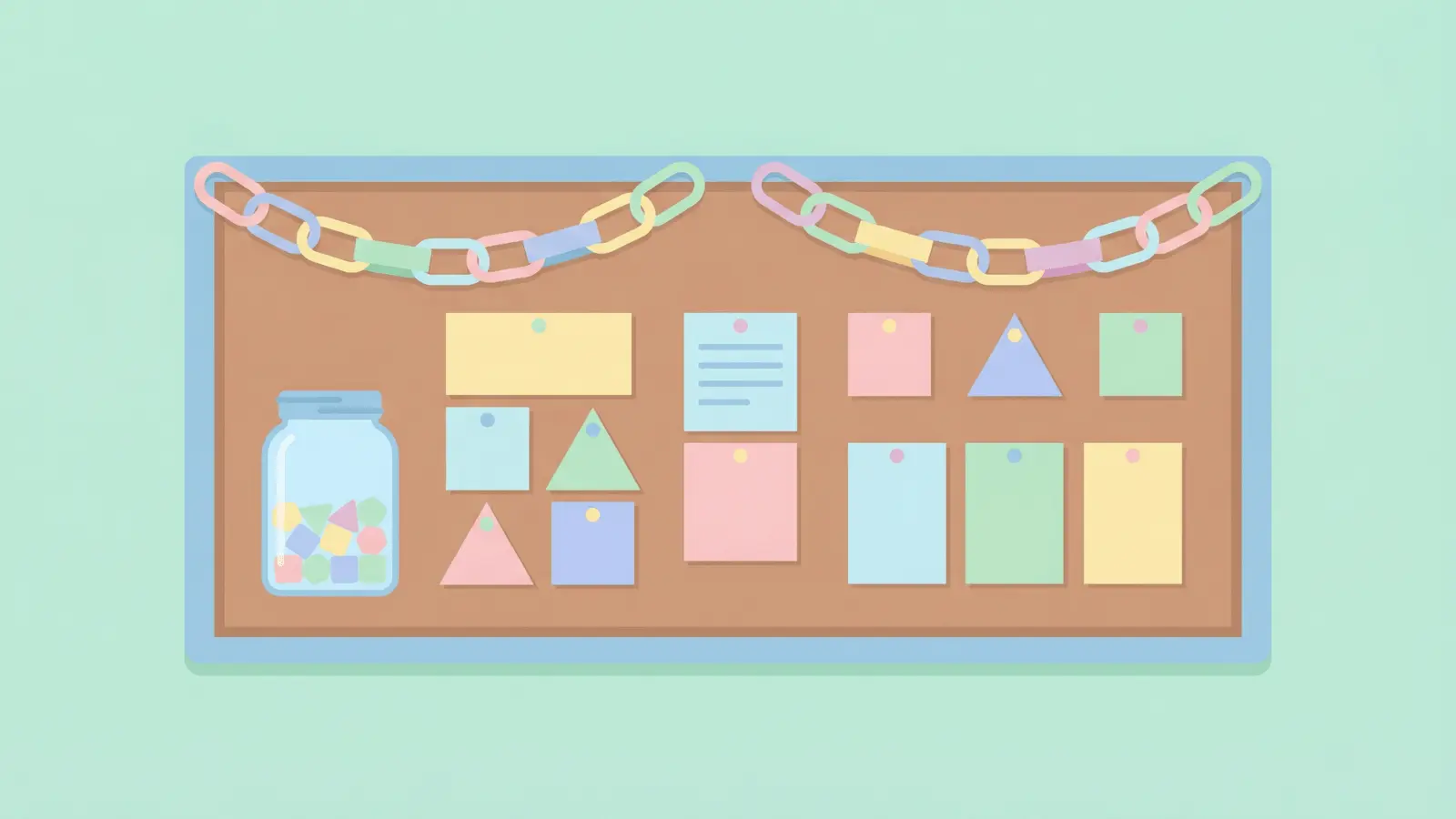
Kindness projects allow students to practice positive actions over several days or weeks. These activities encourage teamwork and shared responsibility.
12. Classroom Kindness Chart
Create a chart where students record kind actions they notice in the classroom. Each entry describes a helpful or respectful action.
As the chart grows, students see how often kindness occurs. This visual reminder encourages students to continue practicing positive behavior every day.
13. Kindness Jar
Place a jar in the classroom where students drop notes about kind actions they observed. At the end of the week, read a few notes aloud together.
Students enjoy hearing positive stories from classmates. This activity encourages awareness and appreciation of helpful behavior.
14. Kindness Chain
Students write kind actions on paper strips and connect them to create a chain. Each strip represents a helpful action completed in class.
As more actions occur, the chain becomes longer. This visual display shows students how many positive behaviors happen during the week.
15. Kindness Quilt
Each student designs a small square with drawings or messages about kindness. The squares are placed together to create a classroom quilt display.
This project reminds students that everyone contributes to the classroom environment. It also encourages creativity while reinforcing respectful behavior.
16. Acts of Kindness Challenge
Set a class goal to complete one hundred kind actions. Students record each action on a board or chart. When the goal is reached, celebrate as a class.
This challenge motivates students to notice opportunities to help others throughout the school week.
Creative Kindness Activities
Creative activities allow students to express ideas about kindness through art and classroom projects. These activities support creativity while encouraging discussion about respectful behavior.
They also provide visual reminders that positive actions help create a welcoming classroom environment.
17. Kindness Drawing Activity
Students draw pictures that show someone helping or supporting another person. After finishing, they explain their drawings to classmates.
This activity encourages students to think about helpful behavior. Sharing drawings also helps students discuss why kindness is important in daily situations.
18. Kindness Posters
Students design posters with messages about helping others and showing respect. The posters may include drawings, short phrases, or reminders about positive behavior.
Displaying these posters in the classroom encourages students to think about kindness throughout the day.
19. Kindness Rocks Painting
Students paint small rocks with kind words or encouraging messages. The rocks can be placed in the classroom or around the school garden.
When others see the messages, they receive a moment of encouragement. This activity shows how simple creative work spreads positivity.
20. Sticky Note Kindness Wall
Create a wall where students place sticky notes with kind messages. The notes may include appreciation, encouragement, or recognition of helpful actions.
Students can read the messages during the day. This activity builds encouragement and supports a positive classroom atmosphere.
21. Decorate a Kindness Door
Students work together to decorate the classroom door with drawings and messages about kindness. The design may include words related to helping others and teamwork.
Each student contributes an idea, helping create a welcoming classroom entrance that reminds students about positive behavior.
Role-Play and Social Kindness Activities
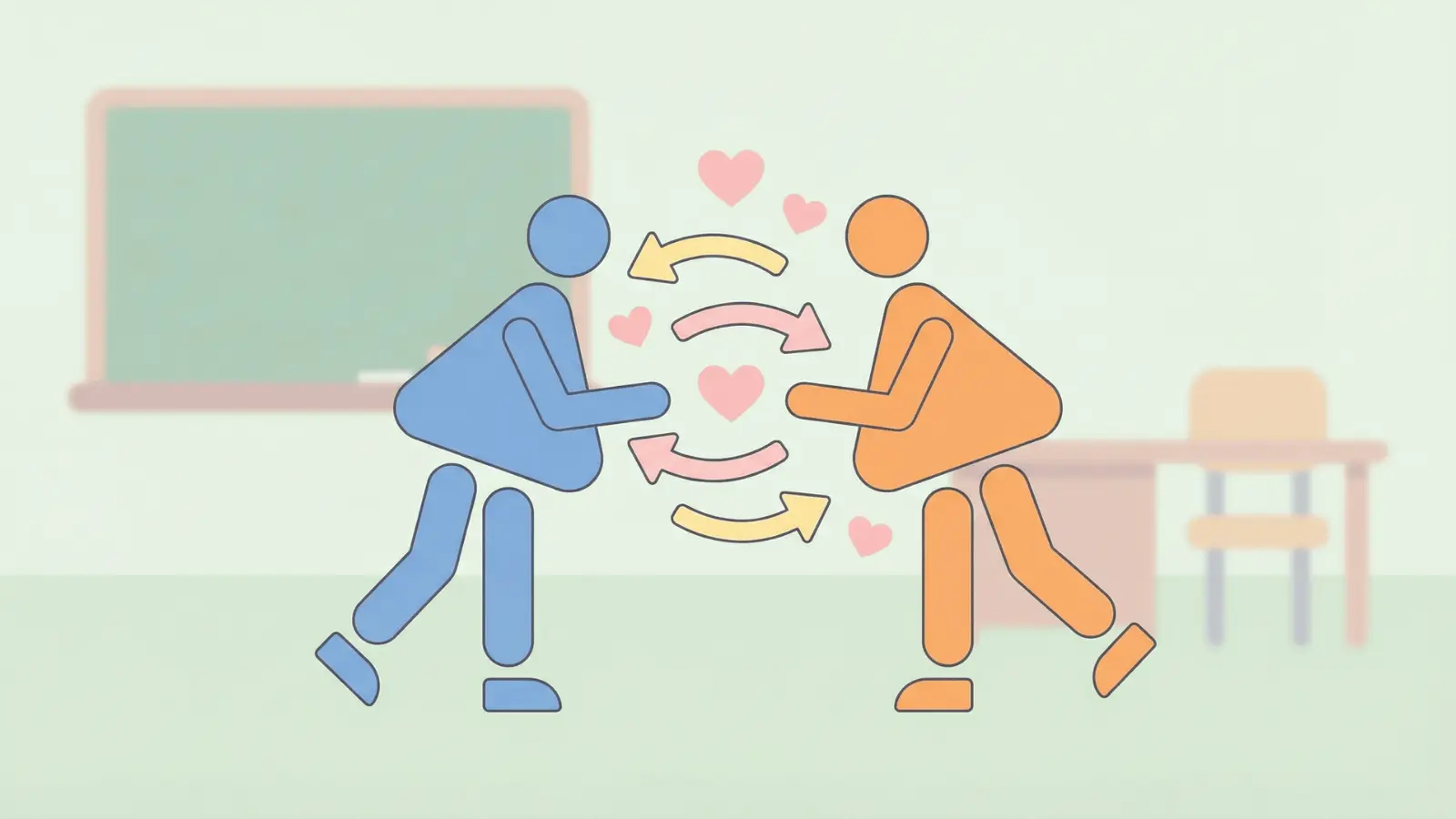
Role-play activities allow students to practice respectful behavior in realistic classroom situations.
Acting out scenarios helps students understand how to communicate politely, support classmates, and solve social problems through cooperation.
22. Role-Play Kindness Situations
Students act out short scenarios that show helpful actions such as sharing supplies or supporting a classmate. After the activity, the class discusses why the actions were positive.
This helps students understand how respectful behavior works in everyday classroom situations.
23. Helping a New Student Scenario
Students role-play welcoming a new student to the classroom. They practice greeting the student, explaining routines, and offering help.
This activity teaches inclusion and helps students understand how supportive behavior makes others feel comfortable in a new environment.
24. Sharing Classroom Materials Activity
Students practice sharing classroom supplies during a short task. They take turns using materials and help classmates when needed.
This activity teaches cooperation and fairness while reminding students that sharing resources helps everyone complete their work successfully.
25. Encouraging a Classmate Activity
Students practice saying supportive words during role-play activities. They may encourage a classmate who finds a task difficult or congratulate someone for effort.
This activity helps students understand how positive language can improve confidence and classroom relationships.
26. Active Listening Practice
Students pair up and take turns speaking while their partner listens carefully. After listening, the partner repeats or summarizes what they heard.
This activity teaches respectful listening and improves communication skills between classmates.
27. Team Kindness Challenge
Divide students into small teams and give each group kindness tasks for the week. Teams record the helpful actions they complete.
At the end of the week, teams share their examples with the class, encouraging everyone to notice opportunities to help others.
28. Kindness Bingo Game
Create bingo cards featuring kind actions such as helping a classmate or sharing supplies. Students mark squares when they complete each action.
The game continues until someone completes a row. This activity makes practicing kindness interactive and engaging.
29. Group Problem-Solving Activity
Students work in groups to solve a simple challenge. During the activity, they practice respectful communication and cooperation.
Teachers encourage students to listen to each other and support different ideas while working toward a shared solution.
30. Classroom Clean-Up Helpers
Students work together to clean and organize the classroom. Tasks may include arranging books, collecting materials, or wiping desks.
This activity teaches responsibility for shared spaces and encourages teamwork.
31. Peer Support Activity
Students help classmates who may need support with school tasks such as reading instructions or organizing materials.
This activity encourages cooperation and reminds students that helping others improves the learning experience for everyone.
Random Acts of Kindness Activities
Random acts of kindness encourage students to perform helpful actions without being asked. These small actions gradually build habits of positive behavior.
32. Secret Kindness Agent
Assign each student a classmate to support secretly during the day. Students perform helpful actions without revealing themselves.
At the end, classmates guess who helped them. This activity makes kindness fun and encourages thoughtful behavior.
33. Leave Positive Notes Around School
Students write encouraging messages and place them in safe areas around the school. Other students may find these notes during the day.
The messages provide encouragement and help spread positivity throughout the school environment.
34. Help a Classmate With Schoolwork
Students offer support when a classmate struggles with a task. They may explain instructions or share ideas.
This activity promotes patience and cooperation while reminding students that working together improves learning.
35. Hold the Door for Others
Students practice simple, respectful actions such as holding doors or allowing others to pass first.
These habits help students become more aware of others and encourage polite behavior in everyday situations.
36. Thank School Staff
Students take a moment to thank school staff members such as cleaners, office assistants, or security staff.
This activity teaches appreciation and helps students recognize the effort that many people contribute to the school community.
Community Activities

Community activities help students extend kindness beyond the classroom. These tasks encourage appreciation for people who support the school and neighborhood.
37. Write Letters to Community Helpers
Students write letters thanking community helpers such as firefighters, nurses, or police officers. The letters explain why their work matters.
This activity helps students understand community roles and express appreciation.
38. Donate Books to the School Library
Students bring books they no longer need and donate them to the school library. These books can help other students learn and enjoy reading.
This activity encourages sharing and responsibility within the school community.
39. Create Kindness Bags
Students prepare small bags containing helpful items or encouraging messages. These bags can be given to people who may need support.
This activity encourages students to think about how simple actions can help others.
40. School Appreciation Messages
Students write appreciation messages for members of the school community, such as teachers, cafeteria staff, or bus drivers. Sharing these notes encourages respect and reminds students that many people help support their learning every day.
Regular practice of these small actions supports a positive learning environment where students feel valued and supported.
Tips for Teaching Kindness Every Day
Teaching kindness becomes easier when you use a few simple strategies every day.
- Model Kind Behavior: Show respect through your actions by listening carefully, speaking politely, and treating everyone fairly, so students can learn by observing and following your example
- Praise Kind Actions: Recognize and appreciate helpful behavior by thanking students or pointing out positive actions, which encourages others to repeat similar behavior in the classroom
- Include Kindness in Lessons: Add kindness into daily subjects by discussing helpful actions in stories or asking students to write about supporting others during class activities
- Create a Kindness Routine: Use short daily practices like gratitude sharing or kindness check-ins to help students reflect on their actions and make kindness a regular habit
Using these small steps each day can help kindness become a natural and consistent part of your classroom environment.
Plan a Weekly Kindness Routine
A simple weekly routine can help students practice kindness in a consistent and structured way.
| Day | Kindness Focus | Activity Plan | Reflection Prompt |
|---|---|---|---|
| Monday | Kindness Starter | Start the week with a morning meeting question: “How can you show kindness to someone today?” Let students share 1–2 ideas. | What is one kind thing you want to try today? |
| Tuesday | Daily Small Acts | Encourage students to help a classmate, share materials, or give a kind compliment during class activities. | How did a small act of kindness make someone feel? |
| Wednesday | Teamwork Kindness | Plan a partner or small-group task where students must work together and support each other. | How did your group show cooperation today? |
| Thursday | Classroom Responsibility | Ask students to do one helpful classroom job, such as organizing supplies, cleaning a shared space, or helping the teacher. | What did you do today to make the classroom better? |
| Friday | Weekly Reflection | End the week with a short circle discussion where students share kind actions they noticed or completed. | What kind action are you proud of this week? |
Following this routine helps make kindness a regular and meaningful part of classroom life.
Conclusion
Over time, small, consistent actions can shape how students treat others both inside and outside the classroom.
Kindness activities for kids are not just short tasks. They help build habits that influence behavior, communication, and group interaction.
When students practice kindness regularly, it becomes part of how they think and respond in different situations. The goal is to keep things simple and steady rather than overwhelming.
Start by choosing one or two activities and include them in your daily routine. Take that first step today and begin building a classroom where kindness becomes a natural part of every interaction.


