

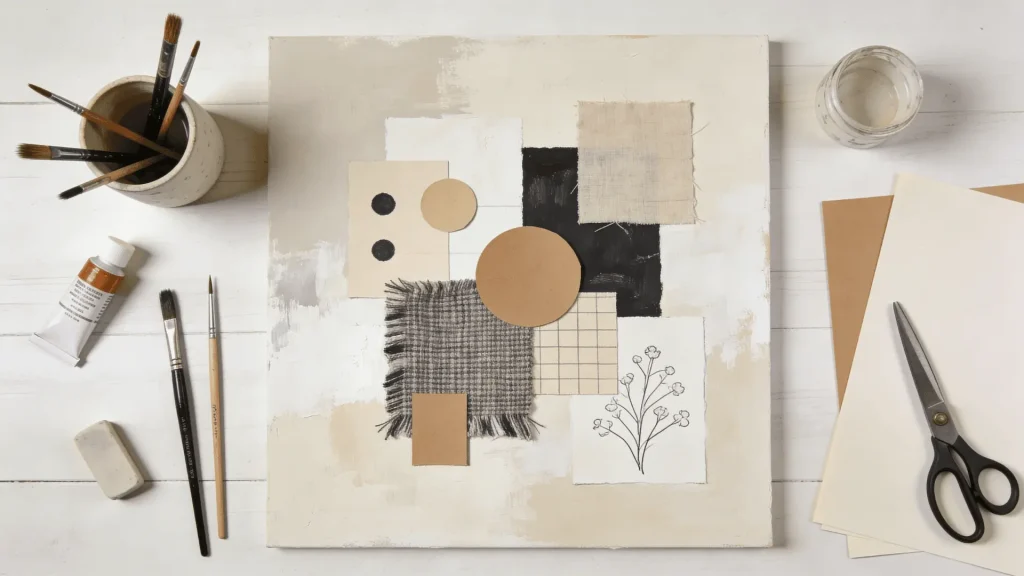
Mixed media art often looks complex from the outside, but it becomes much easier once you understand how to approach it step by step.
The real challenge is not the materials, but knowing how to combine them in a way that feels balanced.
In this blog, I’ll break down what mixed media art actually involves, the basic materials you can start with, simple ideas to practice, and the core techniques that help your work feel complete.
You’ll also learn a clear way to begin your first piece without confusion. Let’s start with the basics.
What Mixed Media Art Really Means
Mixed media art means creating one artwork using two or more materials or techniques in the same piece. It can be simple or clean, as long as different materials are combined.
Traditional art focuses on one medium, like paint or charcoal, while mixed media combines multiple materials in one artwork. The focus shifts from mastering one medium to how materials work together.
Artists mix materials because each one adds something different, like color, detail, or texture. This gives more flexibility and helps create depth, contrast, and a more personal result.
Core Materials You Can Use
Mixed media art uses different materials, but you can start simple. Focus on three basics: a surface to work on, materials to create with, and extras for texture or detail.
Here’s a simple materials list based on your content:
- Paper or sketchbook
- Canvas or cardboard (optional)
- Acrylic paint or watercolor
- Pens, markers, or pencils
- Magazine or newspaper cutouts
- Fabric scraps or printed paper
- Glue stick or liquid glue
- Gel medium (optional)
- Palette knife or old card
- Sponges or old brushes
Start small and keep your setup simple. As you get comfortable, you can slowly add more tools and materials.
Easy Mixed Media Art Ideas to Try First
Mixed media can feel overwhelming at first, but starting simple makes it easier. These ideas help you practice layering and combining materials without pressure.
Mixed Media Art Journaling
Here are simple ways to mix writing, paint, and small elements on a single page. They’ll help you build confidence without worrying about perfection.
1. Daily Thought Journal Page
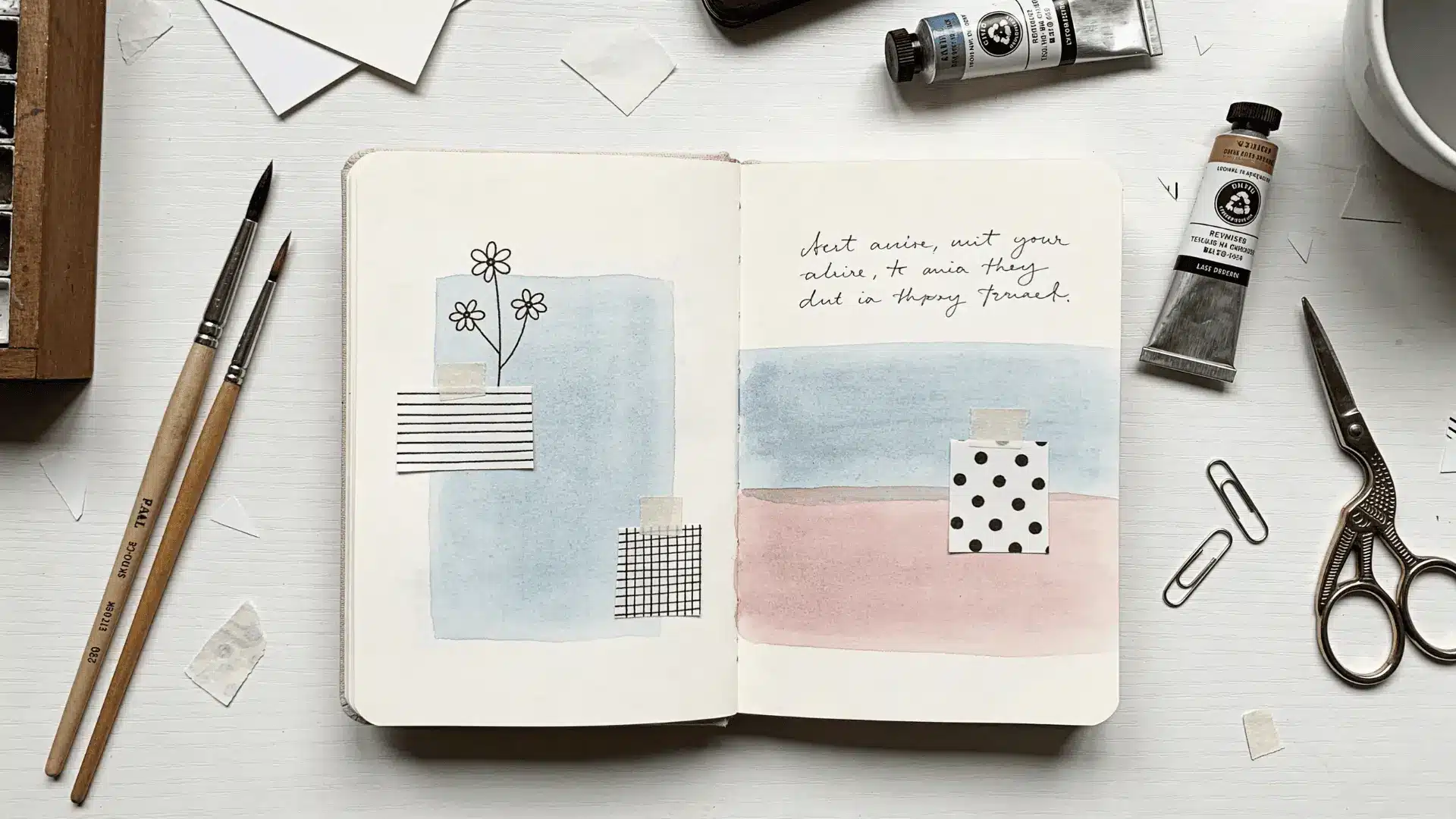
Create a simple journal page using short thoughts, quick doodles, and light layers of paint. Add small paper pieces or stickers for extra depth.
This idea helps you get comfortable mixing writing and visuals while removing pressure to create something perfect or polished.
2. Color Mood Pages
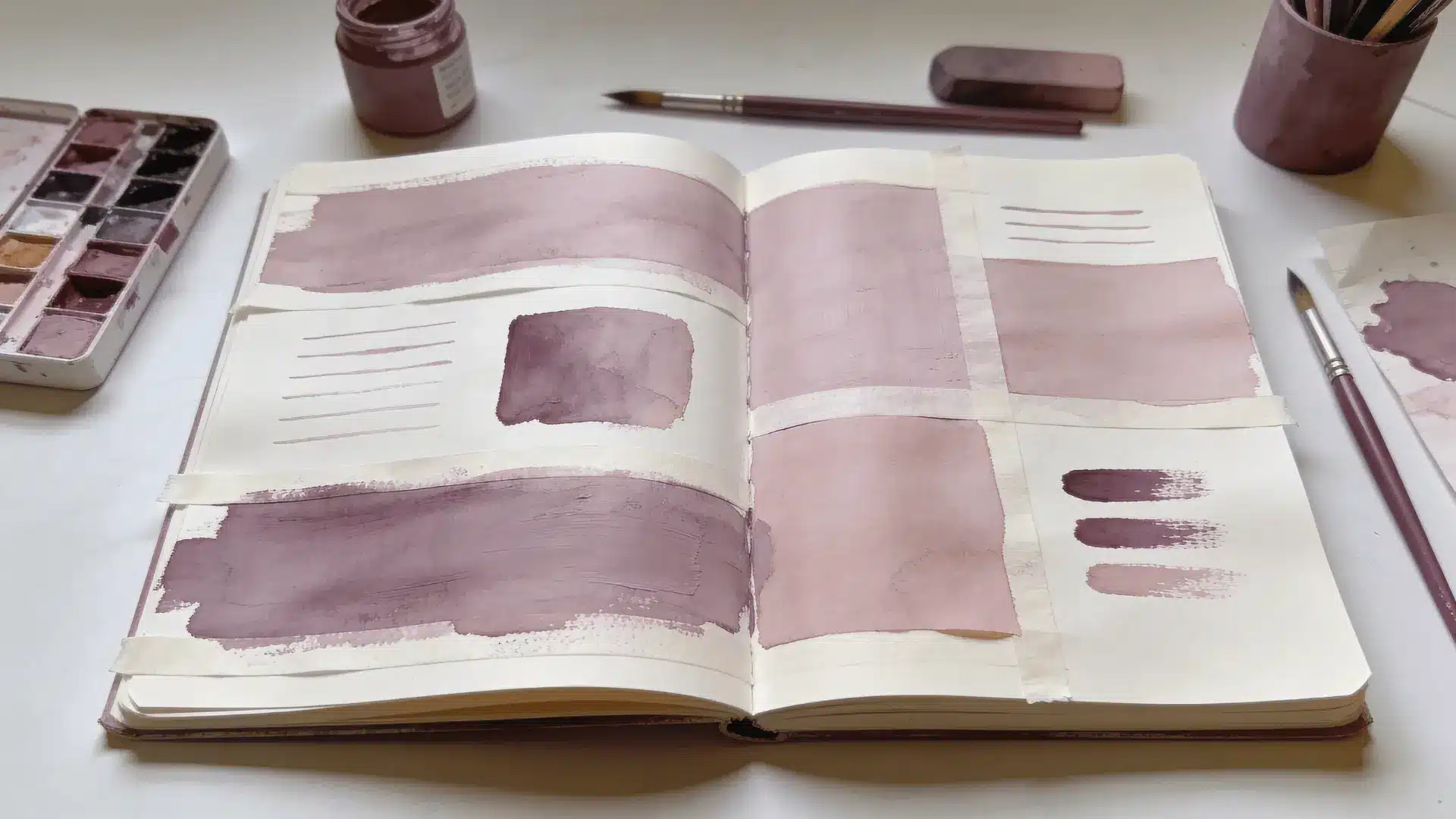
Choose one main color and build your entire page around it using paint, paper, and simple marks.
Keeping your palette limited makes the process easier and helps you focus on layering and texture instead of worrying about too many design choices.
3. Quote-Based Art Page
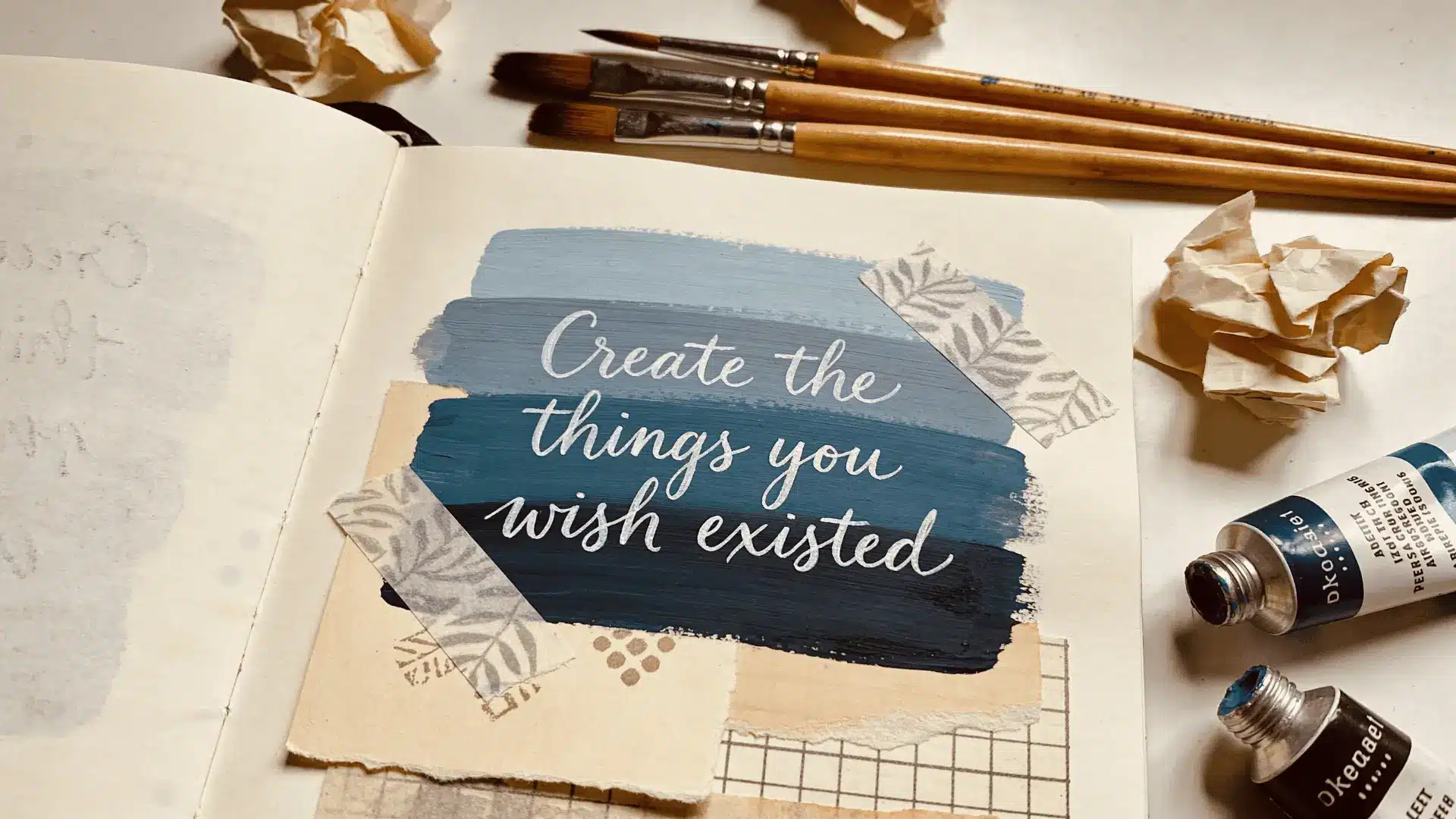
Pick a short quote and design your page around it using paint, collage, and hand lettering. Start with background layers and then highlight the text.
This helps you understand how to create a focal point while still experimenting with different materials.
Paper and Fabric Collage Art
Here, you work with paper and fabric to create layered compositions. It’s a great way to understand texture, placement, and how materials interact.
4. Magazine Cutout Collage

Cut out images, patterns, and text from magazines and arrange them into a clean layout. Glue them down and add small paint or pen details.
This idea helps you learn composition, spacing, and how different elements can work together in one piece.
5. Fabric Patch Composition
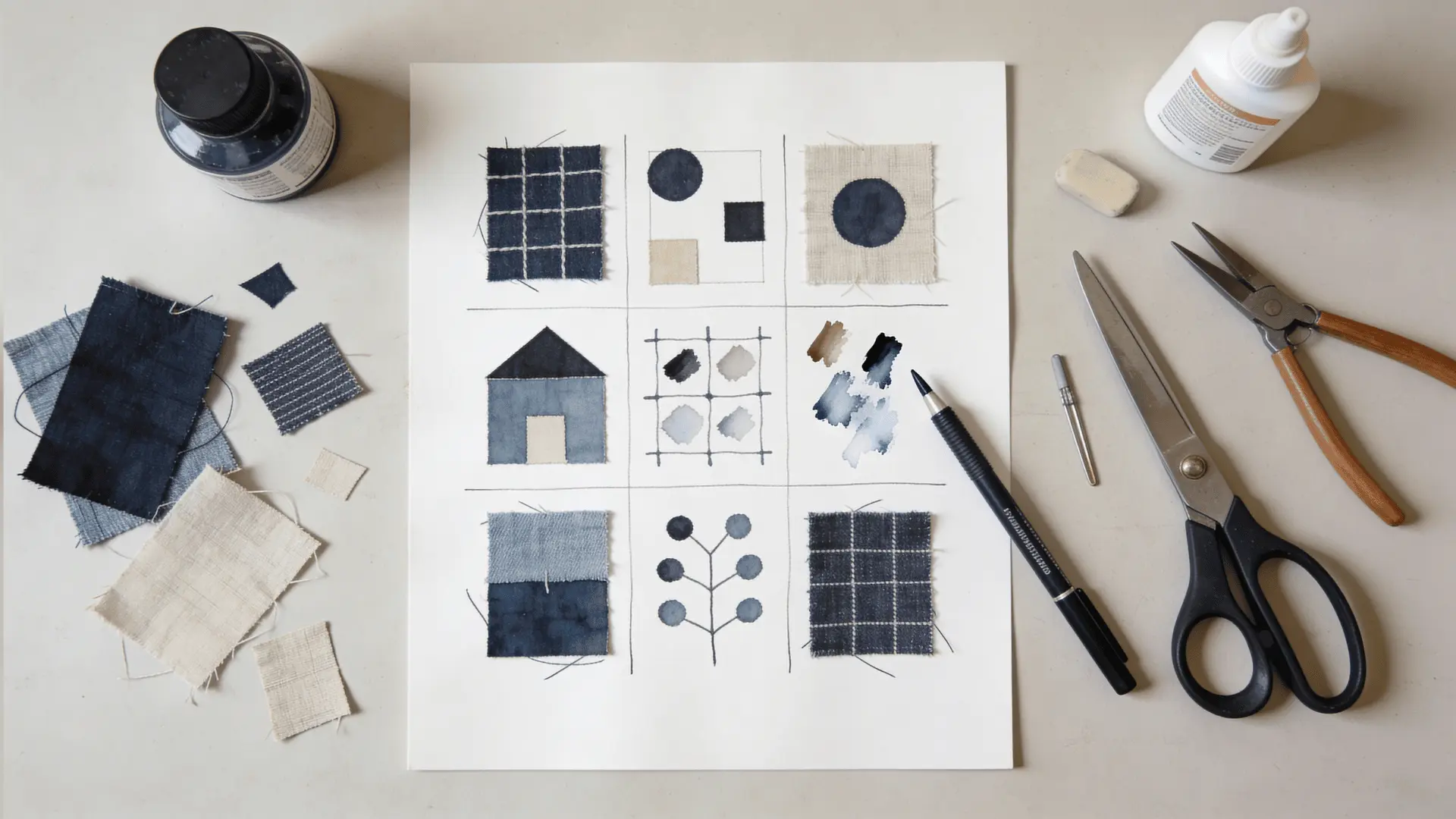
Use small fabric scraps to build shapes or patterns on your base, then combine them with paint or pen details.
This introduces soft textures and teaches you how to mix materials that behave differently on the same surface.
6. Layered Paper Landscape
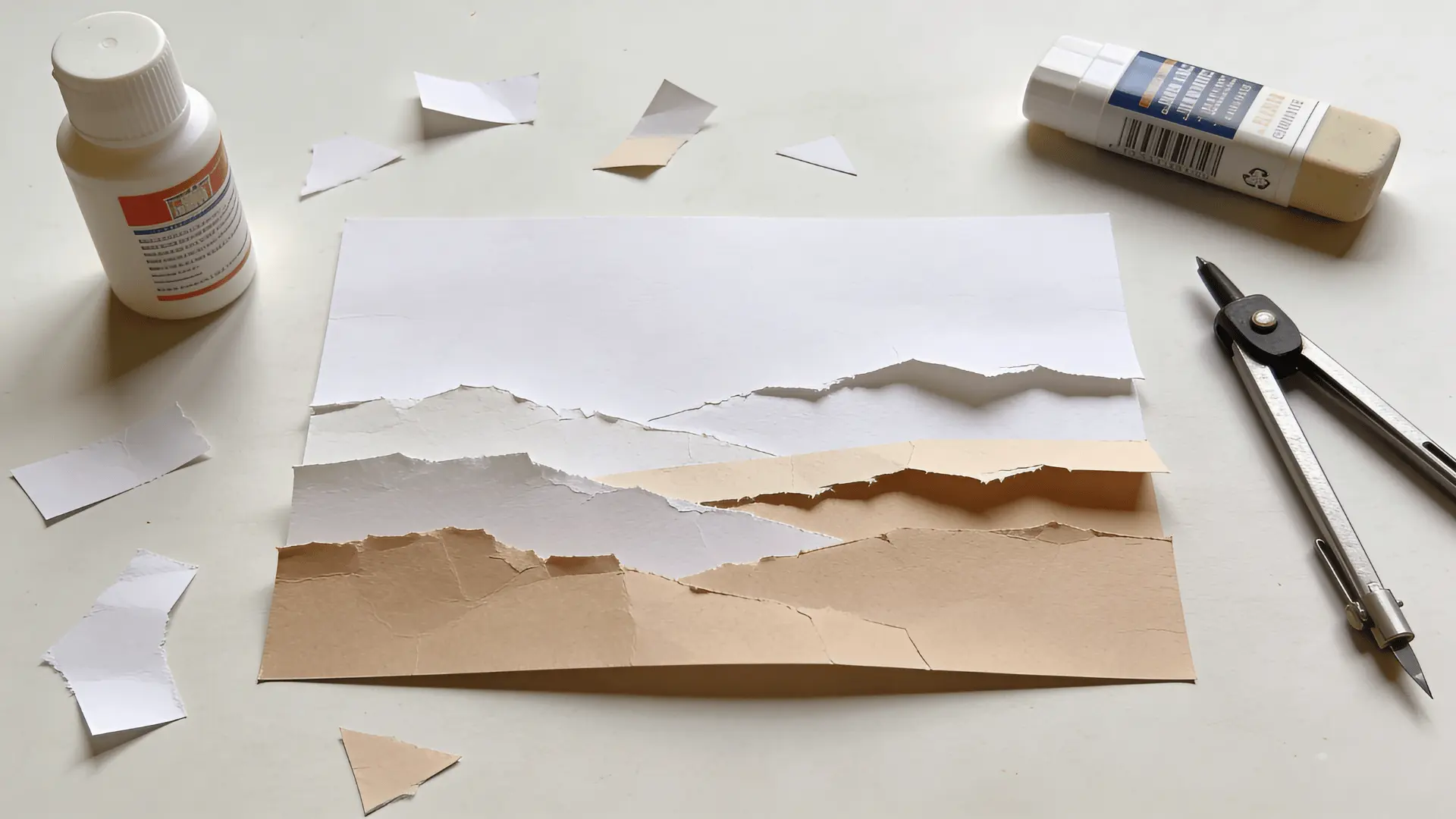
Create a simple scene using torn paper instead of drawing. Layer pieces to form depth and add small painted details if needed.
This helps you understand how layering creates distance and structure without relying on strong drawing skills.
Textured Canvas With Acrylics
This section is all about building texture using paint and tools. You’ll learn how surface depth can change the overall look of your artwork.
7. Basic Texture Background Canvas
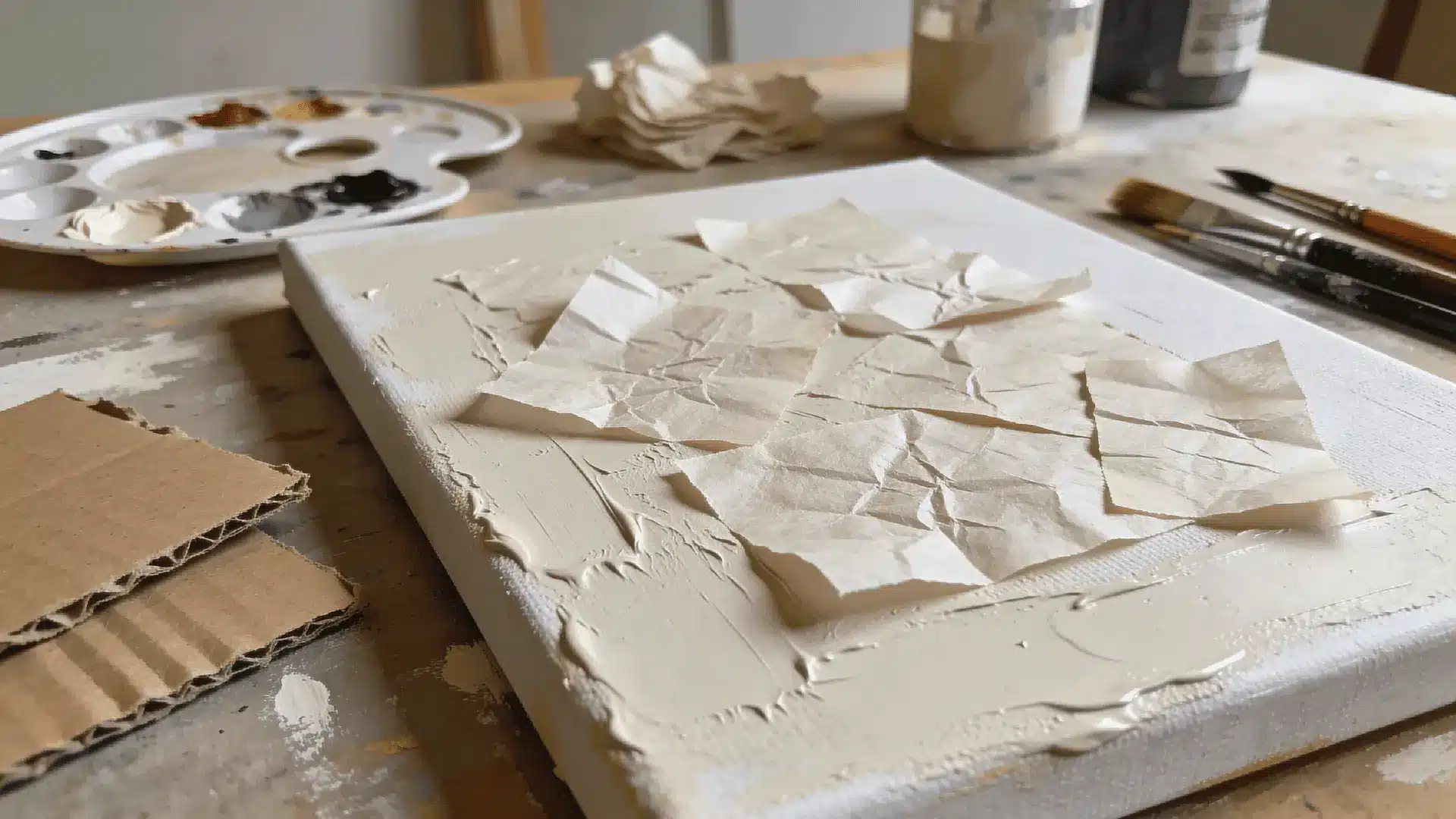
Apply thick paint and press materials like tissue paper or cardboard into the surface. Once it dries, paint over the raised areas.
This helps you learn how to build texture first and then enhance it with color and layering.
8. Palette Knife Texture Art
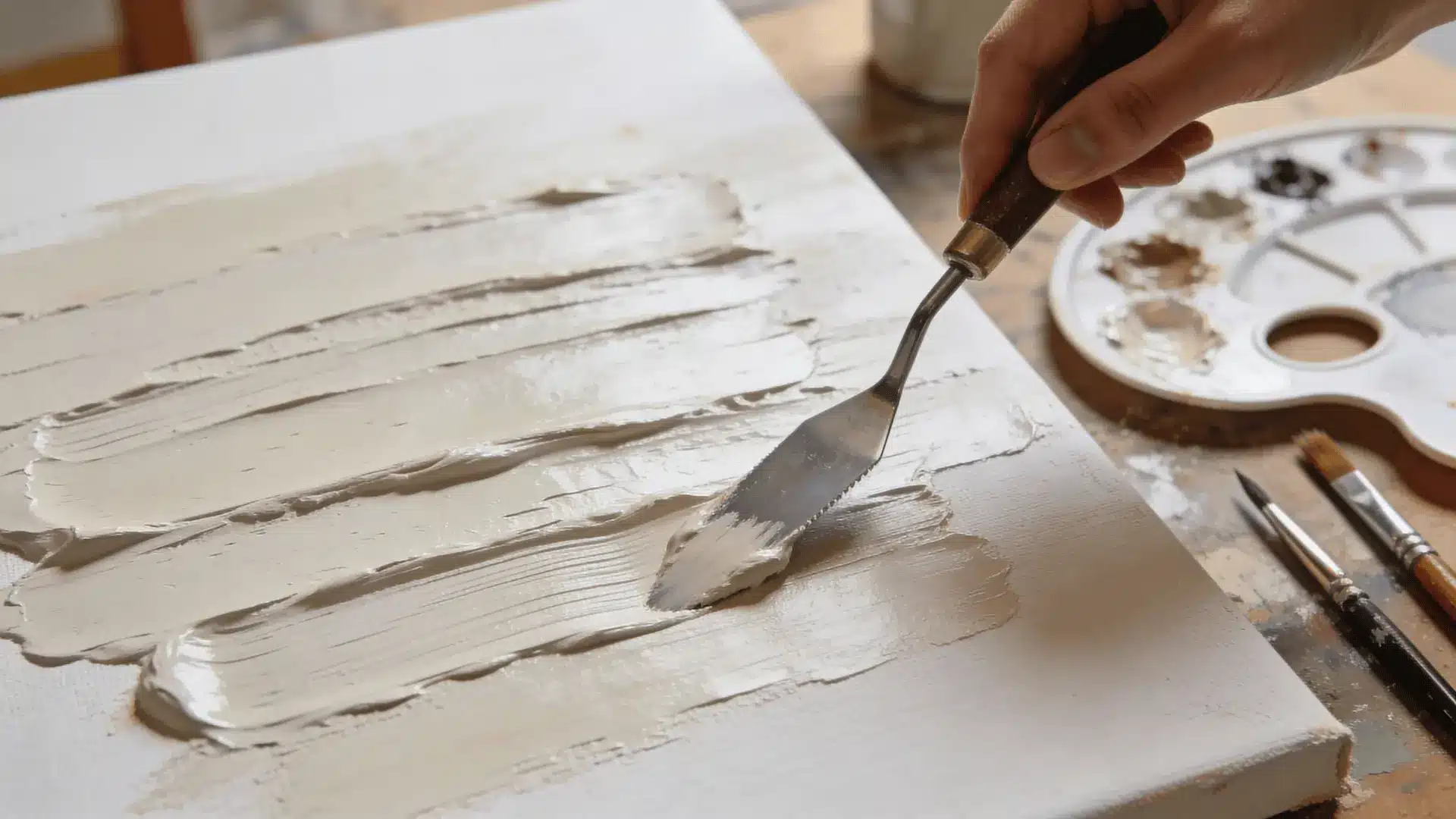
Use a palette knife or an old card to spread paint in layers across your surface. Focus on movement, direction, and thickness instead of details.
This helps you see how tools can change texture and create visual interest in simple ways.
Creative Mixed Media Projects for More Variety
Upcycled and Found Object Art
Use everyday items and turn them into part of your artwork. This approach adds depth and teaches you how to combine different materials creatively.
9. Recycled Object Canvas
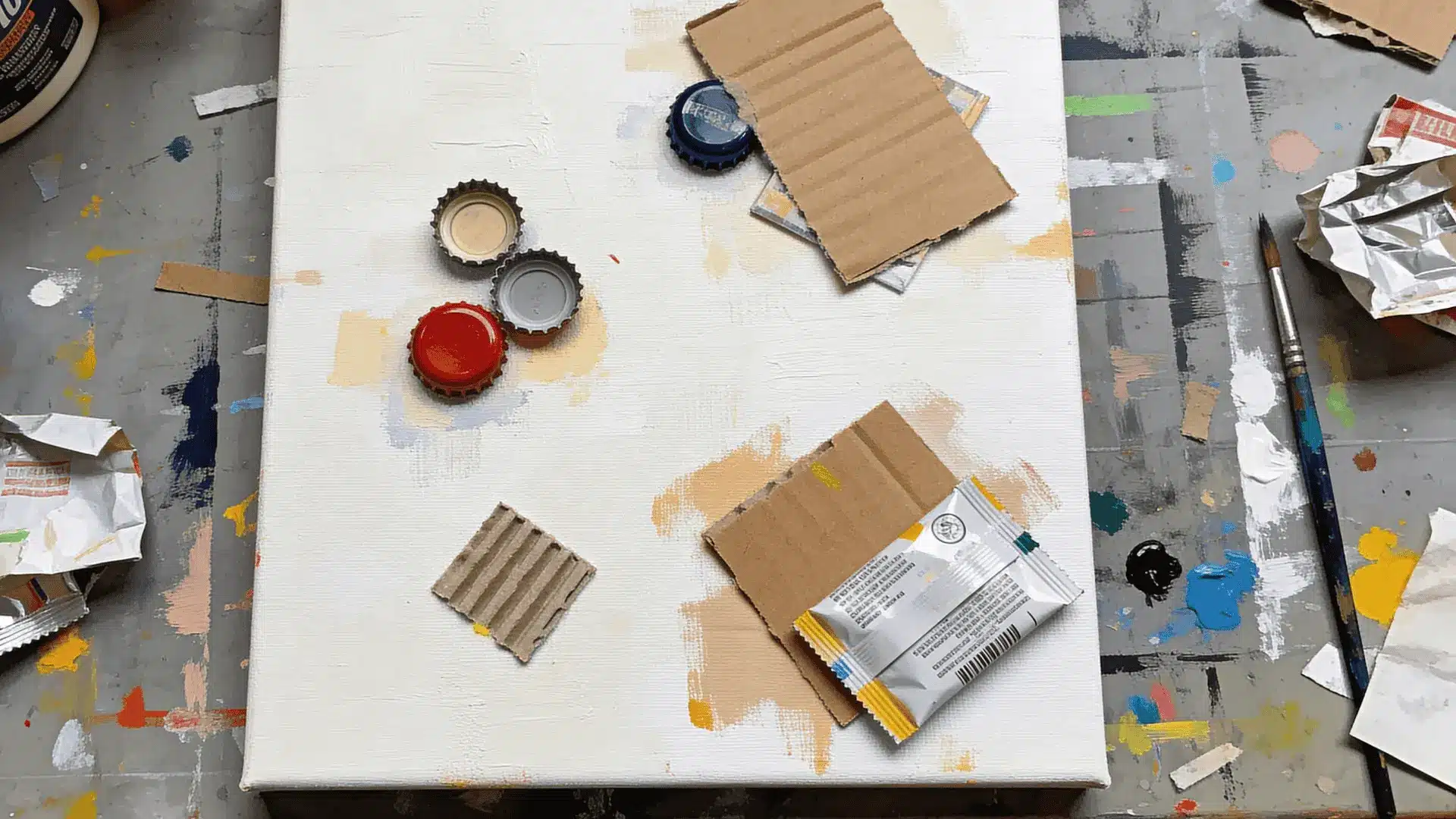
Attach small items like bottle caps, cardboard pieces, or packaging onto your base and paint over them.
This adds depth and encourages you to reuse everyday materials while learning how to combine objects with traditional art supplies.
10. Memory Object Art Piece
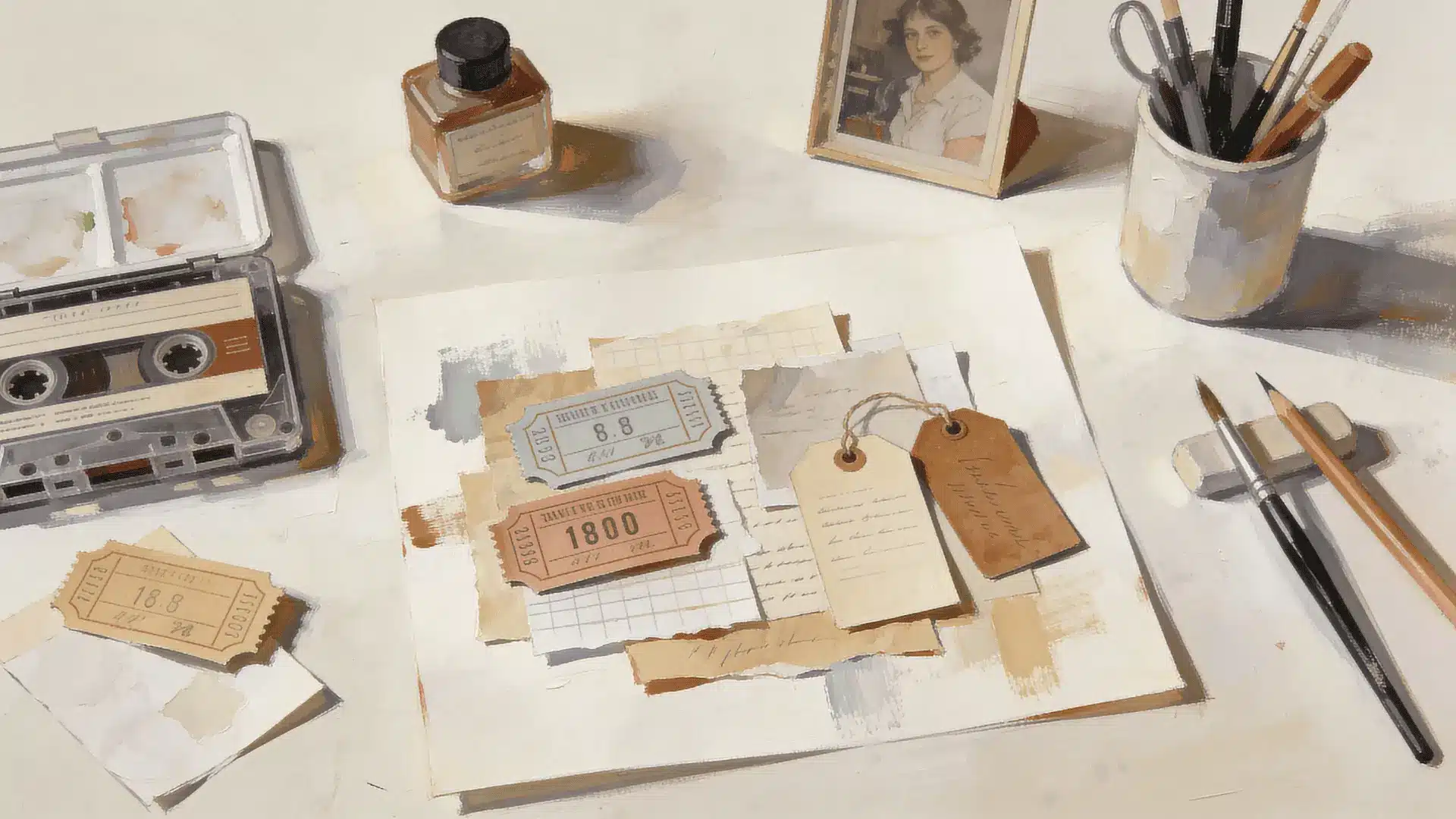
Use personal items like tickets, tags, or small keepsakes in your artwork. Combine them with paint and paper layers to build meaning into your piece.
This helps you connect your art to real experiences while practicing balance and layering.
Nature-Inspired Mixed Media Pieces
This section brings in natural elements and earthy tones. It helps you work with organic shapes and softer color combinations.
11. Leaf and Texture Composition
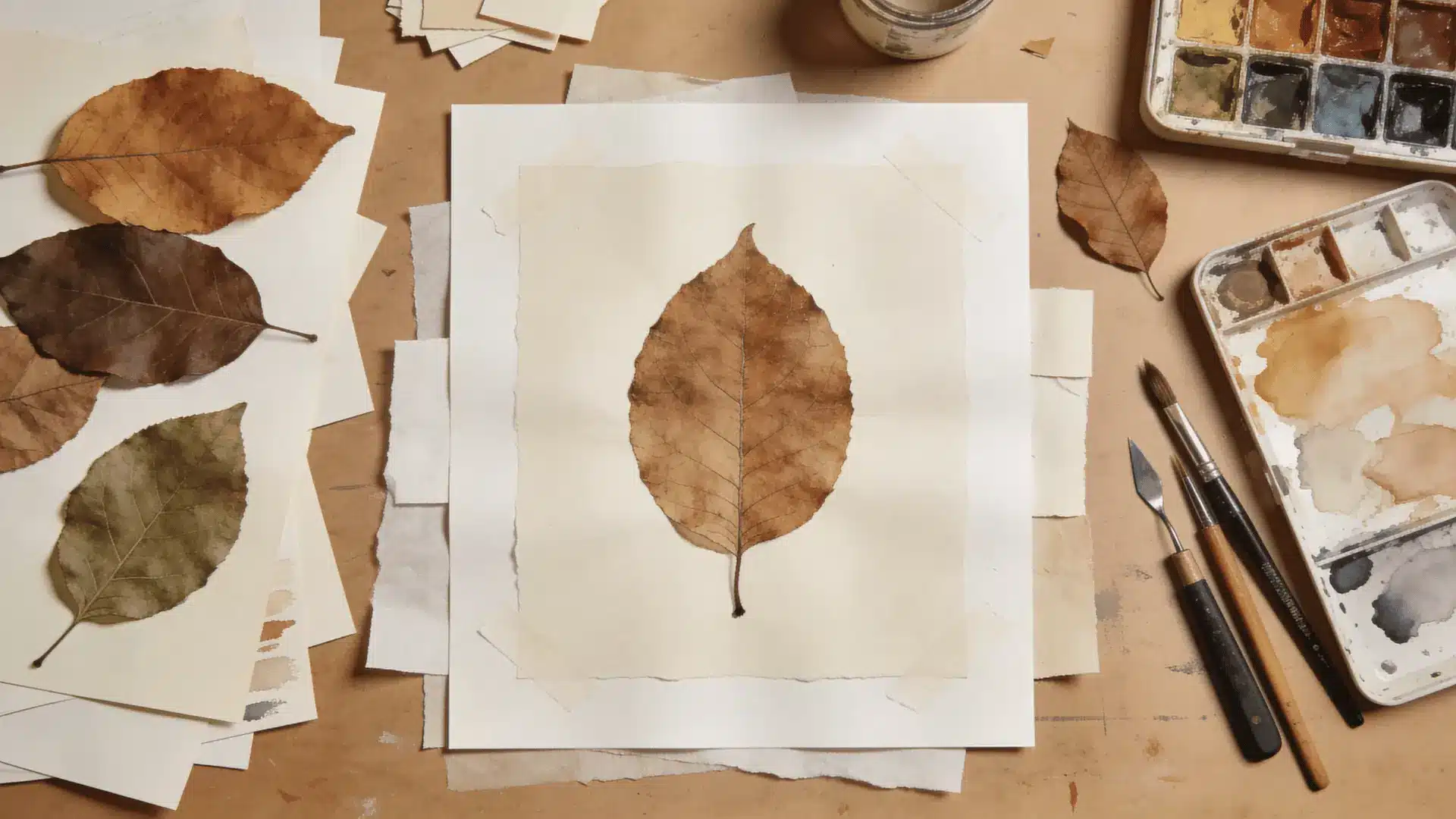
Use real or pressed leaves as part of your design and build layers around them with paint and paper.
This helps you work with natural shapes that are not perfect and teaches you how to adapt your composition around organic forms.
12. Earth Tone Abstract Piece
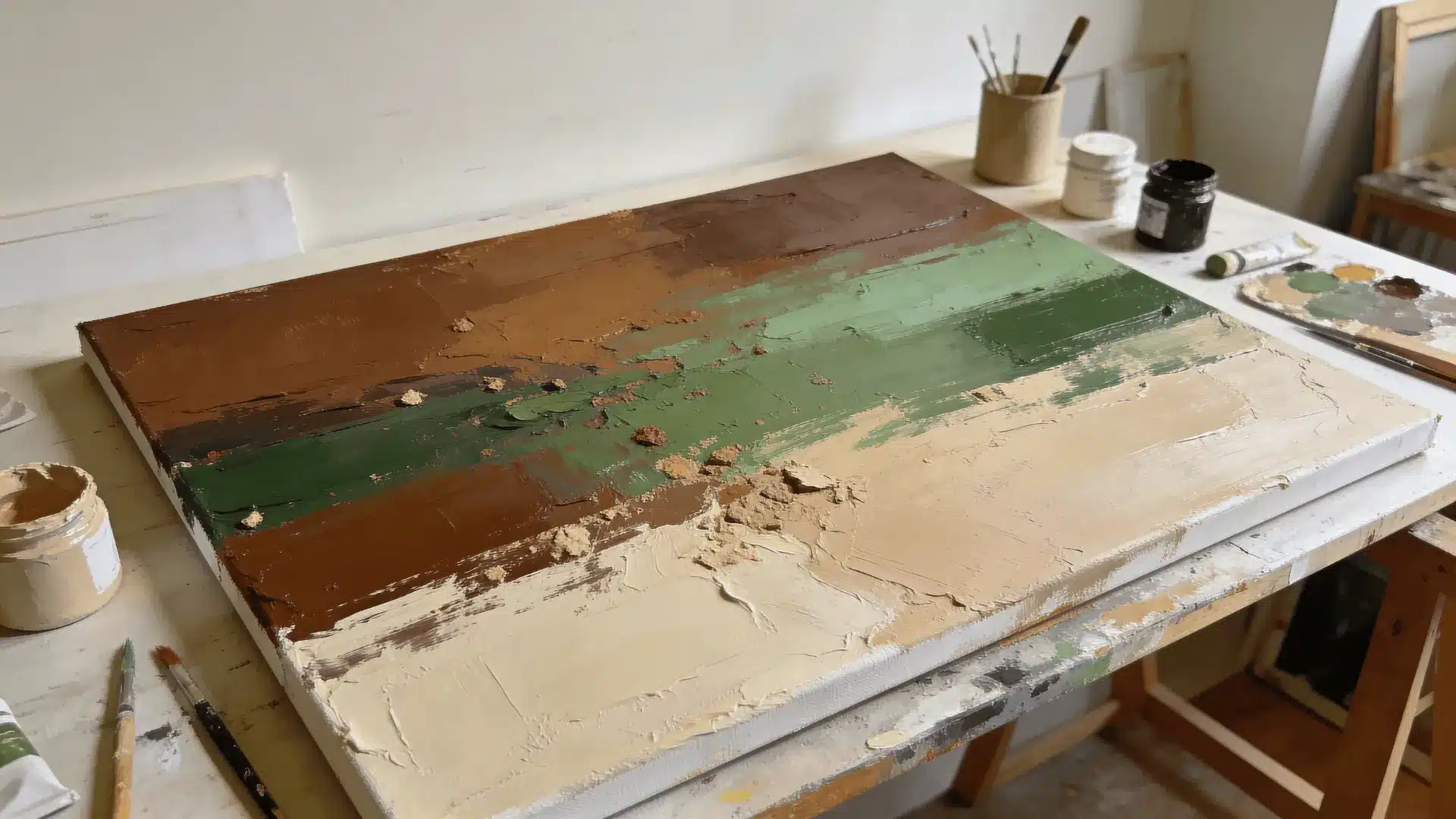
Create an artwork using natural colors like browns, greens, and soft neutrals. Add texture using rough materials or thick paint.
This helps you understand color harmony while seeing how texture and tone work together in a calm composition.
Layered Abstract Art
Focus on creating depth using marks, shapes, and layers. It encourages freedom and helps you understand balance in abstract compositions.
13. Mark Making Abstract Layers
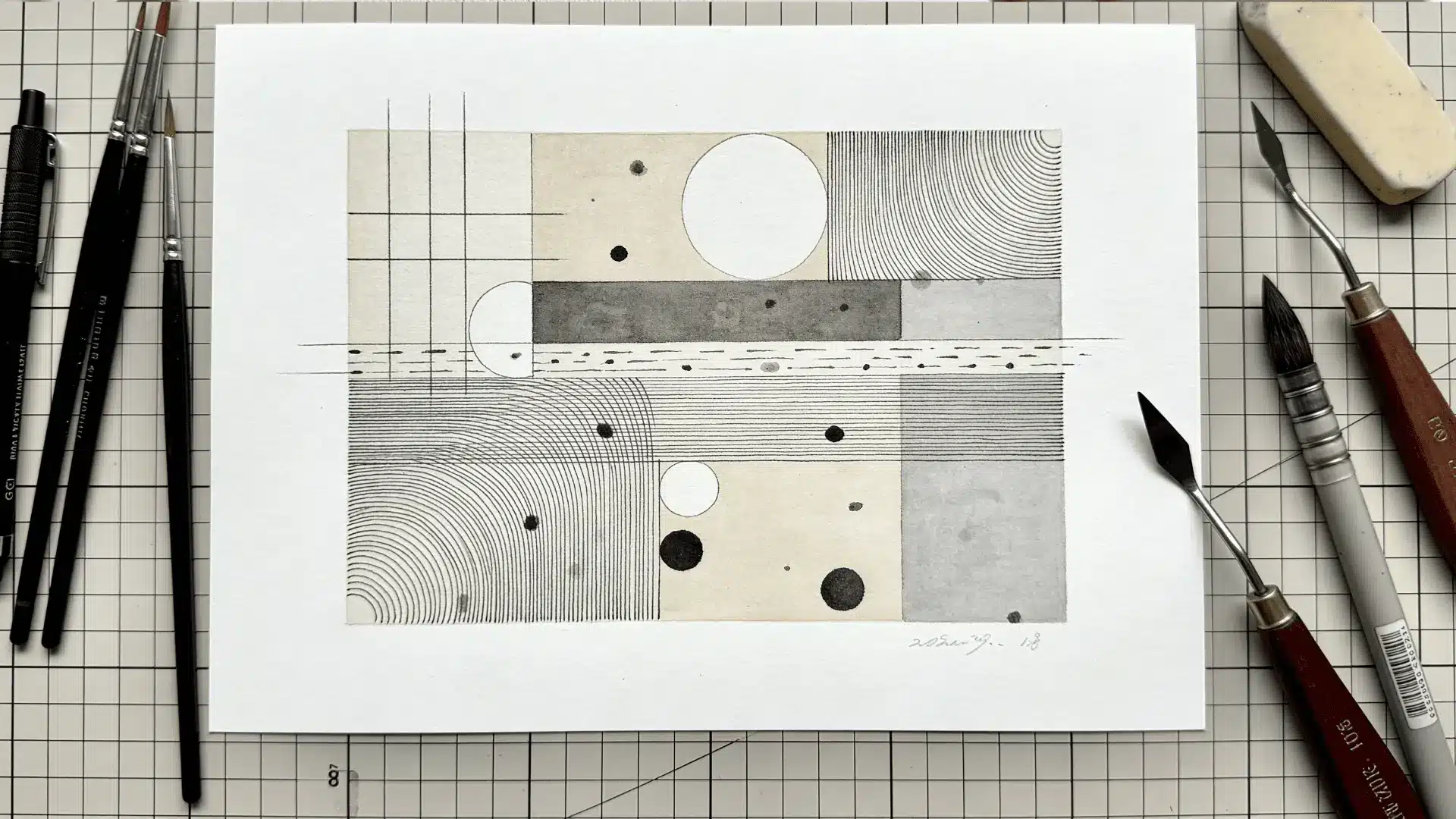
Build your artwork using lines, marks, and shapes created with different tools. Keep layering until the piece feels balanced.
This helps you focus on process instead of perfection and improves your understanding of movement and composition.
Low Relief 3D Artwork
This section introduces simple ways to add dimension to your art. You’ll learn how raised surfaces can make your work more visually engaging.
14. Raised Shape Canvas
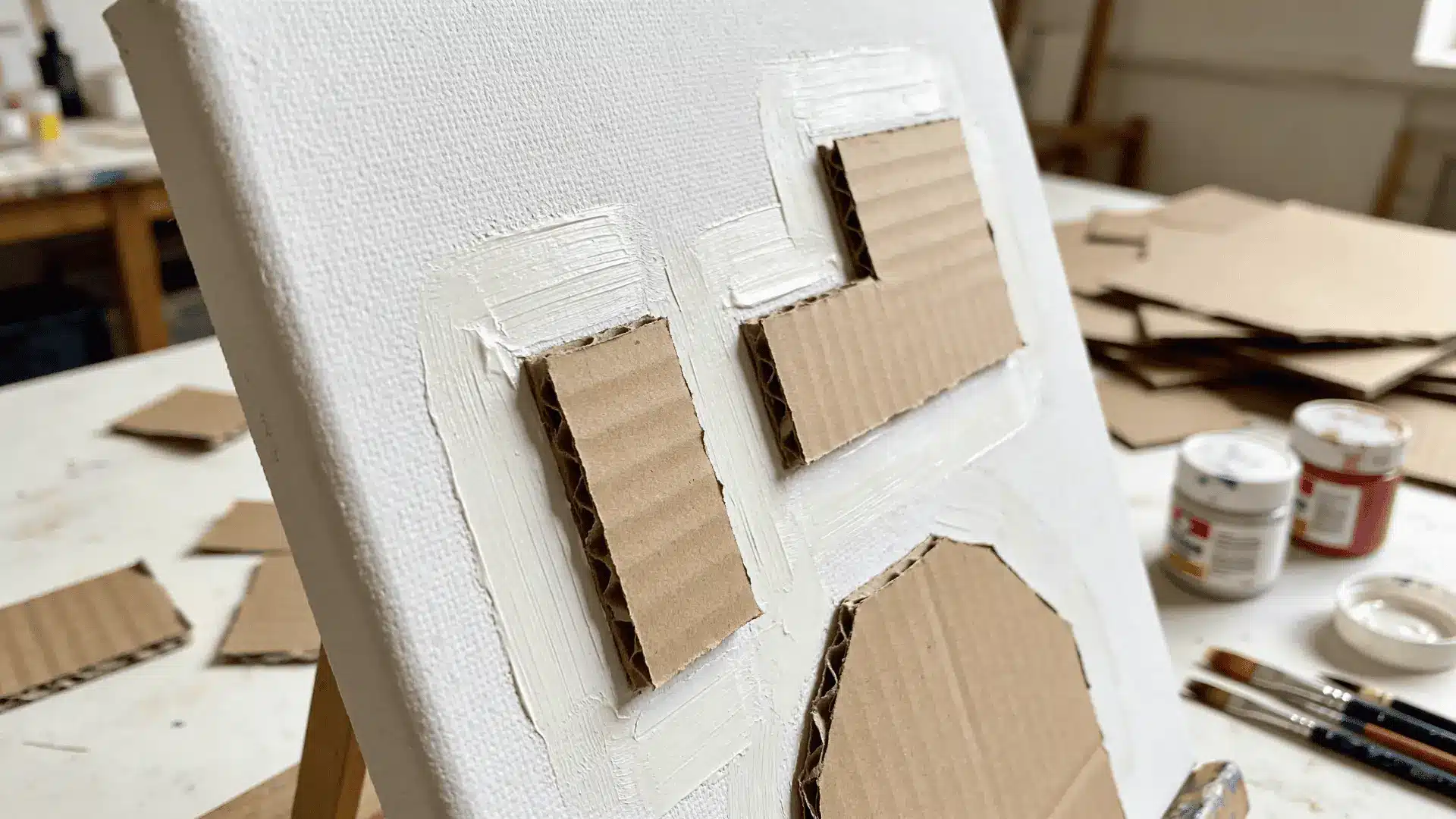
Cut simple shapes from cardboard and attach them to your base before painting over everything.
This creates a raised surface and helps you understand how dimension can change the look of your artwork without making the process too complex.
15. Layered Cardboard Depth Art
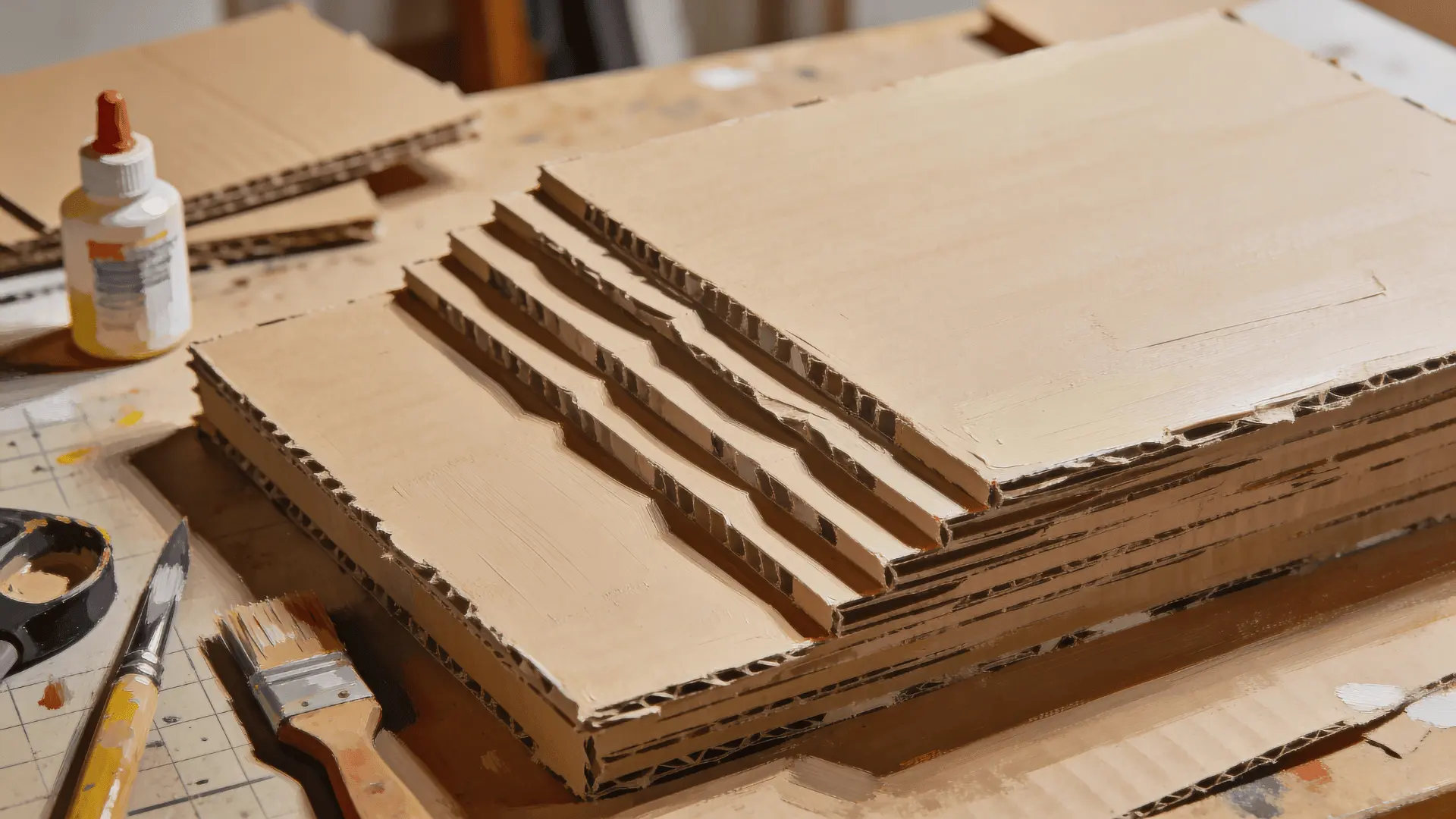
Stack multiple layers of cardboard to build depth, then paint over the entire surface to unify it.
This helps you understand how physical layers create shadows and visual interest while giving your artwork a more structured, dimensional feel.
Techniques that Make Mixed Media Work Stand Out
Mixed media art stands out when you focus on how materials work together, not how many you use.
Strong layering, controlled texture, and step-by-step building help your work look intentional instead of messy.
1. Layering Builds Depth
Layering means adding materials step-by-step instead of all at once.
You might start with a painted background, then add paper pieces, then draw or paint on top. Each layer adds depth and makes the artwork feel more alive.
A good tip is to let some layers show through instead of covering everything. This creates a sense of history in the piece.
2. Creating Texture with Simple Materials
Texture makes your artwork feel more interesting to look at.
You can create texture using:
- Thick paint
- Sponges or rough brushes
- Paper or fabric layers
- Tools like palette knives
The key is control. Too much texture can feel heavy, so balance rough areas with smoother ones.
3. Blending Paint, Ink, and Collage
Combining materials can feel tricky at first, but it gets easier with practice.
Start by building a base with paint. Then add collage elements using glue. Once that dries, use ink or pens to add lines and details on top.
Let each step dry before moving on. This helps avoid smudging and keeps the work clean.
4. Adding Details with Pens, Stamps, and Marks
Details are what bring the whole piece together.
You can use:
- Pens for outlines and patterns
- Stamps for repeated shapes
- Simple marks like dots, lines, or scribbles
These small additions help guide the viewer’s eye and give your artwork a finished look. Keep it simple and place details where they add focus, not clutter.
How to Start Your First Mixed Media Piece
Starting your first mixed media piece does not need to feel complicated. You just need a simple flow to follow from idea to finish.
- Choose a Simple Concept or Theme: Start with a clear idea like a color, word, or simple subject. This helps guide your layers so the piece feels connected, even if your idea shifts slightly.
- Build Your Base Layer: Create a simple background using paint, texture, or paper. This layer sets the tone but does not need to be detailed or perfect.
- Add Layers and Details: Build your piece step by step using different materials. Let each layer settle before adding more, and keep a balance between busy and simple areas.
- Final Touches and Finishing: Add small details like highlights or pen work. Then pause and review your piece. Stop once it feels complete to avoid overworking it.
Starting your first mixed media piece is really about taking it one step at a time. Keep things simple, trust your process, and let your work grow naturally as you add each layer.
Conclusion
Mixed media art is not about using more materials, but about using them with purpose. When you focus on layering, balance, and simple choices, your work starts to feel more structured and intentional.
Over time, you will notice how different materials respond and how your style naturally develops.
The key is to keep your process simple and build confidence through small experiments. There is no need to rush or overcomplicate things.
Pick a few materials, start your first mixed media art piece, and see how it takes shape as you go.


